
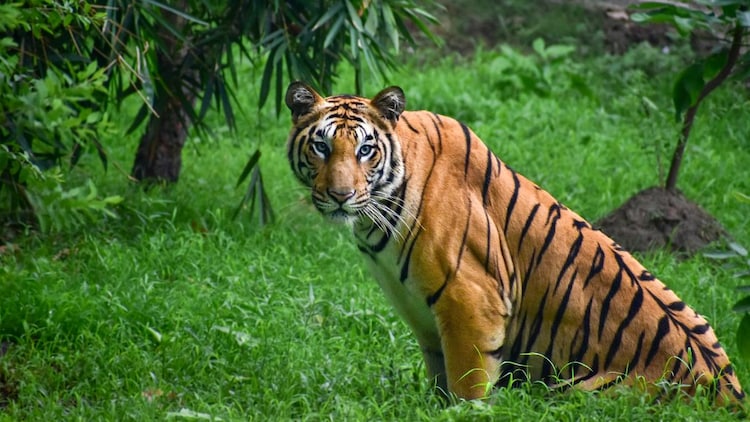
World Tiger Day: India's big cats facing disease, shrinking forests, rising conflict
As India marks World Tiger Day, rising tiger deaths, disease risks and habitat loss are under scrutiny. The pattern has intensified concern over forest fragmentation, conflict and protection beyond reserves.
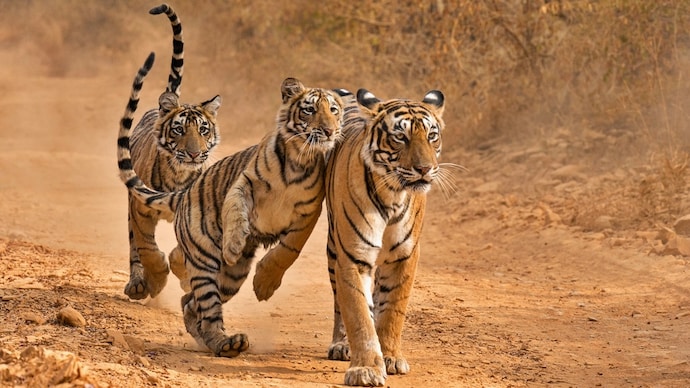
Three wild Bengal tiger, one mother and her two sub adult cubs, in a dirt track in the dry forests of Ranthambhore. (Photo: Getty)

New Delhi,UPDATED: Jul 29, 2026 12:12 IST
India's tiger conservation story has long been celebrated as one of the world's biggest wildlife successes. But as the country marks World Tiger Day on July 29, the challenges confronting its iconic big cats are becoming harder to ignore.
India is home to the world's largest wild tiger population, accounting for nearly 70% of all wild tigers globally.
From the spread of Canine Distemper Virus (CDV) to increasing deaths outside protected reserves and the continuing loss and fragmentation of forests, 2026 has emerged as a worrying year for tiger conservation.
Data released by the National Tiger Conservation Authority (NTCA) shows that 114 tiger deaths were recorded between January 1 and July 26, 2026, highlighting the scale of mortality across India's tiger landscapes.
DEATHS OUTSIDE TIGER RESERVES
A closer look at the data reveals another concerning trend: a significant number of tiger deaths are occurring outside notified tiger reserves, where animals often venture into human-dominated landscapes in search of territory or prey.
The mortality records include deaths from Madhya Pradesh, Maharashtra, Uttarakhand, Uttar Pradesh, Tamil Nadu, Kerala and several other states, with many reported from territorial forests, revenue lands and villages beyond reserve boundaries.
The increase reflects a growing conservation challenge. India's tiger population has expanded steadily over the past decade, but available habitat has not kept pace.
As forests become fragmented by roads, railways, mining and expanding settlements, dispersing tigers are increasingly forced to cross agricultural land and human settlements, exposing them to accidents, electrocution, poaching, retaliatory killings and territorial conflicts.
TIGERS FACING VIRUS OUTBREAK
Another major concern this year has been the emergence of Canine Distemper Virus (CDV) in wild tigers.
The virus, commonly found in domestic dogs, attacks the respiratory, digestive and nervous systems of large carnivores and has caused serious declines in species such as African lions and Amur tigers.
Wildlife experts fear that if the disease spreads through India's tiger population, it could become one of the biggest biological threats facing the species.
Veterinary teams and forest officials have stepped up disease surveillance in several tiger landscapes, while scientists have called for stronger monitoring of domestic dog populations living around protected areas to reduce the risk of spillover infections.
SHRINKING HABITATS STRESSING TIGERS
Habitat loss remains an equally pressing issue. Despite large protected reserves, tigers depend on forest corridors connecting these landscapes.
Many of these corridors continue to shrink due to infrastructure projects and land-use changes, isolating tiger populations and increasing encounters with humans.
The NTCA data also records multiple cub deaths and sub-adult mortalities this year, pointing to the vulnerability of young animals during dispersal. Several seizure cases linked to wildlife crime have also been reported, indicating that illegal wildlife trade remains a persistent threat.
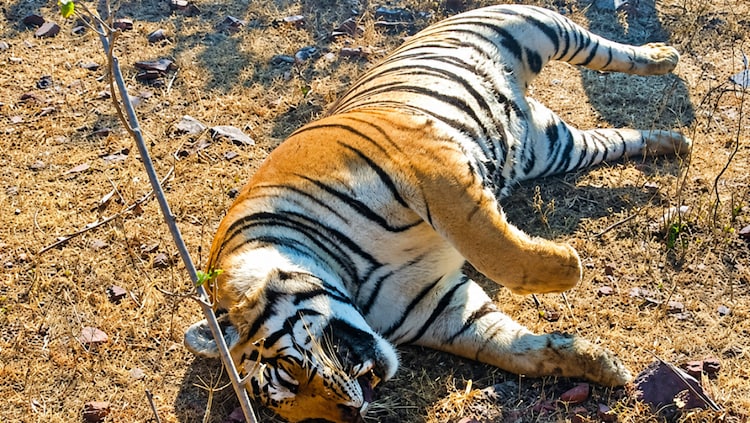
Conservationists say India's tiger numbers remain globally significant, but protecting the species now requires more than safeguarding reserve boundaries.
Strengthening wildlife corridors, reducing habitat fragmentation, preventing disease transmission, improving conflict mitigation and expanding conservation beyond protected areas will be crucial if India's tiger recovery story is to continue in the decades ahead.
- Ends