
Poco X8 Power review: Good looks and monster battery in one package

The Poco X8 Power is Poco's first phone in India with a 10,000mAh battery. A year or two ago, you'd say it's crazy. Not anymore though. India Today Tech reviews.
The Poco X8 Power starts at Rs 35,999 in India.

New Delhi,UPDATED: Sep 7, 2026 15:35 IST
Poco X8 Power review
Pros
- Big battery
- Good display
- IP69K rating
Cons
- Cameras could be better
- Bloatware
Last weekend, a friend called me in the middle of the night for some help. When I decided to leave my house, I picked up the Poco X8 Power –which had about 30 per cent charge at that moment – and did not even think of grabbing a charger. The reason? It has a 10,000mAh battery which gave me the confidence that it won’t leave me hanging.
A year or two ago, a mainstream phone with 10,000mAh battery was a rarity. Not anymore. Realme has two such phones in the market today. Phones with 8,000mAh and 9,000mAh battery are now more common that you’d think. That is good news. If long battery life is your main priority, you’re sorted.
But phones are more than just big batteries. People look at other stuff too. Even more so when a phone like the Poco X8 Power starts at Rs 35,999. This is where this India Today Tech review comes in to give you the full picture.
Poco X8 Power design
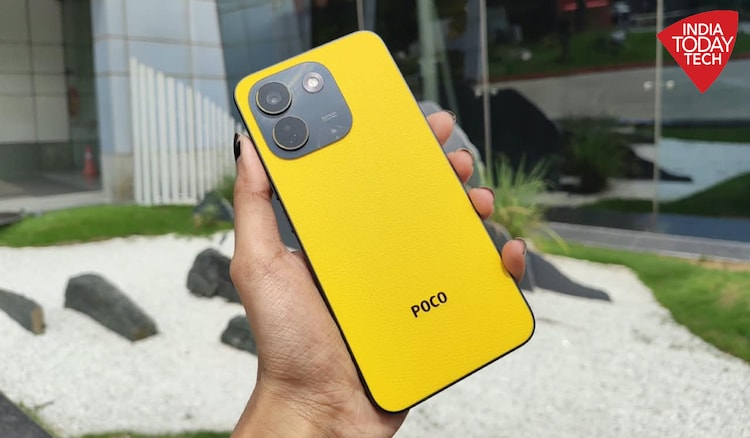
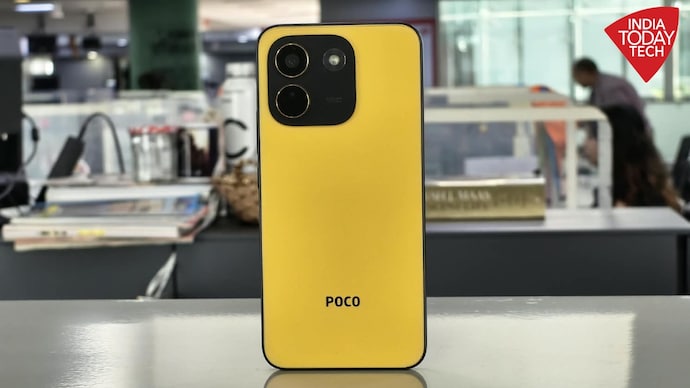
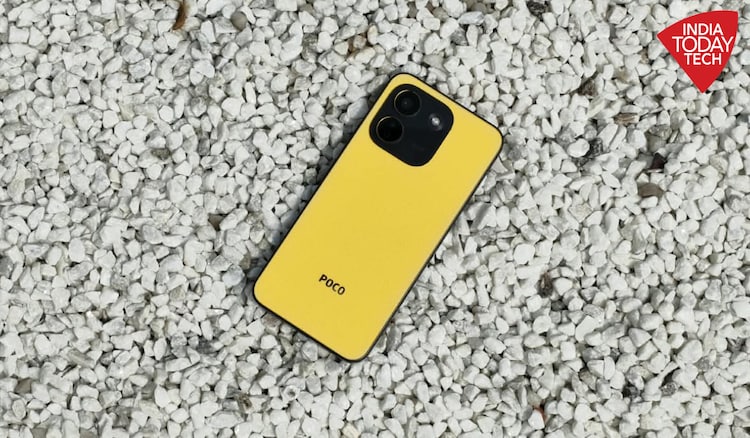
The Poco X8 Power joins the Poco X8 series but takes a different approach in terms of design. You get a square-ish camera module, instead of the pill-shaped design we saw on the X8 Pro and Pro Max. But what will really stand out – particularly in the Poco yellow shade we have here – is the vegan leather finish on the back panel. This gives the X8 Power a unique touch compared to other Poco phones.
The yellow colour also comes with a contrasting black frame and camera module, which really makes heads turn. Though you may want to stick to black if you want a more understated look.
The Poco X8 Power has a thickness of 8.65 mm and weighs 223 grams. In the hand, you will notice the weight of the X8 Power when you first hold it. But given the fact that you get such a large battery, it doesn’t feel too bulky. For reference, the Realme P4 Power has a similar weight, at 219 grams.
For durability, the Poco X8 Power gets up to an IP69K rating for dust and water resistance – the most you can get. This meant that even during the monsoons in New Delhi, I was able to use the device freely outdoors – something that many users may appreciate.
Poco X8 Power display
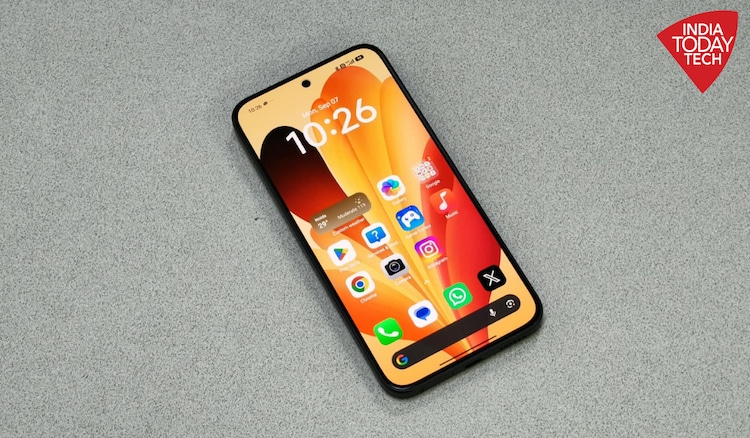
Coming to the front, the Poco X8 Power comes with a 6.83-inch 1.5K AMOLED display with a 120Hz refresh rate. The bezels are quite thin and even all around with no chin at the bottom. The screen is protected by Gorilla Glass Victus 2.
The X8 Power gets up to 3,500 of peak brightness on the display. While using the phone outdoors, visibility was usually not an issue, and the content remains legible. The optical fingerprint reader is also decently quick as far as optical scanners go.
The screen itself is quite punchy. Poco says that it can deliver 100 per cent of the DCI P3 colour gamut. This means that watching movies or streaming videos online is quite fun on the X8 Power. The stereo speakers – with Dolby Atmos support – enhance this experience and can get quite loud at full volume.
You get HDR10 support for Netflix and can play HDR videos on YouTube too.
Poco X8 Power battery

Now, let’s talk about battery life. Like I mentioned at the start of this review, after using the X8 Power for a couple of days, I became quite confident that it could easily last a few hours even with 40 per cent charge. And this was the case during my entire duration with the phone.
The 10,000mAh battery allows you to use the X8 Power carefree. During the week, the device managed to last two days on a single charge. For the most part, I would end up with about 45 to 50 per cent battery left by the end of a workday. This is quite similar to the Realme P4 Power.
For casual use, such as social media, video streaming or calls, this could potentially be a three-day phone for some. While phones like the iQOO Z11 or the Realme P4s also bring quite large batteries, the X8 Power is a step ahead, and you may say goodbye to battery anxiety entirely.
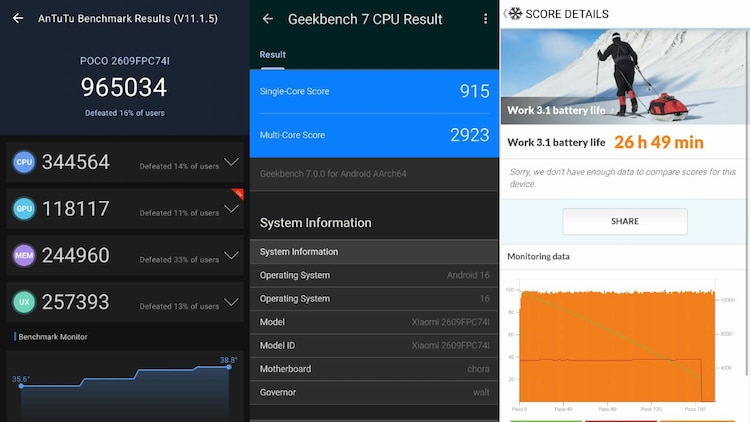
On PCMark’s battery test, the Poco X8 Power scored 26 hours and 49 minutes.
Charging, expectedly, takes some time. Poco ships the X8 Power with a 100W charger in the box. It usually took the device about 90 to 100 mins to fully charge. There is also reverse charging support on the X8 Power – up to 27W. Given the size of the battery, you can easily use the device to charge your friend’s phone if needed.
Poco X8 Power performance

Under the hood, the Poco X8 Power uses the Qualcomm Snapdragon 6 Gen 5 chipset – making it the first phone in India to use this processor. The chipset falls roughly in the range of the MediaTek Dimensity 7400.
Now, the X8 Power is not designed to be an outright gaming phone but it can provide a fairly decent everyday experience.
Apps open quickly, the animations are there, you can switch between apps or open multiple windows. Granted, that while multitasking you may see an odd jitter or two. If you use your phone for light tasks such as scrolling social media or browsing the web, the X8 Power can do the job.
I tried using the cameras on the X8 Power while using navigation and Bluetooth, and the phone can manage it all fairly well. Though during longer durations, it does start to struggle.
In terms of gaming, the Poco X8 Power can play up to 90FPS on Call of Duty Mobile. While it does not get too warm even after a few gaming rounds, frame rates do fluctuate somewhat. Lighter games, like Asphalt Legends, work well though.
To give you some context, today no new phone at this price can really be called a performance-oriented device. For instance, the Nothing Phone 4b – which starts at Rs 39,999 at the time of writing – uses the Snapdragon 6 Gen 4 SoC, while the newly launched iQOO Z11 uses the MediaTek Dimensity 7500.
In terms of benchmarks, the Poco X8 Power scores just under a million on AnTuTu 11. On Geekbench 7, the device scored 915 points in single-core and 2,923 points in multi-core.
One thing you should note though, is that while the X8 Power gets LPDDR5X RAM across variants, only the 256GB model gets UFS 4.1 storage. The 128GB variant gets slower UFS 2.2.
Poco X8 Power cameras

Moving to optics, the Poco X8 Power comes with a dual rear camera setup – you get a 50-megapixel Sony IMX882 sensor, paired with an 8-megapixel ultrawide. You get the same main sensor on devices like the iQOO Z11.
The main sensor, I found, could get some decent shots in the right lighting. The details are sharp, the skin tones are fairly accurate. Though sometimes, the colours come out too boosted. You also get some smoothening of the skin in portrait mode. While it can do the job, don’t expect to find yourself to be surprised with every image you take.
The 8-megapixel ultrawide can deliver you decent shots and are fine for some occasional clicks.
The X8 Power gets a 16-megapixel selfie shooter. While the phone does beautify images, smoothens skin tones, many would find such shots appealing, particularly for social media. Though you can turn the beautification off. In portrait, the edge detection also worked fairly consistently.
Click on any image below to view the entire gallery
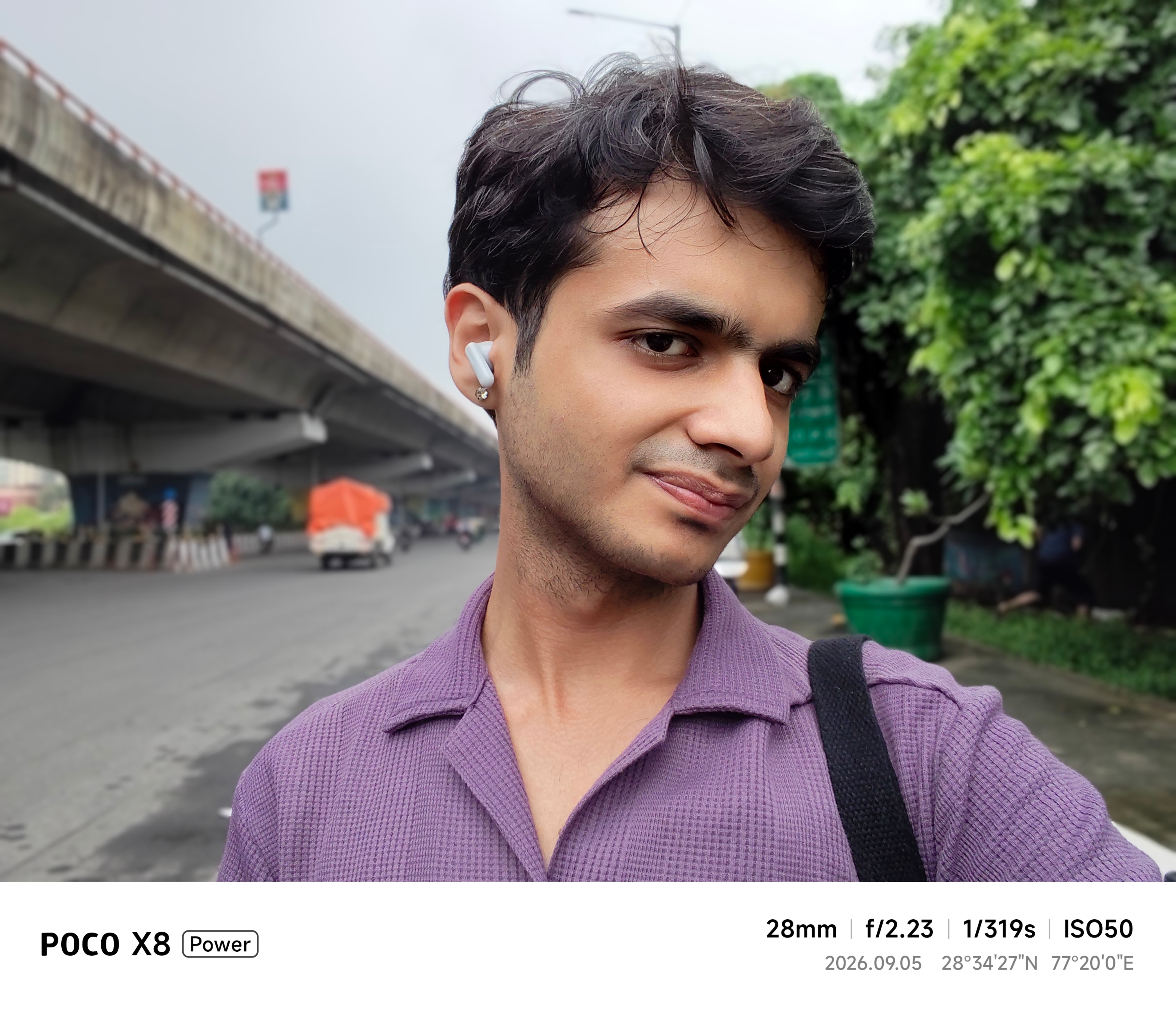
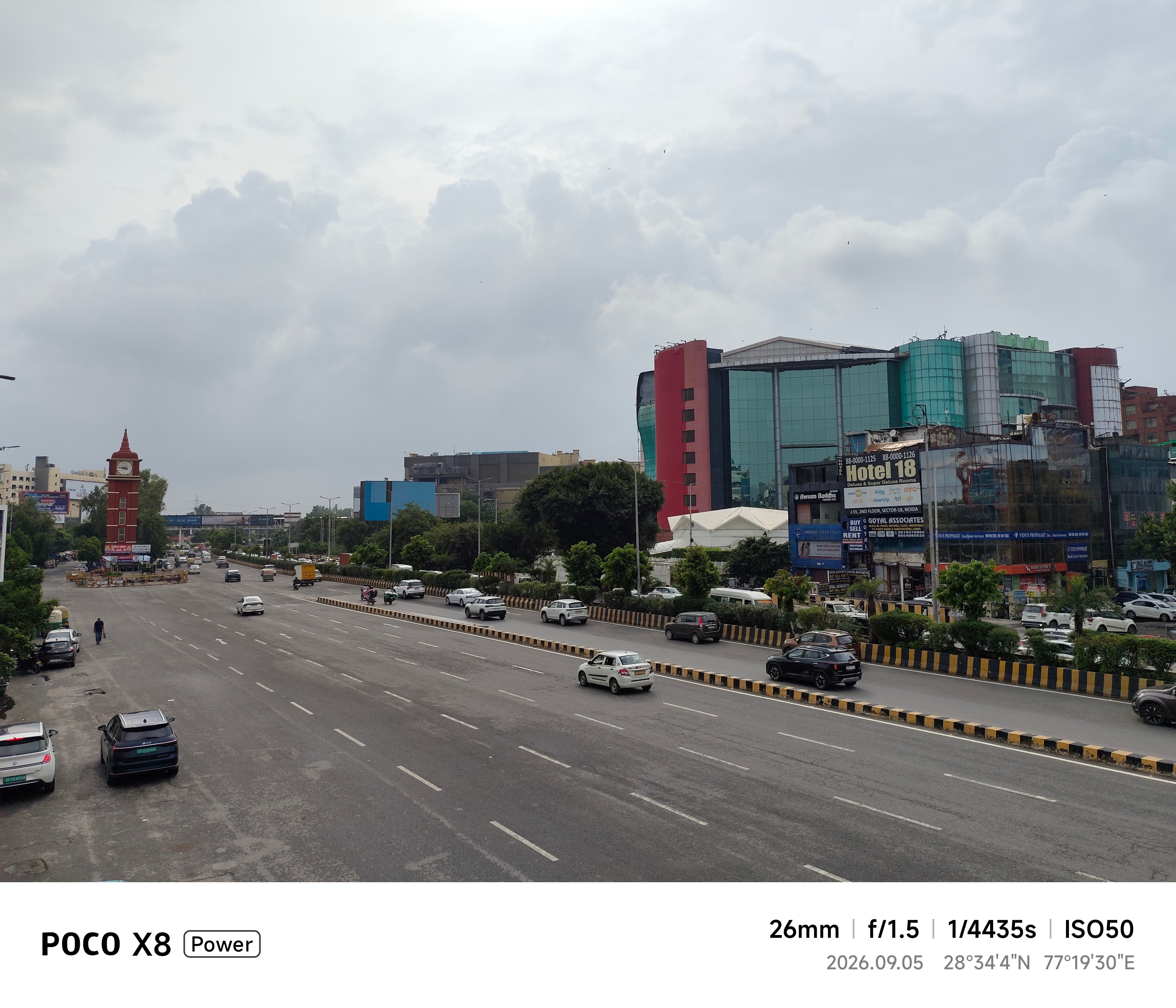
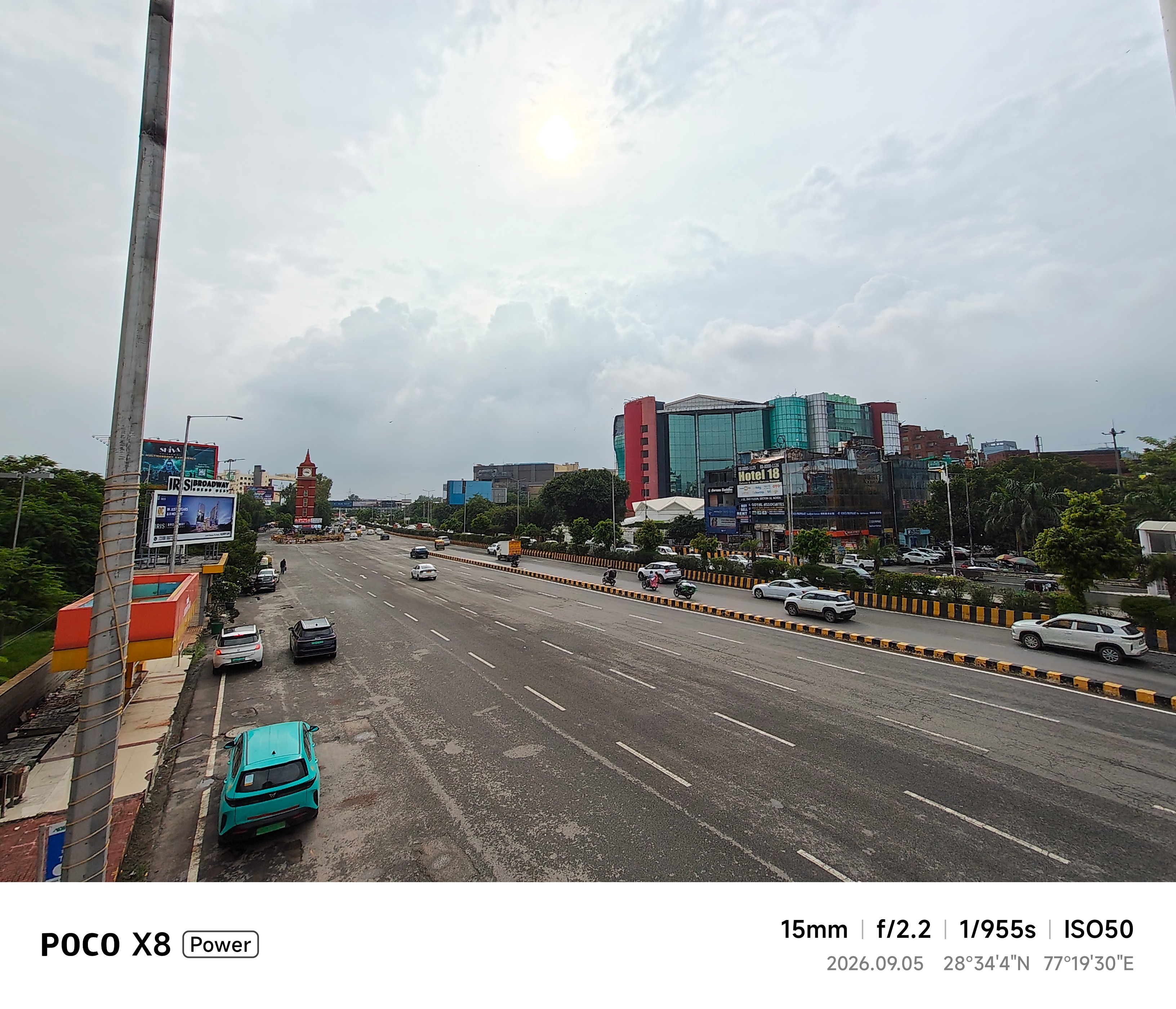



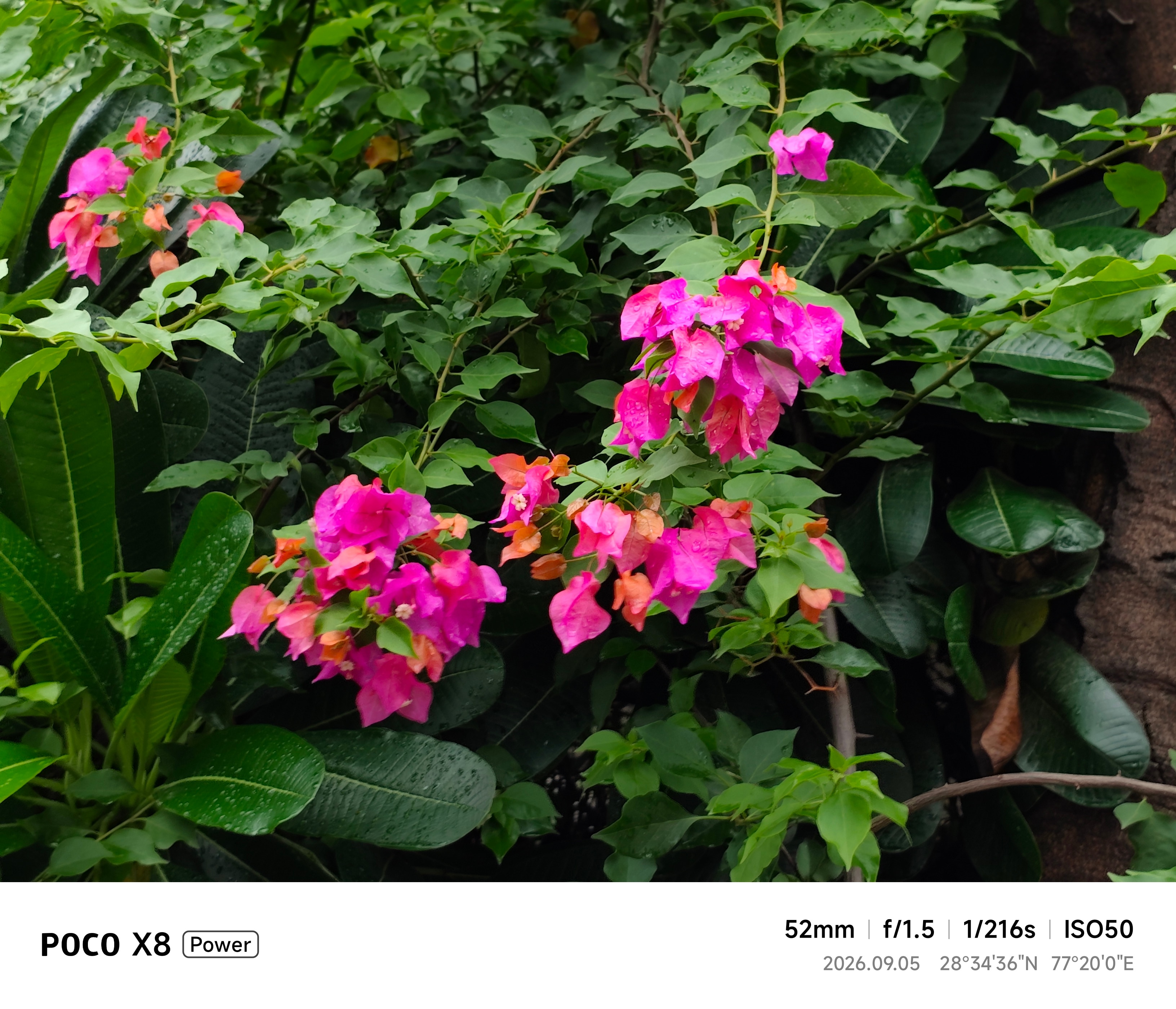
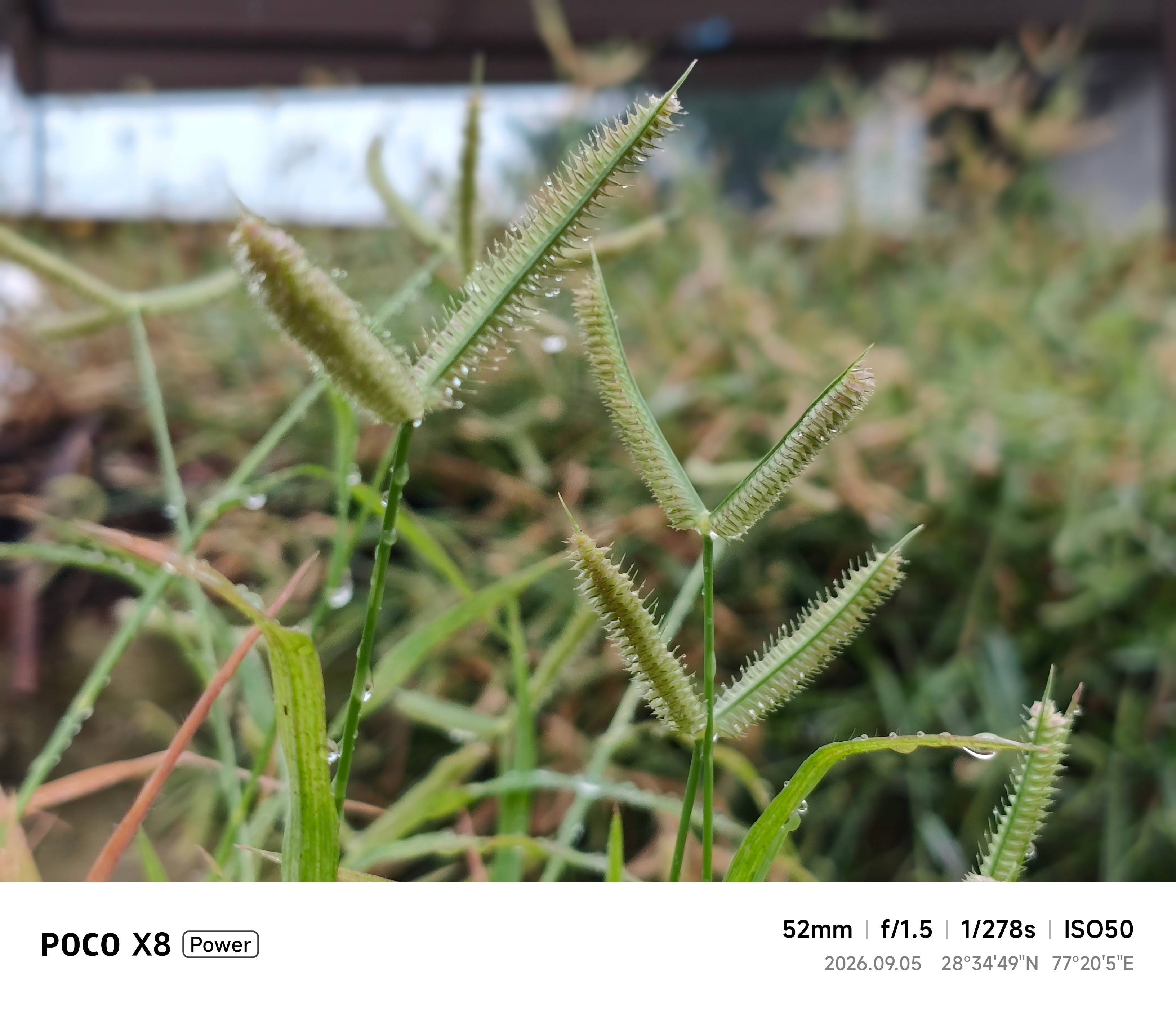

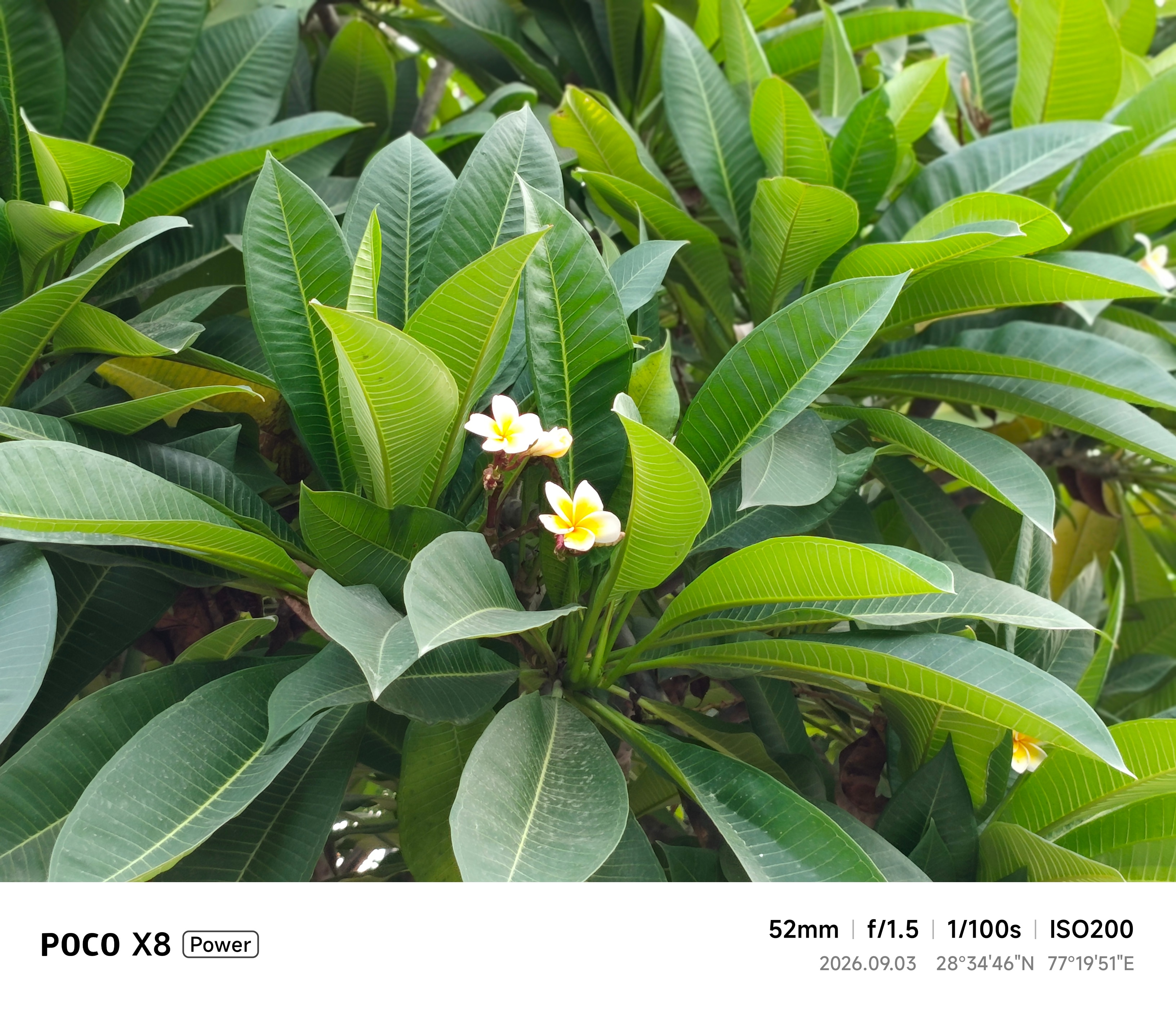


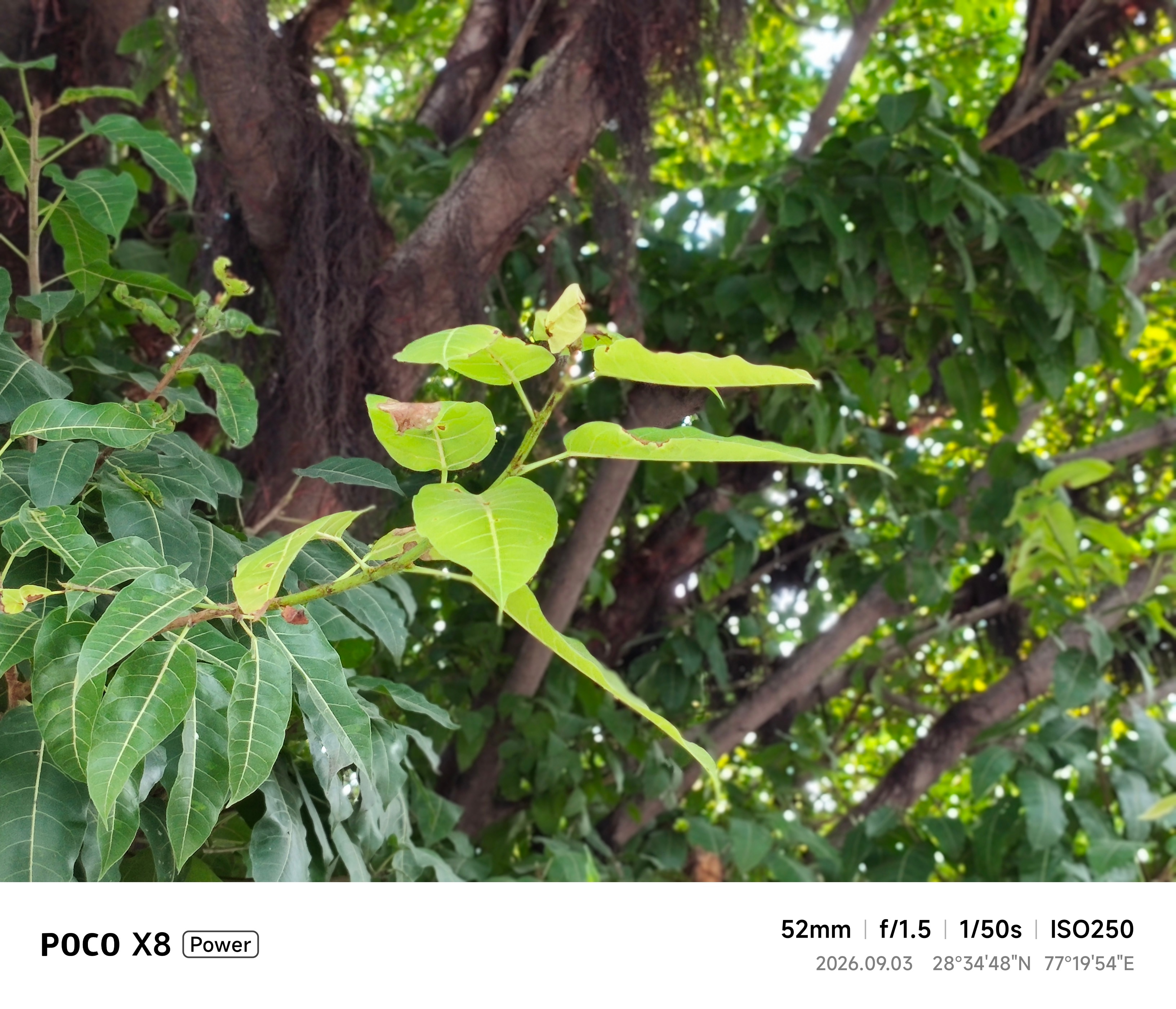
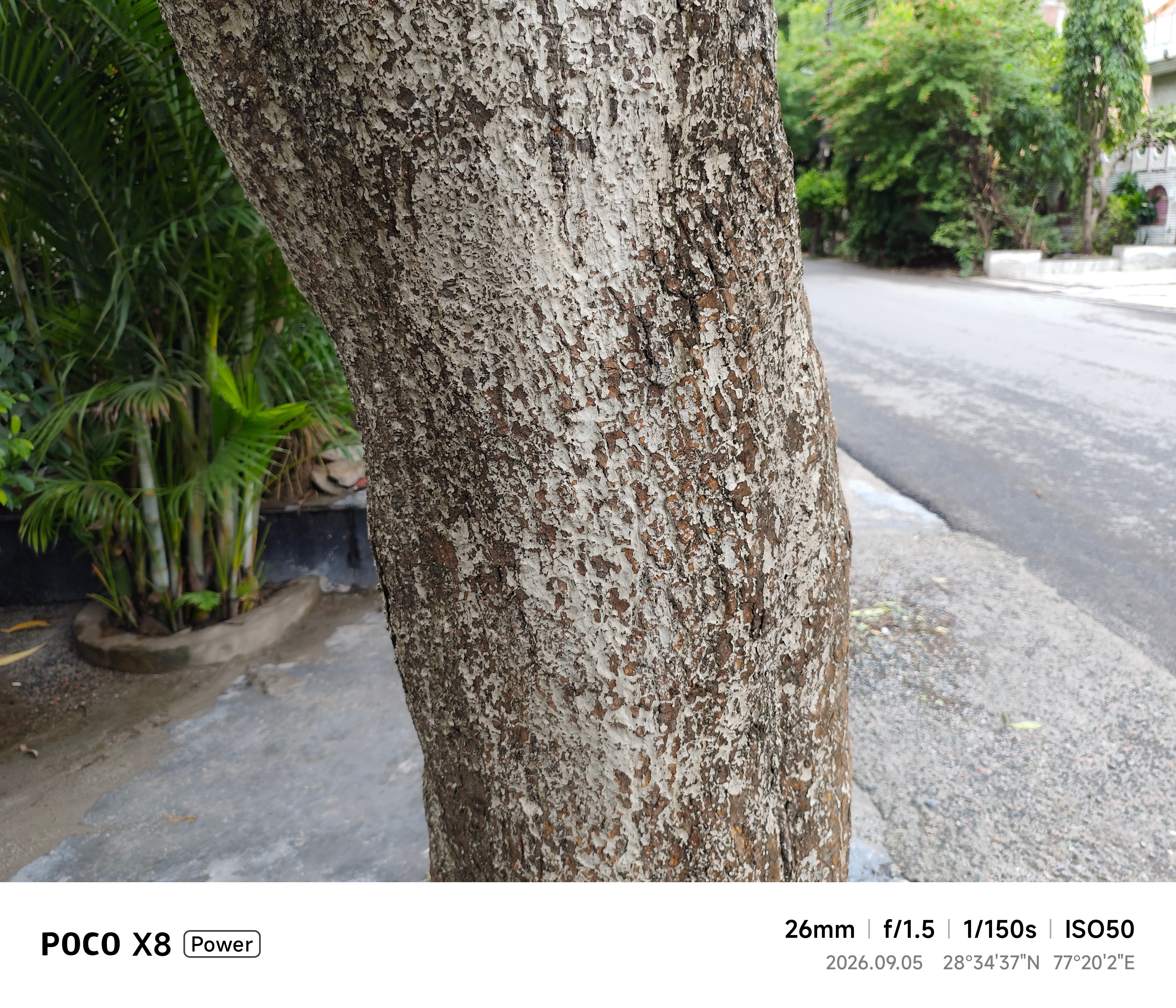
For videos, you get up to 4K 30FPS support on the main sensor with optical image stabilisation (OIS). The footage from this sensor is decent and does the job for those looking to capture moments or create Reels. You also get 4K 30FPS support on the selfie camera and the footage is not bad either. The ultrawide, however, can only record 1080p at 30FPS.
Poco X8 Power user experience

The Poco X8 Power runs on HyperOS 3 based on Android 16. For anyone who has used a Xiaomi or Poco device, the UI will feel quite familiar. You get the Poco launcher and themes to play around with. You also get a bunch of customisation options for the lockscreen. While ColorOS does have more options to tinker around with, you will not feel bored here either.
One thing I did notice was that sometimes notifications were delayed when the device was locked – likely due to aggressive RAM management. This only happened a couple of times, but you may want to keep this in mind.
And there is some bloatware. When you set up the Poco X8 Power, you get a bunch of preinstalled apps. Most of these can be uninstalled, apart from the Indus Appstore. Glance lockscreen is turned off by default. You also get AI features such as Circle to Search.
Poco is promising 4 years of OS updates and 6 years of security patches for the X8 Power. This would take the device all the way to Android 20 which is good to see.
The Poco X8 Power also gets support for Xiaomi Offline Communication. This allows you to make calls with nearby Xiaomi (and Poco) devices via Bluetooth, in case there is no cellular network.
Poco X8 Power verdict: Is it worth it?
So now that we have discussed everything about the Poco X8 Power, where does the device stand in the ever-changing smartphone market? The X8 Power gets a lot of things right. The battery life is the highlight and the display feels immersive. And the IP69K rating gives you a piece of mind.
The device does have some quirks. The cameras could’ve been better, and the performance does feel a hit or miss sometimes. But given the RAM situation, the X8 Power delivers on its promise – a decent package with a massive battery that makes you confident of leaving the house on most occasions without having to look at the battery icon.
But who is the Poco X8 Power for? It is a device suited to those who usually have long workdays or travel a lot. In such cases, this peace of mind can do wonders. But if battery life isn’t the biggest priority for you, you can get better options that can still deliver decent battery life.
On a sidenote, given the fact that the 128GB model only gets UFS 2.2 storage, instead of UFS 4.1, it may be better if you pick the latter, which is priced at Rs 38,999.
- Ends