Vietnamese crab exporter

Topic

Advertisement
TOPIC

Air Pollution

Have you noticed how some mornings the air feels heavy or dusty? That’s air pollution. Basically, it’s when harmful things like smoke, dust, tiny particles, and chemicals get into the air we breathe. It comes from cars, factories, burning fuels, construction sites, and sometimes even wildfires.

The worst part? You can’t always see it. Tiny particles, called PM2.5, are sneaky. They go deep into your lungs and even into your blood. No wonder people cough, wheeze, or get headaches when the air is bad. Kids, older folks, and people with asthma or heart problems feel it first and worst.

Air pollution doesn’t just hurt people. Animals suffer too. Plants and trees get damaged. Lakes and soil can get polluted. And cities? Sometimes they’re covered in thick smog, making it hard to even go outside.

But here’s the thing: there’s stuff we can do. Walk or cycle instead of driving if you can. Use public transport. Plant trees. Save electricity at home. On bad days, wear a mask, keep windows closed, or just take it easy outside. Governments also have a role, like controlling factory emissions and promoting clean energy.

Air might be invisible, but it’s everywhere, and it affects everything our health, our mood, the planet. Paying attention to it, and making small changes, actually makes a big difference. Every little step helps.

So yeah, air pollution is serious. But knowing about it and acting on it? That’s something we can do.

Follow Air Pollution on

  • ALL
  • STORIES
  • VIDEOS

STORIES

I went to Delhi's biggest firecracker market twice in 2 days. This is what I found

The Supreme Court has allowed only certified green crackers in Delhi-NCR, but is anyone checking what is actually being sold? India Today Digital's ground check at Delhi's biggest cracker market, Sadar Bazar, found questionable products, clueless sellers and security personnel who looked more interested in buying crackers than in enforcing the SC-mandated rules.

Load More

VIDEOS

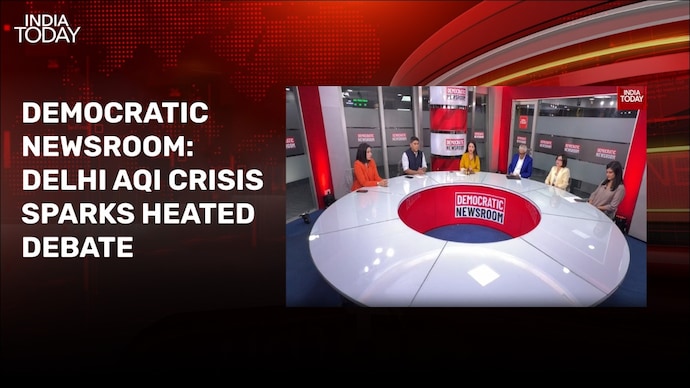
Delhi Air Crisis: SC Flags Gifting Culture, Vehicular Emissions and Farm Fires

A three-judge bench of the Supreme Court, headed by Chief Justice of India Surya Kant and comprising Justices Joymalya Bagchi and V. Mohana, heard a suo motu case on Delhi-NCR's worsening air pollution. The court questioned the growing commercialisation and elite gifting culture around Diwali, pointing out that heavy private vehicle movement, including large SUVs carrying single occupants, severely exacerbates traffic congestion and vehicular emissions. While the Centre cited a drop of over ninety percent in stubble burning cases across Punjab and Haryana between 2021 and 2026, the bench highlighted that vehicular fumes remain the largest contributor outside the farm fire window. Calling for a practical approach, the bench urged authorities to support farmers financially and deploy crop residue management machinery through gram panchayats rather than relying solely on enforcement. The hearing also touched upon previous directions regulating firecrackers to designated hours and silence zones around hospitals and educational institutions.

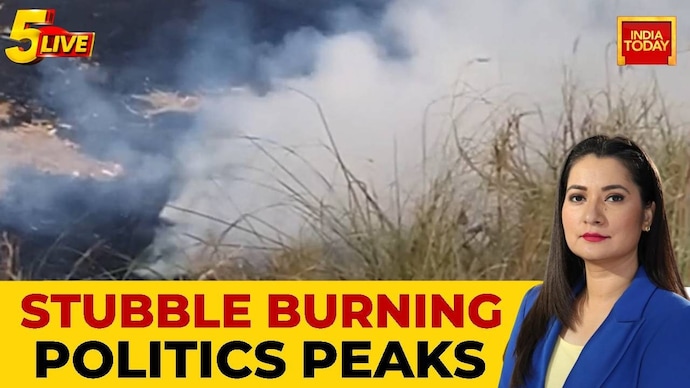
Delhi-Punjab Political Row Over Farm Fires; Smog Hits NCR as Stubble Burning Continues

A political showdown has escalated between Delhi and Punjab over persistent stubble burning and worsening air quality across the National Capital Region. Delhi Environment Minister Manjinder Singh Sirsa shared satellite map illustrations highlighting active farm fire clusters across Punjab districts, including Tarn Taran, Sangrur, Patiala, and Ferozepur. Data revealed that Punjab recorded 2,787 farm fire cases by 5 November, reflecting a steep rise from previous days despite administrative penalties and machinery distribution. While farm fires show a long-term decline compared to earlier years, recurring smoke continues to severely deteriorate early morning air quality in Delhi NCR, drawing scrutiny over enforcement and inter-state coordination.

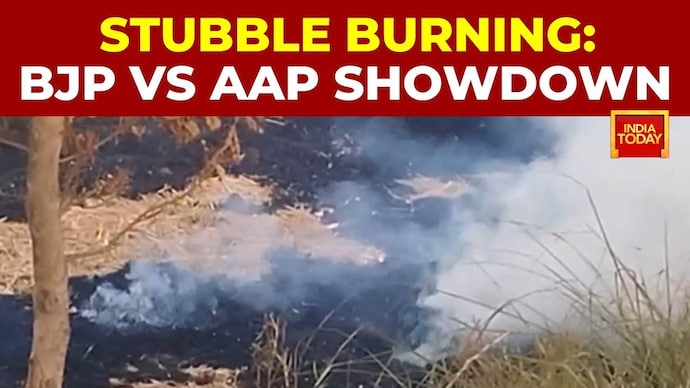
Delhi-Punjab Political Row Over Farm Fires, Rising AQI & Satellite Stubble Count

A political showdown has escalated between the Delhi and Punjab governments over deteriorating air quality and stubble burning in North India. Delhi Environment Minister Manjinder Singh Sirsa targeted the Aam Aadmi Party-led Punjab government and Chief Minister Bhagwant Mann, presenting satellite fire count maps to highlight rampant farm fires across districts such as Tarn Taran, Sangrur, Firozpur, and Bathinda. The Delhi administration maintained that while local air quality management steps were executed, transboundary smoke continues to impact Delhi NCR. Ground reports from Punjab revealed that the state's active stubble burning incidents climbed to 2,787, showing an increase of around 400 cases within 24 hours. The Punjab administration defended its measures, pointing out the recovery of 46 lakh rupees in penalties, the registration of 710 FIRs, and the distribution of crop residue management machinery. However, heavy smog was reported from several agrarian belts, raising questions regarding the effectiveness of alternate residue disposal mechanisms provided to farmers.

Delhi Pollution: Supreme Court Flags Vehicular Emissions, Diwali Gifting Traffic & Stubble Burning

The Supreme Court of India has raised sharp concerns over deteriorating air quality in Delhi-NCR ahead of Diwali, questioning the central government on vehicular emissions and stubble burning. While noting a reduction in farm fire incidents compared to previous years due to the provision of harvesting machinery, the top court highlighted practical challenges such as the affordability of fuel for farmers. The court suggested involving gram panchayats to pool resources and hire equipment collectively. Turning to vehicular pollution, identified by the Commission for Air Quality Management as the primary year-round contributor, the bench flagged traffic snarls worsened by commercialisation and excessive Diwali gifting by the elite. The bench also addressed commercial vehicle congestion at toll collection booths, the health impact on schoolchildren, and projections that air quality may hover in the severe category until January. Additional Solicitor General Aishwarya Bhati presented data showing farm fire cases have decreased, while the court stressed community awareness and administrative action to curb the crisis.

Delhi Air Quality In Severe Zone; Farm Fires Rise In Punjab Ahead Of Diwali

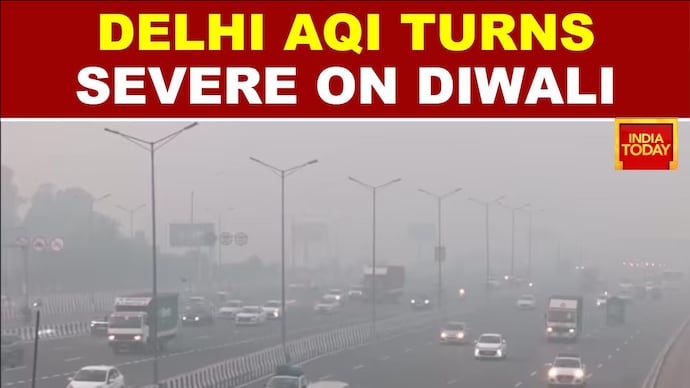
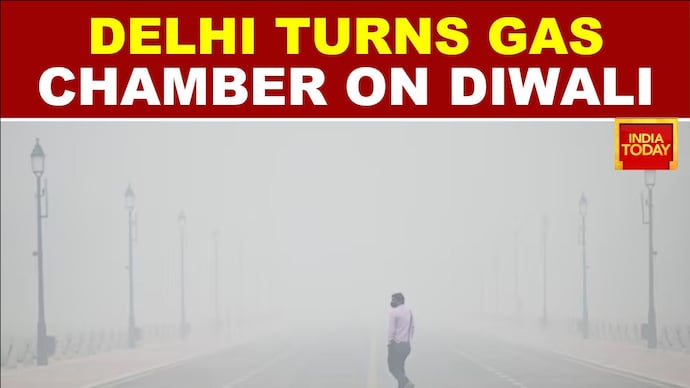
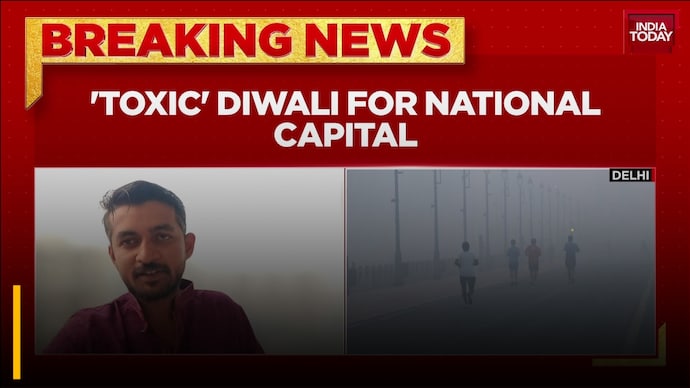
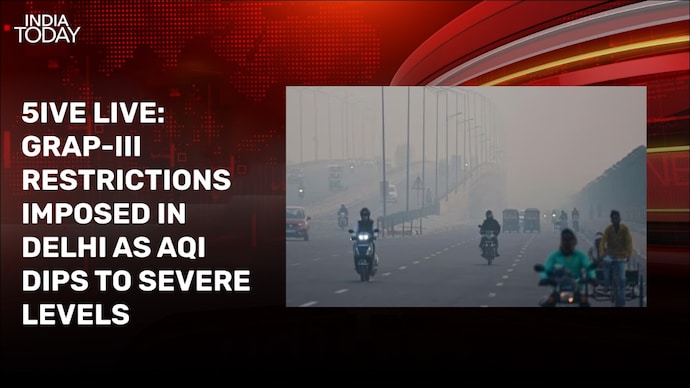
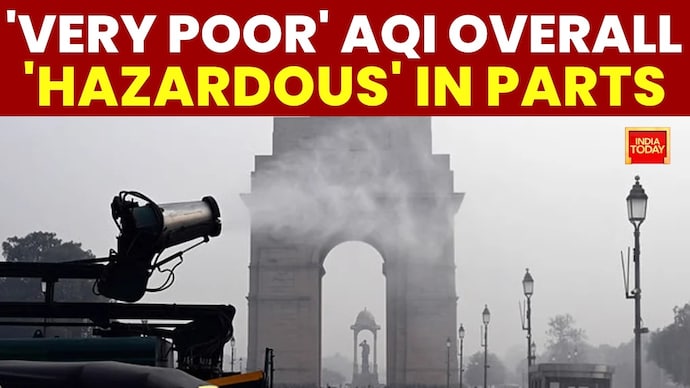
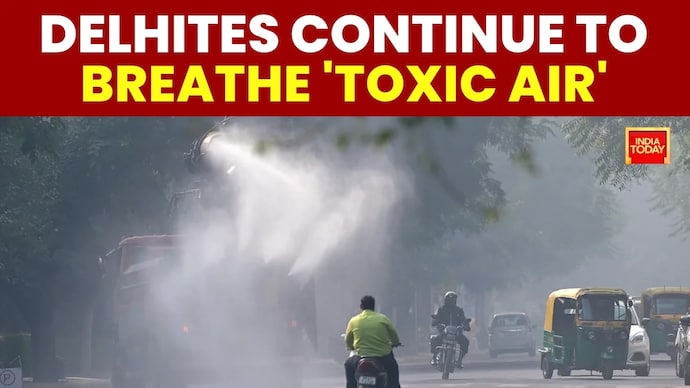
Air quality across the national capital remained in the severe and hazardous category ahead of Diwali, with multiple monitoring stations recording an Air Quality Index crossing the 400 and near-500 mark. Areas including Rohini and IIT Delhi recorded severe levels above 470, while thick layers of smog reduced visibility across landmarks such as the Akshardham temple. Health advisories highlighted severe risks of respiratory distress, particularly for children and the elderly. Meanwhile, ground data revealed over 2,700 farm fire cases registered in Punjab till November 5, with Tarn Taran district recording the highest number of stubble burning incidents. Political contention intensified over agricultural fires as authorities face persistent challenges in checking seasonal pollution levels. The toxic atmospheric conditions also led to sporting disruptions, including the shifting of the India-Sri Lanka ODI from Delhi to Visakhapatnam due to hazardous weather conditions.

Delhi AQI Breaches 500 Mark Ahead Of Diwali; India-Sri Lanka ODI Moved Out

Delhi and the National Capital Region continue to reel under severe and hazardous air quality ahead of Diwali, with average Air Quality Index levels crossing the 500 mark. Dense smog enveloped parts of Delhi and Noida, with monitoring stations in Rohini and Punjabi Bagh recording AQI readings of 473 and 464 respectively. Calm wind conditions and geography have trapped pollutants from local and external sources, rendering measures under the Winter Action Plan and Graded Response Action Plan Stage 2 inadequate on the ground. The worsening air quality has also disrupted sporting fixtures, prompting the Board of Control for Cricket in India to shift the first One Day International between India and Sri Lanka from Arun Jaitley Stadium in Delhi to Visakhapatnam. The move recalls the December 2017 Test match where visiting Sri Lankan players wore masks and experienced respiratory distress. Experts and ground reports emphasize the absence of preventive, long-term interstate planning between the Centre and states to curb the seasonal pollution crisis.