Vietnamese crab exporter

Topic

Advertisement
TOPIC

Budget

A budget is a formal financial document that outlines how a government intends to raise and spend funds over a predetermined time frame, typically a year. One of the most significant government policy papers in India is the Union Budget, which is delivered to Parliament by the Finance Minister. It provides a clear picture of the priorities and economic direction of the nation.

Revenue and spending make up the two primary sections of the budget. Revenue comes from both non-tax sources such dividends and fees and taxes like income tax, corporate tax, and GST. Expenditure demonstrates how the government intends to use these funds for things like infrastructure, welfare programs, health, education, defence, and interest payments.

The budget intends to foster economic growth while balancing revenue and spending. Tax policy is another important component of the budget. It determines tax rates, exemptions, and compliance guidelines that have an impact on people, companies, and investors. Tax changes have a direct impact on household savings, investment choices, and consumption, which is why both markets and citizens actively monitor the budget.

The fiscal deficit, or the difference between government revenue and expenditure, is another goal set by the budget. According to economic experts cited in major media, managing this imbalance is crucial to keeping inflation under control and preserving economic stability.

All things considered, the budget is more than just an accounting exercise. It represents the government's long-term development objectives, social commitments, and economic philosophy. Its statements may have an effect on public services, employment, prices, and general economic confidence.

  • ALL
  • STORIES
  • VIDEOS

STORIES

Load More

VIDEOS

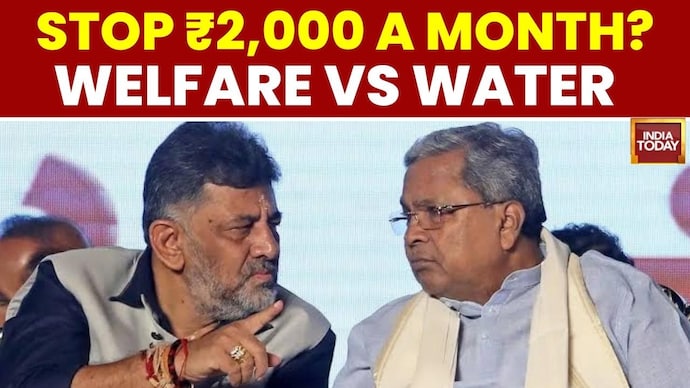
Gruha Lakshmi Pause Row: Congress MLC Suggests Shifting Funds To Irrigation Projects In Karnataka

A political debate erupted in the Karnataka legislature after Congress MLC Tippannappa Kamaknoor proposed a one-year pause on the Gruha Lakshmi guarantee scheme to divert funds towards stalled irrigation projects. Under the scheme, women heads of households receive a monthly stipend of 2,000 rupees. The MLC claimed that nearly half the funds are being wasted, pointing out that payments have continued even to deceased beneficiaries while farmers in the state face distress and urgently require assistance. When questioned by the Speaker on suggesting the suspension of a key election guarantee, the MLC defended his stance, asking what alternative remained to fund essential irrigation. While the opposition Bharatiya Janata Party raised questions over the administration of guarantee schemes amid cash crunch concerns, the Karnataka government reiterated that there is no proposal to discontinue or withdraw its flagship welfare initiative.

Political Row Erupts in Indore Over Rahul Gandhi's Remarks at Student Event as Mohan Yadav Hits Back

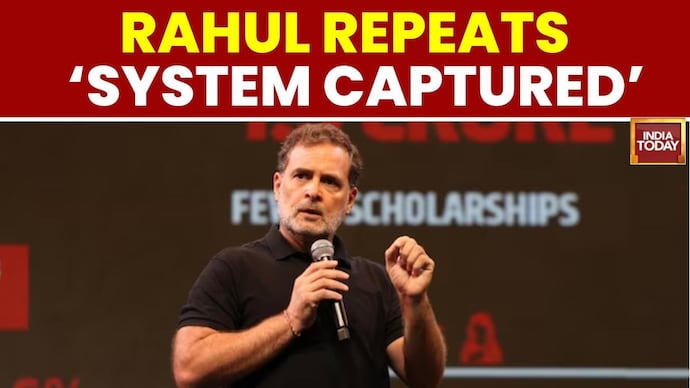
A major political row has erupted following Lok Sabha Leader of Opposition Rahul Gandhi's address at the 'Chhatro Ki Goonj' student interaction event in Indore. Criticising the central government and the education system, Rahul Gandhi alleged that the system prefers unquestioning followers over inquisitive students and claimed that funding for education has been significantly curtailed under the current dispensation. He further alleged institutional capture by the Bharatiya Janata Party and the Rashtriya Swayamsevak Sangh, stating that students across the country are facing intense pressure. Responding to the remarks, Madhya Pradesh Chief Minister Mohan Yadav rejected the allegations, terming the event an effort to mislead the public and spread falsehoods. Yadav accused the Congress party of lacking seriousness on youth issues and failing to support students historically. The exchange marks the latest flashpoint between the two parties surrounding student outreach initiatives.

Hanuman Ansh Box Office Success, Neem Karoli Baba Film & Next Tulsidas Project

A special broadcast highlights the box office run of the devotional film Hanuman Ansh, made on a budget of about two crore rupees, which crossed 231 crore rupees in India net collection and over 272.9 crore rupees in India gross by day 40. The film's director, Dr Vishal Chaturvedi, discussed how word-of-mouth publicity, spiritual devotion, and audience support across generations propelled the film after opening to just 10 lakh rupees. Chaturvedi detailed his spiritual inspiration drawn from Neem Karoli Baba at Kainchi Dham, which shaped the movie's narrative and music, including Bundelkhand folk traditions. Addressing the refusal by major streaming services, he expressed disappointment over the initial rejection of Neem Karoli Baba's story, noting the saint's global influence on figures like Steve Jobs and Mark Zuckerberg. Chaturvedi also emphasised the immense potential of clean, family-oriented cinema rooted in Indian civilization and culture, and shared plans for his upcoming project focusing on Goswami Tulsidas.

ABVP Sweeps DUSU Polls, BJP-Congress Clash; Rahul Gandhi Targets Govt

The Akhil Bharatiya Vidyarthi Parishad (ABVP) registered a major victory in the Delhi University Students' Union (DUSU) elections, securing three of the four central panel positions, while the Congress-backed National Students' Union of India (NSUI) failed to win any central posts. The election outcome ignited a political row between the Bharatiya Janata Party and the Congress. The BJP credited the victory to youth faith in the vision of a developed India, while the Congress alleged counting irregularities and demanded an inquiry into malpractice. Concurrently, Congress leader Rahul Gandhi addressed students in Indore, alleging that the education system has been captured by the ruling establishment and that central education budget allocations have declined. The bulletin also features reactions from the newly elected DUSU panel members on campus safety and student welfare, alongside an independent candidate who secured a record-breaking victory.

Samrat Choudhary: 'यह बदला हुआ बिहार है'

In an interview, Bihar Chief Minister Samrat Choudhary presented his 150-day governance report card, highlighting achievements in education, industrial land allocation, and public grievance redressal. Choudhary stated that under his government, 700 model schools have been established catering to approximately 3.5 lakh students, supported by the 24/7 Vidyarthi Sathi application. He pointed out the launch of 211 degree colleges in a single day and noted that nearly 1,000 industrial units were provided land. Explaining Bihar's economic progress, he remarked, "यह बदला हुआ बिहार है," highlighting energy subsidies of ₹23,000 crore and 125 units of free electricity for over 1.9 crore families. Choudhary also detailed the Sahyog program, stating that over 8.5 lakh public grievances were received with a 96 percent resolution rate. Addressing the BJP's electoral loss in Bankipur, he acknowledged the public mandate and dismissed claims that it was a referendum on his leadership, maintaining that the NDA alliance holds a stable majority with 122 MLAs in Bihar.

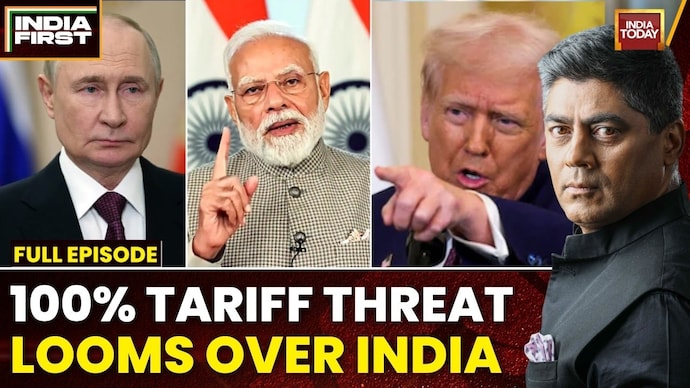
US House Passes Russia-Iran Sanctions Bill; 100% Tariff Threat on India Crude; New Delhi Reacts

The United States House of Representatives has passed the Lindsey Graham Sanctioning Russia and Iran Act of 2026, sending legislation to President Donald Trump that enables tariffs of up to 100 percent on major buyers of Russian crude oil and natural gas, including India and China. In response, the Ministry of External Affairs affirmed India's commitment to securing energy supplies through diversified sources while communicating bilateral and market implications to US interlocutors. Amid geopolitical developments and Russian crude accounting for 51.1 percent of Indian oil imports in July 2026, Chief Economic Advisor Dr V Ananth Nageswaran and Union Minister Kiren Rijiju examined India's economic trajectory and governance roadmap toward Viksit Bharat by 2047. Discussion points included banking sector balance sheet reforms, capital expenditure expansion, the Production Linked Incentive scheme, trade agreements, and administrative strategies under Prime Minister Narendra Modi.

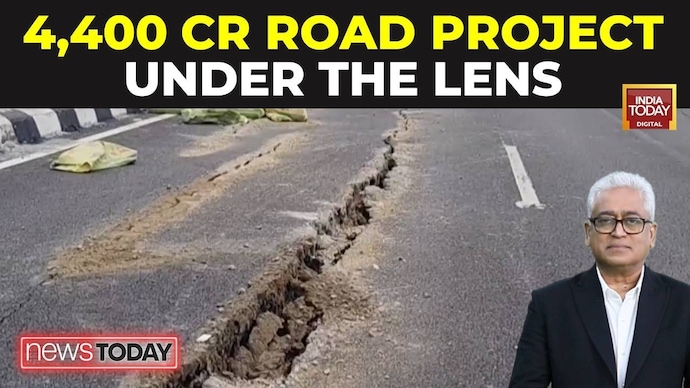
Ram Van Gaman Path Develops Cracks Before Inauguration in Prayagraj

A section of the under-construction Ram Van Gaman Path, a 210-kilometre highway project connecting Ayodhya to Chitrakoot, has developed significant cracks and cave-ins in the Nawabganj area of Prayagraj before its completion. Local residents alleged widespread corruption, highlighting ten-foot-deep craters, broken dividers, and fatal accidents caused by soil erosion and poor drainage. Officials stated that repair work commenced after videos surfaced online, attributing the subsidence to water accumulation. Uttar Pradesh Deputy Chief Minister Keshav Prasad Maurya downplayed the incident, noting road settlement during heavy rainfall is normal, while promising action if quality issues are found. The highway project has an allocated budget of 4,400 crore rupees.

Dedicated Freight Corridor Project Completed, Manufacturing and Clean Energy Boosted in Vadodara

Over 2,800 kilometres of the Dedicated Freight Corridor project have been completed, establishing a key backbone for trade and transport across eastern and western India. Daily operations now see over 430 freight trains running on these dedicated tracks, significantly reducing travel time and operational costs while expanding connectivity for farmers and industries. Key infrastructure advancements include double-stack container operations from JNPT to Vadodara and the introduction of new rail routes connecting tribal regions across Gujarat, Madhya Pradesh, and Maharashtra. Alongside transport infrastructure, manufacturing capabilities have expanded with indigenous military transport aircraft production, over 50,000 modern rail coaches built since 2014, and floating solar projects boosting domestic renewable capacity. To support youth empowerment and future industrial demands, new initiatives focus on free online coaching for competitive exams and skill development in artificial intelligence and emerging technologies.

Dedicated Freight Corridors, Railway Expansion And Vadodara Manufacturing Push

Dedicated Freight Corridors are operating over 430 goods trains daily, reducing freight transit times by more than half compared to road transport while cutting logistics costs, fuel consumption, and emissions. The enhanced corridor network enables farmers across eastern and western India to deliver perishable produce, including fruits, vegetables, and flowers, rapidly to major wholesale markets. The operation of double-stack container trains from Mumbai's Jawaharlal Nehru Port Trust to Vadodara carries cargo equivalent to over 250 trucks in a single trip. Rail connectivity has expanded into previously underserved tribal regions across Gujarat, Madhya Pradesh, and Maharashtra, backed by a record annual railway budget exceeding 2.75 lakh crore rupees. Large-scale investments in rail, roads, metro systems, and airports continue to generate substantial employment and stimulate regional enterprise. Vadodara has advanced into a prominent manufacturing and industrial hub, progressing from textiles, petrochemicals, and small enterprises to producing the nation's first domestic C-295 military transport aircraft.

India Overcomes Reactive Panipat Syndrome With Proactive Defence Policy

India has transitioned from a historically reactive defence posture, previously termed the Panipat syndrome, to a proactive national security framework. The nation gained entry into the Missile Technology Control Regime in 2016, enabling the extended operational range of BrahMos missiles. Indigenous defence production has expanded from approximately Rs 40,000 crore under the previous administration to Rs 1.80 lakh crore, alongside defence exports reaching Rs 38,500 crore across more than 100 nations. Modern military hardware inducted includes the Akashteer air defence control system, Pinaka rocket launchers, Astra missiles, Tejas fighter jets, and the aircraft carrier INS Vikrant. The national defence budget increased from Rs 2.5 lakh crore to nearly Rs 8 lakh crore over the past twelve years, while border infrastructure funding grew by 400 percent. In addition, initiatives such as the repeal of Article 370 and multilateral leadership in the International Solar Alliance, G7 dialogues, and the G20 New Delhi Leaders Declaration reflect expanding strategic and civilisational influence globally.

CM Vijay's Assembly Speech: 'The law is supreme', says Sasirekha

A panel discussion reviews Tamil Nadu Chief Minister Vijay's address in the Legislative Assembly and the political confrontation between TVK and DMK. Senior journalist Sandhya Ravishankar notes that the Chief Minister is shaping Tamil Nadu politics into a bipolar contest between DMK and TVK while pointing out unresolved issues concerning power cuts, milk production, and TASMAC. Political analyst Muralikrishnan Chinnadurai argues that the speech leaned on rhetoric and failed to address current governance challenges, funding allocations, and law and order issues. TVK spokesperson Sasirekha defends the address, stating, 'As per TVK government and as per our CM Vijay sir, it's the law is supreme.' She asserts that the Chief Minister highlighted DMK's past governance records and financial scandals, adding that preparations are underway for the upcoming monsoon under the public works department minister. The panel also examines the electoral impact of the speech on Gen Z and women voters across Tamil Nadu.

Assembly Ruckus During CM Address, Speaker Warns MLAs, Forest Dept Schemes Announced

High drama unfolded in the Legislative Assembly as proceedings witnessed disruptions and commotion during the Chief Minister's address. The Speaker pulled up protesting members for violating house rules, attempting to create chaos, and trying to obstruct the proceedings. Pointing out that assembly sessions are broadcast live to the public, the Speaker asserted that threats and disorder would not be permitted and reiterated that opportunities to speak are granted only when members maintain order and adhere to house conventions. Despite requests regarding permission for opposition floor leaders to respond, the Chair stressed the supremacy of assembly rules in regulating speeches. Following the commotion, the House proceeded with official government business, during which the Forest Minister announced several key departmental initiatives. These included a special tree conservation and genetic improvement project, an increase in compensation amounts for human-wildlife conflict damages, introduction of solar-powered boats, and the distribution of smart identity cards for forest staff bus travel.

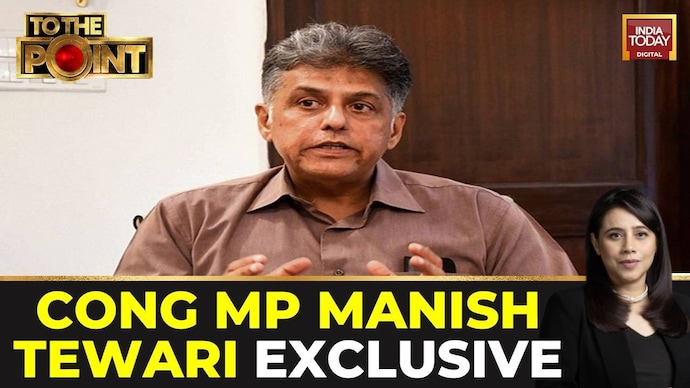
Manish Tewari: 'It Is 7.8% For Whom?'

In an interview with India Today, Congress MP and former minister Manish Tewari questioned the ground reality behind India's reported 7.8% GDP growth rate. Manish Tewari asked, "It is 7.8% for whom?" arguing that headline economic figures fail to reflect the daily struggles of ordinary citizens. He highlighted three major structural challenges confronting the nation: high inflation reflected in consumer and wholesale price indices, rising income inequality where the richest 10% hold 65% of the wealth, and an escalating jobs crisis. Tewari stated that the growth story is primarily driven by public capital expenditure rather than private investment stepping up. He noted that key macroeconomic indicators, including the savings-to-GDP and production-to-GDP ratios, have witnessed declines over the years. Concluding his assessment, Tewari stated that revised base years and selective data do not reflect the true state of the economy for the common person.

India Q1 GDP Grows 7.8% as BJP and Congress Clash Over Economic Health

India's gross domestic product grew at 7.8% in the first quarter of the 2026/27 financial year, positioning it as the fastest-growing major economy globally. Prime Minister Narendra Modi described the economic expansion as a Herculean feat achieved despite global headwinds such as West Asia geopolitical tensions, oil price volatility, US tariff pressure, and supply chain disruptions. However, the GDP figures have triggered a political confrontation. The Congress party questioned the headline numbers, calling them a distorted picture and raising concerns regarding sluggish consumer sentiment, falling rupee value, depressed private investment, educated unemployment, and trade deficit with China. Meanwhile, the Bharatiya Janata Party defended the growth trajectory, highlighting expansion in manufacturing and financial services, and sought an apology from Congress leader Rahul Gandhi over earlier remarks labelling India a dead economy.

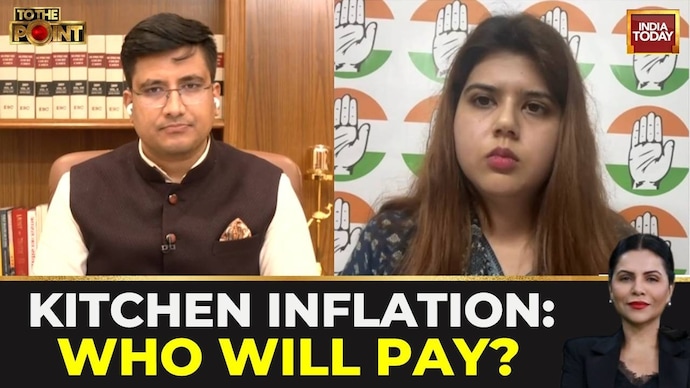
Face-Off: 'BJP Has No Answers, Only Excuses', Says Pankhuri Pathak On Sugar & Onion Price Rise

Join India Today for a debate on rising food inflation, particularly sugar and onion prices, ahead of the festive season. Congress National Spokesperson Pankhuri Pathak targeted the central government, alleging that while sugar prices rose by 40%, the government kept the country distracted with political debates. She remarked, 'The BJP doesn't have answers. It only has excuses.' Pathak questioned the diversion of sugarcane for ethanol production and India's shift from being a sugar exporter to an importer. Responding to the allegations, BJP National Media Co-convener Siddhartha Yadav stated that sugarcane diversion for ethanol was reduced from 12% to 9% and pointed out a 16% global surge in sugar prices. He highlighted government steps, including stock limits on sugar dealers and duty-free imports of raw sugar, to check hoarding and stabilize domestic prices.

Festive Season Price Pinch: Onion Prices Reach Rs 65/Kg, Sugar Surges As Govt Releases Buffer Stocks

Just ahead of the festive season, households face a fresh price pinch as onion retail prices jump from 35 rupees to 60-65 rupees a kilo in several markets, while sugar prices climb sharply to nearly 65 rupees a kilo. Lower supplies, a delayed kharif crop, and weather damage to the late rabi crop in Maharashtra are driving the onion price spike. The opposition has targeted the central government over rising essential commodity costs, low sugar stocks, and ethanol diversion. In response, the government has rejected the ethanol link, citing reduced global agricultural production, and released onion buffer stocks via the 'Kanda Express' to sell onions at 35 rupees per kilo through government outlets.

SC Judge Flags Education Budget Cuts, Compares Kumbh Funds With Marathi Schools Closure

Supreme Court Justice Prasanna Varale highlighted concerns over the prioritization of public funds, drawing a comparison between the budget allocated for the upcoming Kumbh Mela in Nashik and the financial resources available for government schools. Speaking about the closure of Marathi-medium schools, Justice Varale noted that allocating even 0.1 percent of the projected 32,000 to 34,000 crore rupees Kumbh Mela expenditure—approximately 32 crore rupees—could have prevented the shutdown of around 100 to 125 Marathi-medium schools. He expressed concern regarding shrinking education budgets despite a rise in student enrollment, pointing to poor infrastructure and safety issues in rural and government institutions, including ashramshalas. Responding to the comments, reporter Anisha Mathur noted that statements made by judges at private events hold no legal bearing on the government. She further referenced prior court scrutiny where state governments cited budget constraints when questioned on underfunding for child protection, education, and women safety schemes, emphasizing that education accounts for less than 13 percent of the annual budget.

Onion & Sugar Prices Surge Sharp, Congress Attacks Centre, Government Releases Buffer Stock

Onion prices have witnessed a sharp surge across major Indian cities, reaching up to ₹60 to ₹70 per kilogram in retail markets and bringing distress to consumers. The price hike follows a recent increase in sugar, milk, cooking oil, and vegetable costs, leading to a political attack by the Congress party against the central government over rising household expenditures. In response, Consumer Affairs Secretary Nidhi Khare announced plans to release buffer onion stock through the Kanda Express initiative at a subsidized rate of ₹35 per kilo in select consuming centers. Official authorities also noted potential market speculation and cartelization, highlighting higher mandi rates in Nashik compared to Delhi. Field reports from Delhi, Mumbai, and Ahmedabad reveal widespread consumer concern as wholesale and retail traders attribute the sudden price escalation to supply chain disruptions and unseasonal rain damages. The situation has forced buyers to cut back on essential kitchen staples while waiting for government interventions to stabilize market rates.

Onion Prices Surge To ₹60/Kg; Congress Slams Centre As Govt To Release Buffer Stock At ₹35/Kg

Onion prices have surged across India, touching ₹60 to ₹70 per kilogram in retail markets across major consuming centres like Delhi, Mumbai, and Ahmedabad. The price hike within a single week has severely impacted household budgets and local businesses, following earlier price rises in essential commodities such as sugar, milk, and cooking oil. In response to the inflation, the opposition Congress targeted the central government over rising living costs. To cool down prices, Consumer Affairs Secretary Nidhi Khare stated that onion buffer stocks would be released through Kanda Express in major consuming centres and sold at a subsidized rate of ₹35 per kilogram. The government also indicated possible cartelization and speculation as mandi prices in Nashik were reported to be higher than those in Delhi. Meanwhile, traders warn that persistent supply disruptions could push retail prices further up to ₹100 per kilogram in the coming weeks if market conditions do not improve.

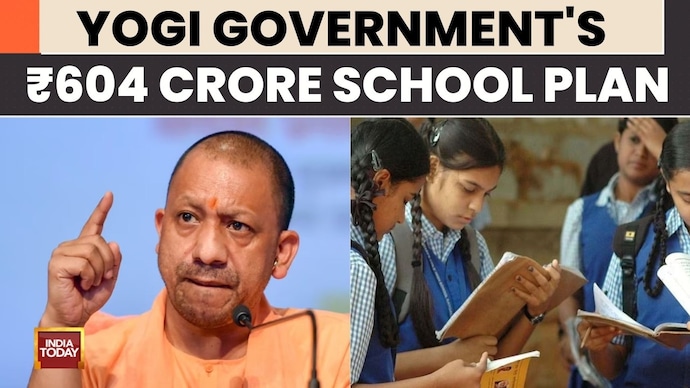
Yogi Govt Clears ₹604 Crore For UP Govt Schools To Upgrade Infrastructure & Connect With Gen Alpha

The Uttar Pradesh government led by Chief Minister Yogi Adityanath has allocated ₹604 crore to upgrade government schools as part of an initiative to connect with Generation Alpha students. The Basic Education Directorate has released ₹302 crore as the first installment. Under this plan, ₹344 crore has been allocated for 2,243 primary schools, with ₹172.26 crore released in the initial phase, translating to around ₹15.36 lakh per primary school. Additionally, ₹259.95 crore has been allotted to 883 upper primary schools, with ₹130 crore disbursed in the first installment. The funds will be utilized for repair, reconstruction, and upgrading infrastructure across rural and urban districts including Deoria, Maharajganj, and the Purvanchal region. Key improvements focus on enhancing classroom facilities, bus services, toilets, access roads, and establishing practical and AI learning environments for nearly 2.5 crore students. India Today correspondent Ashish Srivastava reported that ground-level works will commence immediately, with visible improvements expected within two to three months and full transformation within six months.