How CJP is expanding organisational footprint across states
The zonal leaderships and state coordination panels announced are an effort to take the CJP’s presence down to Lok Sabha and state assembly levels

The Cockroach Janta Party (CJP) is a meme-driven political movement that emerged in India in May 2026 and rapidly evolved into one of the country’s biggest online political phenomena. The movement was sparked by controversial remarks from Chief Justice of India Surya Kant, who allegedly compared some unemployed youth and activists to “cockroaches” and “parasites” during a court hearing.
Founded by Abhijeet Dipke, a Boston University student, the CJP began as a satirical internet campaign before turning into a wider expression of Gen Z frustration over unemployment, exam paper leaks, political accountability and freedom of expression. Dipke said the backlash intensified because the remarks came from “someone who is supposed to protect our freedom of expression”.
Within days of its launch, the CJP crossed 10 million followers on Instagram, overtaking the official account of the ruling Bharatiya Janata Party. The movement also drew support from personalities including Prashant Bhushan, Mahua Moitra and Kirti Azad.
The movement gained further attention after its original X account was withheld in India, only for a new linked account to surface within hours mocking the move. Dipke called the action expected as the parody movement continued to trend online.
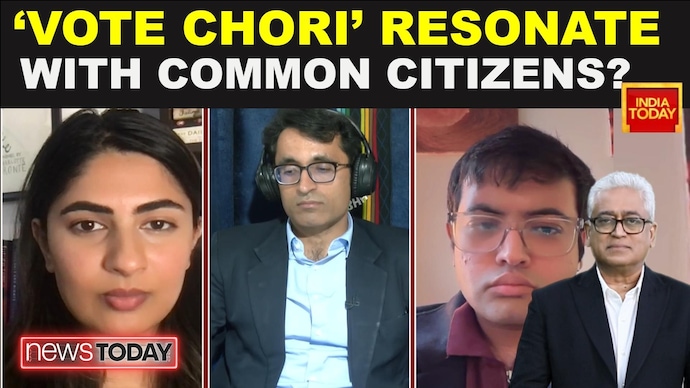
A fiery televised debate unfolded over Rahul Gandhi's Special Intensive Revision (SIR) agitation and allegations of voter deletions. National spokesperson for the Bharatiya Janata Party Pradeep Bhandari defended the election revision exercise, maintaining that democratic dissent cannot become an excuse for street violence, stating, 'not a single eligible voter should be left out to vote. At the same time, not a single ineligible voter should also be allowed to vote.' Congress party spokesperson Gurmehar Kaur countered that deleting over 1,400 names across just four local polling booths highlights a systematic electoral malpractice requiring immediate accountability. Meanwhile, Cockroach Janta Party spokesperson Pranav Dhawan defended the right of political movements to organize and protest pending sub judice issues, questioning governmental restrictions on youth demonstrations. The participants locked horns over constitutional boundaries, ongoing Supreme Court proceedings, and political mobilization.
On India Today's Super Six, anchor Akshita Nandagopal tracks major political developments from Tamil Nadu following former state BJP chief K. Annamalai's critique of the Centre's handling of protests by the Cockroach Janta Party (CJP).
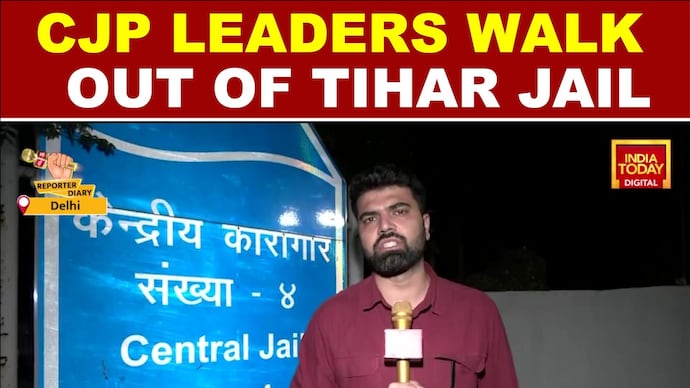
Cockroach Janta Party (CJP) co-conveners Saurav Das and Ashutosh Ranka were released from Tihar Jail after the Special Executive Magistrate court accepted their personal bonds and sureties of 50,000 rupees each. The release follows five strict conditions, including an unconditional apology, written undertakings not to breach the peace, adhering strictly to the Constitution, and refraining from calling protests at Jantar Mantar while it remains denotified. However, their legal troubles deepened soon after release as the Delhi Police Crime Branch issued summons directing both leaders to record their statements at Rajouri Garden. The investigation pertains to charges under Section 223 of the Bharatiya Nyaya Sanhita and an alleged trespassing case involving the de-notified Jantar Mantar site. While CJP chief Abhijit Dipke welcomed their release and raised slogans demanding the removal of the Chief Election Commissioner, the Bharatiya Janata Party maintained that the custody was solely linked to violating peace bond conditions rather than hoisting the national flag.
Cockroach Janta Party leaders Saurabh Das and Ashutosh Ranka were released from Tihar Jail after the special executive magistrate accepted their personal bonds and sureties of 50,000 rupees each. The release is subject to five conditions, including written undertakings to maintain peace, refrain from protests at Jantar Mantar while it remains denotified, tender an unconditional apology, and adhere strictly to the Constitution. The magistrate court scheduled the next hearing for October 23. Meanwhile, the Bharatiya Janata Party asserted the duo were detained for breaching peace bond conditions rather than for holding the national flag.
A Special Executive Magistrate Court has ordered the release of Cockroach Janta Party activists Saurabh Das and Ashutosh Ranka from Tihar Jail on personal bonds of 50,000 rupees each alongside sureties. The order followed seven days of judicial custody over alleged breach of peace bond conditions and trespass at the denotified Jantar Mantar protest site. Both activists submitted undertakings pledging to maintain peace and refrain from staging demonstrations at the venue pending legal re-designation, with the next court hearing scheduled for 23 October 2026. Simultaneously, the Delhi High Court addressed the shift from student-focused causes to political regime change, reiterating that government transitions in India take place through ballots. The broadcast also covers the political confrontation involving BJP allegations against Leader of Opposition Rahul Gandhi concerning foreign entities, legal analyses of preventive detention under the Bharatiya Nagrik Suraksha Sanhita, and the launch of Jio Platforms' 30,213 crore rupee initial public offering aimed at prepaying Reliance Jio Infocomm debt.
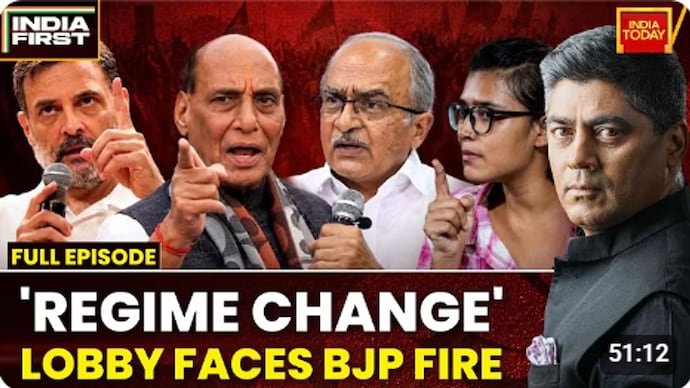
A Special Executive Magistrate Court ordered the release of Cockroach Janta Party activists Saurav Das and Ashutosh Ranka following seven days in judicial custody. They were detained for breaching bond conditions after protesting in Jantar Mantar, an area that had been denotified. Their detention was extended after initial sureties were rejected. Meanwhile, the Delhi High Court raised questions regarding their activities, noting the shift from an initial student movement against the Chief Election Commissioner to a political push for regime change, remarking that regime change in India occurs through the ballot. The confrontation sparked sharp political exchanges, with Bharatiya Janata Party MP Sambit Patra accusing Leader of Opposition Rahul Gandhi of overseas consultations with George Soros-linked networks to trigger domestic instability. Patra labelled elements advocating regime change as adversaries of the nation, while citing upcoming agitations called by opposition parties and activists.
A Delhi magistrate court has ordered the release of Cockroach Janta Party leaders Saurav Das and Ashutosh Ranka on bail after their judicial custody concluded. The Delhi Police had sought an extension of their judicial custody by three days, which was denied by the Special Executive Magistrate court following a hearing lasting over an hour and a half. The leaders spent approximately seven days in Tihar Jail following their detention for climbing gates and attempting to breach the de-notified protest venue at Jantar Mantar. Prior to the SEM court ruling, the leaders had approached the Delhi High Court seeking relief against their custody extension, where the court questioned their approach while proceedings were pending before the magistrate. Live visuals showed the CJP leaders being escorted out of court to complete final release formalities at Tihar Jail, while formal details regarding the specific conditions imposed on their bail remain awaited.
The Delhi High Court questioned Cockroach Janta Party members Saurav Das and Ashutosh Ranka over calls for regime change and the breach of peace bonds during a hearing regarding their judicial custody. The court observed that violent protests in Europe had escalated into arson and looting, questioning the petitioners' involvement and noting their departure from peaceful student demonstrations. The bench expressed disinclination to entertain the writ petition under Article 226 of the Constitution, emphasizing that alternate statutory appellate remedies were available before the district court and the Special Executive Magistrate. Following the bench's observations on maintainability and the procedural availability of legal remedies, legal counsel representing the petitioners chose to withdraw the petition. Additional Solicitor General Chetan Sharma, appearing on behalf of the Delhi Police, highlighted that the petitioners had not filed replies before the Special Executive Magistrate despite being granted time and argued regarding the validity of sureties. The court directed that factual matters regarding sureties and custody be addressed through statutory authorities.
The Delhi High Court commenced a crucial hearing concerning a plea filed by Cockroach Janta Party leaders Ashutosh Ranka and Saurav Das challenging their judicial custody orders issued by the Special Executive Magistrate court. During the proceedings, the High Court questioned the leaders for entering Jantar Mantar and breaking barricades after the protest site was de-notified, noting that they had previously executed a peace bond. Drawing comparisons to European student demonstrations that deteriorated into arson and looting, the court observed that barricades and police permissions serve to maintain public order and prevent external elements from hijacking demonstrations. The bench led by Justice Subramanian Prasad raised queries regarding the maintainability of moving the High Court directly instead of awaiting the Special Executive Magistrate court's scheduled order or approaching the district court. Counsel for the leaders submitted that sureties had been presented and raised procedural issues regarding the preventive custody orders under the Bharatiya Nagarik Suraksha Sanhita.
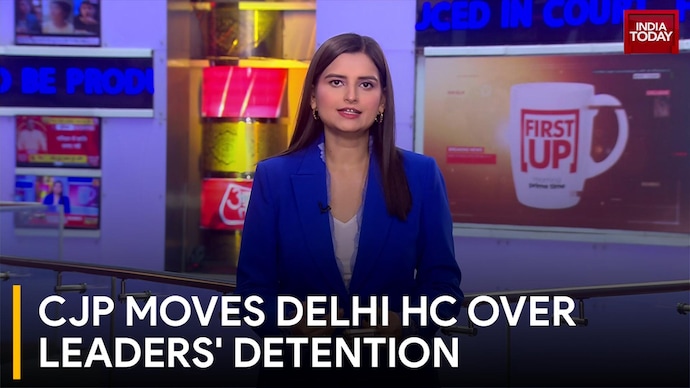
The legal fight over the continued detention of Cockroach Janta Party leaders Saurav Das and Ashutosh Ranka reached the Delhi High Court after an urgent night hearing request was declined. The party challenged the magistrate court's October 19 order that extended their judicial custody until October 21 and rejected their sureties. The magistrate noted that the duo deliberately breached peace bonds, showed disregard for the law, and posed a risk to public tranquility. Meanwhile, CJP founder Abhijit Dipke announced a pause on protests until Diwali, describing Das and Ranka as the party's primary decision-makers and refuting allegations of abandoning them.
A 30-foot-tall cockroach effigy is set to be burnt alongside Raavan, Kumbhkaran, and Meghnad at the Shri Keshav Ram Leela Committee celebration in Pitampura, Delhi. Organisers stated that the cockroach represents filth and unhygienic conditions, framing the move as part of the Swachh Bharat and Swachh Delhi campaigns. However, the timing has drawn attention due to ongoing protests by the Cockroach Janta Party. In response, party founder Abhijit Dipke sarcastically thanked organisers for free publicity. While the committee, chaired by BJP MLA Ashok Goel, denied any political intent, heavy police deployment and security arrangements were made at the venue to prevent disruptions ahead of the effigy burning.
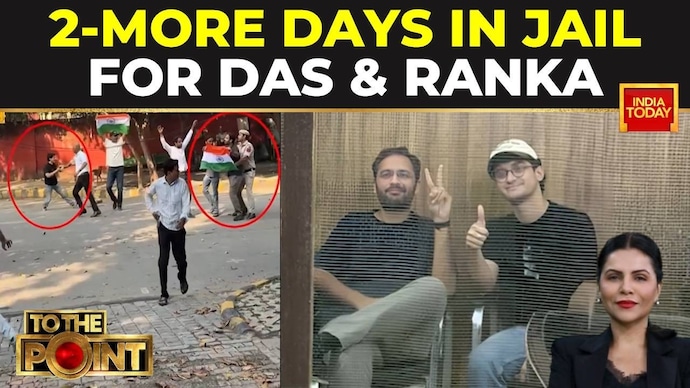
A Special Executive Magistrate court in Delhi has extended the judicial custody of Cockroach Janta Party activists Ashutosh Ranka and Saurav Das by two days. The two leaders were originally detained by Delhi Police on 13 October for allegedly breaching a peace bond after entering Jantar Mantar and unfurling the national tricolour. While Delhi Police sought a five-day extension citing concerns over public order during the festival season, the magistrate granted custody till 21 October. The previous magistrate had recused himself from the proceedings after reporting death threats. Legal representatives for the activists questioned the extension, arguing that the duo was placed under preventive detention without an FIR and pointing out that sureties were repeatedly rejected on arbitrary grounds. The defence team confirmed plans to challenge the order before a higher court, terming the detention an attempt to suppress peaceful dissent.
The legal representatives of Cockroach Janta Party addressed the media after appearing before a Special Executive Magistrate court regarding the continued preventive detention of party members, including Saurabh. The defence counsel stated that the state filed a fresh plea seeking five to seven days of further judicial custody citing an imminent threat to public order and tranquility, without placing any substantive material on record to demonstrate genuine apprehension. Counsel highlighted that there is no First Information Report registered against the individuals and criticised the court for rejecting sureties on grounds such as photographs not matching due to shorter hair. Party legal representative Ratna questioned the court's conduct, stating the proceedings resembled a circus and calling for an inquiry into the handling of personal liberty. The defence announced that the order extending judicial custody would be legally challenged before a higher court, terming the preventive detention an unwarranted curb on youngsters' voices.
A Special Executive Magistrate court in Delhi has extended the judicial custody of activists Saurav Das and Ashutosh Ranka by two days following their arrest for breaching a peace bond at Jantar Mantar. The two leaders had entered the site and unfurled the national tricolour on 13 October, leading to an initial five-day remand. Delhi Police had requested a five-day extension citing prior misconduct and the upcoming festive season, specifically Dussehra. However, the court granted two days of judicial custody, scheduling the next hearing for 21 October. The proceedings faced previous delays after the earlier magistrate recused himself citing death threats, while police pointed to procedural discrepancies in surety paperwork submitted by the defence. Defence counsels argued that all requisite documents were provided and contended that the prolonged custody constitutes an attempt to intimidate their clients, pointing out that others facing identical charges were earlier released.
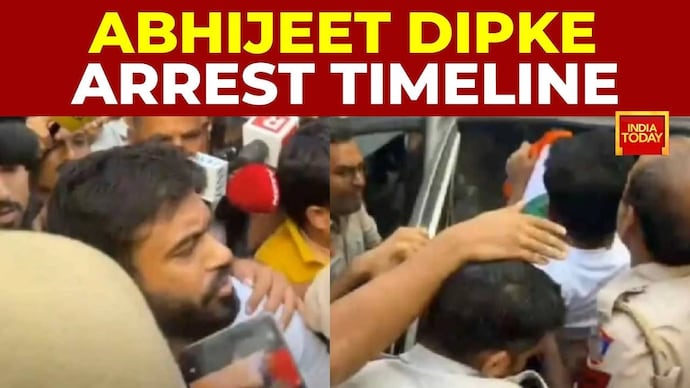
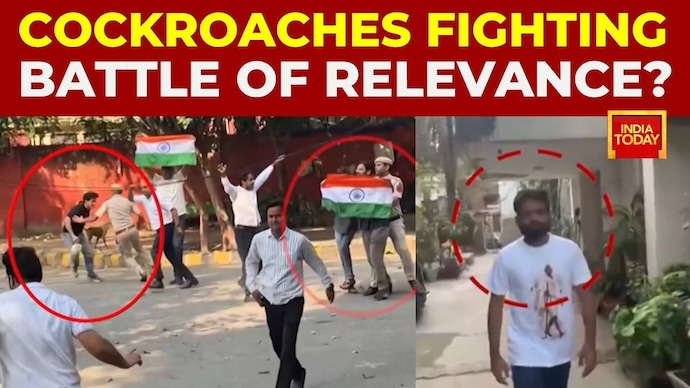
A timeline detailing the confrontation between leaders of the Cockroach Janta Party and the Delhi Police outlines successive detentions, judicial custody remands, and bail bonds in the national capital. Party members were initially apprehended at Delhi airport before securing release upon executing peace bonds. Following attempts to stage demonstrations and unfurl the national flag at Janpath, members Saurav Das and Ashutosh Ranka were remanded to five-day judicial custody in Tihar Jail, while Ajinkya Shinde was released after furnishing a surety bond. Ahead of a planned Tiranga Yatra at Central Park in Connaught Place, Abhijeet Dipke was detained and subsequently granted conditional bail after executing a fresh peace bond.
The Cockroach Janta Party's planned Tiranga Rally in Delhi on October 16 was halted after founder Abhijeet Dipke was taken into preventive custody by Delhi Police near Connaught Place. With co-conveners Saurav Das and Ashutosh Ranka already in judicial custody, the outfit faced a leadership vacuum as several protesters, including Left student leader Neha Bora, were also detained. Unlike earlier demonstrations, Delhi Police avoided citywide transport curbs and focused restrictions on Central Park. Meanwhile, a parallel protest at Mumbai's Azad Maidan witnessed a sparse turnout of fewer than 40 participants.
Security has been heightened outside Mandir Marg Police Station in New Delhi as Cockroach Janta Party founder Abhijeet Dipke was produced before a magistrate following his preventive arrest. Dipke was taken into custody ahead of the planned Tiranga Rally on October 16 for allegedly violating peace bond conditions and disturbing public order. Ahead of the hearing, Rapid Action Force personnel detained several protesters nearby to avert law and order disruptions. Authorities are assessing whether Dipke will be granted release on furnishing another peace bond or remanded to judicial custody, following similar action taken earlier against co-conveners Saurabh Das and Ashutosh Ranka.
Delhi traders in major commercial hubs, including Connaught Place and Khan Market, have raised serious concerns over mounting financial distress caused by recurring protests and blockades. Business associations report that footfall has plunged from two to three lakh daily visitors to under fifty thousand, reducing trade activity to around thirty percent of normal levels and generating estimated overall losses of two thousand crore rupees. Khan Market alone faces estimated losses of five to seven crore rupees every day. In response, traders bodies have moved the Supreme Court and approached Union Home Minister Amit Shah seeking restrictions on demonstrations in commercial zones. The Chief Justice of India took note of the hardships confronting shopkeepers and small vendors, observing that compensation may be considered under civil law. Meanwhile, Cockroach Janta Party founder Abhijeet Dipke and opposition voices defended peaceful demonstrations, contending that government restrictions and shutdowns disrupt trade rather than fundamental democratic rights.
Delhi Police and Central Armed Police Forces deployed personnel and barricaded Connaught Place to stop unauthorized gatherings ahead of a planned Tiranga rally at Central Park.
Delhi Police and Central Armed Police Forces deployed personnel and barricaded Connaught Place to stop unauthorized gatherings ahead of a planned Tiranga rally at Central Park. While arterial roads and Delhi Metro stations remained operational, Central Park was closed for two days, and over 150 demonstrators attempting to reach the inner circle with the national flag were detained. Left-affiliated protesters, including Dipankar Bhattacharya and Neha Bora, were taken into custody near Mandi House. In addition, Cockroach Janta Party founder Abhijeet Dipke was placed under preventive detention under Section 163 of the Bharatiya Nagarik Suraksha Sanhita outside NCP-SP spokesperson Anish Gawande's residence. Security forces also dispersed student gatherings at Jantar Mantar. The police action generated political debate, with opposition voices defending the constitutional right to protest, while government representatives cited lack of clearance, previous blockades, and the denotification of Jantar Mantar as designated protest grounds.