From the India Today archives (1994) | I sneeze or not, it’s news: TN Seshan
Amidst talk of rift in the Election Commission, we revisit a candid 1994 interview of then poll body chief T.N. Seshan

When people hear “electoral reforms,” it often sounds like a dry, bureaucratic topic. But the truth is, elections touch every aspect of public life, and the way we vote has been changing constantly. India didn’t remain the same after Independence, so naturally the election process can’t stay frozen either.
One of the biggest issues that keeps coming up is the simple matter of voter lists. Anyone who has tried to vote knows how frustrating it is when your name suddenly disappears or shows up twice. With people shifting cities for work and millions joining the voter base every year, keeping these lists clean is a nonstop effort. Tech can help digital IDs, better verification but it still needs careful handling so that genuine voters aren’t pushed out by mistake.
Another point people talk about a lot is money in elections. It’s an open secret that spending often crosses limits. This makes it tough for honest, smaller candidates to stand a chance. More transparency and faster checks could make the system feel a bit more level.
Then there’s the long debate over politicians with criminal cases. Some believe anyone facing serious charges should sit out until cleared; others say that’s unfair without conviction. But most voters agree that cleaner candidate lists would improve trust.
Ideas like holding national and state elections together or tweaking the voting system come up often. Whether they happen or not, the fact that these discussions continue shows one thing reforms are never one-and-done.
At its heart, electoral reform is simply about keeping democracy believable and functional for everyone.
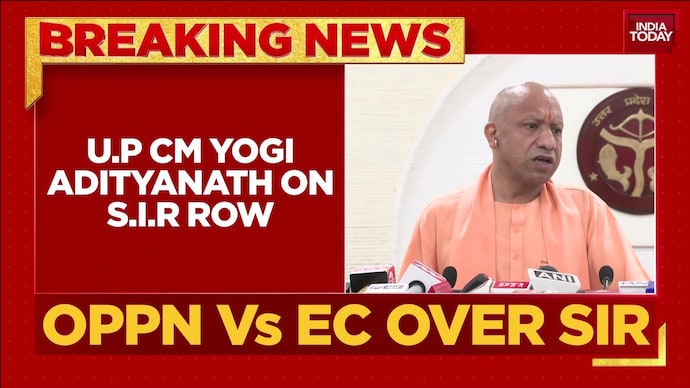
A political confrontation has unfolded over accusations against the Election Commission of India and the functioning of Electronic Voting Machines. Addressing the controversy, it was pointed out that opposition parties accept election victories as personal achievements while blaming the Election Commission and voting machinery whenever the public rejects them. The remarks highlighted past questions raised against constitutional institutions, including the judiciary and the Comptroller and Auditor General over its Rafale review, as well as characterisations of EVMs as black boxes. It was noted that all three Election Commissioners held a press briefing clarifying voter registration protocols and procedures relating to Form 6, which had also received scrutiny before the Supreme Court. The remarks underlined that violence, vandalism, and efforts targeting election headquarters undermine democratic conventions, asserting that attempts to cast doubt on electoral systems weaken the integrity of democratic bodies.
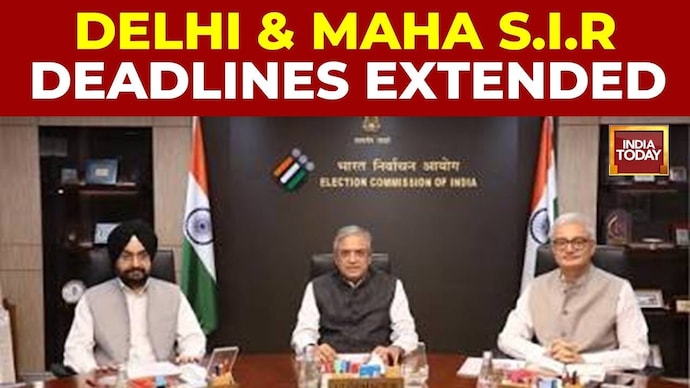
The Election Commission of India has refuted allegations of internal dissent, affirming that all decisions regarding the Special Intensive Revision (SIR) of electoral rolls were taken unanimously by Chief Election Commissioner Gyanesh Kumar and Election Commissioners Sukhbir Singh Sandhu and Vivek Joshi. Following a meeting at Nirvachan Sadan, the poll panel presented a united front and announced key operational decisions. The deadline for filing claims under the SIR process has been extended to 30 October in Delhi and to 12 October in Maharashtra to assist voters facing procedural issues. Additionally, Booth Level Officers in Goa have been instructed to conduct door-to-door visits to reach left-out voters and assist with pending documentation. The Commission maintained that the SIR exercise fully complied with Supreme Court directives and involved standard internal deliberations rather than disagreement. The ruling Bharatiya Janata Party endorsed the clarification, dismissing opposition allegations regarding friction within the constitutional body.
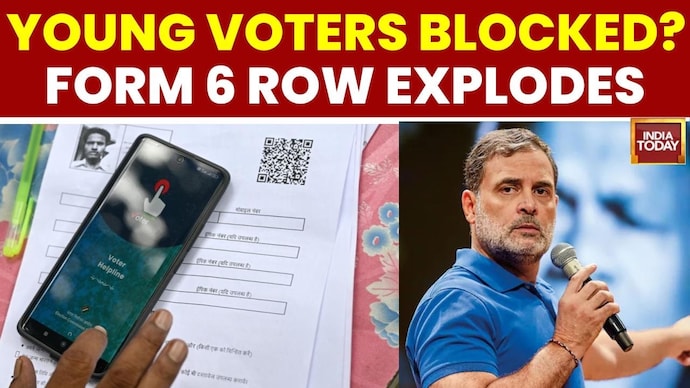
The Congress party has escalated its attack on the Election Commission of India over changes introduced to Form 6, which is required for new voter registration. Alleging that alterations were made without statutory notification or required rule amendments under the Representation of the People Act, the party argued that the Chief Election Commissioner lacked the power to amend the form. Congress leaders demanded the resignation of Chief Election Commissioner Gyanesh Kumar and urged the Supreme Court to take suo motu cognizance of the matter, citing barriers created for first-time young voters. Concurrently, broader consultations have begun among opposition outfits under an expanded front. Archrivals Trinamool Congress and the Communist Party of India (Marxist) held telephonic talks, with Mamata Banerjee and M.A. Baby discussing joint opposition action and nationwide campaigns. Outfits including the Aam Aadmi Party, Biju Janata Dal, Bharat Rashtra Samithi, and DMK have also been approached to build a common platform against alleged commission irregularities.
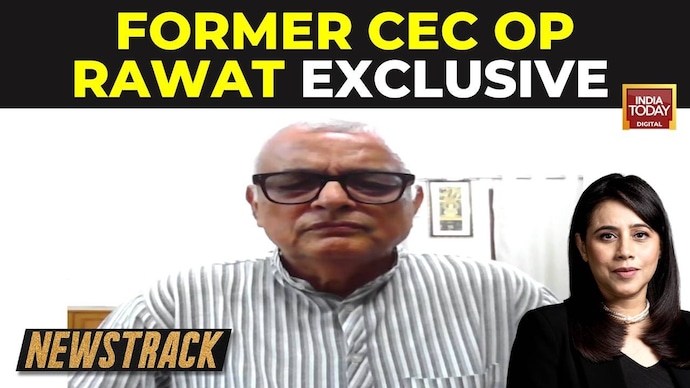
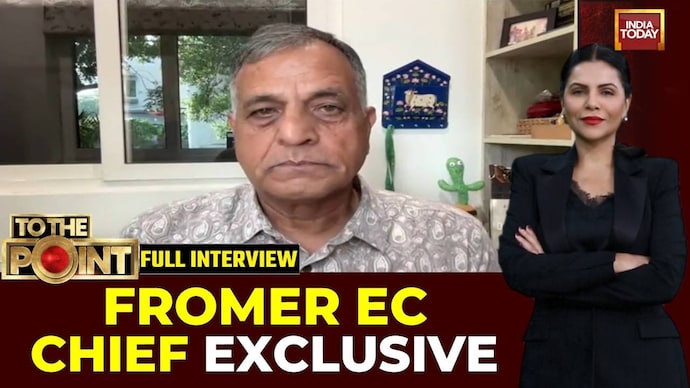
In an interview with India Today, former Chief Election Commissioner OP Rawat discussed the controversies surrounding voter deletions, internal disagreements, and administrative functioning within the Election Commission of India. Addressing concerns over differences among commissioners, Rawat remarked, "Most of the issues are, a little frivolous or made up and, like this, centralization." He emphasized that internal dissent is manageable, noting that fellow commissioners hold majority decision-making powers if consensus is not reached. Rawat clarified that an election's sanctity cannot be challenged outside of an election petition under the law or Constitution. Regarding unaddressed emails from local officials, he stated that administrative supervision rests at the Deputy Election Commissioner and Director level rather than the commission itself, dismissing allegations of unilateral central control.
The News Today reports on the political controversy surrounding Chief Election Commissioner Gyanesh Kumar over the Election Commission of India's Special Intensive Revision exercise.
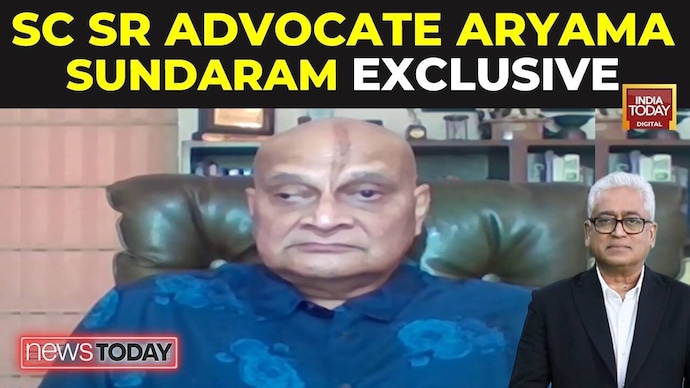
In an interview with Rajdeep Sardesai on India Today, Senior Advocate of the Supreme Court Aryama Sundaram evaluated the legality and administrative flaws of the Special Intensive Revision (SIR) exercise. Sundaram noted that while the constitutional concept of the policy was upheld, its actual rollout remains subject to legal challenges. He stated, 'The correctness of the actions being implemented thereunder are always subject to judicial review.' Addressing mass voter deletions and tribunals overwhelmed by appeals, he stressed that courts cannot be expected to quickly fix deep administrative failures, pointing out that resolving pending disputes could take a decade due to lack of adequate machinery. Emphasizing that free and fair elections are the fulcrum of democracy, Sundaram remarked that the execution of the process was critical, stating that both the executive and the Election Commission have failed to properly handle implementation.
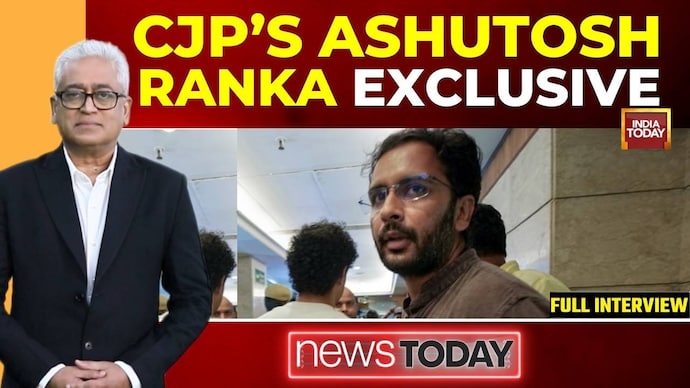
In an interview with India Today, Cockroach Janata Party (CJP) co-convenor Ashutosh Ranka declared plans to launch an agitation starting Gandhi Jayanti if Chief Election Commissioner Gyanesh Kumar does not resign. Highlighting concerns from ground visits in Rajasthan, Ranka remarked, "It is a rigged game," asserting that citizens feel elections are compromised. He emphasized that genuine democratic change is blocked when election integrity is compromised, calling for structural fixes within the Election Commission. Ranka addressed questions regarding alliances with opposition parties, noting that multiple civil society groups and political forces are speaking in unison on the issue. Questioning why ruling party spokespersons defend the Election Commission instead of the commissioners clarifying reports themselves, Ranka warned that street demonstrations will begin from October 2. He claimed that an estimated 13 crore citizens have had their voter records deleted without transparency.
In an interview with India Today, Congress leader Pawan Khera launched a sharp attack against the Election Commission of India and Chief Election Commissioner Gyanesh Kumar over alleged anomalies in voter lists and the electoral process. Defending his party's stance against BJP criticism, Khera claimed that evidence of wrongdoing had emerged across multiple states and within recent investigative reports. He asserted that the poll body had lost its sanctity, alleging systemic deletions of voters from electoral rolls. Calling for accountability, Khera declared that Gyanesh Kumar was merely a pawn representing higher authorities in the government, demanding his immediate resignation from office and stating that he should apologize to the nation.
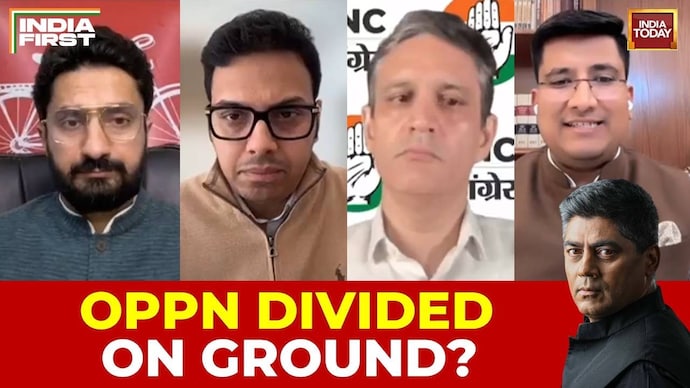
On India First, anchored by Gaurav Sawant, political representatives and analysts debate opposition protests demanding the resignation of Chief Election Commissioner Gyanesh Kumar over alleged irregularities in electoral rolls. Congress national spokesperson Amitabh Dubey argues that the actions constitute an attack on the Constitution and democracy, citing internal dissent reports, lack of consultation, and maintaining that the opposition stands united on evidence-based allegations. Bharatiya Janata Party (BJP) spokesperson Siddharth Yadav counters the charges, stating formal dissents were never recorded when final decisions were reached, accusing the opposition of spreading unsubstantiated narratives, and challenging them to present proof before the courts rather than through press conferences. Meanwhile, Samajwadi Party representative Abbas Haider questions the judicial immunity granted under the CEC Act and flags large-scale voter roll deletions. Political analyst Rajat Sethi weighs in on whether the disparate protests signify opposition disunity, state-level strategies, or issues that should be addressed through legal forums.
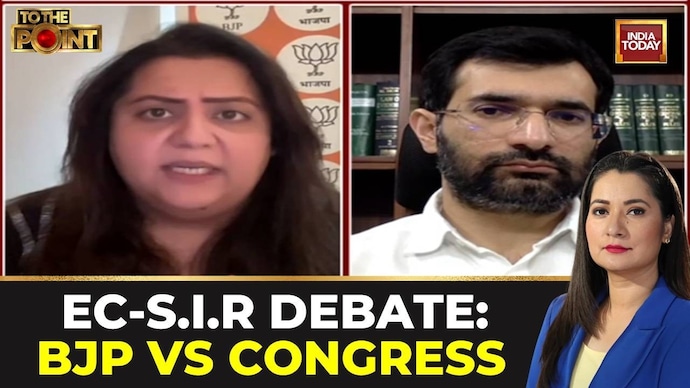
A major political showdown has erupted between the Bharatiya Janata Party and the Congress over alleged internal dissent within the Election Commission of India. Speaking on To The Point, Congress National Spokesperson Adil Singh Boparai claimed that the controversy is not merely about dissent or disagreement, but represents a serious institutional breakdown. Demanding the resignation of the Chief Election Commissioner, Boparai alleged that unilateral decisions were made regarding statutory Form 6 without proper authorization, stating: 'This is an act of fraud and forgery, and it must be called that.' Responding to the allegations, BJP National Spokesperson Radhika Khera dismissed the opposition's claims as political posturing, noting that administrative file notes and deliberations are normal government procedures rather than dissent. She defended the commission's institutional credibility and criticized the Congress for raising allegations ahead of elections.
A major political confrontation erupted across multiple states over the Election Commission of India's decisions regarding Special Intensive Revisions and voter rolls. Congress workers staged nationwide protests, burning effigies of Chief Election Commissioner Gyanesh Kumar and demanding his resignation alongside leaders across the opposition spectrum. Defending its processes, the poll panel clarified that its ECI NET platform operates with decentralized, secure access limited to authorized officials. However, the opposition has taken the battle to the judiciary and Parliament. A court petition seeks the invalidation of the SIR decisions, restoration of the original Form Six, and prosecution of the CEC, Deputy Election Commissioner, and IT head. Concurrently, opposition parties are preparing a third impeachment notice against the CEC after previous motions were dismissed or held up by parliamentary hurdles. Discussions also touched upon historical dissents within the commission and the political implications currently playing out between the ruling party and the opposition.
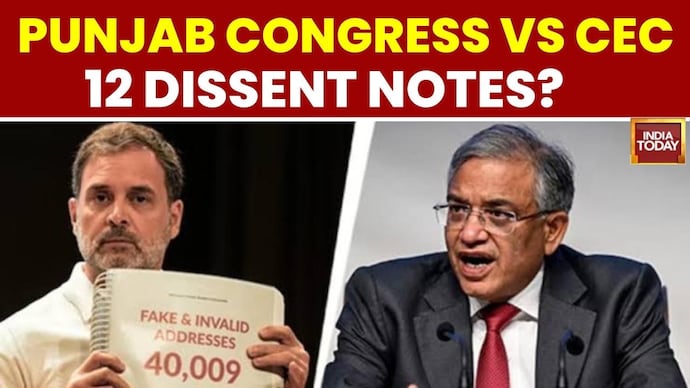
The Punjab Congress organised a protest march to the Election Commission office in Chandigarh demanding the dismissal and arrest of Chief Election Commissioner Gyanesh Kumar. Speaking on the protest, Punjab Congress General Secretary Captain Sandeep Sandhu accused the Chief Election Commissioner of taking unilateral decisions against the consensus of two fellow Election Commissioners. Sandhu noted that the two commissioners sent disagreement notes on twelve separate occasions regarding state election procedures. He argued that under constitutional guidelines, majority decisions should prevail instead of unilateral actions. Sandhu declared that internal dissent within the poll body makes the ongoing electoral process undemocratic and unacceptable to the Congress party ahead of elections.
Congress leader and Member of Parliament Abhishek Manu Singhvi targeted the Election Commission of India over alleged internal suppression of dissenting views by election commissioners. Singhvi cited the 1995 Supreme Court judgment establishing that the Chief Election Commissioner is first among equals within a collegiate body governed by majority rule. Referring to fourteen written objections recorded by Election Commissioners Sukhbir Singh Sandhu and Vivek Joshi over ten months, Singhvi alleged that decisions are being labelled unanimous after dissents are overridden without replies. Singhvi stated, "Dissent inside the EC means that you suffer the fate of Lavasa. Dissent inside the EC means that you are roadrolled." He argued that two out of three commissioners constitute a majority and described the administrative handling of disagreements as an internal bulldozer overriding colleagues. Questioning procedural changes regarding voter forms and access restrictions for Electoral Registration Officers, Singhvi argued that ignoring written dissent undermines transparency and constitutional decision-making.
An investigative report has revealed internal differences within the Election Commission of India, with two Election Commissioners raising objections at least 14 times over 10 months to decisions taken without their knowledge. The objections by Election Commissioners Sukhbir Singh Sandhu and Vivek Joshi were marked to Chief Election Commissioner Gyanesh Kumar and senior officials. Issues raised include the Special Intensive Revision that deleted 13 crore voters, the addition of a new clause to Form 6 for new voter enrolment, and the centralisation of software housing electoral rolls. Concerns were also noted over state-level officials being denied full access to the portal, unapproved appeals filed regarding excluded voters in West Bengal, and changes in the IT division. While the opposition demanded the suspension of the Chief Election Commissioner, the Election Commission stated that internal notes reflect standard deliberations and maintained that all decisions were taken unanimously.
In an interview with India Today, former Election Commissioner Ashok Lavasa discussed reports concerning objections raised by two sitting election commissioners regarding decisions taken by the Election Commission of India. Lavasa questioned the procedural legality of actions taken during the Special Intensive Revision exercise, highlighting issues surrounding modifications to Form 6 and the centralisation of the voter database. He noted, "All the details should be placed in the public domain so that things are clear." Lavasa underscored that statutory powers regarding voter addition and deletion belong strictly to Electoral Registration Officers under the law, warning against centralising decisions without proper legal authority. He also pointed to court affidavits regarding electoral roll deletions in West Bengal, noting that a high proportion of appeals decided in favour of deleted electors indicates systemic concerns that require transparent clarification from the poll panel.
A press conference addressed opposition allegations regarding voter list deletions and the functioning of the Election Commission of India. Data from twenty West Bengal assembly constituencies was highlighted to counter claims of electoral manipulation through voter deletions under the Special Intensive Revision process, noting that opposition parties won a majority of seats where maximum deletions occurred. The address detailed the internal deliberations among the three Election Commissioners, stating that institutional discussions and eventual unanimity in decision-making reflect democratic norms rather than authoritarianism. The briefing reviewed election outcomes across various states since 2014, past appointments of former Chief Election Commissioners, and historical dissent within the commission during previous administrations. Additionally, reference was made to legal proceedings upholding the legality of the Special Intensive Revision process, emphasising reliance on democratic voter participation and constitutional institutions.
In an interview with India Today, former Election Commissioner Ashok Lavasa addressed reports regarding dissent by two election commissioners on poll panel decisions. Lavasa stated that transparency is essential and noted, 'All the details should be placed in the public domain so that things are clear.' He questioned how a contrary view could prevail if two commissioners held the same opinion, emphasizing that the Election Commission of India needs to explain the facts. Lavasa also raised legal concerns regarding changes made to Form 6 and the centralization of the voter database via ERONet, pointing out that statutory authority to admit or delete electors lies strictly with the Electoral Registration Officer. Furthermore, commenting on reports of election commissioners writing to the Cabinet Secretary and the high percentage of successful appeals against voter deletions in West Bengal under the Special Intensive Revision exercise, Lavasa stated that adequate oversight and accountability mechanisms remain crucial.
In an interview with Rajdeep Sardesai, former Election Commissioner Ashok Lavasa raised serious concerns over the ongoing Special Intensive Revision (SIR) exercise and large-scale voter deletions from electoral rolls. Criticising the process, Lavasa remarked, "I think the EC probably has put in place an irrational procedure which is gone out of control." He expressed distress over widespread exclusions in Delhi and West Bengal, pointing out that marginalized communities lack the resources to navigate bureaucratic hurdles and Foreigners Tribunals. Lavasa stated, "ECI owes an apology, and it is not too late to scrap the SIR and go back at least in the third phase to the rolls which were valid before the SIR started." Emphasising that clerical errors should not deprive citizens of their franchise, he stated, "A discrepancy is not a disqualification." He urged the Election Commission of India to establish transparency, address demographic ratios, and rebuild public trust in electoral democracy.
In an interview with India Today, former Chief Election Commissioner Dr. S.Y. Quraishi addressed concerns surrounding the Special Intensive Revision (SIR) exercise, voter deletions, and the setting up of tribunals to handle millions of pending voter claims across states like Delhi and West Bengal. Dr. Quraishi highlighted that disenfranchising citizens for procedural issues violates fundamental constitutional guarantees, remarking, "They have put the country into chaos, and somebody should be answerable for it." He argued against burdening the judiciary with routine executive responsibilities such as maintaining electoral rolls. Dr. Quraishi urged the Election Commission of India to submit an affidavit to the Supreme Court guaranteeing that eligible citizens are not excluded from voter lists.
Chinese President Xi Jinping visits New Delhi on September 12 to participate in the BRICS Summit, marking his first trip to India in seven years. The multilateral gathering features key bilateral engagements involving Prime Minister Narendra Modi, President Xi, and Russian President Vladimir Putin, focusing on India-China border negotiations, trade relations, economic cooperation, and global diplomacy. Alongside summit coverage, this special report examines registered unrecognized political parties across Gujarat, Delhi, Bihar, and Madhya Pradesh that collected substantial donations while operating from residential sites and locked offices without contesting elections. Former Chief Election Commissioner Dr S.Y. Quraishi and transparency activist Anjali Bhardwaj analyze statutory income tax exemptions, regulatory loopholes, and Election Commission oversight, while also addressing widespread voter list deletions flagged during the Special Intensive Revision in Delhi and Karnataka.