Vietnamese crab exporter

Topic

Advertisement
TOPIC

FCRA Bill

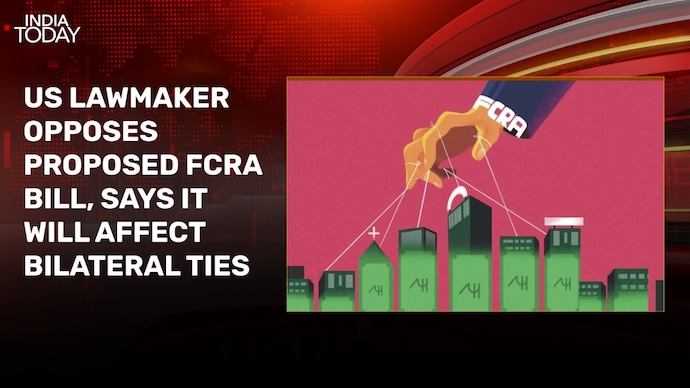
The Foreign Contribution (Regulation) Amendment Bill (FCRA), 2026 is proposed legislation aimed at strengthening oversight of foreign funding received by non-governmental organisations (NGOs), trusts, associations and other entities in India. Introduced in the Lok Sabha on March 25, 2026, the Bill seeks to tighten financial compliance, improve transparency and strengthen asset management under the existing Foreign Contribution (Regulation) Act, 2010 (FCRA).


The FCRA is administered by the Ministry of Home Affairs (MHA) and regulates how Indian individuals and organisations receive and use foreign contributions in the form of money, securities or articles. It requires eligible organisations to register with the government, receive funds through designated banking channels and maintain detailed records of donations and expenditure.


The law is built on five key principles: transparency, accountability, sovereignty, enabling genuine work and public confidence. Organisations receiving foreign funds must file annual audited returns, disclose donors and utilisation of funds, and ensure that foreign contributions are used only for approved purposes. The Act also empowers the government to regulate foreign funding that could adversely affect India's sovereignty, democratic institutions, electoral processes, public order or national security.


At the same time, the FCRA framework allows legitimate international funding for sectors such as education, healthcare, disaster relief, scientific research, environmental conservation, poverty alleviation and cultural exchange, provided organisations comply with the prescribed regulations.


The 2026 amendment seeks to further strengthen compliance and oversight while preserving the framework for genuine charitable and development activities. The government says the proposed changes are intended to improve transparency and accountability in the use of foreign funds while safeguarding national interests and reinforcing public trust in the voluntary sector.

  • ALL
  • STORIES
  • VIDEOS

STORIES

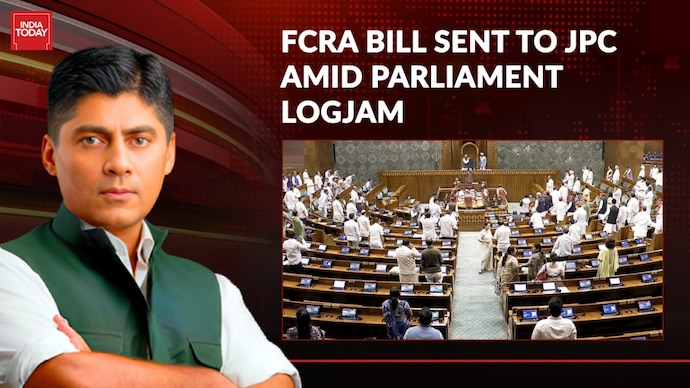
FCRA Bill sent to JPC via voice vote amid fierce protest by Opposition MPs

The FCRA Amendment Bill, 2026 was referred to a 31-member JPC through a voice vote amid Opposition protests and allegations that it targets minorities and NGOs. Akhilesh Yadav and Kiren Rijiju clashed over the claims, with Rijiju challenging the Opposition to identify any provision targeting minorities.

Load More

VIDEOS

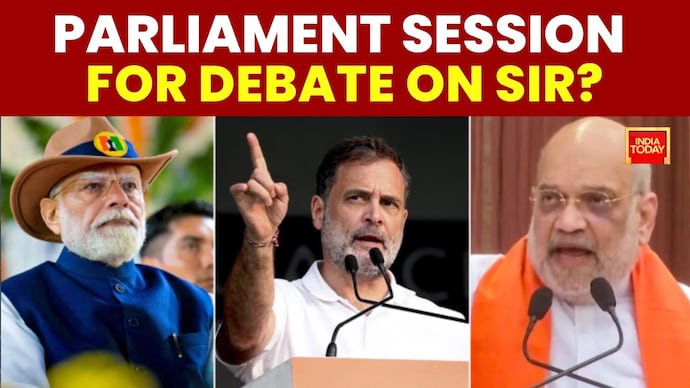
Debate on SIR: Parliament Reconvening Demand, Amit Shah Challenge and Winter Session Possibility

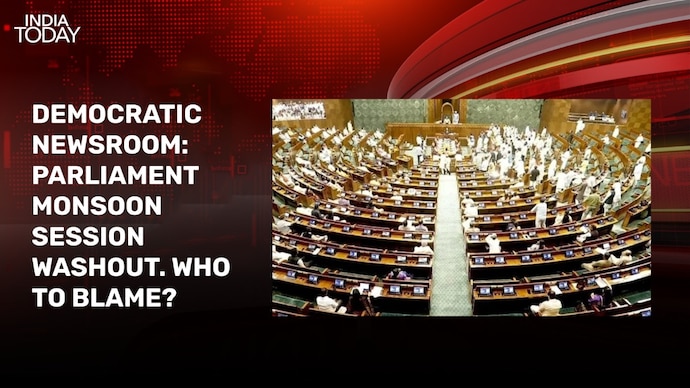
Congress MP Shashi Tharoor has supported holding a parliamentary discussion on the Special Intensive Revision (SIR), pointing out that Parliament has not yet been prorogued following the monsoon session and can be reconvened. Tharoor's statement comes after Union Home Minister Amit Shah, while addressing a Loktantra Bachao Pad Yatra rally in Karnal, challenged Leader of Opposition Rahul Gandhi to seek a special session of Parliament to discuss the SIR exercise. Tharoor noted that Rahul Gandhi's open challenge to debate the government on the issue stands, and the floor of Parliament remains open since the session was not prorogued. The report highlights political exchanges between the ruling Bharatiya Janata Party and the opposition, discussing procedural options regarding whether the monsoon session could be reconvened or whether the debate will be taken up during the upcoming winter session alongside pending legislative matters such as delimitation and the FCRA.

Saleng Sangma: 'FCRA Is A Dangerous Attack On Minority Institutions'

In an interview with India Today, Congress Member of Parliament from Tura, Meghalaya, Saleng Sangma, addressed questions regarding his outreach to foreign delegates from nations such as the United States, South Korea, England, and Mexico concerning the proposed Foreign Contribution Regulation Amendment Bill, 2026. Sangma defended his actions, stating, "I have appealed them to pray for the people of India who are living in India." He warned against the bill's provisions, calling the legislation a threat to welfare bodies, schools, colleges, and churches. Referring to Section 16A, he argued that religious and educational organizations risk losing rights and legal protections if registration renewal is refused or delayed. Sangma rejected allegations of inviting foreign meddling in domestic legislation, stating that requesting prayers does not undermine Indian sovereignty.

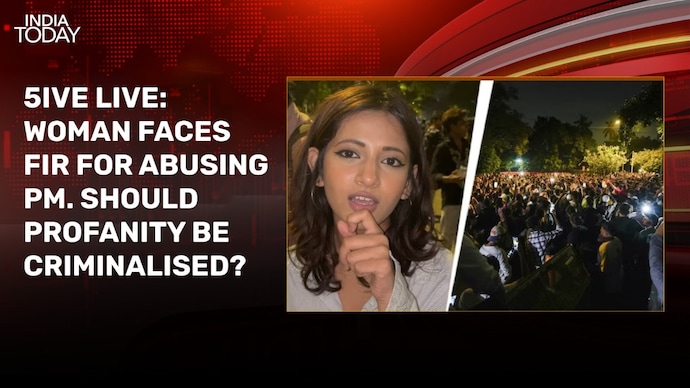
5ive Live: FIR against woman for abusing PM. Should profanity be criminalised?

The programme primarily addresses Gen Z and Gen Alpha student protests, examining online backlash, abusive language, and the resignation of the education minister. Lieutenant Bamji discusses constitutional limits, apologises for aggressive online remarks, and warns against criminalising student language while cautioning against pulling the armed forces into political debates.