Cyclone Akvan disrupts Ranchi air service, cancels 20 flights due to poor visibility
Cyclone Akvan's poor weather cancelled 20 flights and diverted four at Ranchi airport. Conditions should improve from Sunday, but dense morning fog may persist.

Tiny water droplets hanging in the air close to the ground cause fog, a common weather phenomena that impairs visibility. It arises as the air becomes saturated with moisture when temperatures drop, particularly in the early morning or late at night. It resembles a low-lying cloud.
Over the Indo-Gangetic plains, which include Delhi, Uttar Pradesh, Punjab, and Haryana, thick fog usually forms around December and January. Fog is created when moisture condenses into tiny droplets, air near the surface hits the dew point, and the ground cools quickly at night.
Fog might linger for several hours into the morning due to calm breezes and heavy humidity. Transportation and safety are significantly impacted by fog. At major airports, it can cause airline delays and cancellations, interfere with train services, and restrict visibility to a few meters.
For instance, the recent heavy fog in Delhi-NCR caused visibility to drastically decline, resulting in the cancellation of more than 100 flights and extensive travel disruption.
Because pollution particles from industry and automobiles serve as condensation nuclei around which water droplets condense, urban fog can be more severe in urban areas. This makes fog denser and more persistent than in rural areas, and can mix with pollutants to create smog, worsening air quality and health risks.
To help people plan their travels safely and lower the number of accidents, authorities and meteorological departments issue notices and advisories during periods of severe fog.
Fog becomes deeper and more persistent than in rural areas, worsening air quality and health risks. Additionally, it can mix with pollutants to create haze.
By using fog lights, slowing down while driving, and checking weather forecasts before travelling, one can minimise the risks associated with fog.
Delhi NCR's air quality has slightly improved with AQI at 213, aided by weather changes, yet fog and pollution remain concerns.
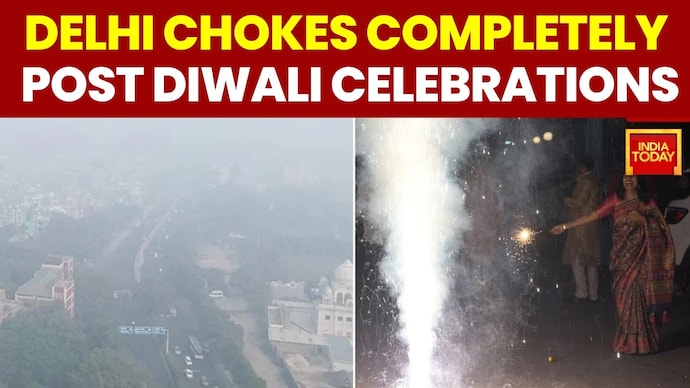
Delhi-NCR's air quality declined sharply after Diwali, with severe pollution and low visibility due to fog and smog. Political blame and stubble burning in Punjab intensified the crisis.
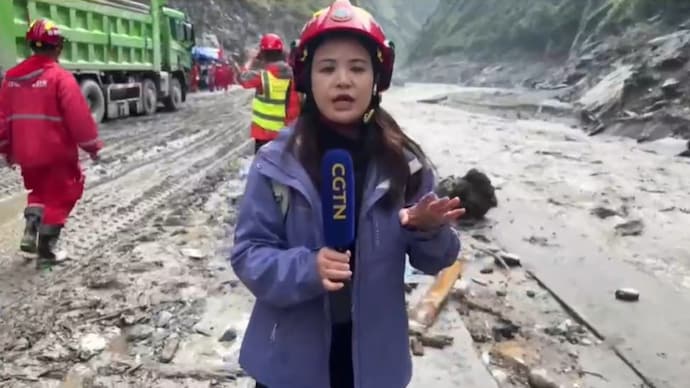
Roads around Gyirong Port in Tibet have been badly damaged by the flash floods, with sections of China National Highway 216 (G216) blocked and clearance operations underway. CGTN journalist Gong Ming, reporting from the site, said work to clear the Gyirong Port route is expected to continue until Tuesday morning. Constant rain and fog are making search and clearance operations difficult. Addressing claims that Chinese construction triggered the floods, experts said the disaster was instead caused by a glacial outburst in the high mountains, which triggered the devastating mudslides.
This India Today special report features a pre-budget roundtable hosted by Rajdeep Sardesai, focusing on the Union Budget 2026 and the challenges facing Finance Minister Nirmala Sitharaman. Top economists, including Neelkanth Mishra, Sajid Chinoy, and Naina Lal Kidwai, analyze India's strategy amidst global geopolitical shifts and the 'fog of uncertainty.' Key discussion points include the 4.4% fiscal deficit target, the impact of 'Operation Sindoor' on defense spending, and the necessity of structural reforms to boost manufacturing. Experts deliberate on easing Press Note 3 to attract Chinese FDI, the role of the 16th Finance Commission, and tax clarity for Global Capability Centres. The panel provides a GDP growth forecast for FY27 between 6.5% and 7%, emphasizing the urgency of micro-reforms in urban infrastructure and agriculture. The report highlights the tension between fiscal consolidation and the need for private investment to jumpstart the economy, exploring trade relations with ASEAN and the importance of export-led growth in a fragmented global order.
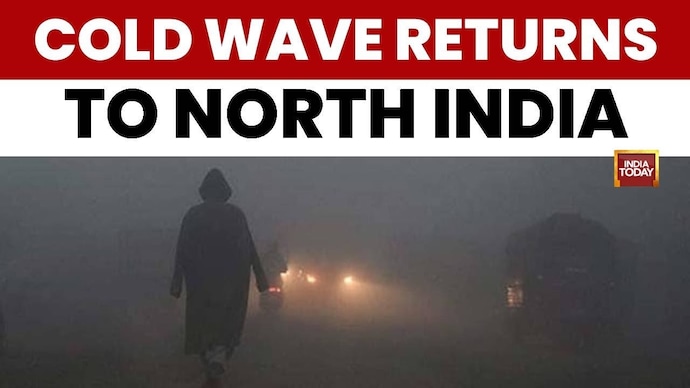
On this Special Report, India Today’s Aman Bhardwaj reports on the intensifying cold wave across North India following fresh snowfall in the higher reaches. The plunge in temperatures has led to dense fog in the plains, significantly reducing visibility in Chandigarh and surrounding areas. Aman Bhardwaj notes that 'Himachal Pradesh road connectivity and electricity or the water supply have been affected in several areas' while Punjab and Haryana face a return of severe cold conditions. Minimum temperatures have dipped to 5 to 6 degrees Celsius in regions including Bathinda, Ludhiana, Amritsar, and Sirsa. The Meteorology Department has advised citizens to wear warm clothes and remain cautious as a new western disturbance is expected on 27th January, which is likely to make weather conditions even more severe. The report highlights the impact of the chilly weather on daily life and infrastructure across the Shivalik hills and the northern plains.
On this Special Report, the focus is on the escalating legal and regulatory action against Indigo Airlines following a massive operational failure in December. Reporter Amit Bhardwaj details how the Centre has informed the Delhi High Court about the cancellation of over 2,100 flights between December 3rd and 5th due to internal scheduling failures. Amit Bhardwaj notes, 'The Centre has also informed the Delhi High Court as to how they have asked Indigo to dismiss the Senior Vice President of Indigo' following a DGCA directive. The report highlights that a financial penalty of ₹22 crore has been imposed on the airline, along with a ₹50 crore security guarantee requirement. The DGCA has specifically flagged the Senior Vice President OCC for the chaos that left thousands of passengers stranded across India. The broadcast explores the government's push for exemplary action and accountability within the civil aviation ecosystem to prevent future disruptions during the peak winter travel season.
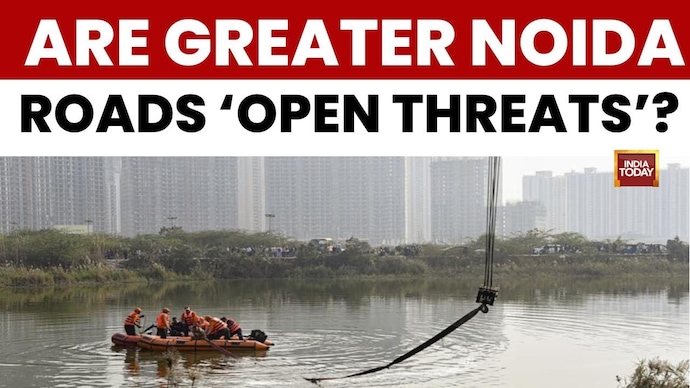
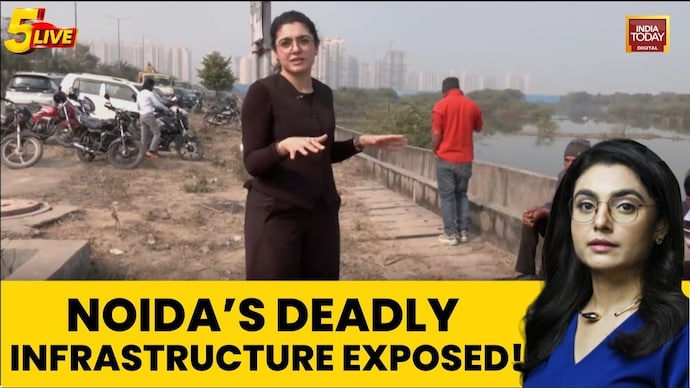
On this Special Report, India Today’s Ashutosh Mishra highlights the alarming systemic negligence in Greater Noida following the tragic death of a youth named Yuvraaj. The ground report reveals how modern roads have become 'open threats' due to unguarded drains running parallel to busy highways near Gaur City and the Delhi-Meerut expressway. Ashutosh Mishra notes that 'In fog or low visibility times, one wrong move can be fatal' due to the complete absence of barricades, warning signs, or protective walls. The investigation found that at the Gaur Chowk underpass, vehicles move alongside deep, unprotected drains, creating deadly blind spots. While authorities have begun installing warning strips in Tech Zone 4, Bishrakh, the report emphasizes that such actions only followed a loss of life. The programme demands accountability for the callous infrastructure lapses that continue to put commuters, including two-wheelers and auto-rickshaws, at extreme risk every day.
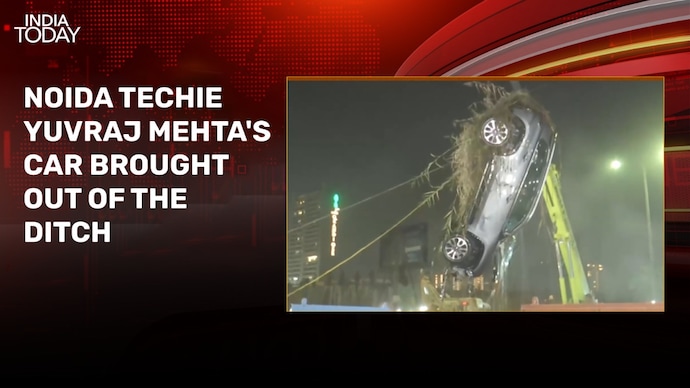
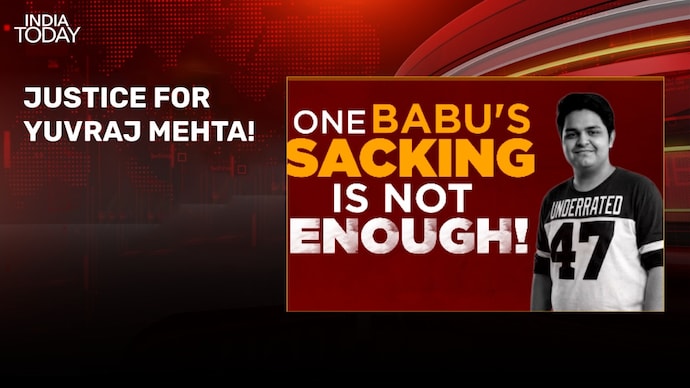
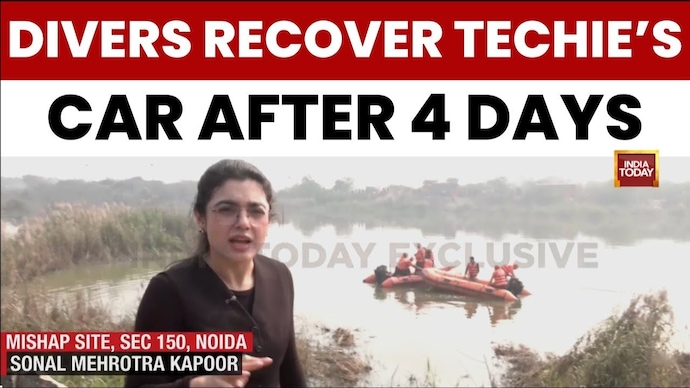
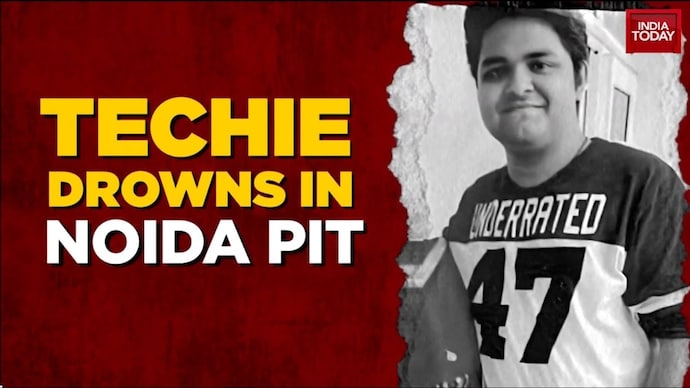
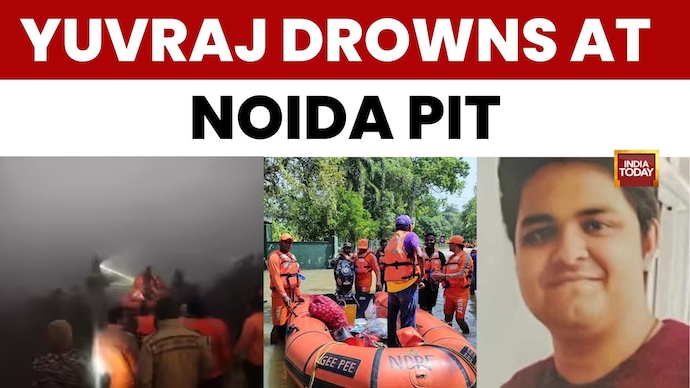
Four days after the accident, authorities pulled out the car of the tech professional Yuvraj Mehta, whose car plunged into a water-filled pit in Greater Noida on Friday night.
This Special Report examines the escalating political confrontation in the Tamil Nadu Assembly, where Governor R.N. Ravi staged a walkout for the fourth consecutive year. The Governor declined to deliver the customary address, alleging the state-prepared text contained inaccuracies regarding investment figures and women's safety. Chief Minister M.K. Stalin retaliated by moving a resolution to record only the approved speech, accusing the Governor of violating constitutional traditions. The program also investigates a fatal infrastructure failure in Noida’s Sector 150, where 27-year-old software engineer Yuvraj Mehta died after his vehicle plunged into a 30-foot deep, water-filled construction pit. The report highlights allegations of administrative negligence and delayed rescue efforts during the 72-hour recovery operation. Additionally, the broadcast covers the ongoing plight of Rameswaram fishermen facing arrests and harassment by the Sri Lankan Navy in the Palk Strait. Panelists including Salem Dharanidharan and K.C. Palaniswamy debate the erosion of democratic conventions and federal friction in non-BJP ruled states like Tamil Nadu and Kerala.
This India Today Special Report, led by Sonal Mehrotra Kapoor, investigates the death of 27-year-old Yuvraj Mehta in Noida’s Sector 150. Mehta drowned after his vehicle plunged into a 30-foot water-filled ditch at a stalled construction site managed by MZ Wishtown. The investigation details a six-hour rescue delay and a lack of essential equipment despite the victim’s emergency calls. The site lacked barricades, reflectors, and streetlights, leading to the arrest of builder Abhay Kumar and the removal of the Noida Authority CEO following Chief Minister Yogi Adityanath's intervention. The report examines systemic failures and the Allahabad High Court’s observations on corruption within the Sports City project. Additionally, the broadcast covers global updates from Davos, including Indian CEOs meeting US President Donald Trump and European Union discussions regarding a Free Trade Agreement with India. Finally, the report notes the revocation of GRAP Stage IV measures in Delhi-NCR as regional air quality levels showed marginal improvement.
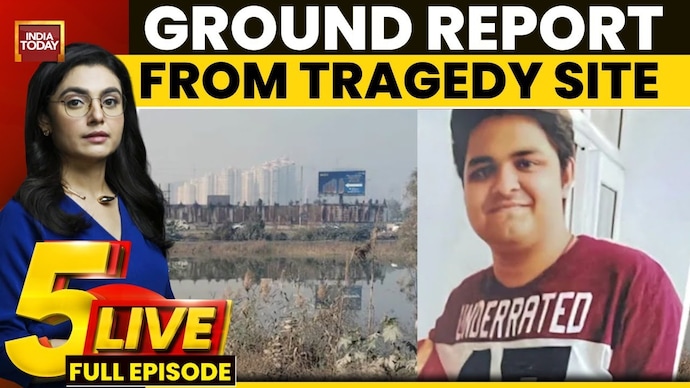
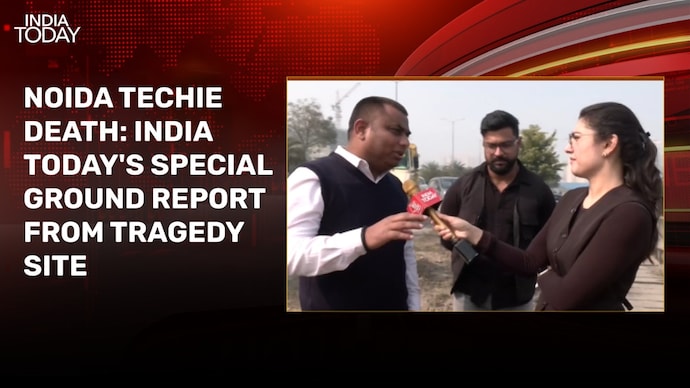
In this edition of 5 Live, India Today's Sonal Mehrotra Kapoor brings this ground report from the accident site where 27-year-old software engineer Yuvraj Mehta drowned after his car plunged into a 30-foot water-filled pit in Noida’s Sector 150 on Friday night.
On this Special Report, Sonal Mehrotra Kapoor investigates the hazardous infrastructure in Noida following a tragic accident where a car plunged into an open ditch. Reporting from the site, Kapoor highlights that 'all of these, mind you, are death traps in waiting,' pointing out the lack of barricades, street lights, and mobile network in high-end residential zones. The transcript reveals that despite residents paying crores for premium apartments, basic safety measures like reflectors and zebra crossings are absent. Local reporters Bhupender and Aruna join the discussion, noting that the Noida Authority had been warned for six years about these risks. The report questions the accountability of the Noida Authority and the Irrigation Department, especially after the recent transfer of the Noida Authority CEO. Kapoor emphasizes that this is not just an accident story but a systemic failure where affluent living spaces are surrounded by 'absolute ditches,' demanding fixed accountability beyond mere administrative transfers.
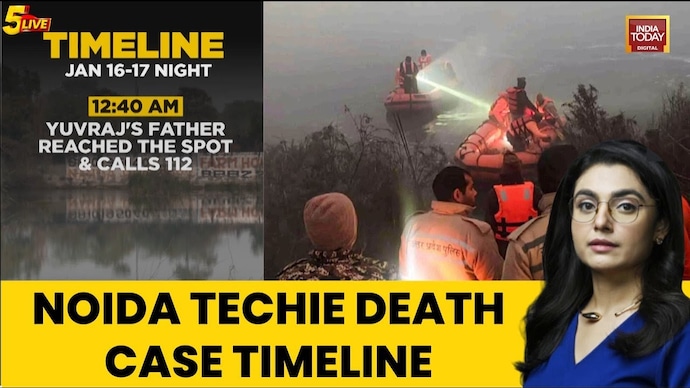
This report details the tragic death of a 27-year-old man in Noida's Sector 115 after his car plunged into a water-filled ditch during a night of heavy smog and zero visibility. The victim made a final, desperate call to his father at 12:10 am, stating, 'he's about to die and that he's drowning in a ditch.' Despite the father arriving nearby, the rescue was severely hampered by poor visibility and a lack of coordination between departments. Eyewitnesses alleged that the fire department hesitated to enter the water, citing cold temperatures and construction debris, eventually waiting for the State Disaster Response Force (SDRF). The SDRF reportedly arrived at 3:30 am without boats, and the first rescue boat was only deployed at 6 am, six hours after the initial incident. By the time help reached the vehicle, the young man had already drowned, raising serious questions about the efficiency of emergency response protocols in the region.
In this special report, India Today's Sonal Mehrotra Kapoor provides a harrowing minute-by-minute breakdown of the tragic death of 27-year-old Yuvraj Mehta in Greater Noida.
On this special report, Sonal Mehrotra Kapoor provides a harrowing minute-by-minute breakdown of the tragic death of 27-year-old Yuvraj in Greater Noida. The victim drowned after his Grand Vitara plunged into a water-filled ditch at an 'L-point' with zero visibility and no safety barricades. Kapoor highlights the systemic failure, noting, 'authority after authority failed to save the life of an individual, a young promising individual.' Despite Yuvraj being alive and signaling for help with his phone flashlight for over two hours, the fire department lacked adequate equipment, and the SDRF arrived only after he had stopped responding. The report reveals that the spot was already dangerous due to a previous accident, yet no reflectors or CCTV were installed. It took four days of media pressure for the NDRF and SDRF to finally begin the recovery of the vehicle, raising serious questions about the accountability of the Noida Authority and emergency response protocols.
This special report focuses on the recovery operation in Noida's Sector 150, where SDRF and NDRF divers were deployed to retrieve the Grand Vitara belonging to Yuvraj Mehta. The 27-year-old software engineer tragically drowned after his vehicle plunged into a water-filled construction pit during dense fog. The speaker notes, 'It's taken four days for the authorities to finally wake up,' highlighting the delay in the recovery of the vehicle. The report points out critical safety lapses at the site, including a broken boundary wall from a previous accident and a complete lack of barricades or reflectors at the sharp 'L-shaped' turn. Following intense media coverage and public outrage over the incident, the Uttar Pradesh government has removed the Noida Authority CEO and ordered a Special Investigation Team (SIT) probe. The programme examines the administrative negligence and the absence of basic safety infrastructure that led to the fatal accident.
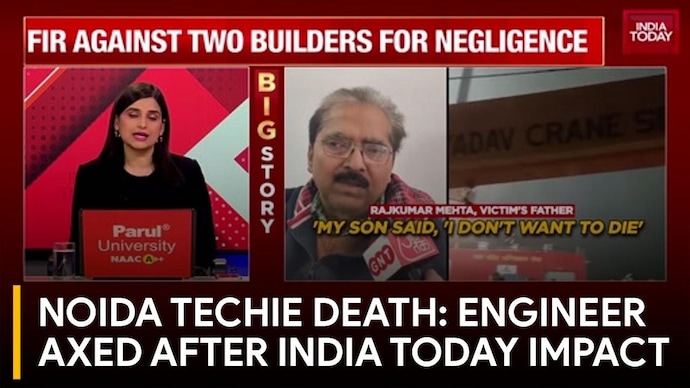
This report highlights a significant India Today impact following the tragic death of a 27-year-old software engineer, Yuvraj Mehta, in Noida's Sector 150. The Noida Authority has axed an engineer in the traffic cell after investigations revealed a total lack of reflectors and warning signs at the mishap site. The victim's father recounted the harrowing final moments, stating his son called him saying, 'Papa, I don't want to die,' while trapped atop his car in a 30-foot waterlogged pit. The transcript details how the techie plunged into the under-construction mall site during blinding fog and signaled for help using his phone's flashlight for hours. Following the incident, the builder has been ordered to submit detailed project reports, and a safety audit of all construction sites is underway. The programme examines the alleged negligence of officials and the delayed rescue operations that led to this unfortunate fatality.
In a harrowing incident of civic negligence in Noida, 27-year-old software engineer Yuvraj Patel lost his life after his car plunged into an unguarded, 30-foot-deep waterlogged construction pit during dense fog. The victim's father, who reached the spot after receiving a desperate SOS call, questioned the efficiency of the rescue operations. He stated, 'The problem is that they did not have a swimming personnel and they did not have a boat, so that they can reach to the shore by boat and help him.' The report highlights multiple lapses, including the absence of reflectors or warning signs at the mall construction site. Eyewitnesses and the family alleged that rescue teams, including the police and fire brigade, faced significant delays and lacked the necessary equipment to reach the victim in time. The tragedy has sparked outrage over the lack of accountability and safety protocols at construction sites in the city.
On this India Today Special Report, Shreya Chatterjee provides details on the tragic death of Yuvraj, a 27-year-old software engineer who drowned after his car plunged into a water-filled construction pit in Noida Sector 150. Following an India Today Impact, an FIR has been registered against M.J. Wishtown Planner Ltd. and Lotus Green Construction Pvt. Ltd. based on a complaint by the victim's father. Shreya Chatterjee notes that 'there were no reflectors, nothing that was actually to avoid that kind of an understanding that it was there on the road.' The incident occurred during dense fog when the victim's car collided with a boundary and fell into a 70-foot deep drainage basin. The victim's father recounted a harrowing final phone call where his son pleaded for help. The Noida Authority had reportedly allotted the plot where construction had been stalled since 2021, and authorities are now probing multiple safety violations.
In a tragic incident in Noida, a young man named Yuvraj lost his life after his vehicle plunged into a 30-foot waterlogged construction pit intended for a mall complex. The accident occurred during dense fog when the victim lost control of his speeding car. According to the report, 'Yuvraj reportedly kept calling for help for nearly two hours before his body was eventually recovered from the water.' Despite rescue teams arriving at the spot, it took nearly four hours to retrieve the vehicle from the flooded basement. The victim's father, who was present at the site, has alleged serious failures on the part of the rescue team. The incident has highlighted severe safety lapses at the construction site, including the total absence of protective walls or reflectors to warn motorists. The tragedy serves as a grim wake-up call regarding urban safety standards and the efficacy of emergency response in the region.