Why BRS leader KT Rama Rao calls alliance with BJP an ‘absurd idea’
From delimitation to Gen Z protests, Bharat Rashtra Samithi working president K.T. Rama Rao’s take on issues at the India Today Conclave South

Born between the late 1990s and the 2000s, Gen Z or Generation Z is rapidly reshaping global politics, workplace norms and cultural trends as the first true digital-native generation. In 2026, their influence is becoming increasingly visible across sectors.
In politics, Gen Z has evolved into a formidable force. The year 2025 saw youth-led, digitally driven movements push for major policy changes in countries such as Nepal, Madagascar, Bulgaria and Peru. In India, their impact has been evident in recent elections, including in Tamil Nadu and West Bengal, where young voters demanded accountability and issue-based politics over traditional loyalties. Much of this mobilisation is happening online, with platforms like Discord and Reddit emerging as hubs for organising campaigns and spreading awareness.
In the workplace, Gen Z is redefining success. Rather than chasing traditional leadership roles, many prioritise a balance between income, purpose, and well-being. Flexible careers, continuous learning, and side hustles are becoming the norm, while attitudes towards artificial intelligence remain mixed, viewed both as a threat and an opportunity.
Culturally, Gen Z is marked by pragmatic idealism and strong advocacy for inclusivity and mental health. Trends like “underconsumption core” and “loud budgeting” reflect a shift towards financial caution and sustainability, while a revival of 1990s and Y2K aesthetics highlights their search for comfort in uncertain times.
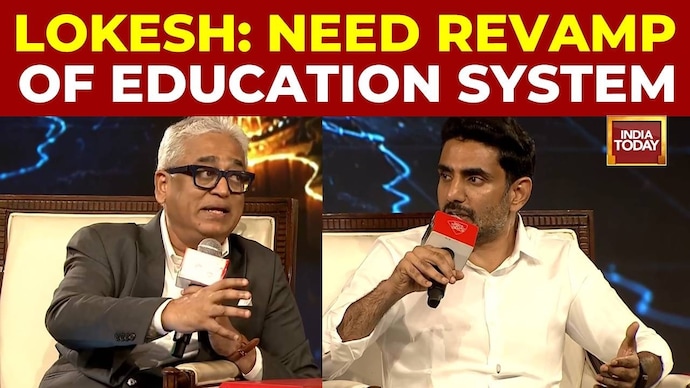
Speaking at the India Today South Conclave, Andhra Pradesh Minister for HRD, IT and Electronics Nara Lokesh addressed key national and state issues, including political controversies surrounding the Election Commission and Special Summary Revision of electoral rolls. He defended the institutional integrity of the poll panel, remarking that it is easy to blame the Election Commission after losing an election. Highlighting TDP's role as an ally of the NDA, he affirmed that the party raises concerns and gives constructive input internally. Lokesh outlined significant educational reforms in Andhra Pradesh, including transparent recruitment of sixteen thousand teachers and student tracking to prevent dropouts. Emphasising future readiness, he declared, "the education system has to be realigned with the requirements of Bharat of tomorrow, not of yesterday," underscoring efforts to introduce artificial intelligence and quantum computing to prepare youth for modern industry challenges.
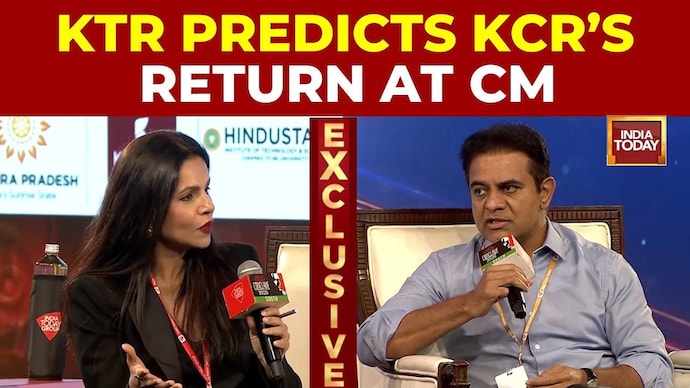
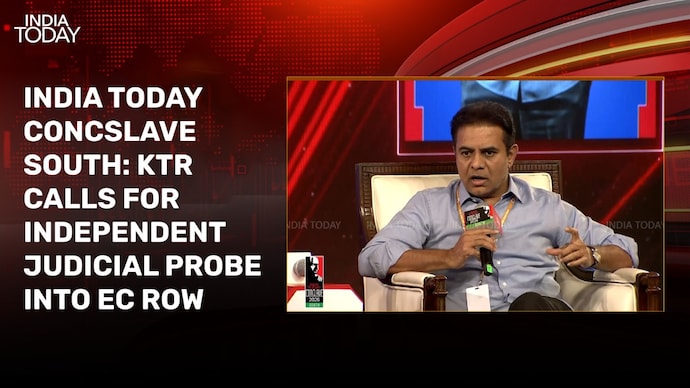
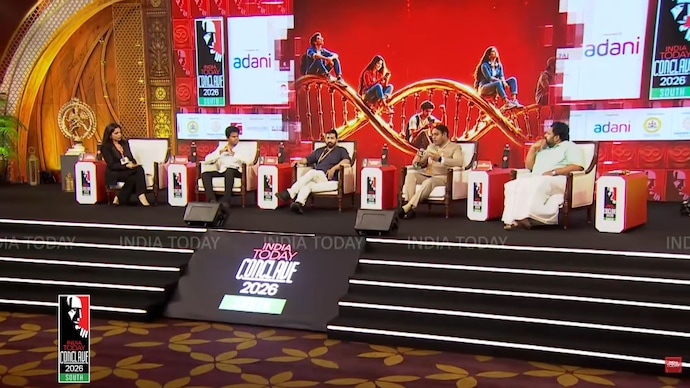
Speaking at an India Today event in Kochi, Bharat Rashtra Samithi working president KT Rama Rao addressed key national and state political issues. Speaking on scrutiny surrounding the Election Commission, he stated, "The EC seems to be broken," and urged the Supreme Court to initiate an independent judicial probe. On delimitation, he said the southern states must retain their 24 percent representation in Parliament before BRS considers supporting the measure. Rejecting any possibility of an alliance with the BJP, he emphasized that BRS remains ideologically opposed to both national parties. Discussing youth protests and movements led by Gen Z, he welcomed political accountability. He also ruled himself out as the chief ministerial candidate for the upcoming assembly elections, reiterating that party founder K. Chandrashekar Rao remains the face of BRS. Highlighting his party's track record, Rama Rao pointed to Telangana's growth in GSDP, per capita income, and IT jobs, defending its transition into a key economic engine.
Speaking in an exclusive interview at the India Today South Conclave in Kochi, Andhra Pradesh Minister for HRD and IT Nara Lokesh addressed scrutiny surrounding the Election Commission of India. Defending institutional transparency, Lokesh dismissed opposition claims of bias, remarking, "Is the system perfect? Absolutely not. There are areas of improvement like any system is." He criticised political rivals for questioning electoral processes without field-level booth preparation, noting that parties often praise systems when victorious but blame the commission upon defeat. Lokesh clarified the Telugu Desam Party's position within the National Democratic Alliance, affirming that while the TDP maintains its own voice on matters like the Waqf bill, it raises concerns internally rather than through public agitation. He also reflected on India's youth demographics, pointing to a non-partisan movement among younger generations demanding administrative reform and governance solutions.
At the India Today Conclave South 2026, BRS working president KT Rama Rao ruled out an alliance with the BJP, backed KCR as the party’s chief ministerial face and promised a comeback.
Nara Lokesh said he chose the education portfolio to contribute at scale. He stressed exam reforms, AI and quantum courses, and a 20-lakh jobs target. He backed proportional representation in delimitation and flagged AP's low fertility rate of 1.5.
Gen Z is pushing for a transformation of the existing system, with governments also needing to acknowledge their shortcomings, Andhra Pradesh minister Nara Lokesh said at the India Today Conclave South 2026.
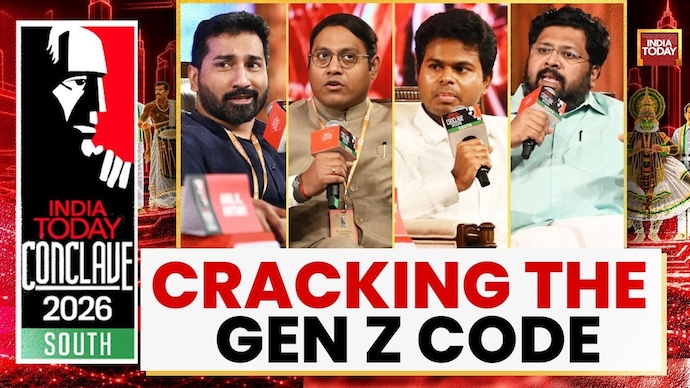
At the India Today Conclave South, a panel on Gen Z's political voice explored the issues shaping young voters and their growing influence on Tamil Nadu politics. TVK spokesperson M Sathya Kumar attributed the party’s reported 68 per cent support among Gen Z voters in the last Assembly election to Vijay’s focus on jobs, better governance, government efficiency and direct communication with young people. He said Gen Z was seeking “truthful conversations”, integrity and values from political leaders, adding that Vijay’s messaging had resonated strongly with this generation. BJP’s Anil K Antony offered a different perspective, arguing that the BJP’s recent electoral performance reflected continued support among younger voters. He pointed to the growth of startups, high-technology sectors and employment opportunities, saying the party would continue working with the younger generation. Congress leader KS Shabareenathan, however, said issues such as graduate unemployment remained inadequately addressed and argued that young voters were increasingly looking for leaders who demonstrated honesty, integrity and an understanding of their concerns. CJP South India In-Charge Vijay Reddy Mallangi linked the growing political engagement of young voters to broader concerns, including the credibility of the electoral process. Referring to the protests at Jantar Mantar, he said sustained efforts had driven the mobilisation and suggested similar protests could emerge elsewhere. The panel, which brought together representatives from TVK, BJP, Congress and CJP, highlighted how employment, governance, political integrity and trust in electoral institutions are becoming central to the political engagement of younger voters.
A televised panel discussion examines how political parties in India engage with youth voters, analyzing demographic voting patterns, graduate unemployment, and electoral reform. Representatives from the Bharatiya Janata Party, the Indian National Congress, and Tamilaga Vettri Kazhagam debate core youth issues, including government paper leak controversies, campus politics, social media activism, and public demonstrations at Jantar Mantar. Panellists address graduate unemployment statistics, technology sector growth, startup expansion, fiscal management, and youth representation in Parliament alongside calls for electoral accountability, voter list transparency, and state administrative governance reforms.
Following the Delhi University Students Union election results where the ABVP secured three seats while the Congress's student wing NSUI won zero, Rahul Gandhi is set to hold a brainstorming session with NSUI chief Vinod Jakhar, in-charge Kanhaiya Kumar, and senior party leader K.C. Venugopal at his residence. The party is introspecting on why youth votes leaned towards the ABVP despite expectations surrounding Gen Z anti-establishment sentiment. A party representative noted that discussions focused on strengthening organisational presence across campuses, countering institutional influence, and addressing concerns regarding educational standards and university administration.
Congress leader Rahul Gandhi convened an introspection meeting with National Students' Union of India leaders, including NSUI in-charge Kanhaiya Kumar and NSUI president Vinod Jakhar, following the student outfit's defeat in the Delhi University Students' Union elections. The Akhil Bharatiya Vidyarthi Parishad won three out of four central panel seats, while an independent candidate, NSUI rebel Deepanshu Shaukeen, clinched the post of vice president. The student wing of the Congress party failed to win any seats in the central panel. Internal controversy erupted regarding ticket distribution, after multiple rebels, including Shaukeen and Vishesh Yadav, were denied tickets and contested independently, damaging the official candidates' chances. Party leaders, alongside senior leader KC Venugopal, gathered to analyze the election debacle, review the candidate selection process, and assess the impact on the party's outreach to youth and Gen Z voters.
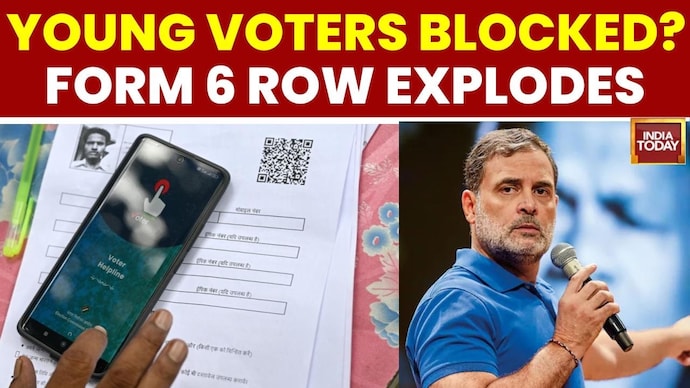
The Congress party has escalated its attack on the Election Commission of India over changes introduced to Form 6, which is required for new voter registration. Alleging that alterations were made without statutory notification or required rule amendments under the Representation of the People Act, the party argued that the Chief Election Commissioner lacked the power to amend the form. Congress leaders demanded the resignation of Chief Election Commissioner Gyanesh Kumar and urged the Supreme Court to take suo motu cognizance of the matter, citing barriers created for first-time young voters. Concurrently, broader consultations have begun among opposition outfits under an expanded front. Archrivals Trinamool Congress and the Communist Party of India (Marxist) held telephonic talks, with Mamata Banerjee and M.A. Baby discussing joint opposition action and nationwide campaigns. Outfits including the Aam Aadmi Party, Biju Janata Dal, Bharat Rashtra Samithi, and DMK have also been approached to build a common platform against alleged commission irregularities.
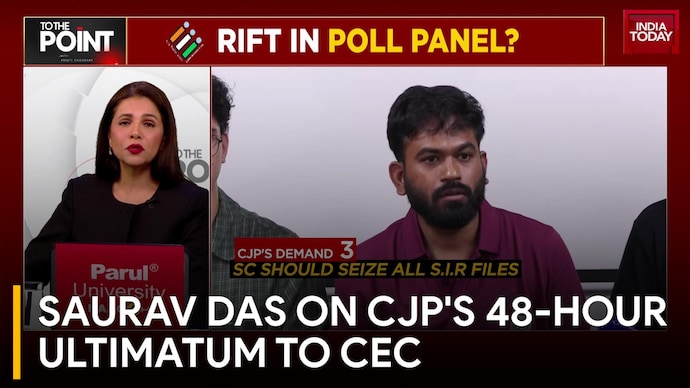
Speaking on the growing controversy over the Election Commission, Cockroach Janta Party spokesperson Saurav Das addressed the 48-hour ultimatum issued for the resignation of Chief Election Commissioner Gyanesh Kumar. Das warned of a Jantar Mantar-style agitation, alleging the mass disenfranchisement of 13 crore voters through the Special Intensive Revision. He asserted, 'The only question of credibility here is of the Election Commission of India,' adding that youth and Gen Z voters are being systematically excluded.
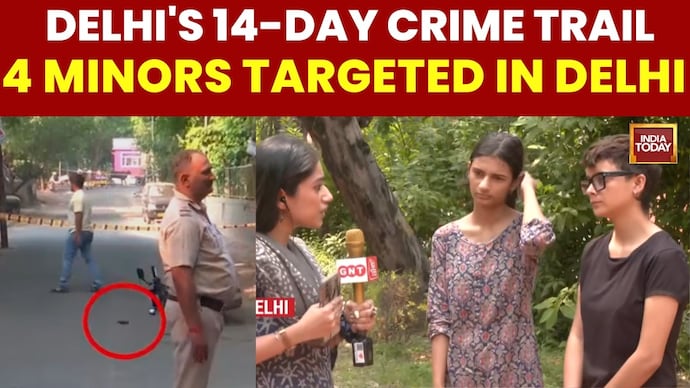
Tension and serious safety concerns have gripped students near Lady Shri Ram College for Women in South Delhi following an encounter operation involving a rape accused, identified as Asif, near the campus. According to reports, police detained the suspect after shooting him in the leg when he opened fire. Classes were promptly shifted online as the area remained deserted. Students expressed deep frustration over persistent safety issues around the college back gate and the route toward Moolchand, citing recurring harassment, inadequate police patrolling, and non-functional infrastructure like pink booths. Voicing their distress, students questioned why basic security measures must be demanded through protests rather than provided proactively by authorities. Teachers have also stood in solidarity with the safety concerns raised by the students as plans for a solidarity march were discussed.
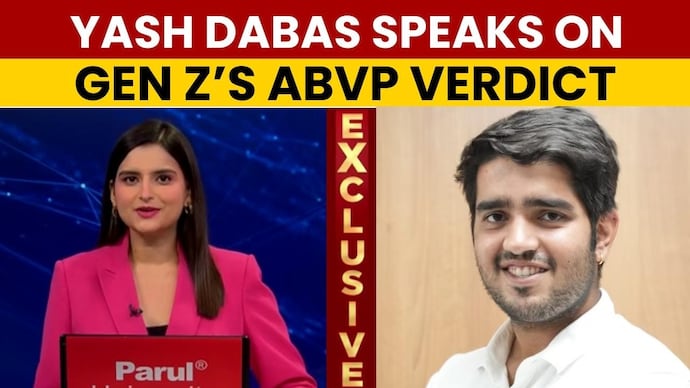
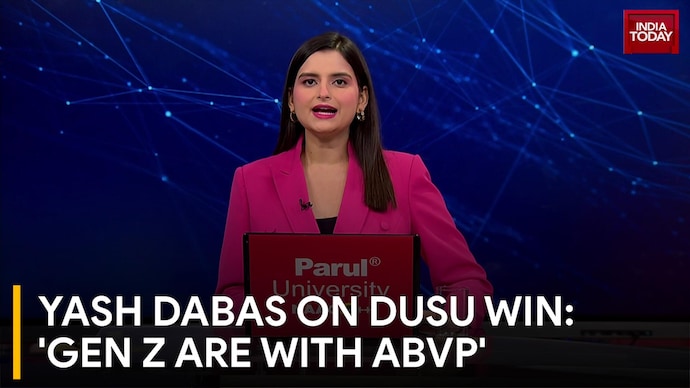
In an exclusive interview following his victory in the Delhi University Students' Union (DUSU) elections, newly elected President Yash Dabas addressed the intense contest against NSUI's Vijay Meena. Highlighting the student body's trust in ABVP, Dabas stated, "Gen Zs are with ABVP, Gen Zs are with nation," dismissing opposing political narratives. He credited the organization's round-the-year grassroots activism and united front for securing the presidential post by a margin of over 2,000 votes. Touching upon his campaigning strategy, Dabas described how modern digital outreach and volunteer support helped connect directly with young voters across university campuses. Outlining his key administrative priorities, he pledged to conduct comprehensive safety audits of all paying guest accommodations, hostels, and colleges in the wake of the Satya Niketan incident to ensure student safety, while committing to full accountability and the resolution of long-standing student welfare issues across Delhi University.
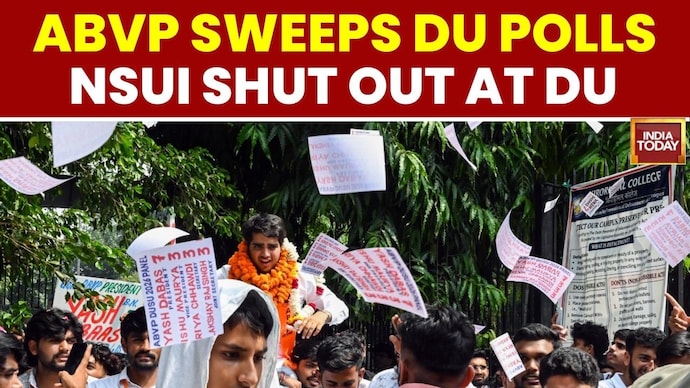
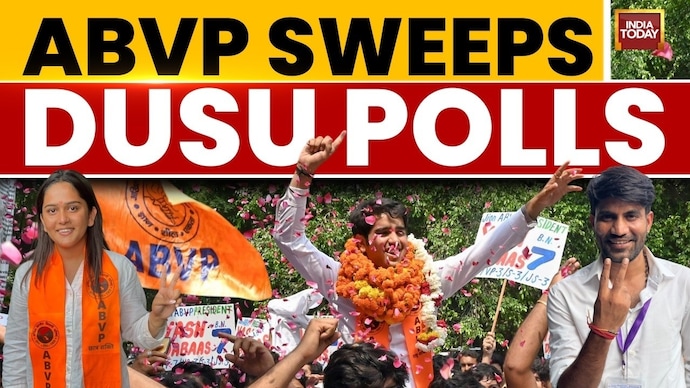
The Akhil Bharatiya Vidyarthi Parishad registered a decisive victory in the Delhi University Students' Union elections, winning three out of the four central panel positions. The BJP student wing bagged the posts of president, secretary, and joint secretary, while the vice president post went to an independent candidate. The Congress-backed National Students' Union of India suffered a complete rout, failing to secure a single seat on the central panel despite early counting leads. The election outcome reflects the resonance of Prime Minister Narendra Modi's youth-centric outreach and engagement with Gen Z voters following recent student protests across the national capital.
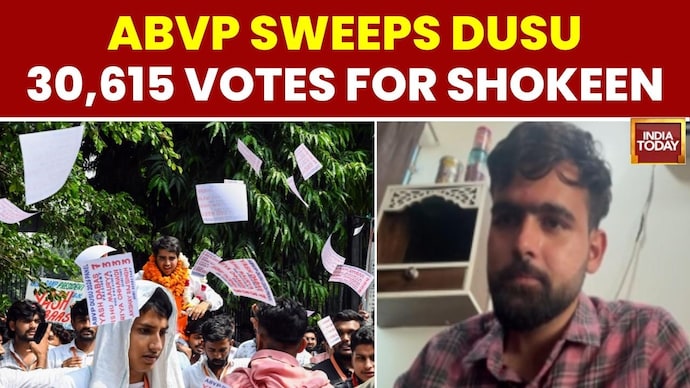
The Akhil Bharatiya Vidyarthi Parishad (ABVP) registered a major victory in the Delhi University Students Union (DUSU) elections, securing three out of the four central panel posts. The Congress-backed National Students' Union of India (NSUI) suffered a complete washout, failing to secure a single position on the central panel. The BJP hailed the verdict, with Union Minister JP Nadda asserting that it reflected the youth's faith in the vision of Viksit Bharat. Meanwhile, the Congress alleged malpractices during counting and called for an examination of the process. In a historic outcome, independent candidate Deepanshu Showkin, denied an NSUI ticket, won the Vice President post with a record margin of over 30,000 votes. Newly elected ABVP representatives highlighted women's safety, student welfare, and campus infrastructure as their top priorities.
Newly elected Delhi University Students' Union (DUSU) president Yash Dabas from the Akhil Bharatiya Vidyarthi Parishad (ABVP) addressed the student body after the ABVP secured three of four central panel posts. Emphasising student backing, Dabas asserted that "Gen Z are with ABVP Gen Z are with nation" and credited year-round ground work by ABVP workers across university colleges for his 2,100-vote presidential victory over the National Students' Union of India (NSUI). Outlining his primary executive priorities, Dabas announced that the union's first task will be conducting safety audits of every paying guest (PG) accommodation, hostel, and college premises following a recent incident in Satya Niketan. He stated that the audit reports will be published in the public domain, unsafe accommodations will face closure, and renovation demands will be pursued. Dabas committed to addressing lingering campus issues and maintaining direct accountability to students throughout his tenure.
The Akhil Bharatiya Vidyarthi Parishad registered a major victory in the Delhi University Students' Union elections by securing three out of the four central panel posts, including president, secretary, and joint secretary. The post of vice president was won by an independent candidate, while the National Students' Union of India failed to win any seats in the central panel. Union Ministers and Bharatiya Janata Party leaders hailed the mandate as an endorsement of positive youth politics and national ideology among Gen Z voters. Newly elected ABVP representatives outlined their focus on student welfare, campus safety, and nationalism. Meanwhile, the Congress and NSUI raised concerns alleging irregularities and rigging during the election process. The bulletin examines the political significance of the student election outcome, the shifting trends among student voters, internal factionalism within student wings, and the nationwide youth outreach programmes led by key political leaders.
The Akhil Bharatiya Vidyarthi Parishad registered a major victory in the Delhi University Students' Union elections by securing three central panel posts, including President, Secretary, and Joint Secretary. An independent candidate, Deepanshu Chaukina, secured the post of Vice President. The elections witnessed a tight contest following recent nationwide student movements, with counting trends showing the National Students' Union of India leading in the initial fifteen rounds before the Akhil Bharatiya Vidyarthi Parishad took the lead. Following the declaration of the results, the winning candidates gathered at the Arts Faculty near the statue of Swami Vivekananda to celebrate the victory. The political significance of student elections was highlighted in the broadcast, referencing former student leaders who advanced to national politics. Union leaders and ministers extended congratulations as the youth outreach strategies played a key role in the student union polls.
The Bharatiya Janata Party celebrated the Akhil Bharatiya Vidyarthi Parishad's victory in the Delhi University Students' Union elections, with Union leaders congratulating the winning candidates. ABVP secured the presidential post in the university polls by two thousand votes, building on previous campus victories such as Chandigarh, while planning upcoming contests in institutions like the University of Hyderabad. The results were analysed alongside challenges faced by the National Students' Union of India, where internal rebellion significantly impacted key posts. NSUI cadres who were denied official tickets contested as independent candidates for the vice president and joint secretary positions, dividing the opposition votes. The discussion also highlighted how student politics and youth voting patterns have shaped recent university elections across northern India despite controversies surrounding paper leaks and campus protests.