Vietnamese crab exporter

Topic

Advertisement
TOPIC

GRAP

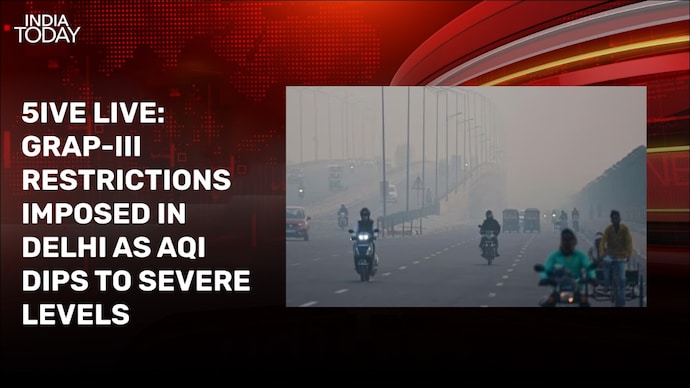
The Graded Response Action Plan (GRAP) is a set of emergency measures to prevent further deterioration of air quality in Delhi-NCR as pollution levels rise. Approved by the Supreme Court in 2016 and notified by the Environment Ministry in 2017, it is implemented by the Commission for Air Quality Management (CAQM) since 2021. GRAP has four stages, triggered by the Air Quality Index (AQI): Stage I (Poor, 201–300), Stage II (Very Poor, 301–400), Stage III (Severe, 401–450) and Stage IV (Severe Plus, above 450). Measures include dust control, construction monitoring, vehicle checks and curbs on polluting activities.

  • ALL
  • STORIES
  • VIDEOS

STORIES

Load More

VIDEOS

Delhi Air Quality In Severe Zone; Farm Fires Rise In Punjab Ahead Of Diwali

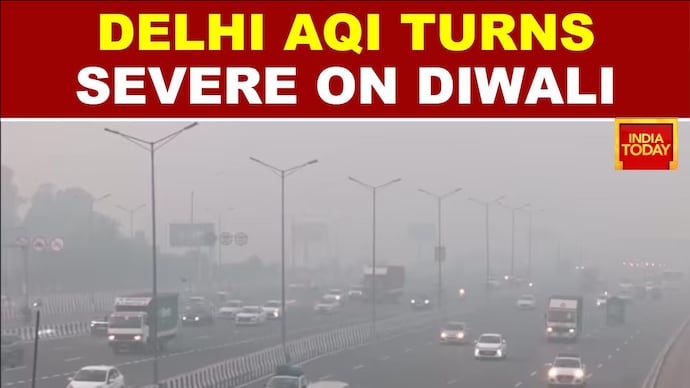
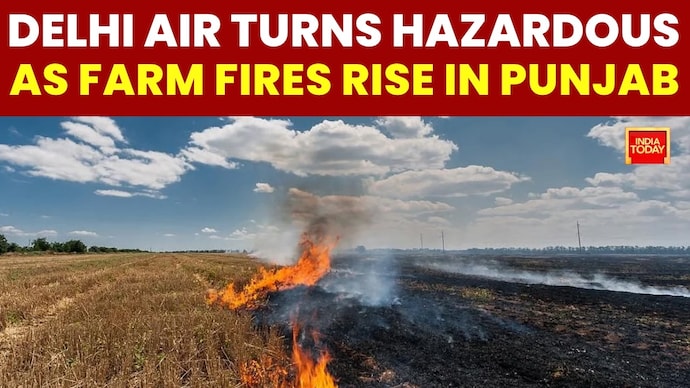
Air quality across the national capital remained in the severe and hazardous category ahead of Diwali, with multiple monitoring stations recording an Air Quality Index crossing the 400 and near-500 mark. Areas including Rohini and IIT Delhi recorded severe levels above 470, while thick layers of smog reduced visibility across landmarks such as the Akshardham temple. Health advisories highlighted severe risks of respiratory distress, particularly for children and the elderly. Meanwhile, ground data revealed over 2,700 farm fire cases registered in Punjab till November 5, with Tarn Taran district recording the highest number of stubble burning incidents. Political contention intensified over agricultural fires as authorities face persistent challenges in checking seasonal pollution levels. The toxic atmospheric conditions also led to sporting disruptions, including the shifting of the India-Sri Lanka ODI from Delhi to Visakhapatnam due to hazardous weather conditions.

Delhi AQI Breaches 500 Mark Ahead Of Diwali; India-Sri Lanka ODI Moved Out

Delhi and the National Capital Region continue to reel under severe and hazardous air quality ahead of Diwali, with average Air Quality Index levels crossing the 500 mark. Dense smog enveloped parts of Delhi and Noida, with monitoring stations in Rohini and Punjabi Bagh recording AQI readings of 473 and 464 respectively. Calm wind conditions and geography have trapped pollutants from local and external sources, rendering measures under the Winter Action Plan and Graded Response Action Plan Stage 2 inadequate on the ground. The worsening air quality has also disrupted sporting fixtures, prompting the Board of Control for Cricket in India to shift the first One Day International between India and Sri Lanka from Arun Jaitley Stadium in Delhi to Visakhapatnam. The move recalls the December 2017 Test match where visiting Sri Lankan players wore masks and experienced respiratory distress. Experts and ground reports emphasize the absence of preventive, long-term interstate planning between the Centre and states to curb the seasonal pollution crisis.

Delhi Air Quality Worsens Ahead of Diwali as Smog Rises and GRAP 2 Curbs Fail on Ground

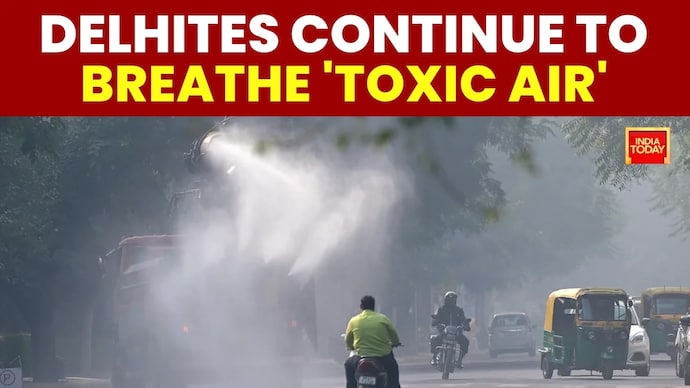
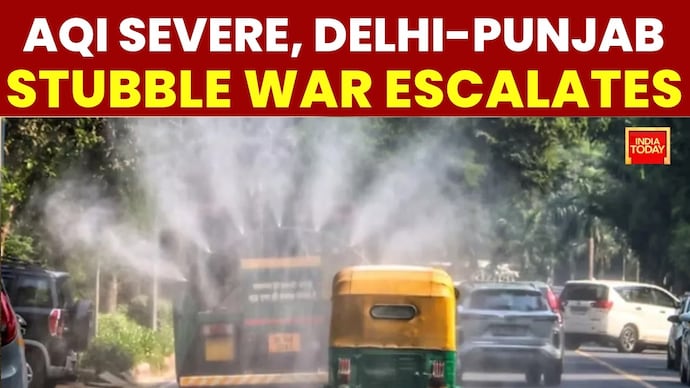
Delhi continues to battle severe air pollution ahead of Diwali as thick smog engulfs the national capital region, with the Air Quality Index touching hazardous levels of up to 700 at peak hours. Despite curbs enforced under GRAP 2 and the winter action plan, including restrictions on certain vehicles and halted construction work, there is little visible impact on the ground. Thousands of vehicles continue to ply on roads amid bustling festive markets. While governments engage in recurring blame games over stubble burning in Punjab, experts note implementation gaps as pollution levels worsen across the capital.

Delhi AQI Breaches 400 in 18 Areas; Smog Envelopes NCR as AAP-BJP Clash

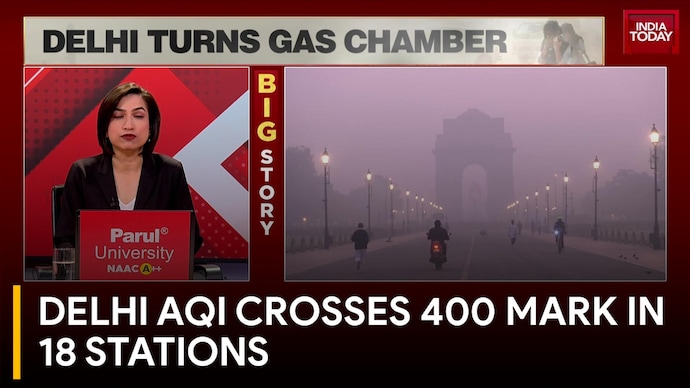
Air quality across Delhi-NCR plunged into the severe category just ahead of Diwali, with the Air Quality Index (AQI) breaching the 400 mark at 18 monitoring stations, according to Central Pollution Control Board data. Severe levels were reported in several locations, with Jahangirpuri recording the highest AQI at 459, followed by IIT Delhi at 447 and Delhi Technological University at 436. Thick smog blanketed the skyline, triggering health complaints of eye irritation and breathing difficulties. Authorities noted the enforcement of Graded Response Action Plan measures, with stricter restrictions under consideration as weather forecasts predict severe conditions over the coming days. The deteriorating air quality sparked a sharp political dispute between the Delhi and Punjab governments over stubble burning. While allegations were raised accusing Punjab of failing to curb farm fires, Punjab Chief Minister Bhagwant Mann dismissed the claims, maintaining that local farmers were not responsible for the national capital's toxic air.

Delhi Air Quality Turns Severe, Stubble Burning Spikes Farm Fires in Punjab

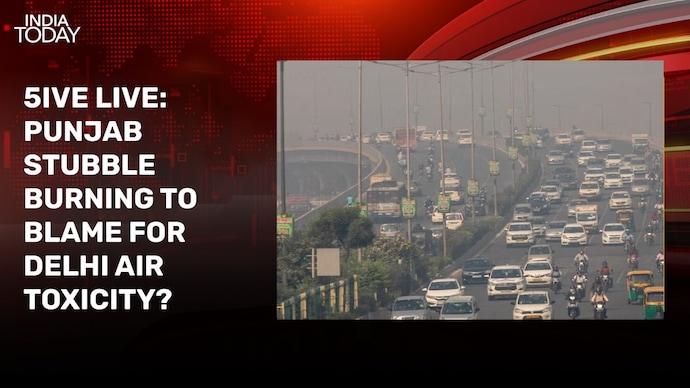
Air quality across the national capital has deteriorated into the hazardous and severe category, with the Air Quality Index crossing the 400 mark across 18 stations in Delhi. Jahangirpuri emerged as the worst affected area, recording an index of 459, while monitoring stations at IIT Delhi neared the 450 mark. A thick layer of smog enveloped the National Capital Region, prompting advisories regarding the use of N95 masks and indoor air purifiers, particularly for the elderly and people with respiratory conditions. Meanwhile, political sparring over farm fires escalated as Punjab recorded over 2,300 stubble burning cases up to November 4. Tarn Taran registered the highest count with 558 cases, followed by Patiala with 110 cases. Despite over 600 FIRs registered and 40 lakh rupees collected in penalties, stubble burning incidents continue to rise across the state.

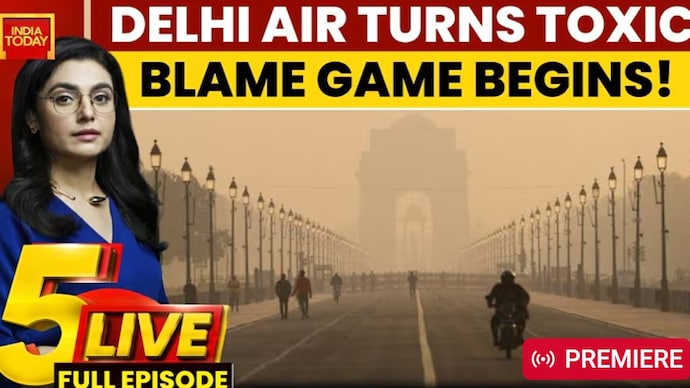
Delhi Chokes Under Severe Smog Ahead of Diwali as Punjab Stubble Burning Triggers Political War

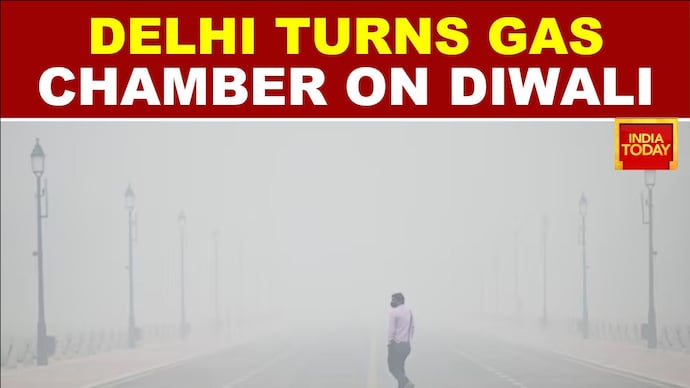
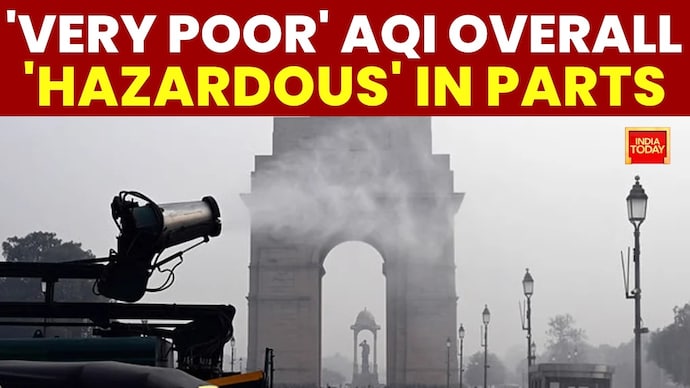
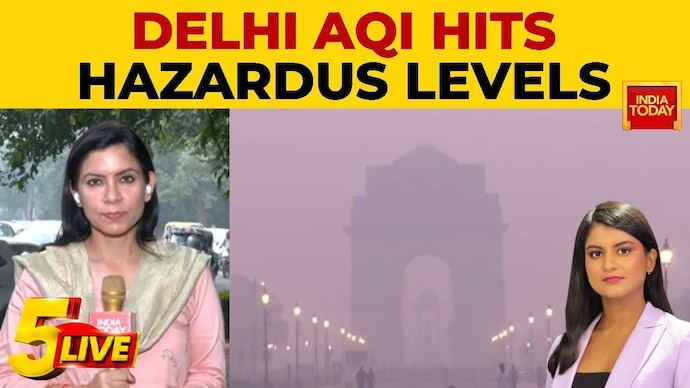
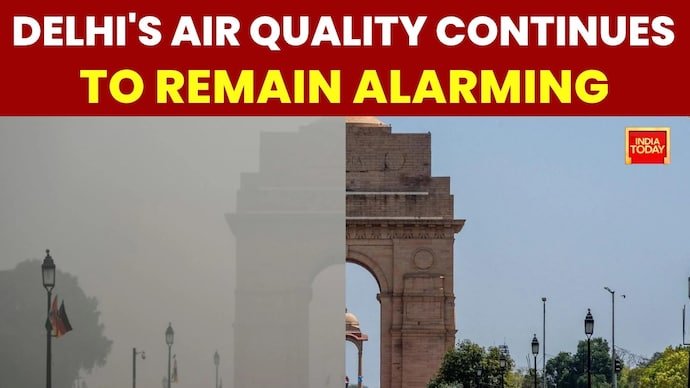
Delhi woke up to severe air pollution ahead of Diwali as a thick blanket of smog engulfed the national capital region, pushing the Air Quality Index near hazardous levels. Several monitoring stations across the capital recorded AQI readings well above the 400 mark, with iconic landmarks including Rashtrapati Bhavan and India Gate obscured by poor visibility. Amid deteriorating weather and calm wind conditions, authorities are anticipating stricter restrictions under GRAP 3 to curb local emissions. Meanwhile, a intense political blame game has erupted between the Delhi and Punjab governments over stubble burning. While Delhi authorities hold farm fires in neighbouring states responsible for the toxic air, Punjab Chief Minister Bhagwant Mann countered that paddy harvesting in Malwa had barely started, calling the accusations an attempt to defame the state. Stubble burning cases continue to be reported from parts of Punjab including Patiala.

Delhi Air Quality Nears Hazardous Mark At 399; Smog Blankets NCR Amid Political Row Over Farm Fires

Air quality across Delhi and the National Capital Region continues to deteriorate, with the average Air Quality Index touching 399, just a notch below the hazardous category. Key locations including India Gate, ITO, and Kartavya Path recorded poor visibility and severe pollution levels as a thick blanket of toxic smog covered the city. Despite the enforcement of GRAP 2 measures and the winter action plan, meteorological conditions and local pollutants have kept skies heavily congested. The worsening environmental conditions have triggered a fierce political exchange between authorities in Delhi and Punjab over stubble burning. While allegations were raised regarding farm fires in Punjab impacting the national capital, counterclaims dismissed these charges as an attempt to defame local farmers, noting that harvesting had not commenced in certain regions. Ground reports from Punjab revealed sporadic stubble fires even as authorities cited reduced counts compared to previous seasons.

Rahul-Modi Debate Row & Delhi's AQI Crisis: BJP Faces Congress, AAP On Two Political Fronts

National politics witnessed parallel confrontations as the Bharatiya Janata Party clashed with the Congress and the Aam Aadmi Party over governance and public policy. Leader of Opposition Rahul Gandhi challenged Prime Minister Narendra Modi to an open, moderated debate on foreign policy, the Adani Group, and voter roll controversies. The BJP dismissed the demand, maintaining that Parliament remains the designated constitutional forum for executive accountability and national deliberations. Concurrently, deteriorating air quality in Delhi, marked by Air Quality Index levels surpassing 400 across hotspots including Dhaula Kuan, Ghazipur, and Sunehri Bagh ahead of Diwali, sparked a dispute between the BJP and AAP. Delhi Environment Minister Manjinder Singh Sirsa linked the pollution surge to stubble burning in Punjab, while Punjab Chief Minister Bhagwant Mann and AAP representatives attributed the smog to internal Delhi pollution sources, questioning air monitoring data and enforcement of GRAP-2 measures as environmental analysts called for systemic interventions over seasonal restrictions.

Delhi Pollution Debate: BJP, AAP Trade Blame As AQI Crosses 350; Are Authorities Preventing Smog?

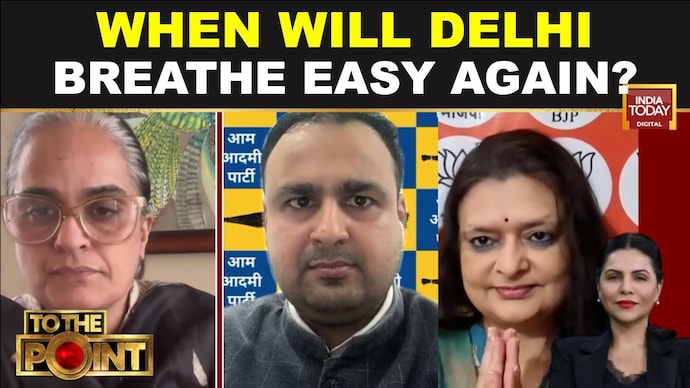
A debate on Delhi's worsening air quality index unfolded between political spokespersons and an environmentalist following a sudden spike in air pollution past the 350 mark. Environmental activist Bhavreen Kandhari stressed that official responses remain reactive rather than preventive, stating, 'We are managing pollution rather than, like I said, preventing it,' while warning that tender-driven measures create an economy around managing crises instead of eliminating emission sources. Bharatiya Janata Party national spokesperson Sanju Verma defended anti-pollution curbs, citing restrictions on non-BS6 vehicles, work-from-home measures, and severe AQI levels across Punjab cities to hold the Punjab administration accountable. In response, Aam Aadmi Party national spokesperson Anmol Pawar argued that farm fires in Punjab have seen steep statistical reductions, accusing authorities in Delhi of relying on data manipulation instead of on-ground mitigation. The panellists examined systemic failures across industries, dust, stubble burning, and urban governance.

Delhi Air Quality Worsens to Very Severe Category; GRAP 2 Imposed Amid Punjab Farm Fire Politics

Delhi's air quality has deteriorated sharply into the very severe category with the Air Quality Index breaching the 300 mark, triggering the enforcement of GRAP 2 and the Delhi government's winter action plan. The capital's worsening air condition has escalated a political blame game between Delhi and Punjab regarding stubble burning. While farm fire instances in Punjab have dropped from 2,600 cases by early November last year to just over 1,600 this season, farm fires continue to raise concerns alongside baseline city emissions and cross-border smoke from Pakistan. Despite advisories promoting work from home and restrictions on specific vehicle categories, a dense layer of smog persists across Delhi NCR, creating severe respiratory hazards for residents and children during the festival season.