Vietnamese crab exporter

Topic

Advertisement
TOPIC

Mumbai

Mumbai, formerly known as Bombay is the capital city of the Indian state of Maharashtra. Officially regarded as the ‘financial capital of India’, Mumbai has evolved into a global financial hub and has the highest number of millionaires and billionaires. It is the second-most populous city in the country and the seventh most populous city in the world. Bombay was recommended as the capital for the bilingual state for Maharashtra in 1955. But it was reorganised on May 1, 1960. South Asia’s largest city, Mumbai is located on a narrow peninsula on the southwest of Salsette Island which lies between the Arabian Sea to the west, Vasai Creek to the north and Thane Creek to the east.

Six major lakes including Vihar, Tulsi, Tansa, Powai act as a source of water supply to the city. Marathi is the official language that is extensively spoken by the regional people of the city but a colloquial form of Hindi, known as Bambaiya is the most famous and common dialect spoken on the streets of Mumbai.

Apart from this, Mumbai’s culture is a blend of traditional festivals, food, music, dance and theatres. Ganesh Chaturthi is the major festival of Mumbai which is celebrated with great pomp and show. Mumbai is also considered the birthplace of Indian Cinema and it has the world's most prolific film industry. Interestingly, the city is synonymous with 'Mayanagari' or the 'City of dreams' as people from across India come to fulfil their dreams in this city. Mumbai is home to the three UNESCO World heritage sites: The Elephanta Caves, Chhatrapati Shivaji Maharaj Terminus and the Victorian and Art Deco buildings which showcase the architecture built in the Victorian Gothic style.

In addition to this, beaches are a major tourist attraction in the city among which are the famous beaches such as Juhu beach, Girgaum Chaupatty, Versova beach, Gorai beach and Aksa beach to name a few.

  • ALL
  • STORIES
  • VIDEOS

STORIES

Load More

VIDEOS

Delhi Air Quality Crisis: Pollution Refugees Relocate, Swap Careers to Escape Smog

A special broadcast of Pollution Ka Solution examines the escalating air pollution crisis across major urban centres, focusing on Delhi NCR and Mumbai, where hazardous Air Quality Index levels and winter toxic smog are creating an influx of pollution refugees. Residents and professionals, including Bharat Singh Kanwal, former advocate Prashant Kalra, and fashion designer Anuradha Prasad Dhawan, detail abandoning their careers and homes to relocate to destinations like Bengaluru and Goa after severe pediatric respiratory emergencies, persistent asthma, and health complications forced their departure. The discussion highlights broader urban systemic issues such as deficient waste management, unchecked deforestation, and rising cancer and respiratory burdens among children and senior citizens, with lifestyle expert Luke Coutinho noting that dietary adjustments cannot reverse cellular lung damage caused by toxic exposure. Panellists address policy implementation challenges surrounding the National Clean Air Programme and Graded Response Action Plan, calling for year-round interstate governance, strict environmental compliance accountability, and civic participation to counter urban air quality deterioration.

IIT Bombay Suicide Probe: Student's Parents To Launch Hunger Strike At Azad Maidan

The parents of IIT Bombay student Sahil Wakhure have announced an indefinite hunger strike at Mumbai's Azad Maidan starting Monday, demanding an in-depth investigation into his death by suicide. Mumbai Police denied them permission to protest outside the IIT campus, directing them to Azad Maidan in accordance with High Court guidelines. Crime branch officials are reconstructing the crucial timeline between his departure from the examination centre, where he was allegedly caught using artificial intelligence, and his arrival at his hostel room. Investigators are analysing Sahil's phone to decode key details, while the professor involved remains under scrutiny.

Delhi Air Quality Crisis: Pollution Refugees Relocate As Severe AQI Triggers Health Woes

A special broadcast of Pollution Ka Solution focuses on India's escalating air pollution crisis, examining the emerging phenomenon of pollution refugees leaving major urban centres such as Delhi NCR and Mumbai due to severe winter air quality and hazardous air quality index levels. Former residents share firsthand accounts of relocating to cities like Bengaluru and Goa to protect their families from toxic smog, chronic breathlessness, pediatric respiratory issues, and severe sinusitis. The panel discusses persistent governance and environmental challenges, including inter-agency coordination gaps, administrative lapses, tree felling, and ineffective waste management, particularly landfill emissions and the absence of waste segregation at source. In the health discussion, lifestyle coach Luke Coutinho details the physiological toll of prolonged exposure to toxic air, warning about irreversible cellular damage, compromised lung capacity in newborns and senior citizens, and heightened risks of severe conditions like COPD. The programme emphasizes the urgency of transparent environmental audits, strict regulatory enforcement, and sustained public policy interventions to tackle hazardous air pollution and safeguard public health.

CPM Approaches CJP Over CEC Resignation Demand Amid Plans For Agitation

Political developments intensify over the Election Commission row as CPM approaches the Cockroach Janata Party seeking a common platform against Chief Election Commissioner Ganesh Kumar. CPM General Secretary M.A. Baby has written to the CJP leadership urging them to join hands with opposition parties to build a united front. The outreach comes as CJP's 48-hour ultimatum demanding the CEC's resignation concludes, with the group mapping out nationwide street protests starting from Mumbai ahead of demonstrations in the national capital. The CJP is yet to take a final decision on the CPM proposal.

Delhi, Jamui, Samastipur, Amroha: Different cities, same molestation horror

Congress party workers staged nationwide demonstrations outside State Election Commission offices, seeking the resignation of Chief Election Commissioner Gyanesh Kumar over the Special Intensive Revision and voter list modifications, facing police action and water cannons in multiple locations. The opposition prepared another notice for an impeachment motion against the CEC, while a plea was filed in the Supreme Court challenging the electoral roll revisions and seeking the reinstatement of the original Form 6. The Election Commission maintained that its ECI NET platform operates with decentralized access and cybersecurity protocols. The broadcast additionally covers women's safety concerns following harassment incidents in Bihar's Jamui, Samastipur, and Banka, alongside student protests in Delhi following assault cases near Kalkaji Mandir and Hindu College. It also examines the investigation into the death of IIT Bombay student Sahil Vakode, where family members began a hunger strike at Azad Maidan alleging institutional discrimination, alongside healthcare guidance on blood pressure monitoring.

IIT Bombay Suicide Probe: Locked iPhone, CCTV Analysis & Hunger Strike

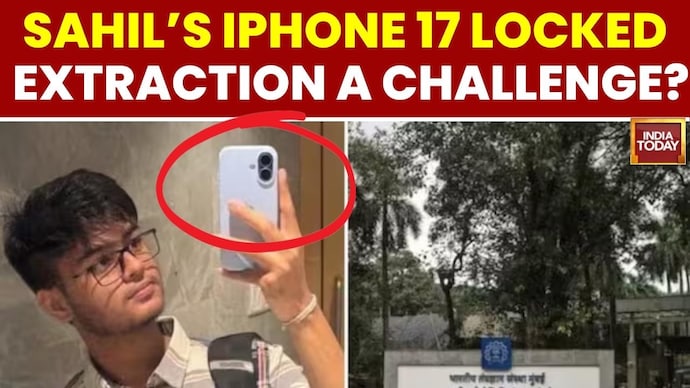
The investigation into the alleged suicide of IIT Bombay second-year student Sahil Vakode is centering on his locked iPhone. Mumbai Police are attempting to access data protected by a pattern lock to review digital activity surrounding the September 18 examination. Officers are reconstructing a 47-minute window between Sahil exiting the exam hall and arriving at the hospital, alongside forensic analysis of his laptop and campus CCTV footage. More than 20 students, faculty, and staff have been questioned. Meanwhile, the Maharashtra State Commission for Scheduled Castes has launched an inquiry, while Sahil's parents are staging a hunger strike at Azad Maidan demanding a fair CBI probe and the arrest of Professor Suryanarayan Dula. The case was transferred from Powai Police to the Mumbai Crime Branch after the family alleged caste-based harassment under the SC/ST Prevention of Atrocities Act, claiming Sahil was targeted prior to being caught allegedly using a mobile phone during the test.

IIT Bombay Suicide Probe: Locked Phone, 47-Minute Gap & Parents' Protest

The Mumbai Crime Branch has intensified its probe into the death of IIT Bombay student Sahil Vakode, focusing on a crucial 47-minute timeline between his departure from the examination hall at 12:38 PM and his arrival at his hostel room at 1:25 PM on September 18. Investigators are scrutinising CCTV footage along the route to reconstruct his movements. A major challenge facing investigators is Vakode's encrypted pattern-locked iPhone, which has been sent to the forensic science laboratory to retrieve digital records, chat histories, search logs, and exam-related activity. Meanwhile, the Crime Branch has recorded statements from 20 to 25 individuals, including students and hostel staff, while Professor Suryanarayana Dula's statement is yet to be recorded. Vakode's parents launched a hunger strike at Azad Maidan in Mumbai, demanding the arrest of the professor, an impartial investigation, and a Central Bureau of Investigation inquiry following meetings with the National Commission for Scheduled Castes.

IIT Bombay Death: Rahul Gandhi Speaks To Sahil's Kin; Exam CCTV Accessed

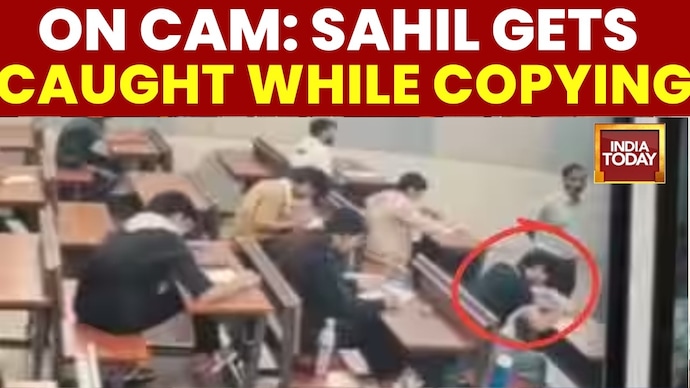
Investigation into the death of IIT Bombay student Sahil Wakore has intensified, with Leader of Opposition Rahul Gandhi speaking to the family over the phone to assure them of support and justice. CCTV footage from the examination hall shows the 20-year-old student using a mobile phone before invigilator Professor Suryanarayana Dula takes away his answer sheet and escorts him out. Hours later on September 18, Sahil was found dead in his hostel room. As the Mumbai Crime Branch reconstructs his movements, IIT Bombay has formed a 10-member panel to investigate the incident. Professor Dula has been sent on leave amid allegations of caste-based harassment leveled by the family.

IIT Bombay Student Death: Exam Hall CCTV Surfaces, Crime Branch Probes Suicide

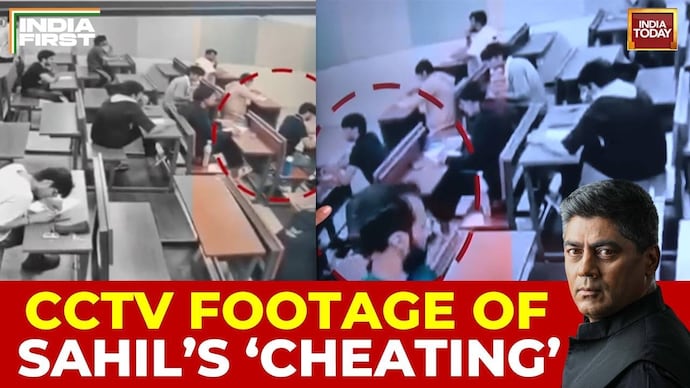
Crucial CCTV footage from an examination hall at IIT Bombay has surfaced amid the probe into the death of twenty-year-old student Sahil Wakhure. The video shows the student seated during his examination using a mobile phone, after which invigilator Professor Suryanarayana Dula approaches him, takes away his answer sheet, and escorts him outside. The student was later found dead in his hostel room in an alleged suicide. The Mumbai Crime Branch has taken over the investigation and is reviewing CCTV footage across the campus. IIT Bombay has constituted a ten-member high-level committee to examine the sequence of events and submit a report within seven days, while the professor has been sent on leave following allegations of caste harassment by the family.

IIT Bombay Suicide Case: CCTV Shows Professor Confronting Student Over Alleged Exam Cheating

A major development has emerged in the IIT Bombay student death probe as CCTV footage accessed by India Today shows Professor Suryanarayan Dulla confronting student Sahil Wakhure inside an examination hall. Sahil is seen handing over his mobile phone after allegedly using ChatGPT to copy answers during the test, before being asked to leave. He died by suicide hours later. Amid allegations of caste discrimination and abetment to suicide against the faculty member, police and Mumbai Crime Branch officials are verifying the video alongside statements from student witnesses and IIT authorities.

IIT Bombay Student Suicide Probe: CCTV Scanned, ChatGPT Angle & Harassment Plaint Examined

The Mumbai Police Crime Branch is investigating the death of IIT Bombay student Sahil, examining CCTV footage from the examination hall and campus corridors. The visuals show the deceased student writing his exam between 12:30 PM and 12:45 PM before being confronted by an invigilating professor and led outside. While initial disclosures by the institute alleged the student uploaded the question paper to ChatGPT via his mobile phone, his family subsequently alleged abetment to suicide and caste-based harassment, filing a police complaint citing provisions of the Scheduled Castes and Scheduled Tribes Prevention of Atrocities Act against a professor. Investigators have recorded statements from four to five classmates and are seeking technical expertise to access the password-protected phone to verify browsing history. The Crime Branch has also approached campus counseling facilities and the SC/ST cell to ascertain whether any prior complaints were lodged.

IIT Bombay Suicide: CCTV Visuals Emerge From Exam Hall Involving Student Sahil

Exclusive CCTV footage has surfaced in connection with the suicide of a 22-year-old student, Sahil, at IIT Bombay. Visuals from the examination hall show the candidate seated on the first bench during a mid-semester examination. According to institute authorities, a professor spotted the student allegedly using a mobile phone to upload an exam question paper onto ChatGPT. The sequence captures the invigilator walking past, noticing suspicious movement, questioning the candidate, and subsequently asking him to leave the hall around ten minutes into the exam. Counter-allegations suggest that the candidate faced rude remarks and discrimination during the interaction. Following the confrontation, the second-year Department of Energy, Science, and Engineering student returned to his hostel room at the Powai campus, where he was subsequently found dead. The footage captures the sequence without audio as investigations continue into the circumstances leading up to his death.

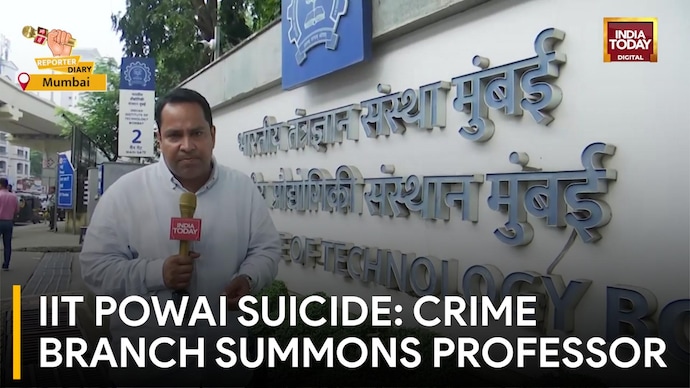
IIT Powai Suicide Case: Crime Branch Summons Professor, Institute Forms Probe Panel

The Mumbai Crime Branch has summoned Professor Dula to record his statement in connection with the suicide of IIT Powai student Sahil Waghmore. The move follows allegations made by the deceased student's father against faculty members and Professor Dula during his statement. Meanwhile, IIT Powai has sent the professor on leave and constituted a ten-member committee tasked with submitting an investigation report within a week, as parallel inquiries continue.

IIT Bombay Student Death: Family Alleges Caste Bias, Faculty Backs Dean, Crime Branch Probes

Tensions and protests have emerged at IIT Bombay following the death of student Sahil Wokade. His family has staged demonstrations, lodging police complaints alleging caste-based harassment, slurs, and threats, while seeking action against institute officials. In contrast, the IIT Bombay faculty forum has supported the professor, asserting he was performing official duties regarding an examination matter and refuting discrimination allegations. The investigation has been transferred to the Mumbai Crime Branch, which is seeking technical support to examine the student's phone and recording statements from witnesses.

IIT Bombay Student Death: Crime Branch Probe, Caste Harassment Allegation & Campus Split

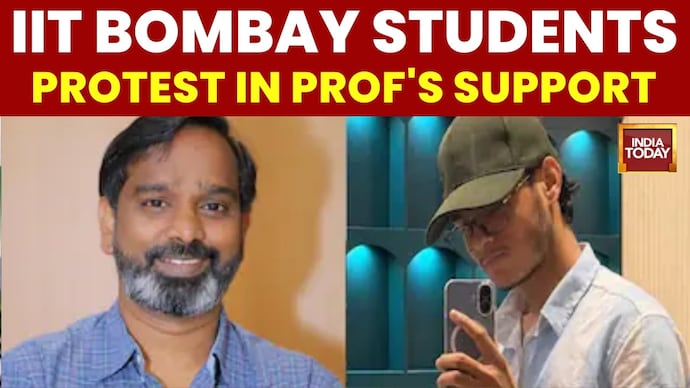
Tensions have flared across the Indian Institute of Technology Bombay following the death of twenty-year-old student Sahil Wakhure, triggering a sharp divide on campus. Sahil's parents have alleged sustained caste-based harassment, slurs, and threats, demanding the arrest of Professor Surya Narayan Dula and Director Shirish Khedare. In contrast, the IIT Bombay faculty forum has supported Professor Dula, maintaining that he was only carrying out his duties after detecting exam malpractice and that no evidence of caste discrimination exists. IIT Bombay management has constituted a ten-member committee to investigate the matter within a week and sent Professor Dula on leave. Meanwhile, the case has been transferred to the Mumbai Crime Branch, which has recorded statements from Sahil's parents, friends, and exam hall witnesses, and summoned Professor Dula for questioning. Official parliamentary data cited in the bulletin indicates that forty-five student suicides were reported across twenty-three IITs between 2020 and 2025.

IIT Bombay Suicide Row: Family Alleges Caste Bias, Faculty Defends Professor, Crime Branch Probes

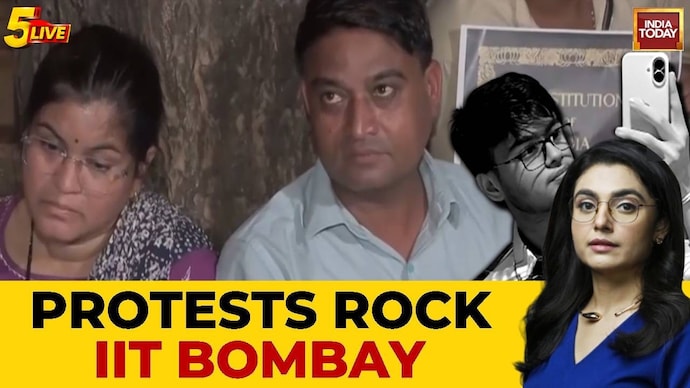
The death of 20-year-old student Sahil Wakhure at IIT Bombay has triggered widespread campus protests and divided the institute community. The deceased student's parents have staged protests alleging severe caste-based harassment, threats, and slurs, demanding the arrest of invigilator Professor Surya Narayan Dula and Director Shirish Khedare. In response, the IIT Bombay faculty forum strongly defended Professor Dula, stating he was merely discharging his duties after reporting exam malpractice and that no evidence of caste bias exists. The investigation has been transferred to the Mumbai Crime Branch, which is seeking technical assistance to unlock the student's phone and recording statements from examination hall witnesses and friends. The report also highlights government data submitted in the Lok Sabha revealing 45 student suicides across 23 IITs between 2020-21 and 2024-25, spanning various social categories.

IIT Bombay student death sparks caste row; Jamui encounter, Tata Sons row in focus

Tensions escalated at IIT Bombay following the death by suicide of 20-year-old student Sahil Wakode, leading to campus protests and counter-protests. Sahil's parents, accompanied by their legal counsel, demanded the immediate arrest of invigilator Professor Surya Narayan Dula, alleging caste-based discrimination and harassment. Mumbai Police registered an FIR under the Bharatiya Nyaya Sanhita and the SC/ST Prevention of Atrocities Act. Meanwhile, IIT Bombay faculty members, backed by faculty forums from IIT Delhi and IIT Madras, defended Professor Dula, stating that established protocol was followed after detecting exam malpractices, with faculty forum head Professor Rajkumar Pant stating the invigilator was executing his academic duties. A panel debate featuring Vanchit Bahujan Aghadi president Prakash Ambedkar and IIT Kharagpur alumnus Rajat Sethi examined caste discrimination, academic stress, and institutional support systems. Additionally, the bulletin covers a police encounter in Jamui, Bihar involving molestation accused, alongside legal arguments by Abhishek Manu Singhvi and Harish Salve regarding Tata Sons board powers, shareholder rights, and affirmative trust voting.