Vietnamese crab exporter

Topic

Advertisement
TOPIC

Municipal Corporation

Municipal corporations in India are the foundation of self-government. They operate in cities that have more than 1 million people, as stated in the Constitution. This is because of the Amendment Act of 1992, which added Part IXA to the Indian Constitution.

The idea of these corporations comes from the British style of municipal bodies, but they are designed to fit India's federal system. Municipal corporations in India provide people with necessities like water and roads. They also help make sure that cities develop in a way that's good for everyone and does not harm the environment, like what is stated in the Delhi Municipal Corporation Act.

People choose a corporator for their area to be on the council. There is one corporator for each area. In cities there are several hundred corporators. These corporators then choose a mayor. The mayor is usually someone from the party that's in charge. The mayor is in charge of the meetings for one year. The mayor is, like, a symbol of the corporation. Citizens select corporators to represent their ward. These corporators elect a mayor who serves as the head of the corporation for one year. The mayor has a deputy to help them. When it comes to the administrative side of the city there is a full-time municipal commissioner who is in charge. This person is an IAS officer. They have their own team with deputies who specialize in engineering, health and accountancy. The municipal commissioner and their deputies work together to make sure everything runs smoothly in the city. The deputies of the commissioner are very important because they help with things, like engineering and health, and accountancy.

  • ALL
  • STORIES
  • VIDEOS

STORIES

From Lenin Sarani to Park Circus, Kolkata roads face renaming review

A West Bengal government panel has begun reviewing proposals to rename roads and public places in Kolkata. Lenin Sarani, Karl Marx Sarani, Biswa Bangla Sarani and Park Circus Seven Point Crossing are among the names submitted for consideration. No final decision has been taken, and existing signboards remain unchanged.

Load More

VIDEOS

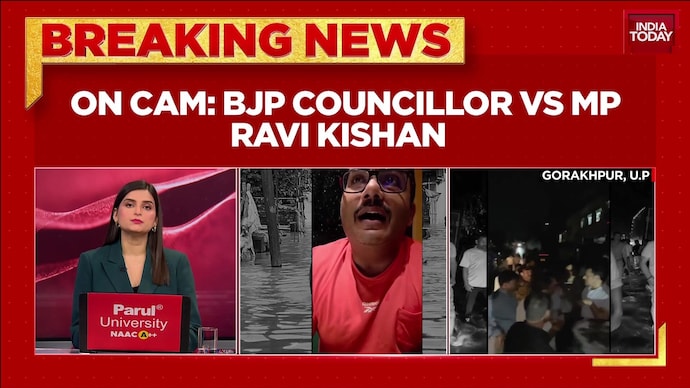
Gorakhpur Waterlogging Sparks BJP Spat as MP Ravi Kishan's 'Spain' Remark Resurfaces

Severe waterlogging following heavy rainfall in Gorakhpur has triggered a political dispute within the Bharatiya Janata Party. The situation escalated after a local party councillor contacted Gorakhpur MP Ravi Kishan to flag water accumulation in areas that had reportedly never flooded in over a decade. During the phone call, the MP questioned if the councillor had joined the Samajwadi Party, prompting the councillor to retort asking whether the MP had joined the Bahujan Samaj Party. The confrontation has placed scrutiny on the MP's earlier remarks comparing Gorakhpur's development to Spain. Defending the administrative response, Ravi Kishan stated that the intensity of the rain was unprecedented in nearly two decades, adding that municipal pumps were deployed and water levels would recede once the downpour stopped.

Delhi Rape Shocker: LG Convenes High-Level Meeting With DDA, MCD & Police

A high-level security meeting was convened by the Lieutenant Governor of Delhi alongside the Vice Chairman of the Delhi Development Authority (DDA), the Municipal Corporation of Delhi (MCD) Commissioner, and the Delhi Police Commissioner following a shocking rape incident in the national capital. The meeting focuses on administrative and security lapses, particularly after safety concerns arose regarding the lack of CCTV cameras and security personnel at a DDA-managed park in Kalkaji. Over the last 12 days, four severe assault cases have raised major concerns over women's safety and policing in Delhi. In the aftermath, students and teachers of Lady Shri Ram College raised security concerns, leading to the suspension of offline classes, shifting to online mode, and organized protest marches outside the college campus.

Tamil Nadu PWD Tightens Rules To Curb Corruption, Mandates Tenders And Clearances

The Tamil Nadu Public Works Department has issued a circular to officials to tighten norms against corruption and procedural lapses. Under the new directive, no project can be executed without administrative, financial, and technical sanctions. The circular strictly prohibits splitting works into smaller projects to evade scrutiny and mandates that work must commence only after tenders are floated and work orders are issued. The move follows procedural irregularities in the Tambaram Municipal Corporation, where projects were executed without floating tenders.

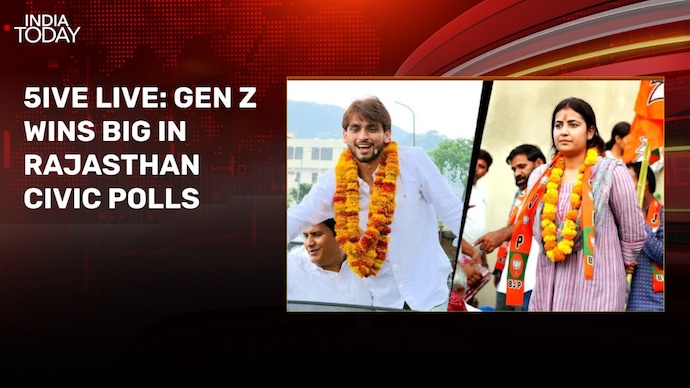
Rajasthan Civic Polls: BJP Emerges Single Largest Party, Congress Holds Ground, Independents Gain

In the Rajasthan local body elections, the Bharatiya Janata Party emerged as the single largest party by securing 4,179 out of 10,244 wards across the state, while the Congress won 3,613 wards. Independent candidates established themselves as a significant third force, securing 2,273 wards. The BJP achieved majorities in five of ten municipal corporations and led municipal council tallies, but suffered setbacks in Jhalawar and Baran, while independents dominated in Bharatpur. Following an increase in total seats after delimitation, independent winners now hold the balance of power across numerous local civic bodies.

Ashutosh Ranka: 'Our Focus Right Now Is to Continue Working as a Pressure Group'

In an interview, Ashutosh Ranka, co-convenor of the Cockroach Janata Party, analysed the emerging political trends in Rajasthan's local elections, pointing to growing voter disillusionment with both major political parties. He noted that independent candidates secured twenty-five per cent of the seats across ten thousand wards, alongside an increase in their overall vote share over the past decade. Ranka pointed out that despite youth comprising a major voting demographic, mainstream parties failed to field adequate young and Gen Z candidates. He highlighted that key ministers facing public protests lost in their respective home districts. Clarifying the nature of the organisation, he stated, "Our focus right now is to continue working as a pressure group." Ranka underlined that their primary objective remains national engagement to improve government schools through initiatives like the School Thik Karo campaign across states including Rajasthan, Maharashtra, Karnataka, and Punjab, remaining agnostic of upcoming state elections.

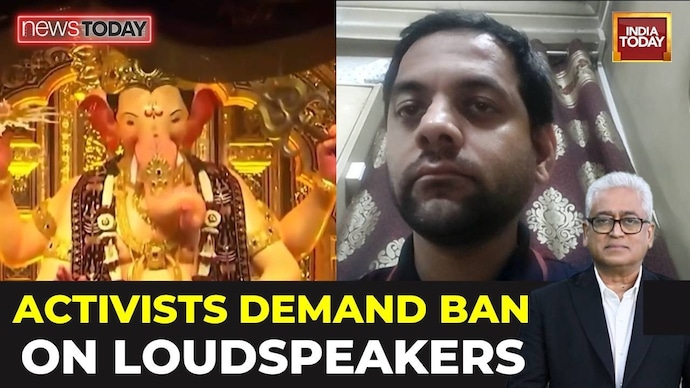
Vidyanand Bapat: 'Public Festivals Have Become A Cause Of Only Public Nuisance'

In an interview with Karan Thapar, Pune resident and anti-noise campaigner Vidyanand Bapat defended his opposition to loud celebrations, including DJs, loudspeakers, and Dhol Tasha during Ganesh Utsav and other public festivals. Addressing the pushback and a recent physical assault against him, Bapat stated, "We are opposing all noise pollution, not all festivals." He emphasized that modern work patterns, particularly in the IT and ITES sectors operating around the clock from home, leave residents vulnerable to excessive sound on public streets. Bapat proposed an objective criterion to distinguish peaceful celebrations from noisy ones based on the use of artificial sound amplifying equipment, suggesting loud events move to soundproof auditoriums or open grounds.

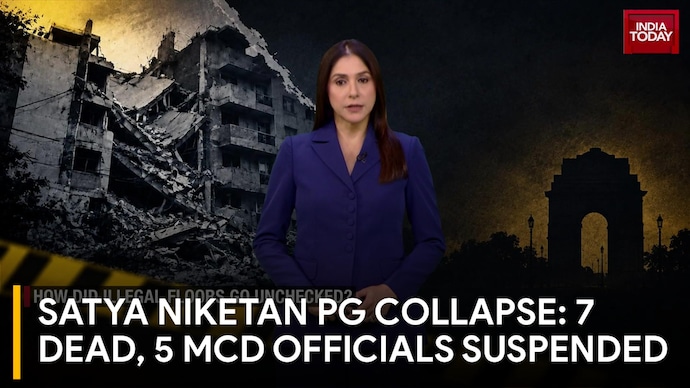
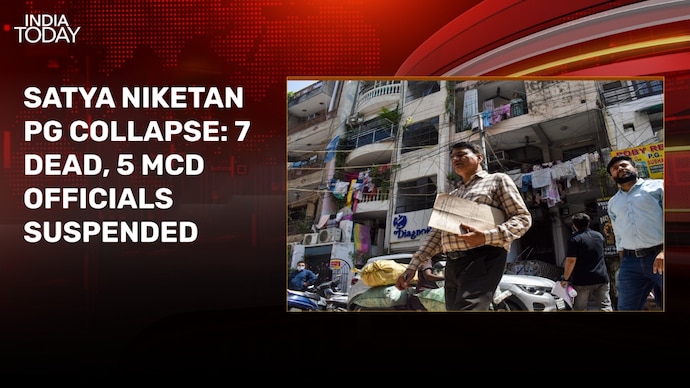
Satya Niketan PG Collapse: 7 Dead, 5 MCD Officials Suspended, Owners Arrested

A fatal building collapse in South Delhi's Satya Niketan claimed seven lives, including five Delhi University students, after a five-storey paying guest accommodation collapsed during basement construction work. Following the incident, the Delhi High Court ordered a high-level inquiry to investigate how the unauthorized structure was permitted to operate without a sanctioned building plan, fire NOC, or approved upper floors. The Municipal Corporation of Delhi suspended five officials ranging from a junior engineer to the South Zone Deputy Commissioner over regulatory lapses. Delhi Police arrested the property owners, retired IAF sergeant Hariram Gupta, his wife Urmila Gupta, their son Mahesh, a PG operator, and a labour contractor. Investigations revealed that additional floors were added onto a fifty-five square yard plot despite weak foundations to maximise rental income from students. Satellite data analysis highlighted rampant vertical construction across Satya Niketan, exposing widespread enforcement failures and illegal student housing operations across the capital.

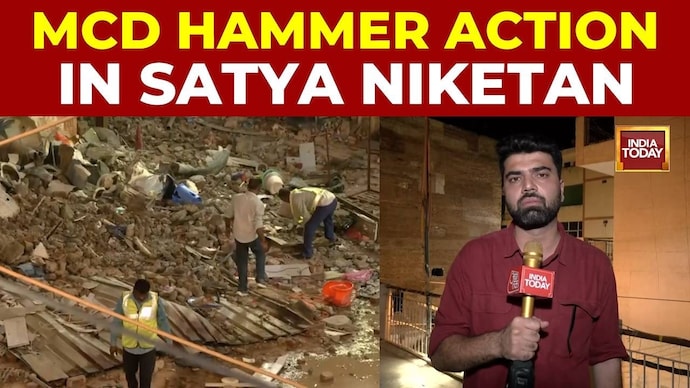
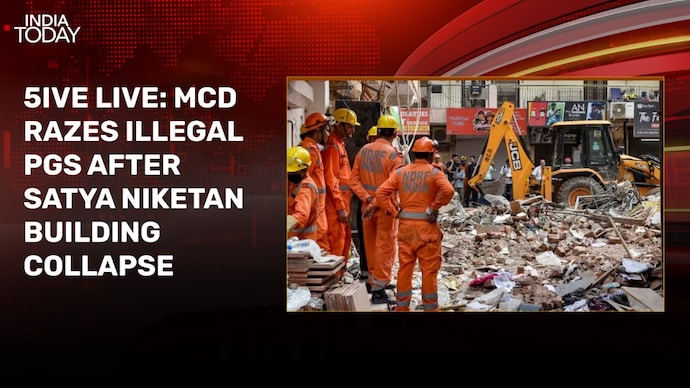
Satya Niketan Crash: 7 Dead, MCD Demolitions Begin, Delhi Civic Body Facing Public Fury

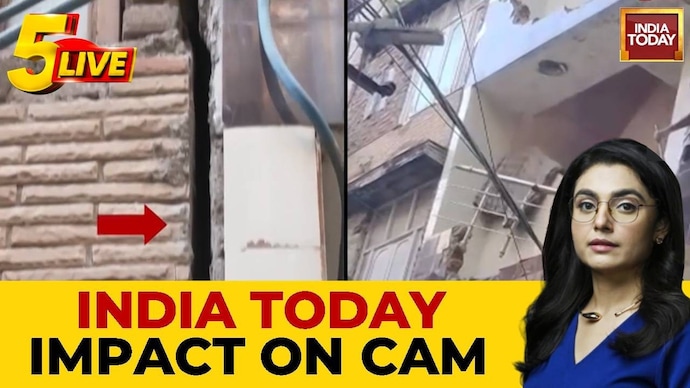
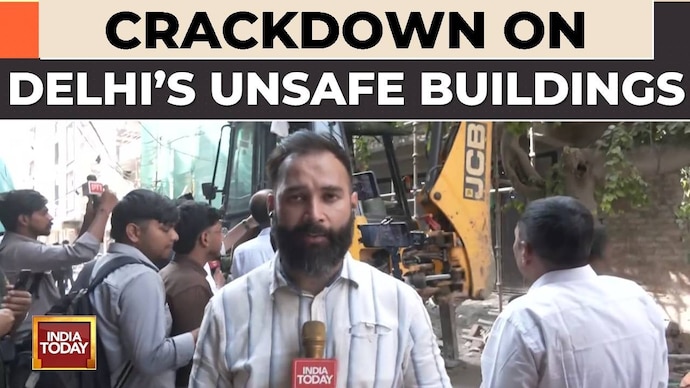
Following the collapse of a building in Delhi's Satya Niketan that claimed seven lives, the Municipal Corporation of Delhi (MCD) initiated surveys across 1,100 properties in 12 zones and commenced demolition of unsafe structures. MCD teams deployed hammer action to pull down the fifth floor of an adjacent weakened building that housed a paying guest facility. A local resident stated that basement pillar work was underway during heavy rain when the building caved in. Questions have been raised regarding civic negligence, past notices, and delayed emergency response before MCD initiated clearing and demolition operations.

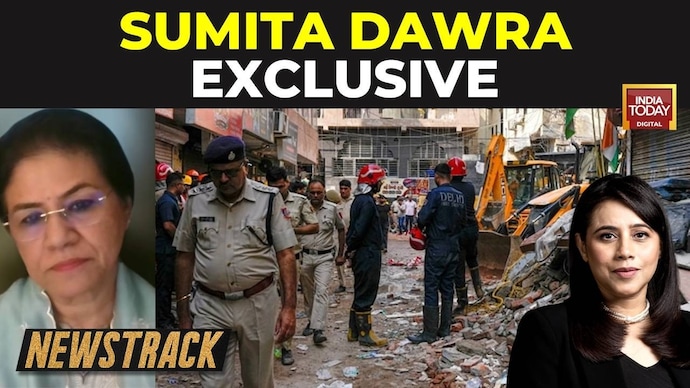
Sumita Dawra: 'Suspension May Not Be A Punishment, But It Indicates Action'

In an interview with India Today, former Labour Secretary Sumita Dawra shared insights on bureaucratic accountability following the Satya Niketan building collapse in Delhi. Commenting on the suspension of civic officials, Dawra stated, "Suspension may not be a punishment, but it, reflects, it indicates visible action." She stressed that suspensions must be followed by swift investigations, proper inquiries, and the fixing of culpability. Dawra noted that addressing systemic issues requires examining violations across the entire chain of command, from junior engineers to senior supervisory authorities. Emphasizing the need for institutional deterrence, she said, "There should be exemplary punishment so that it's a warning for the system." She also highlighted the importance of leveraging modern technology, such as GIS mapping and municipal tax data, to monitor structural deviations and flag unauthorized constructions early.

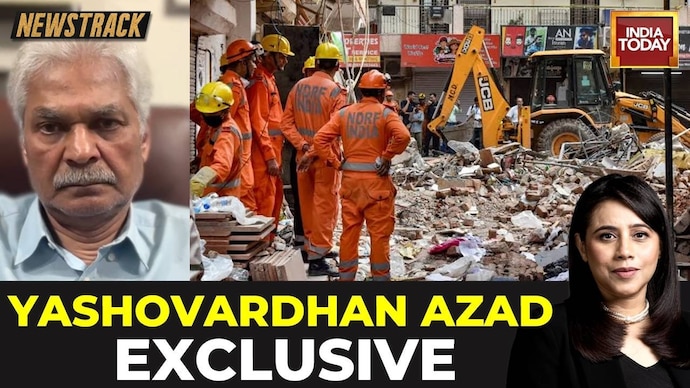
MCD Head Must Face Charges: Yashovardhan Azad on 'Collusion' Behind Tragedies

In an interview with Maria Shakil on India Today, former Intelligence Bureau Special Director Yashovardhan Azad addressed systemic administrative failures and accountability lapses in Delhi's municipal governance following urban tragedies. Azad asserted that municipal commissioners and senior bureaucrats must be directly held accountable for rampant illegal constructions and safety oversights. Emphasizing top-level responsibility, he stated that "the buck should stop right at the top" and suggested issuing charge sheets to the municipal commissioner and housing development secretaries rather than only suspending junior personnel. He highlighted how councillors and local politicians exert pressure on junior engineers, protecting illegal establishments and avoiding structural oversight. Azad argued that IAS officers frequently escape disciplinary measures due to undefined culpability and close alignments with ministers. Calling the situation an absolute collusion between the political class and bureaucracy, he demanded systemic reforms to restore civic safety and administrative accountability across the capital.

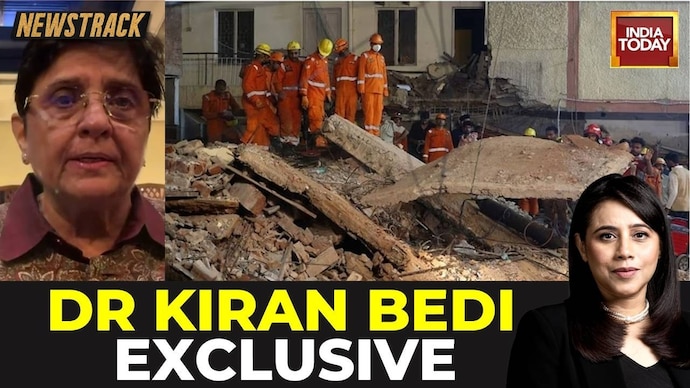
'The Buck Stops With Him': Dr. Kiran Bedi On MCD Accountability

In an interview, Dr. Kiran Bedi discussed institutional accountability and administrative responsibility following observations by the Delhi High Court regarding the Municipal Corporation of Delhi. Addressing questions on official negligence, postings, and transfers, Bedi emphasized that accountability rests with the leadership, stating, 'The buck stops with him, at him.' She noted that the municipal commissioner serves as the administrative head responsible for personnel decisions, alongside ministers handling urban development. Bedi also stated that bureaucratic guidelines are established, remarking, 'The rulebook is very clear,' and explained that disciplinary action for administrative lapses depends on how senior supervisory authorities evaluate delinquency.

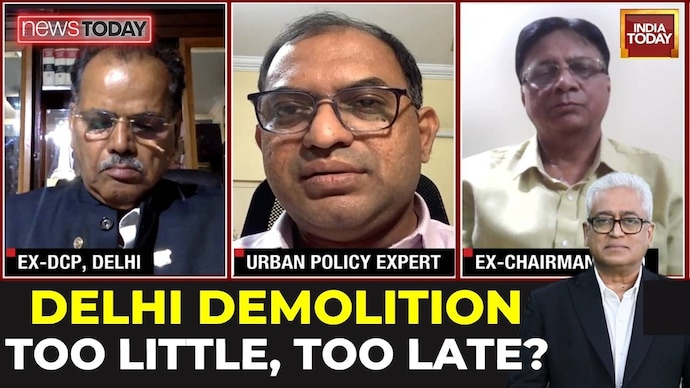
Delhi Demolitions: Civic Accountability, Illegal Construction & Student Accommodation Crisis

A panel discussion examined the enforcement actions and demolition drives taking place across Delhi following recent building-related tragedies. Panellists debated institutional accountability, focusing on the role and jurisdiction of the Municipal Corporation of Delhi, the Union Home Ministry, and the Delhi government. The conversation highlighted systemic gaps, including the acute shortage of university hostel accommodation that forces students into unregulated paying guest facilities, and past incidents such as building collapses, fires, and basement flooding. The role of local police in reporting illegal construction to civic authorities was also evaluated alongside NCRB data reflecting building collapse fatalities. Experts emphasised the urgent need for comprehensive safety audits, satellite and drone mapping, and classifying buildings into safe and unsafe categories to prevent recurring civic hazards and dismantle corrupt networks.

Satyaniketan PG Collapse: MCD Begins Demolition Drive Across 12 Zones In Delhi

Following the collapse of a five-storey boys' paying guest accommodation in Delhi's Satyaniketan that left seven dead, the Municipal Corporation of Delhi initiated demolition and sealing drives across twelve zones, including Mukerji Nagar, Pandav Nagar, and Lakshmi Nagar. Authorities suspended the South Zone Deputy Commissioner and four structural engineers. However, the crackdown has raised serious questions regarding administrative accountability, the sanctioning of dangerous multi-storey buildings, and the persistent shortage of university hostel accommodation that fuels unregulated student housing.

Delhi PG Collapse: 5 Arrested As MCD Demolishes Illegal Buildings Across City

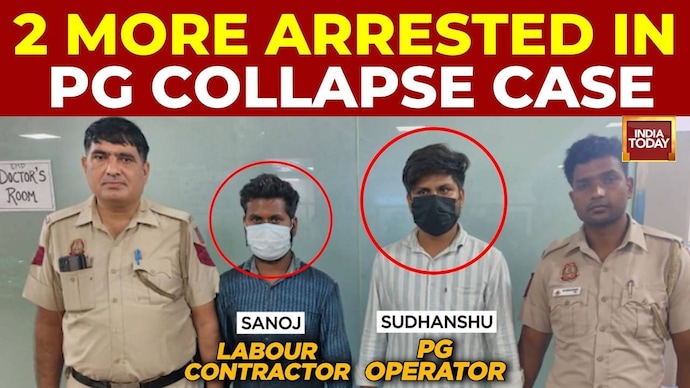
Following the building collapse at a paying guest accommodation in Delhi's Satya Niketan, police have arrested five persons, including the building owner Hariram Gupta, his wife Urmila Gupta, their son Mahesh Gupta, PG operator Sudhanshu, and labour contractor Sanju. A search is underway for another operator on the run. The building collapsed due to basement work carried out without safety measures. Meanwhile, the Municipal Corporation of Delhi and Delhi Police launched demolition drives against illegal and unauthorised structures across areas including Uttam Nagar, Laxmi Nagar, Mukherjee Nagar, and Geeta Colony following directions against dangerous and unapproved constructions.

Satya Niketan Collapse: 5 Arrested, MCD Begins Demolition & Govt Curbs PGs

Following the building collapse in Delhi's Satya Niketan that killed seven Delhi University students, police have arrested five people, including building owner Hariram Gupta, his family members, a PG operator, and a labour contractor. Municipal Corporation of Delhi officials have faced suspensions, and civic authorities have initiated a phased demolition of the adjacent dilapidated Kanak Lata PG building. Dilapidated structures in Laxmi Nagar and Pandav Nagar are also facing scrutiny. Additionally, the government has announced curbs on paying guest accommodations, mandating registration, rent caps, CCTV cameras, night guards, and limiting security deposits to three months.

MCD Bulldozer Action In Uttam Nagar, Crackdown On Illegal Construction & Unapproved Buildings

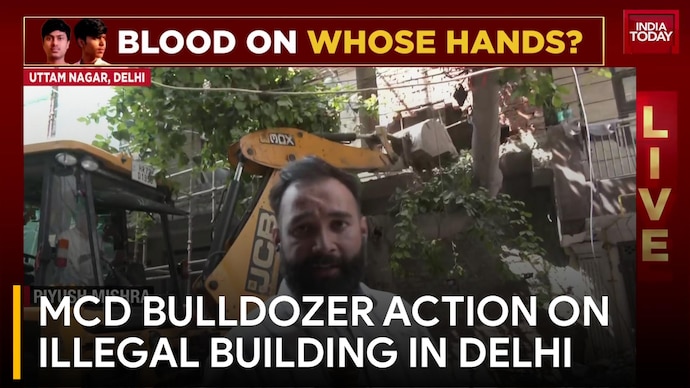
Municipal Corporation of Delhi civic officials initiated demolition action against unauthorised construction across several parts of the national capital, including Uttam Nagar, Pandav Nagar, Laxmi Nagar, and Satya Niketan. In Uttam Nagar, bulldozers were deployed to bring down extended projections and unauthorized portions of a four-storey under-construction building situated in a regularised residential area. Officials confirmed that the structure had been booked during routine inspections after the property owner proceeded with construction without securing required municipal building map approvals and mandatory clearances. Civic authorities noted that building plans must adhere to municipal guidelines and proper layout approvals must be secured even within regularised residential pockets. The enforcement action comes amid wider scrutiny on unsafe structures, illegal extensions, and building safety across Delhi following recent incidents in areas like Satya Niketan and the evacuation of a paying guest facility in Chirag Delhi.