Vietnamese crab exporter

Topic

Advertisement
TOPIC

Red Sea

The Red Sea is a seawater inlet of the Indian Ocean, lying between Africa and Asia. This sea is notable for its elongated shape, stretching approximately 2,250 kilometers (1,398 miles) from the north to the south. Its maximum width is about 355 kilometers (220 miles), and it covers an area of about 438,000 square kilometers (169,100 square miles). The Red Sea is connected to the Indian Ocean through the Bab el Mandeb strait and the Gulf of Aden to the south, and to the Mediterranean Sea via the Suez Canal and the Gulf of Suez to the north. The sea is bordered by Egypt, Sudan, Eritrea, and Djibouti to the west, and Saudi Arabia, Yemen, and Jordan to the east. Israel and the disputed territory of Palestine also have small coastlines along the northern end of the sea.

The Red Sea is one of the world's most saline bodies of water, due to high evaporation and low precipitation rates, as well as a lack of significant rivers or streams draining into it. Its unique geological formation, lying in a rift valley that formed over 25 million years ago, contributes to its great depth of over 2,200 meters (7,200 feet) in the central median trench and an even deeper trench in the southern end.

Ecologically, the Red Sea is known for its spectacular coral reefs, which are among the most diverse in the world. These reefs are home to a wide variety of marine life, including numerous species of fish, sharks, and sea turtles, making the Red Sea a popular destination for divers. The warm, clear waters are ideal for coral growth, and the reefs are relatively pristine.

Economically, the Red Sea is significant for several reasons. It is an important route for oil and cargo shipping, as it provides the shortest sea link between the Indian Ocean and the Mediterranean Sea. The region surrounding the Red Sea is also known for its rich oil reserves, making it strategically important in global energy politics. Additionally, the Red Sea's beautiful beaches and rich marine life support a thriving tourism industry in the surrounding countries.

  • ALL
  • STORIES
  • VIDEOS

STORIES

Load More

VIDEOS

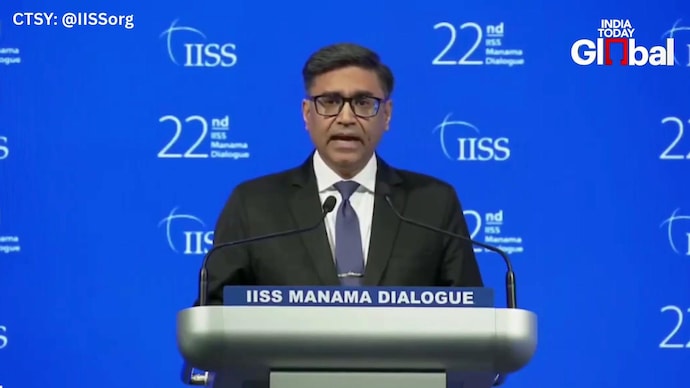
S. Jaishankar: 'Security of the Seas Is Fundamental to Our Well-Being'

Addressing an International Institute for Strategic Studies dialogue in Manama, Bahrain, an Indian representative highlighted the mounting geopolitical and asymmetric threats facing global maritime commons. Emphasising that disruptions in vital choke points like the Strait of Hormuz, the Bab-el-Mandeb, and the Red Sea reverberate across worldwide supply chains, the speaker noted that innocent parties and civilian merchant seafarers often bear the heaviest burdens through elevated crude oil, LPG, and food prices. India underlined the establishment of the Group of Friends on Safety and Security of Shipping and Seafarers with Liberia at the UN in Geneva to safeguard maritime workers and civilian navigation. As chair of the Indian Ocean Rim Association for 2025-27, India outlined a five-pillar framework: information sharing through Gurugram's Information Fusion Centre, capability development, capacity building, operational coordination, and coordinated public messaging to counter misinformation. The address urged adherence to the UN Convention on the Law of the Sea, affirming that security must be pursued via inclusive cooperation rather than confrontation.

G20 Pushes Diplomacy Amid Energy Shortages

G20 Talks Focus on Global Conflicts, Energy Crisis and Supply Chains

Discussions at the G20 platform focused on addressing major global conflicts, energy security, and supply chain disruptions affecting nations worldwide. Speaking on the discussions, the External Affairs Minister highlighted that global conflicts have widespread ramifications and asserted that there are no military solutions, noting that diplomatic pathways and dialogue must be pursued to bring an end to war. The meeting underscored that the Global South continues to bear the brunt of energy shortages, worsened by market distortions and politicisation of energy flows. In addition, food security concerns linked to grain shipments and fertilizer supply bottlenecks across the Black Sea and the Gulf-Red Sea regions were raised. Participants stressed the urgency of diversifying manufacturing, production, and supply chains globally to prevent excessive dependency on a single geography during international crises.

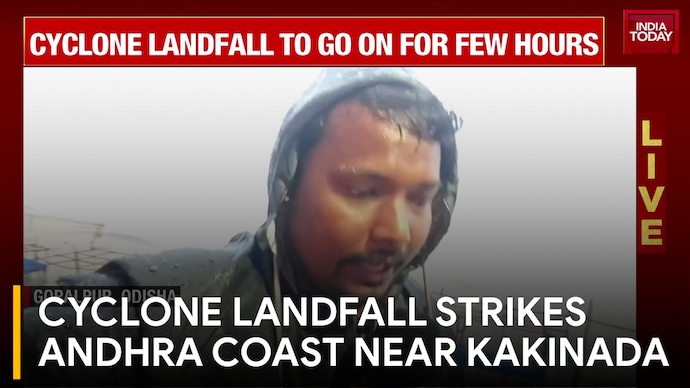
Cyclone Rages Along Andhra Coast, Landfall Near Kakinada; Odisha On Alert

A cyclonic storm has begun its landfall process along the coastal regions of Andhra Pradesh and Puducherry's Yanam, with heavy rainfall and strong winds impacting areas such as Ongole and Kakinada. The landfall is expected to conclude within two to three hours. Severe effects are also being witnessed across Konaseema and the Godavari belt, where fallen trees and cyclonic storm surges have been reported. Andhra Pradesh authorities have advised the public to remain indoors until 9:00 am, deploying nearly 85,000 personnel, with the state government directing officials to ensure minimal or zero loss of life. Neighbouring Odisha has also intensified preparations to achieve zero casualties, evacuating more than 45,000 people from vulnerable zones, including over 700 residents from low-lying areas in Gopalpur. Odisha has deployed NDRF and ODRaF personnel across alert districts, including Ganjam and Gajapati, while district administrations have vacated beaches, hoisted red warning flags, and barred fishermen from venturing into the sea.

West Asia Crisis, Red Sea Threat & Future Naval Warfare: Indian Navy Preparedness

A discussion outlines the operational preparedness of the Indian Navy's Western Naval Command amidst regional conflicts in West Asia, the Red Sea, and the Persian Gulf. Sustained naval deployments in the Gulf of Aden since 2008 and ongoing operations provide constant surveillance and swift response capabilities. The assessment highlights evolving conventional and sub-conventional threats from non-state actors, including piracy, smuggling, and weaponised commercial domains, compounded by the proliferation of uncrewed surface, subsurface, and aerial systems. Analysing strategic takeaways from global conflicts such as the US-Iran confrontations and the Russia-Ukraine war, the briefing points to the increasing weaponisation of maritime choke points and geography. The evaluation affirms the continuing relevance of capital warships and large naval platforms alongside modern countermeasures against drone technologies, underlining the vital necessity of reach, endurance, and operational flexibility to protect critical sea lines of communication.

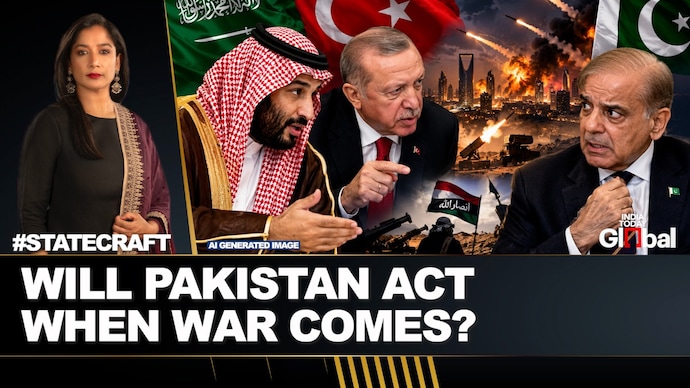
Statecraft With Geeta Mohan: Saudi Arabia Activates Mecca Pact: Can Pakistan Be Trusted To Fight?

Saudi Arabia has activated the Mecca (Makkah) Joint Defence Agreement with Türkiye and Pakistan — turning a recently signed pact into an operational security framework at a critical moment for the Middle East. The move comes amid escalating Houthi attacks, intensifying fighting along Yemen’s Red Sea coast and a reported strike on power infrastructure in Medina that temporarily disrupted supplies serving the outer perimeter of the Prophet’s Mosque.

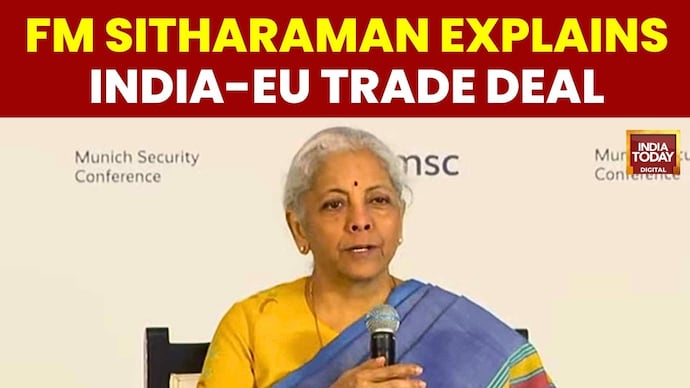
India-EU Trade Pact, US Tariffs Pressure, and Multilateral Shifts Discussed

A comprehensive panel discussion examined the evolving framework of global commerce, focusing on the proposed India-European Union free trade agreement and strategic bilateral relations. The dialogue addressed market access terms covering over two billion people and a quarter of global gross domestic product, with India offering ninety-two point five per cent of tariff lines and the European Union opening ninety-seven per cent, encompassing more than ninety per cent of bilateral trade value. Participants reviewed challenges regarding weaponised tariffs, supply chain disruptions, trade imbalances with China, stalled negotiations with the United States, and the shift from multilateral institutions such as the World Trade Organization toward bilateral agreements. The session also evaluated India's bilateral investment treaty framework, clean energy transitions, small modular nuclear reactors, and the implications of the Carbon Border Adjustment Mechanism. Crucial attention centred on maritime security risks across the Strait of Hormuz and Bab-el-Mandeb, shipping insurance costs, fertilizer import expenses, agricultural safeguards, economic autonomy, and regulated migration and student mobility.

UNGA 81st Session: Addressing Global Conflicts, Attacks On Seafarers, And Cross-Border Terrorism

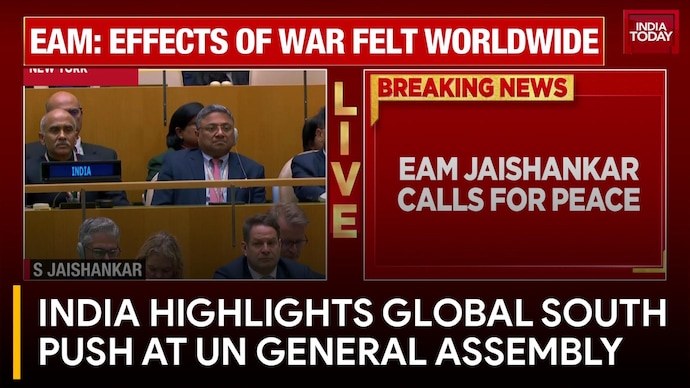
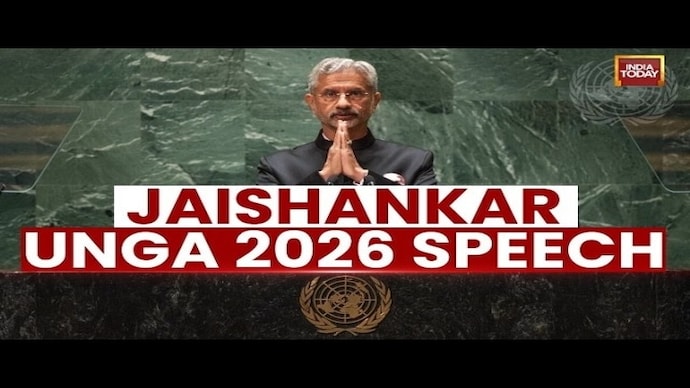
During an address at the high-level 81st session of the United Nations General Assembly in New York, External Affairs Minister Dr S Jaishankar addressed pressing global concerns, including the conflicts in West Asia and Ukraine, maritime security, cross-border terrorism, and artificial intelligence. Emphasising that durable peace in the Middle East requires a two-state solution, he highlighted India's ongoing humanitarian relief for the Palestinian people. Stressing that endless war must yield to peace, he expressed grave concern over attacks on commercial shipping across waterways from the Red Sea to the Black Sea, which endanger Indian and global seafarers and disrupt food and energy supplies. Calling out state-sponsored terrorism, he asserted that friendship cannot coexist with terror and reiterated India's commitment to defending itself. Furthermore, he outlined India's vision of artificial intelligence as a transformational driver for human empowerment and partnership with the Global South.

UNGA: Attacks on Seafarers Unacceptable, Call for Maritime Safety, Zero Tolerance on Terrorism

At the United Nations General Assembly, External Affairs Minister S. Jaishankar raised serious concerns over attacks targeting commercial shipping and seafarers across conflict zones, extending from the Red Sea to the Black Sea and the Gulf. Emphasising that the loss of life among Indian and international seafarers is completely unacceptable, it was highlighted that India has partnered with Liberia and 23 other nations to rally global public opinion for maritime security and adherence to international law. The address underscored disruptions to critical sea lanes, international trade, and global energy supplies resulting from conflicts in West Asia and between Russia and Ukraine. Reaffirming India's consistent position on cross-border terrorism, the forum emphasised that state-sponsored terrorism cannot be treated as state policy or foreign diplomacy, stating firmly that goodwill and terror cannot coexist.

UN Address: Call for Reformed Multilateralism and Multipolar World Order

Addressing the United Nations General Assembly, India highlighted its inclusive domestic growth, digital public infrastructure, and expanding international development commitments across the Global South. The address outlined that six hundred major Indian projects are currently underway in seventy-eight nations, spanning infrastructure, agriculture, and capacity building. Highlighting contributions to humanitarian response and UN peacekeeping operations, the speech noted Indian troop presence across eleven active mandates. The remarks raised serious concern over maritime attacks on commercial shipping from the Red Sea to the Black Sea and reiterated collective efforts alongside international partners to protect seafarers under international law. In technology, artificial intelligence was framed as a driver for human empowerment and Global South partnerships. Stressing that the post-1945 order is evolving towards a multipolar reality, the address urged reformed multilateralism, civil conversations, and mutual respect among nations.

Zero Tolerance on Terror, Supply Chain Weaponisation Must Stop: India at UN

Addressing the United Nations General Assembly, India raised serious concerns over escalating global conflicts, including ongoing hostilities in the Gulf, Ukraine, and West Asia. The address emphasized that commercial shipping attacks and disruptions to international waterways remain unacceptable, urging dialogue, civilian protection, and an uninterrupted flow of vital energy and food grains. Highlighting the plight of the Global South, the speech drew attention to a severe 'four F' crisis encompassing food, fuel, fertilizer, and finance, further aggravated by trade barriers and supply chain weaponisation. Reaffirming India's zero-tolerance approach toward cross-border terrorism, the address declared that friendship cannot coexist with state-sponsored terror. Emphasizing India's development partnerships across seventy-eight countries, digital public infrastructure achievements, and leadership in UN peacekeeping, the address called for urgent multilateral reforms and transparent, broad-based global decision-making.

UNGA 81st Session: Jaishankar Address, Seafarer Safety Initiative & Rebuttal to Pakistan

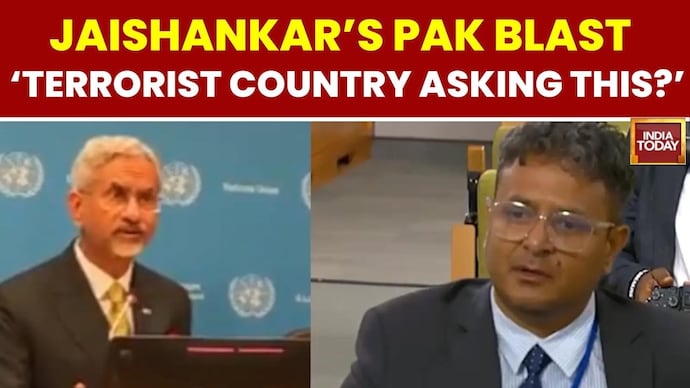
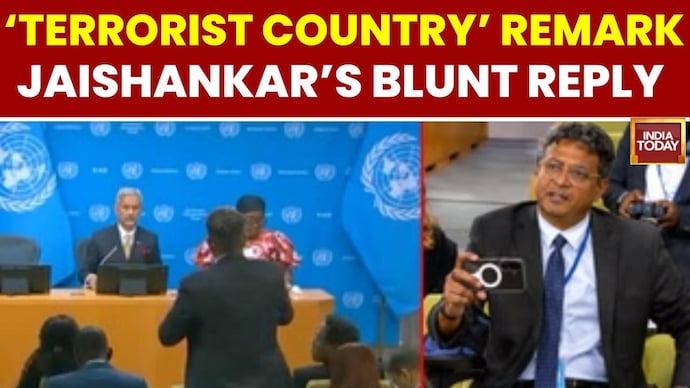
External Affairs Minister Dr. S. Jaishankar is set to address the 81st session of the United Nations General Assembly in New York, where he is expected to address geopolitical conflicts, counter-terrorism, and Global South interests. On the sidelines of the UNGA, India and Liberia formed a group of friends on seafarer safety following attacks on commercial shipping in the Red Sea and Gulf. During a media interaction, Jaishankar rejected a Pakistani journalist's question regarding terrorism, calling Pakistan a terrorist country. The bulletin also highlighted Indian diplomatic responses to Pakistan at the UN concerning cross-border terrorism, safe havens for terrorists, and issues regarding the Indus Waters Treaty.

Counter-Terrorism Stance, Red Sea Shipping Security And UNGA Address

At the eighty-first session of the United Nations General Assembly in New York, the External Affairs Minister is scheduled to address global geopolitical tensions, counter-terrorism priorities, and the interests of the Global South. Diplomatic discussions highlighted severe concerns regarding recurrent attacks targeting commercial shipping across the Red Sea, the Gulf, and the Bab el-Mandeb strait. In response to risks faced by merchant mariners, an initiative was established alongside Liberia to promote maritime safety. In addition, firm positions were maintained against cross-border terrorism sponsorship during diplomatic engagements.

UNGA 2024: Jaishankar Hits Back At Pakistani Journalist, Raises Red Sea Attacks

External Affairs Minister Dr S Jaishankar is set to address the United Nations General Assembly in New York, where he is expected to focus on counter-terrorism, geopolitical conflicts, and the interests of the Global South. During a briefing, Jaishankar dismissed a question on alleged cross-border terrorism posed by a Pakistani reporter, retorting that a terrorist country was asking him that question. The minister also voiced grave concern over repeated attacks on commercial shipping in the Gulf of Aden and the Red Sea. Announcing a group of friends with Liberia on seafarer safety, he stressed that violence against merchant mariners must end.

Trump at UNGA on Iran Deal, Global Diesel Crunch & India Energy Impact

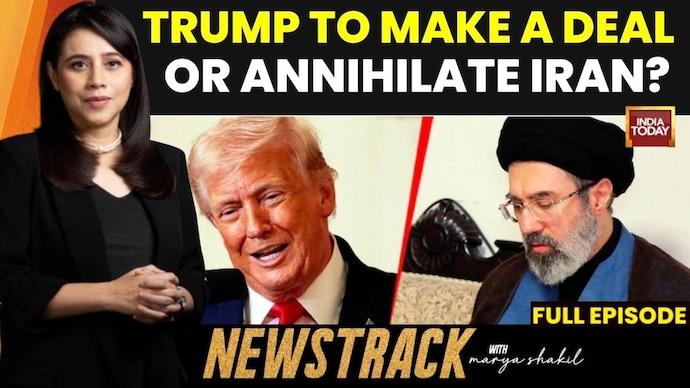
During an address at the United Nations General Assembly, US President Donald Trump issued sharp warnings against Iran, calling it the primary sponsor of terror and presenting a choice between a post-midterm deal or complete annihilation. Trump also called for global economic isolation of Tehran and advocated renaming artificial intelligence to super intelligence in official records. Evaluating the global fallout on News Track, energy expert Dr Anas Alhaj explained that crude supplies remain sufficient while refinery bottlenecks have triggered a severe international diesel and petroleum product crunch. He noted that India has managed its crude reserves effectively through discounted Russian supplies despite tariff threats. Former Indian Ambassador to the United States Meera Shankar highlighted that Trump's remarks targeted domestic US audiences, noting that India must navigate complex regional dynamics by balancing ties with Iran, Gulf nations, Israel, and the United States while accelerating its transition towards non-fossil fuel energy.

Meera Shankar: 'It Puts India in a Very Difficult Spot'

In an exclusive interview, former Indian Ambassador to the United States Meera Shankar analyzed US foreign policy moves and their implications for India's strategic and energy security. Assessing US threats concerning Iran, Shankar highlighted the geopolitical challenges facing New Delhi, stating, "It puts India in a very difficult spot because so much of our oil imports have come from the Gulf." She emphasized the urgency of diversifying energy sources and accelerating the transition to a non-fossil fuel economy through renewables and electrification. Shankar also examined the address delivered at the United Nations General Assembly, noting it was tailored primarily to a domestic audience. Highlighting India's strategic ties across the Gulf, Russia, Central Asia, and the United States, she affirmed that New Delhi will continue to make independent calculations based on its own national interests.

West Asia Crisis: Tensions Escalate Over Regional War, Yemen Conflict And Red Sea Security

Tensions continue to escalate amidst the ongoing conflict and wider crisis across West Asia. Attention remains focused on regional maritime security, particularly around strategic passages including Bab al-Mandab, alongside broader geopolitical developments involving Yemen and regional stability. Observers and international powers continue monitoring the movements and operational command of regional forces, tracking developments closely as the security situation unfolds across the region.

Houthi-Saudi Conflict Escalates: Mecca Red Line Crossed, Red Sea & Oil Supplies Hit

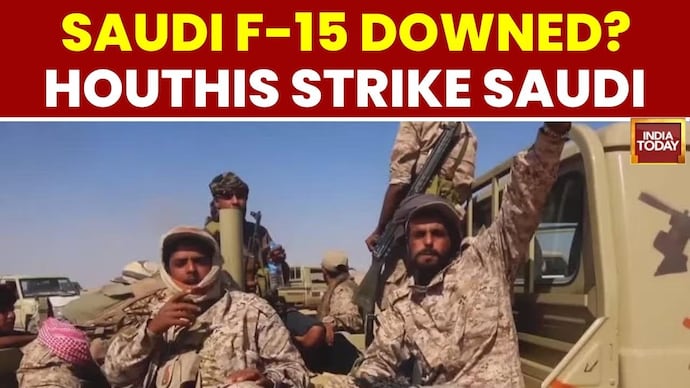
The military conflict between the Houthis and Saudi Arabia continues to escalate, with hundreds of attacks reported between both sides. The Houthis claimed to have downed a Saudi F-15 fighter aircraft and targeted multiple cities across Saudi Arabia, focusing on oil facilities and military sites. Meanwhile, Saudi Arabia reported that a drone was intercepted heading towards Mecca, describing the holy city as an absolute red line. The ongoing hostilities have severely disrupted maritime traffic along the Red Sea coast, Bab el-Mandeb, and the Strait of Hormuz, causing mounting pressure on global crude oil prices despite US-mediated peace talks in Oman.

Houthis Seize Hanish Islands, US Tariff Threat on Russian Oil Buyers, ME Secret Talks

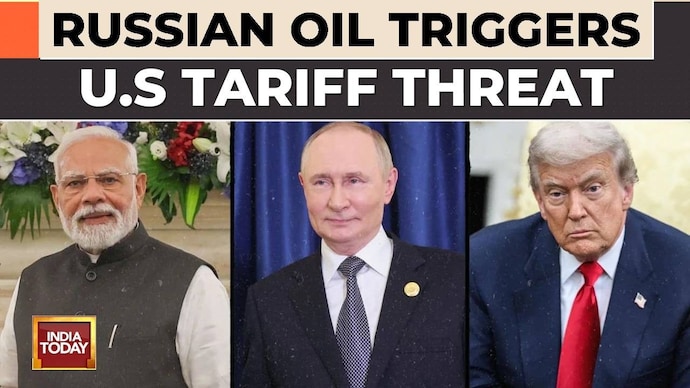
This special report examines escalating geopolitical tensions impacting global energy corridors, trade policies, and regional diplomacy. In the Red Sea, Houthi forces have seized the strategic Greater and Lesser Hanish islands near the Bab el Mandeb strait, threatening international shipping lanes and Saudi crude oil export routes. The maritime disruption coincides with drone attacks targeting Saudi Arabia's East-West pipeline, pushing Brent crude oil prices above 100 dollars per barrel and raising fears of wider supply shocks. Meanwhile, the US House of Representatives advanced the Lindsey Graham Sanctioning Russia and Iran Act of 2026, which proposes up to 100% tariffs on major purchasers of Russian energy, including India and China. In Germany, US CENTCOM convened a closed-door security conference with Israeli and Arab military commanders to coordinate responses to regional threats. The programme also highlights WHO leadership candidate Dr Hanan Balkhy discussing healthcare challenges in Gaza and introduces Germany's new Ambassador to India, Dr Philipp Ackermann's successor Dr Jasper Wyk.