Bangladesh asks India to speed up Sheikh Hasina extradition process
Bangladesh has asked India to speed up the extradition of Sheikh Hasina. Dhaka says the legal process also requires political intent and is weighing on bilateral ties.

Sheikh Hasina has been part of Bangladesh’s political landscape for so long that it’s difficult to imagine the country’s story without her. For many people, she represents continuity someone who has stayed in the spotlight through dramatic shifts, personal losses, and long phases of national change.
Her political life didn’t start by choice alone; she grew up in a home where politics was part of everyday reality. Being the daughter of Sheikh Mujibur Rahman, the country’s founding leader, meant she was connected to national issues from an early age. Over the years, she shaped that legacy into her own career, one built through elections, political negotiations, and long periods of intense public scrutiny.
Under her leadership, Bangladesh saw a rise in big infrastructure projects bridges, roads, power plants along with an increase in access to electricity and digital services. Many of these changes have helped the country move toward stronger economic growth and better day-to-day opportunities for ordinary citizens.
Her time in office has never been without debate. Opposition groups, rights organisations, and international observers have often raised concerns about political space, criticism, and the overall climate for dissent. These discussions continue to follow her, shaping how different groups assess her role.
Even with differing opinions, few would argue against her influence. Sheikh Hasina remains a defining figure in South Asian politics, someone whose decisions have shaped the direction of Bangladesh for a generation and whose presence continues to matter.
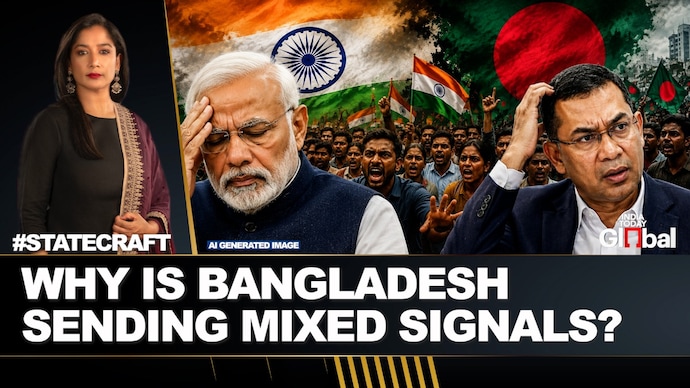
Bangladesh’s India policy appears to be sending mixed signals, with Prime Minister Tarique Rahman’s proposed visit to New Delhi becoming increasingly uncertain. First, reports suggested that Tarique Rahman could visit India between August 20 and 25 for bilateral discussions. Then Dhaka said an “appropriate” or “conducive” environment needed to be created, linking the issue to Bangladesh’s demand for the extradition of former Prime Minister Sheikh Hasina.
In Bengaluru, a 40-year-old man, SG Imran, allegedly strangled his two daughters, aged 5 and 10, inside a hotel room before attempting suicide by slitting his throat. Police recovered a note citing a marital dispute and suspicions of an extramarital affair.
An Indian-flagged cargo vessel, MSV Faiz Noor Oliya, sank off the coast of Yemen in the Red Sea after being struck by an unprovoked projectile attack near the port of Hodeidah.
The Parliament deadlock continues for a third consecutive week as opposition parties intensified efforts to corner the government over the recent crackdown on student protests, demanding a statement from Home Minister Amit Shah on the July 20 police action.
This special broadcast of India First covers key developments surrounding Big Tech accountability, Indian legislation, and regional politics.
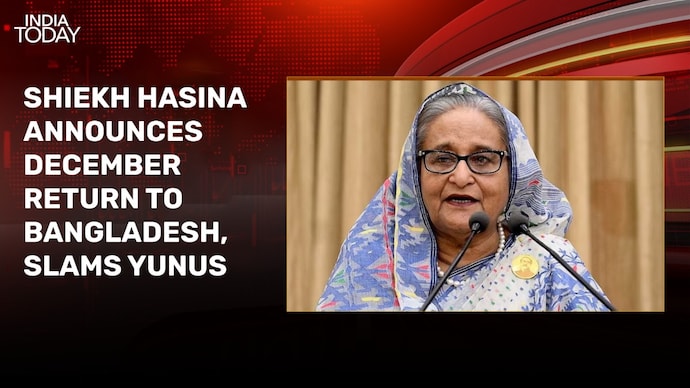
On the second anniversary of her ouster from Bangladesh, former Prime Minister Sheikh Hasina announced her plan to return to the country in December, stating she is prepared to face detention or prison to serve her people.
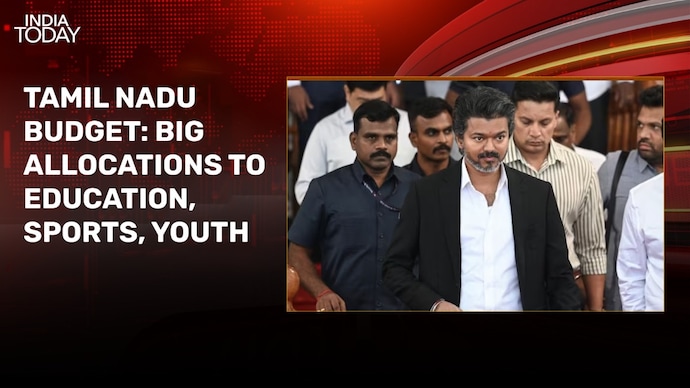
Tamil Nadu dominated the latest round of major developments as Finance Minister Mari Wilson presented the Vijay-led TVK government’s first state budget, announcing welfare measures and new spending priorities.
In this episode of Statecraft, host Geeta Mohan examines major geopolitical developments shaping national security, energy strategy, and global power.
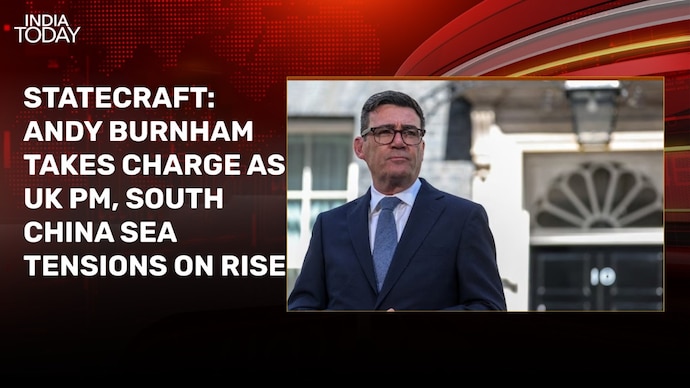
This edition of Statecraft covers major global developments, starting with the potential reshaping of India-UK relations under new British Prime Minister Andy Burnham. The broadcast examines Burnham's history of prioritising ties with India and his appointment of Kanishka Narayan as the minister for artificial intelligence.
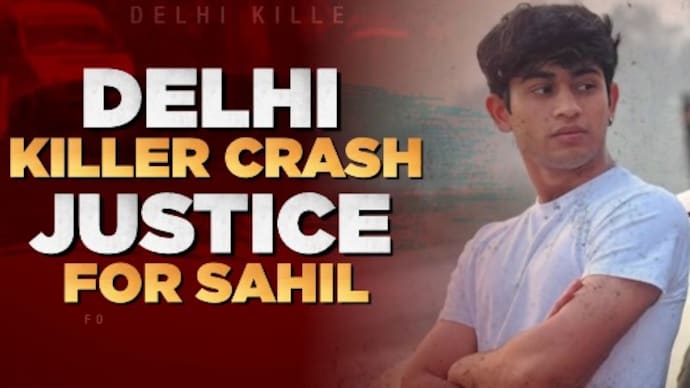
The big talking point of this episode of News Today is the death of 23-year-old Sahil Dhaneshra, who was killed in a road accident on February 3 in Delhi's Dwarka after his bike was hit head-on by a Scorpio allegedly being driven by a 17-year-old.
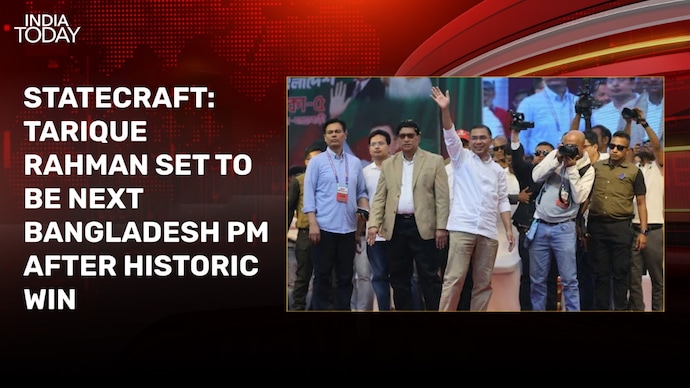
In the 2026 Bangladesh general elections, the Bangladesh Nationalist Party (BNP), led by Tariq Rahman, achieved a landslide victory, securing 209 seats and a two-thirds majority. Rahman, returning from 17 years in exile, has promised a 'new Bangladesh' focused on the rule of law, financial discipline, and the safety of all citizens, including minorities.
After a high-stakes election held in the shadow of political upheaval, Bangladesh Nationalist Party, led by Tarique Rehman, has claimed a sweeping victory, ending two decades in opposition.
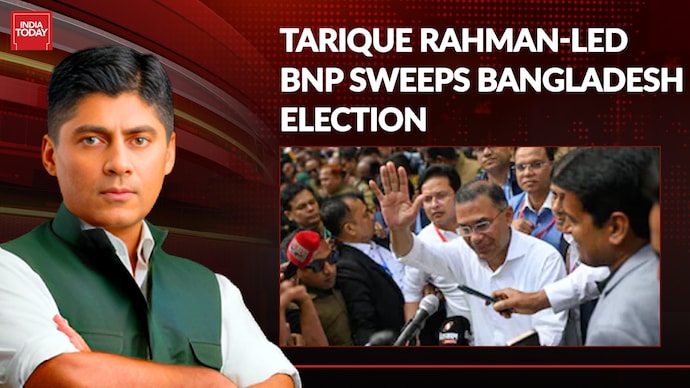
Tarique Rahman-led Bangladesh Nationalist Party (BNP) has secured a landslide victory in Bangladesh general elections, winning 212 out of 299 seats.
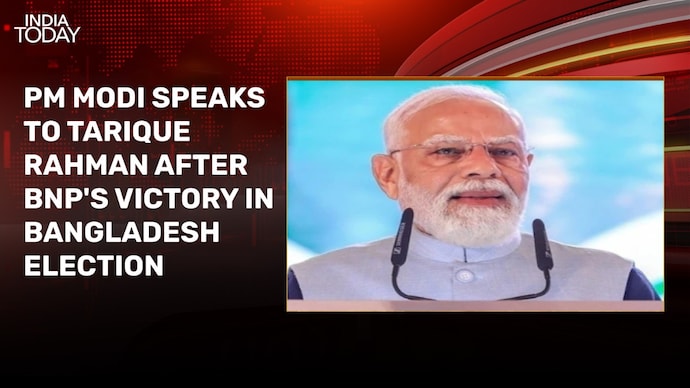
Prime Minister Narendra Modi on Friday congratulated Bangladesh Nationalist Party (BNP) chief Tarique Rahman following a significant victory in the Bangladesh elections.
In this episode of India Today Global, the big focus is on the historic national elections in Bangladesh, the first since the ouster of Sheikh Hasina.
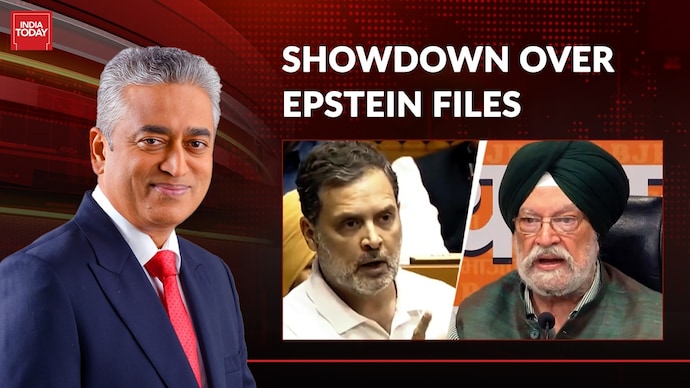
The big talking points of this episode of News Today are the mega showdown over the Epstein files between Congress leader Rahul Gandhi and Union Minister Hardeep Singh Puri and the Bangladesh elections.
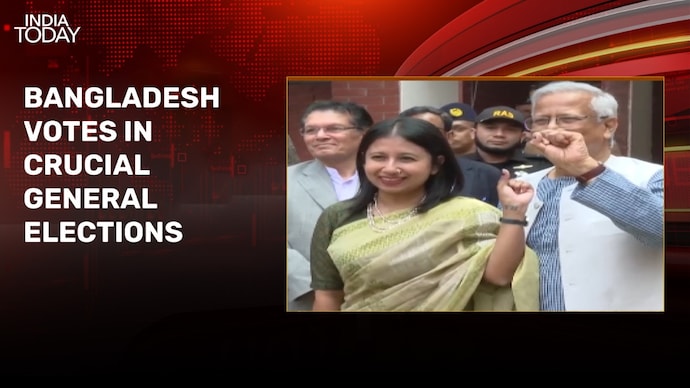
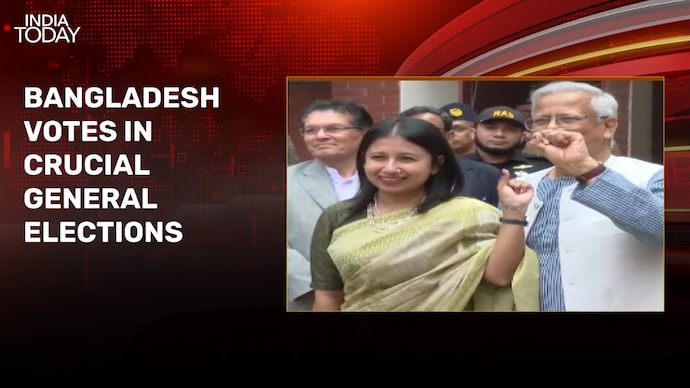
Bangladesh people on Thursday voted in the crucial general elections to elect a new government to replace the interim administration, which took charge after the collapse of the Awami League regime in August 2024.
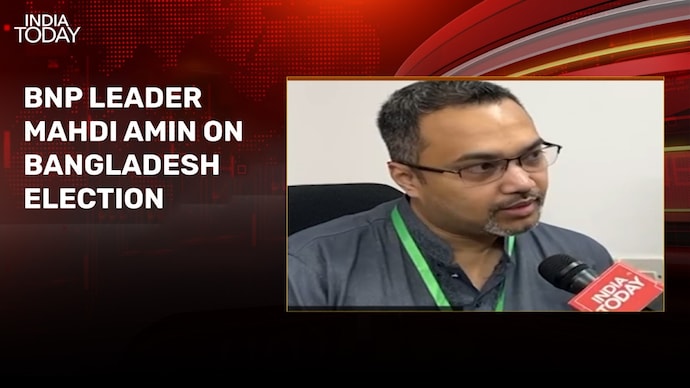
Mahdi Amin, spokesperson for the Bangladesh Nationalist Party (BNP), said that if polls are free and fair, then his party is on course to win.
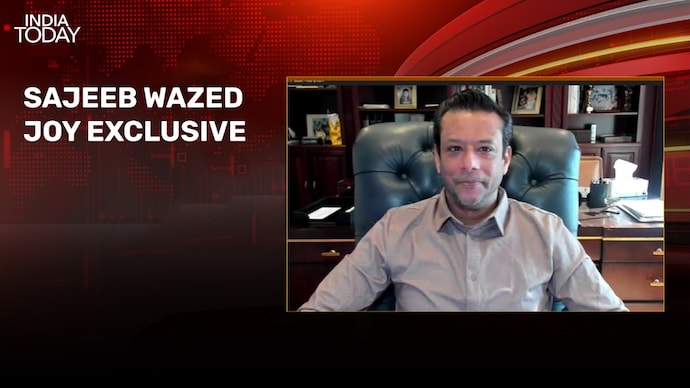
As the high-stakes poll battle begins in Bangladesh, Sheikh Hasina's son Sajeeb Wazed Joy spoke to India Today and said that the erstwhile Prime Minister is worried about the country's future following the muscle flexing of the Jamaat-E-Islami.
Bangladesh has commenced its parliamentary elections for the 300-seat parliament, marking the first national polls since the ouster of Sheikh Hasina in 2024. While voter turnout in Dhaka is reported as high, particularly among women and youth, the process has been marred by allegations of 'night voting' and vote rigging.