Vietnamese crab exporter

Topic

Advertisement
TOPIC

Strait of Hormuz

The Strait of Hormuz is a narrow water route that connects the Persian Gulf with the Gulf of Oman and the Arabian Sea. It is about 167 km long, but the width is different in different places.

In some areas it is wider, but at its narrowest it is only around 33-39 km. Iran is on the north side, while Oman’s Musandam Peninsula and some parts of the UAE are on the south side. The depth is usually between 60 to 100 meters, which is enough for big oil tankers to pass.

This strait is very important mainly because a large amount of oil goes through it every day. Around 20% of the world’s oil supply passes from here, which is quite a lot.

It is also used to transport liquefied natural gas. Countries like Saudi Arabia, UAE, Iraq, Qatar and Kuwait depend on this route to send oil to other regions, especially Asia and Europe.

The shipping lanes are quite narrow, about 3 km each side, and most of them are in Omani waters, although Iran controls some nearby islands like Qeshm and Hormuz.

The area has seen tensions many times because of its importance. During the Iran-Iraq War there were threats to block it, and even in recent times there have been some issues in the region.

But blocking it fully for a long time is not easy. There are also important ports nearby, such as Bandar Abbas in Iran. If something serious happens here, oil prices in the world can increase quickly, which shows how important this route is.

  • ALL
  • STORIES
  • VIDEOS

STORIES

Gaza death toll crosses 74,000 as Iran awaits US response

Gaza's reported death toll has crossed 74,000 as Israeli strikes continued and Iran awaited a US response on talks. The developments underlined how ceasefire efforts and regional diplomacy remain stuck amid widening instability.

Iran offers Trump fast Hormuz deal tied to sanctions relief

Iran used the UN meeting to send Washington a new proposal to end the fighting and reopen the Strait of Hormuz within seven days. The offer revives indirect diplomacy but leaves core disputes over sanctions, shipping and military pressure unresolved.

Iran offers to reopen Hormuz, resume nuclear talks if US lifts blockade

Iran told US interlocutors it would reopen the Strait of Hormuz and restart nuclear talks within seven days if Washington lifted its naval blockade, eased oil sanctions and upheld a wider ceasefire. The proposal signals renewed diplomacy at the UN, but deep mistrust and the collapse of an earlier understanding still hang over any deal.

Load More

VIDEOS

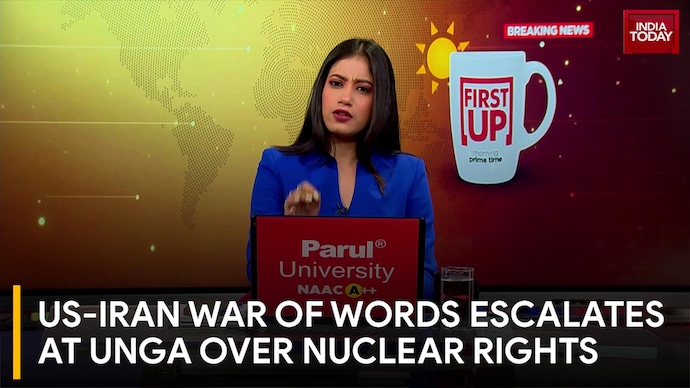
UNGA Sees US-Iran War Of Words As Pezeshkian And Trump Clash Over Nuclear Rights

A war of words erupted between the United States and Iran at the United Nations General Assembly in New York, following three-hour-long bilateral discussions. Iranian President Masoud Pezeshkian defended Tehran's record, asserting that Iran has not attacked another nation for two centuries and maintaining that its access to peaceful nuclear technology remains non-negotiable. He also accused the US and Israel of targeting innocent civilians and causing instability. During his address, the US delegation staged a walkout from the UNGA hall. The confrontation followed remarks by Donald Trump, who issued severe warnings regarding the failure to reach an agreement, calling Iran a sponsor of terror and insisting that Tehran must never possess a nuclear weapon. Trump urged international nations to pursue economic isolation against Iran over maritime security concerns and nuclear ambitions, while Iranian leadership affirmed that Iran seeks regional cooperation and will not surrender under foreign threats.

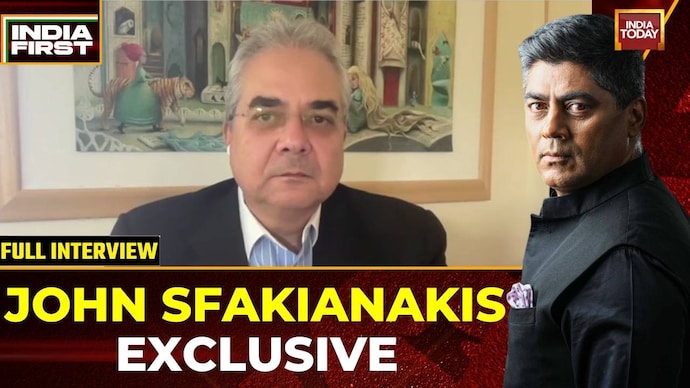
John Sfakianakis: 'IMEC Can Help The Strait Of Hormuz, But It Cannot Replace' It

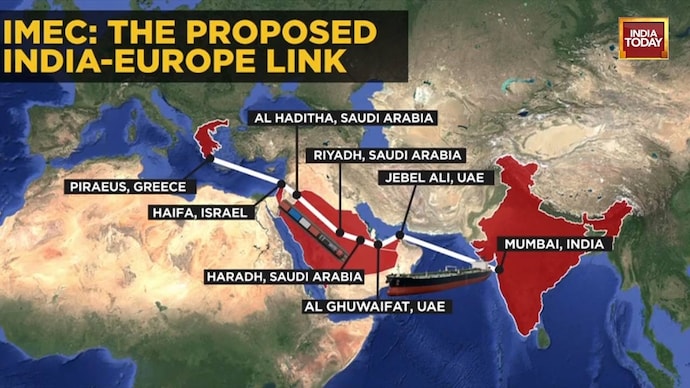
In an interview with India Today, John Sfakianakis, Chief Economist and Head of Economic Research at the Gulf Research Center and Associate Fellow at Chatham House, analyzed the feasibility of the India-Middle East-Europe Economic Corridor (IMEC) and mounting Middle East tensions. Evaluating the corridor, Sfakianakis noted, "IMEC can help the Strait of Hormuz, but it cannot replace the Strait of Hormuz." He highlighted major political, diplomatic, and infrastructural hurdles facing the project, pointing out that Saudi Arabia and Israel lack diplomatic ties and that the Arabian Peninsula currently lacks cross-border rail links. Addressing regional geopolitical friction, he explained that Saudi Arabia maintains a two-state solution for Palestine as a prerequisite for normalized ties with Israel. Sfakianakis also warned of broader economic ramifications from persistent conflicts involving Iran, Russia, and the United States, stressing that rising inflation remains the primary threat confronting global economies.

Trump Backs IMEC as West Asia War and Shipping Disruptions Expose Chokepoints

The India-Middle East-Europe Economic Corridor has gained renewed focus following support from US President Donald Trump amidst ongoing conflict in West Asia and disruptions to shipping routes at Bab el-Mandab and the Strait of Hormuz. First unveiled during India's G20 presidency in September 2023, the multimodal network combines rail, road, sea routes, pipelines, and digital cables linking India, the Gulf, and Europe. With attacks threatening critical energy flows, fertilizers, and commercial vessels, IMEC is viewed as an alternative route to diversify global supply chains away from vulnerable maritime chokepoints, though ongoing regional instability and infrastructure demands present operational delays.

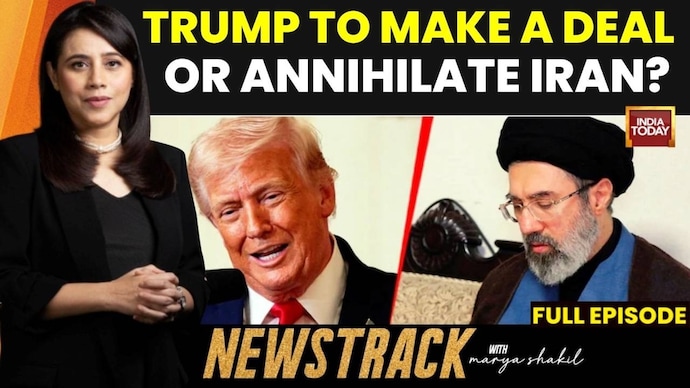
Trump at UNGA on Iran Deal, Global Diesel Crunch & India Energy Impact

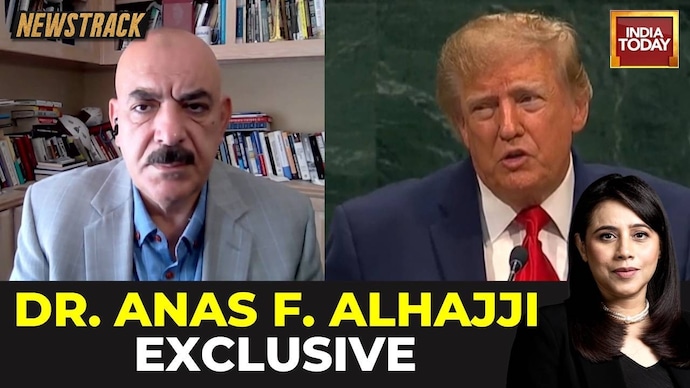
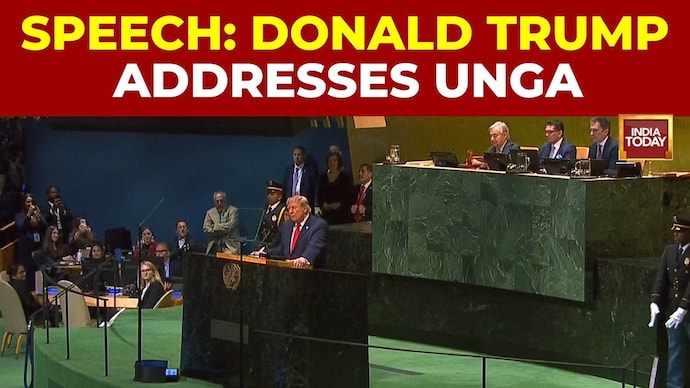
During an address at the United Nations General Assembly, US President Donald Trump issued sharp warnings against Iran, calling it the primary sponsor of terror and presenting a choice between a post-midterm deal or complete annihilation. Trump also called for global economic isolation of Tehran and advocated renaming artificial intelligence to super intelligence in official records. Evaluating the global fallout on News Track, energy expert Dr Anas Alhaj explained that crude supplies remain sufficient while refinery bottlenecks have triggered a severe international diesel and petroleum product crunch. He noted that India has managed its crude reserves effectively through discounted Russian supplies despite tariff threats. Former Indian Ambassador to the United States Meera Shankar highlighted that Trump's remarks targeted domestic US audiences, noting that India must navigate complex regional dynamics by balancing ties with Iran, Gulf nations, Israel, and the United States while accelerating its transition towards non-fossil fuel energy.

Meera Shankar: 'It Puts India in a Very Difficult Spot'

In an exclusive interview, former Indian Ambassador to the United States Meera Shankar analyzed US foreign policy moves and their implications for India's strategic and energy security. Assessing US threats concerning Iran, Shankar highlighted the geopolitical challenges facing New Delhi, stating, "It puts India in a very difficult spot because so much of our oil imports have come from the Gulf." She emphasized the urgency of diversifying energy sources and accelerating the transition to a non-fossil fuel economy through renewables and electrification. Shankar also examined the address delivered at the United Nations General Assembly, noting it was tailored primarily to a domestic audience. Highlighting India's strategic ties across the Gulf, Russia, Central Asia, and the United States, she affirmed that New Delhi will continue to make independent calculations based on its own national interests.

Dr. Anas Alhajji: 'The crisis is in diesel. That's where the crisis is'

In an exclusive interview with India Today, energy markets expert Dr. Anas Alhajji analyzed the global energy landscape, Hormuz Strait tensions, and the impact of geopolitical developments on India. Dr. Alhajji clarified that current market disruptions stem from refined products rather than crude oil, stating, 'The crisis is in diesel. That's where the crisis is.' He dismissed rhetoric surrounding US President Donald Trump's remarks at the United Nations, asserting that market fundamentals remain detached from political speeches. Evaluating India's strategic response, Dr. Alhajji highlighted how New Delhi successfully replenished its inventories by importing discounted Russian crude, in contrast to Japan's slower recovery under G7 restrictions. He noted that while Indian refiners face high margins because global refineries are maxed out, India faces unique challenges in liquefied petroleum gas supplies due to shifts in Saudi Arabian production. Additionally, he emphasized that US tariff legislation with a 180-day grace period would not severely disrupt Indian refinery operations.

'It Has Been My Great Honor to Settle Eight Wars': Donald Trump

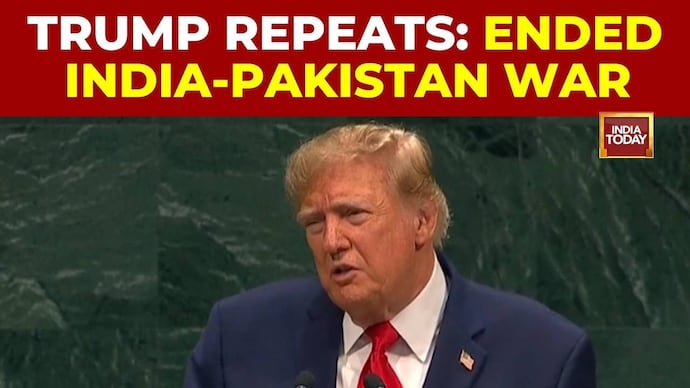
Addressing the United Nations General Assembly and marking the 250th anniversary of American independence, United States President Donald Trump detailed his administration's domestic and international policy agenda. Domestically, Trump highlighted United States economic metrics, poverty reduction, and border security enforcement. In foreign affairs, Trump reiterated that Iran will not be permitted to obtain a nuclear weapon, referencing military strikes on Iranian nuclear sites, the destruction of Iranian naval vessels, and United States naval escorts in the Strait of Hormuz. Trump reviewed the cessation of hostilities in Gaza, the release of hostages, and the formation of a multilateral Board of Peace backed by the United Nations Security Council. He outlined diplomatic mediation across international disputes, including India and Pakistan, Cambodia and Thailand, Kosovo and Serbia, the Democratic Republic of the Congo and Rwanda, Armenia and Azerbaijan, as well as ongoing negotiations between Russia and Ukraine. Additionally, Trump detailed United States military operations in Venezuela, the apprehension of Nicolás Maduro, and an agreement involving 65 billion barrels of oil. He announced an accord with Denmark regarding Greenland to construct two military bases for Arctic defense. On technological policy, Trump stated that the United States government will prioritize super intelligence over traditional artificial intelligence terminology. The address concluded with calls for United Nations structural reforms, spending reductions, opposition to international carbon taxation, and the rejection of International Criminal Court jurisdiction.

Donald Trump on Deal or War: 'Do I Annihilate the Islamic Republic'

Speaking on global conflicts and foreign policy, Donald Trump outlined the United States' stance on Iran, maritime security, and peace initiatives across the Middle East and beyond. Trump noted that US naval escorts in the Strait of Hormuz have kept oil shipments flowing despite violations by Tehran. Weighing diplomatic engagement against military confrontation, Trump asked, 'Will a deal be made with Iran that lets them rebuild and create a far greater country than it ever was before? Maybe one of the greatest in the Middle East or even the world, or do I annihilate the Islamic Republic and do it quickly, never giving them a chance to kill and destroy people and countries again?' He called for total economic isolation until Iran ends its nuclear ambitions and attacks on commercial shipping. Trump also highlighted the United Nations Security Council's endorsement of the 20-point Gaza Peace Plan, the establishment of the Board of Peace, and his role in mediating numerous protracted international conflicts.

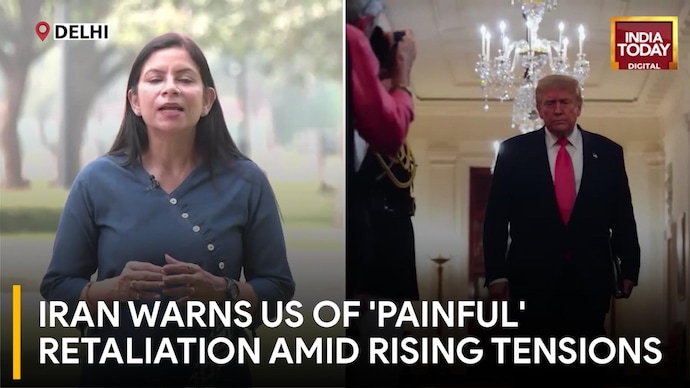
Iran Warns US Of 'Painful' Retaliation, Hormuz Route Blocked As Tensions Rise

Tensions between Iran and the United States continue to escalate in West Asia amid an ongoing deadlock. Iran issued a stern warning via state news agency IRNA, stating its readiness to launch an effective, continuous, and painful retaliation against US bases and regional allies if targeted by American military action. Meanwhile, the Strait of Hormuz remains blocked, and the US has asserted control over Iranian port access, intercepting over 109 merchant vessels. Following Houthi attacks on Saudi Arabia, US President Donald Trump indicated potential strikes against Iran. Washington has also advised its citizens against travelling to the region.

Strait Of Hormuz Closure, Iran Sets US Talks Conditions, West Asia Escalation

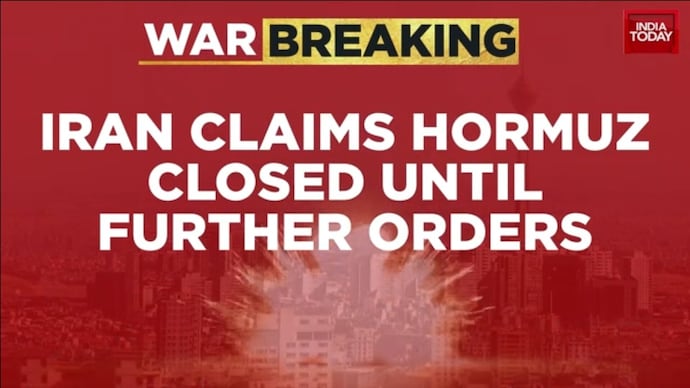
Iran has announced that the Strait of Hormuz will remain closed until further orders, stating that reopening depends on commitments from the United States. Tehran has outlined conditions for re-engaging in discussions, demanding an unfreezing of Iranian funds, an end to the naval blockade, and a halt to the war on all fronts. Consultations mediated by Qatar and Pakistan continue as Tehran awaits a response. The conflict has disrupted critical maritime oil transit routes across the region, including the Strait of Hormuz and Bab el-Mandeb, amid ongoing attacks on infrastructure.

Houthi-Saudi Conflict Escalates: Mecca Red Line Crossed, Red Sea & Oil Supplies Hit

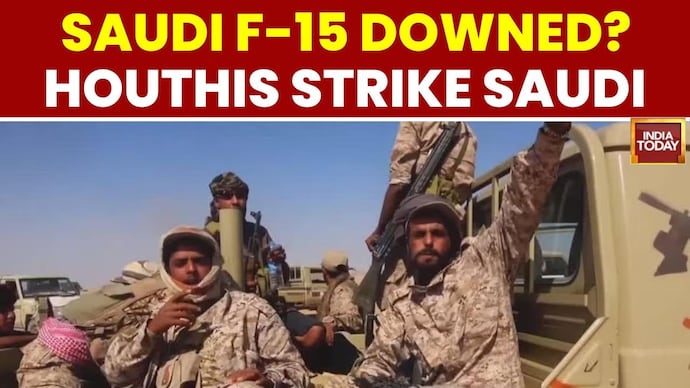
The military conflict between the Houthis and Saudi Arabia continues to escalate, with hundreds of attacks reported between both sides. The Houthis claimed to have downed a Saudi F-15 fighter aircraft and targeted multiple cities across Saudi Arabia, focusing on oil facilities and military sites. Meanwhile, Saudi Arabia reported that a drone was intercepted heading towards Mecca, describing the holy city as an absolute red line. The ongoing hostilities have severely disrupted maritime traffic along the Red Sea coast, Bab el-Mandeb, and the Strait of Hormuz, causing mounting pressure on global crude oil prices despite US-mediated peace talks in Oman.

US House Passes Russia-Iran Sanctions Bill; 100% Tariff Threat on India Crude; New Delhi Reacts

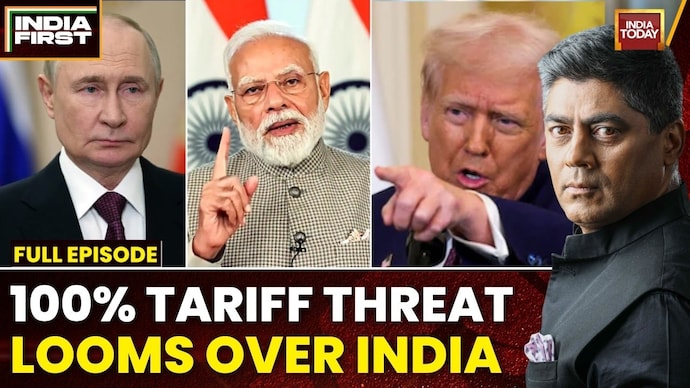
The United States House of Representatives has passed the Lindsey Graham Sanctioning Russia and Iran Act of 2026, sending legislation to President Donald Trump that enables tariffs of up to 100 percent on major buyers of Russian crude oil and natural gas, including India and China. In response, the Ministry of External Affairs affirmed India's commitment to securing energy supplies through diversified sources while communicating bilateral and market implications to US interlocutors. Amid geopolitical developments and Russian crude accounting for 51.1 percent of Indian oil imports in July 2026, Chief Economic Advisor Dr V Ananth Nageswaran and Union Minister Kiren Rijiju examined India's economic trajectory and governance roadmap toward Viksit Bharat by 2047. Discussion points included banking sector balance sheet reforms, capital expenditure expansion, the Production Linked Incentive scheme, trade agreements, and administrative strategies under Prime Minister Narendra Modi.

US Tariff Threats: 'India has a Hobson's choice' on Russian crude

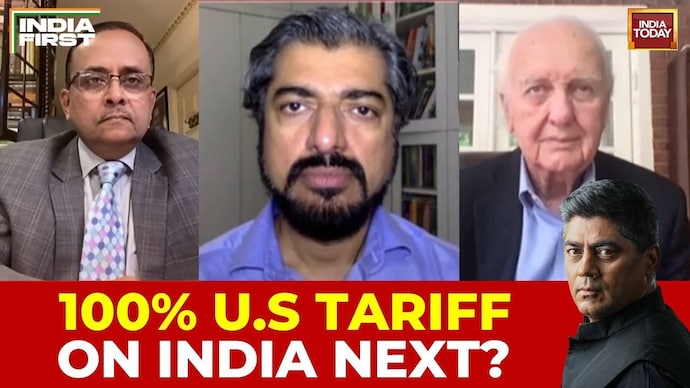
In this India First panel discussion, former NSDC CEO Jayant Krishna, former US Assistant Secretary Raymond Vickery Jr., and Sandip Unnithan analyse the ramifications of potential US tariffs on Indian crude oil imports from Russia. Jayant Krishna noted that 'India has a Hobson's choice' given the closure of key shipping routes through the Strait of Hormuz and supply disruptions from other regional suppliers. The discussion outlines how energy demand and rising global oil prices compel India to prioritise economic stability and national interest, while exploring the wider repercussions for bilateral trade agreements and strategic ties between New Delhi and Washington.

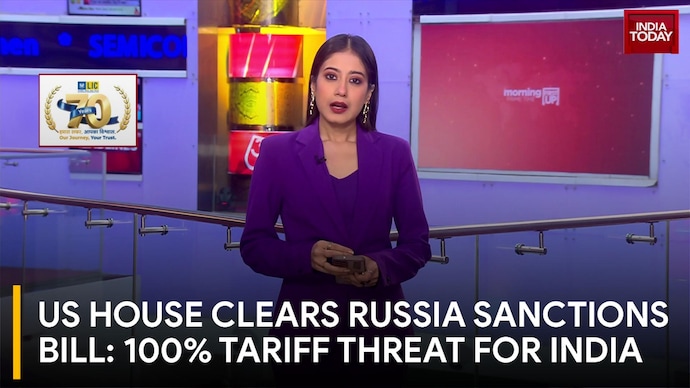
US House Clears Russia Sanctions Bill; 100% Tariff Threat Looms Over India and China

The US House of Representatives has passed the Lindsey Graham Sanctioning Russia and Iran Act of 2026 by a vote of 262 to 159, sending the bill to President Donald Trump for final approval. The legislation targets Russia's energy sector and leadership, authorising tariffs of up to 100% on the top five importers of Russian crude oil and natural gas, placing major buyers like India and China at risk. Countries importing under 15% of Russia's gas exports while actively cutting purchases may seek exemptions. The bill further permits up to a 500% tariff on Russian goods entering the United States. With India importing nearly 85% of its oil requirement and navigating supply bottlenecks amid Middle East tensions, the move adds new friction to India-US trade talks as New Delhi evaluates long-term import diversification.

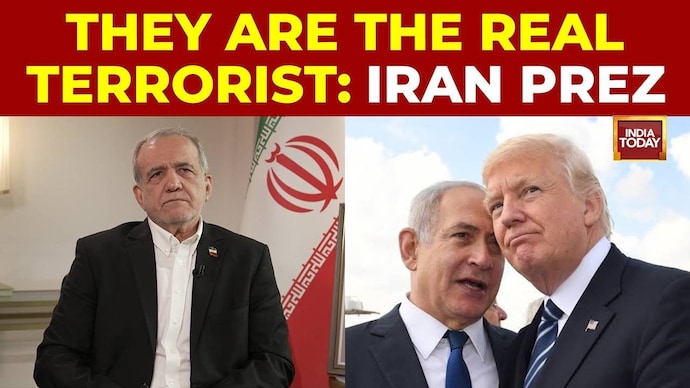
Masoud Pezeshkian on US and Israel: 'They Are the Real Terrorists'

In an exclusive interview with India Today on the sidelines of the BRICS summit, Iranian President Masoud Pezeshkian condemned the United States and Israel over ongoing regional military actions, stating, "They are the real terrorists in the world." Pezeshkian accused Washington of committing state terrorism, attempting to topple Iran's government, and inciting division among Middle Eastern nations to exploit energy resources and sell weapons. Addressing speculation regarding Iran's leadership, Pezeshkian dismissed rumors concerning Supreme Leader Mojtaba Khamenei, confirming that "he is alive" and actively carrying out his constitutional responsibilities. He further noted that the United States disseminates misinformation because it cannot locate the Supreme Leader's precise whereabouts. Concluding on governance and diplomatic talks, Pezeshkian reaffirmed that the Supreme Leader remains the ultimate authority who retains the final decision-making power in Iran.

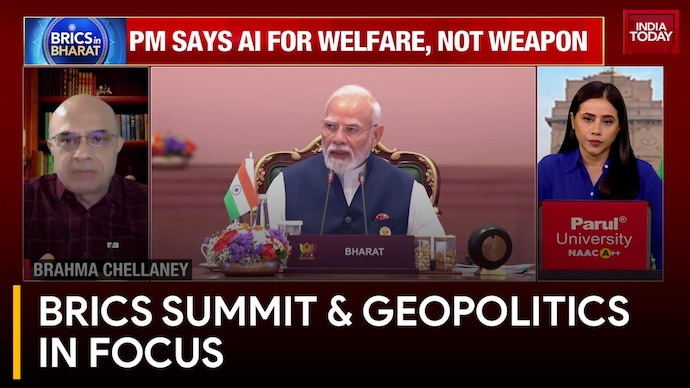
BRICS Summit, New Delhi Declaration & West Asia Tensions in Focus

A panel discussion evaluates the New Delhi Declaration and the strategic outcomes of the BRICS summit, analysing the grouping's role as a catalyst for reformed multilateralism and an alternative platform for non-Western nations seeking strategic autonomy. The discussion addresses global geopolitical and geoeconomic challenges, including the weaponisation of economic interdependence, unilateral coercive measures, tariffs, sanctions, and export restrictions affecting international trade and World Trade Organization norms. Experts also assess India's diplomatic engagement with China and global governance reforms, alongside escalating tensions in West Asia involving Iran, the United States, and Israel. The geopolitical significance of maritime choke points, including the Strait of Hormuz, Bab-el-Mandeb, the Red Sea, and the Suez Canal, is reviewed in relation to global trade disruption, energy security, and regional stability ahead of key diplomatic dialogues involving the Gulf Cooperation Council nations in Muscat.

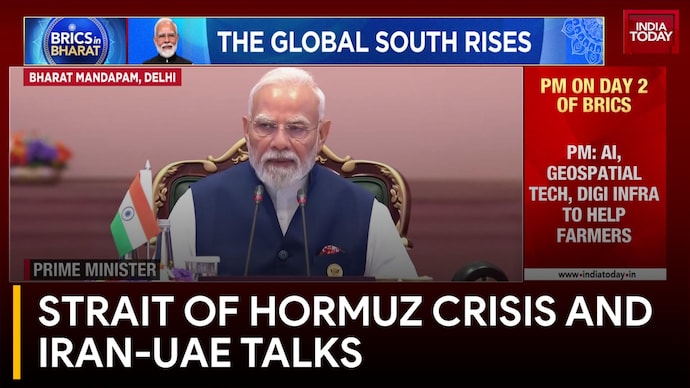
Iran-UAE Talks, GCC Summit In Oman And Strait Of Hormuz Crisis Examined

A panel discussion featuring foreign policy and strategic affairs experts examines regional developments in West Asia following bilateral talks between the Iranian President and the UAE leadership on the sidelines of the BRICS summit. The analysis focuses on navigating tensions around the Strait of Hormuz, maritime shipping routes, and an upcoming meeting among GCC nations in Muscat, Oman, to address the ongoing crisis. Experts evaluate the broader economic impact of soaring oil prices and supply disruptions on developing economies, including foreign exchange pressures and rising debt. The conversation highlights diplomatic efforts, potential mediation by BRICS members like China, and the strategic positioning required to address security concerns involving regional actors and shipping channels in the region.