
Trump moves to end 60-day H-1B grace period, Indian tech workers most exposed

The Trump administration has proposed ending the 60-day grace period for H-1B and certain other foreign workers after job loss. The move could particularly affect Indian tech professionals, who make up a major share of H-1B holders. The proposal is part of Trump's broader push to tighten legal migration.
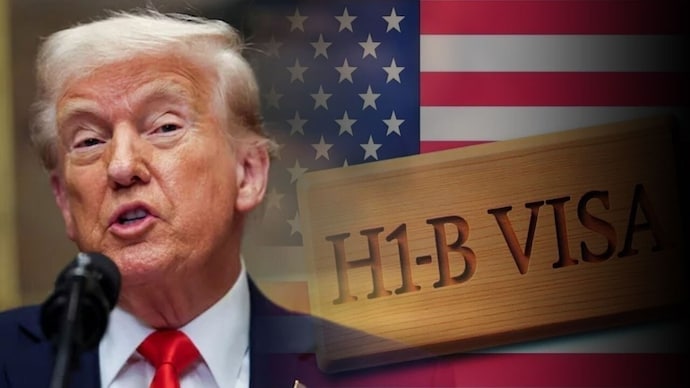

The Donald Trump administration has proposed ending the 60-day grace period that allows certain foreign workers, including skilled professionals on H-1B visas, to remain in the United States and look for a new sponsor after losing their jobs, reported news agency Reuters.
The proposed change could have a significant impact on Indian technology professionals, who make up a major share of H-1B visa holders and are employed across the US technology and services sector.
Under the proposal published by the US Department of Homeland Security in the Federal Register on Thursday, H-1B and certain other temporary work visa holders would have to immediately leave the US once their employment ends, rather than getting up to 60 days to find another job or make arrangements to leave the country.
The 60-day grace period has been in place since 2017. It gives foreign workers time to find another US employer willing to sponsor them or arrange their departure, including dealing with practical matters such as housing and children's schooling.
Commenting on the proposal, the Department of Homeland Security said, "This proposal restores a direct relationship between an alien's nonimmigrant status and the specific employment or activity that formed the basis of his or her admission or grant of status in the United States and reduces administrative burden."
The department has invited comments from the public on the proposal over the next 60 days.
INDIAN TECH WORKERS AMONG THOSE MOST EXPOSED
H-1B visas are particularly important to the US technology industry, which relies heavily on skilled workers from India and China.
Indian IT companies including Tata Consultancy Services, Infosys, HCLTech and LTIMindtree are among major H-1B sponsors. Consultancy firms such as Deloitte, PwC and Ernst & Young are also significant sponsors.
For Indian professionals working in the US, the proposed change could sharply reduce the time available to secure a new employer after a layoff.
Lawyers at Berardi Immigration Law said the proposal would “sharply compress the timeline HR teams have to manage layoffs and offboarding for foreign national employees”.
TRUMP ADMINISTRATION TIGHTENS LEGAL MIGRATION
The proposal is the latest move by the Trump administration to tighten legal migration since Trump returned to the White House in January 2025.
The administration has introduced higher visa fees for skilled workers and recently paused immigrant visa appointments at US missions around the world while implementing a new training programme.
The Department of Homeland Security acknowledged that companies could face some disruption if the proposed change is implemented, but said the affected positions could instead be offered to American workers.
The proposal states that employers would either offer the jobs to “equally qualified U.S. workers” or use the I-129 petition process if they need to retain foreign workers.
OTHER VISA HOLDERS COULD ALSO BE AFFECTED
The proposed rule would not be limited to H-1B workers.
It would also cover certain E-1 international trader visa holders, E-2 commercial vehicle operators, L-1 executives and managers working for international companies, O-1 visa holders with extraordinary ability in fields such as science, sports or the arts, and TN professional workers.
H-1B1 skilled workers from Singapore and Chile and E-3 specialty workers from Australia would also be affected.
The proposed rule is now subject to a two-month public comment period before the administration can move towards implementing it.