Vietnamese crab exporter
Advertisement

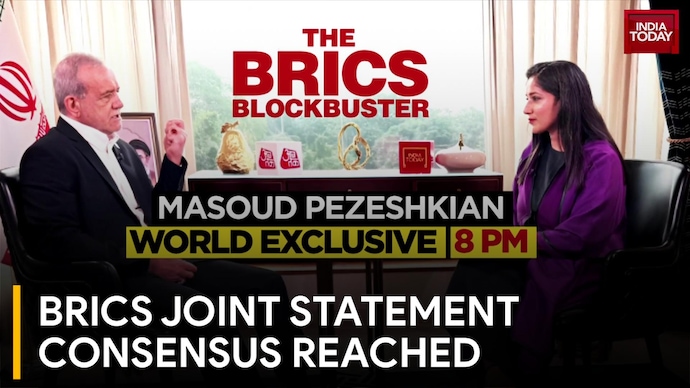
Exclusive: Iran President on India ties, Mojtaba Khamenei's well-being, US war

In an interview with India Today, Iranian President Masoud Pezeshkian addressed questions regarding Supreme Leader Mojtaba Khamenei, stating that he is alive and performing his duties. Pezeshkian dismissed speculations, asserting that foreign adversaries spread rumours because they cannot locate the Supreme Leader. He condemned the actions of the United States and Israel across the region, accusing them of carrying out assassinations and targeting leaders, scientists, and infrastructure. Pezeshkian also discussed bilateral relations between Iran and India, noting that ties with the Prime Minister of India are strengthening continuously based on deep-rooted historical and cultural connections.

Read More

VIDEOS FROM OTHER SECTIONS

LATEST VIDEOS

BRICS Summit Engagements, Bilateral Deliberations And Focus On Regional Stability

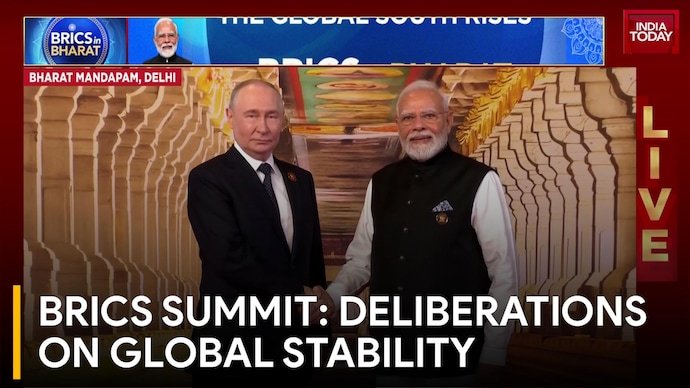
World leaders gathered at Bharat Mandapam for the BRICS summit, with bilateral meetings taking place on the sidelines against the backdrop of the iconic Ramanathaswamy Temple from Rameshwaram. Discussions focused on the significance of member nations managing mutual differences and disputes to establish regional and economic stability. The deliberations emphasized moving beyond standard diplomatic statements to create actionable mechanisms for long-term global cooperation.

BRICS Summit at Bharat Mandapam: West Asia Stability, Global Power Shifts and Multilateralism

World leaders gather at Bharat Mandapam in Delhi for the BRICS Summit as strategic discussions center on global stability, regional security, and the future of multilateralism. Key deliberations highlight the crisis in West Asia, emphasizing the need for direct dialogue and coexistence between Arab nations and regional neighbours to build a sustainable security architecture. Panellists address shifting global power dynamics, changing modes of modern warfare, and the impact of major power policies on international waterways such as the Strait of Hormuz and Bab el-Mandeb. The forum underscores the importance of consensus, resilience, and reinvigorating international institutions to address economic turmoil and strategic realignments affecting member nations.

India Achieves BRICS Consensus in New Delhi Amid West Asia Crisis and Key Diplomatic Talks

In a major diplomatic development, BRICS member nations have reached a consensus on the New Delhi declaration ahead of the summit at Bharat Mandapam. Chairing the consultations, India led sustained deliberations to bridge competing positions among member states, notably bringing together Iran, Saudi Arabia, and the United Arab Emirates amid active conflicts and tensions in West Asia. The declaration addresses pressing international issues, including the economic fallout from disruptions along maritime communication routes around the Arabian Peninsula and the Strait of Hormuz. Prime Minister Narendra Modi welcomed arriving world leaders, including Chinese President Xi Jinping, marking an important diplomatic engagement on Indian soil. While the consensus document represents a coordinated effort to sustain the functionality of the consensus-based grouping, experts and former diplomats shared varied perspectives on whether compromise language dilutes the bloc's ability to take definitive stances on global geopolitical conflicts.

advertisement

BRICS Summit Consensus Reached, Diplomatic Breakthrough Achieved & West Asia Talks

Member nations of the BRICS grouping have reached consensus on a joint declaration following extensive overnight negotiations. The breakthrough came ahead of the formal summit commencement, with sustained diplomatic consultations bridging competing positions among member states, particularly regarding language surrounding West Asia tensions involving key regional players. The agreed framework reflects collective negotiation efforts, addressing contentious issues while maintaining consensus across member states where every participant holds veto power. Analysts and foreign affairs observers discussed the diplomatic significance of securing a joint communique compared to past multilateral summits, alongside broader regional implications such as forthcoming Middle East dialogues and critical maritime trade security concerning strategic choke points like the Bab el-Mandeb and the Strait of Hormuz. The discussion also addressed the balance between formal diplomatic declarations and tangible geopolitical outcomes affecting international trade, energy corridors, and regional security frameworks.