Government reaffirms E20 petrol is safe, says no evidence of widespread engine issues
In a written reply in Lok Sabha, the Centre said scientific studies and field data have found no widespread impact of E20 petrol on vehicle performance, while acknowledging that concerns raised on media and social media were examined.
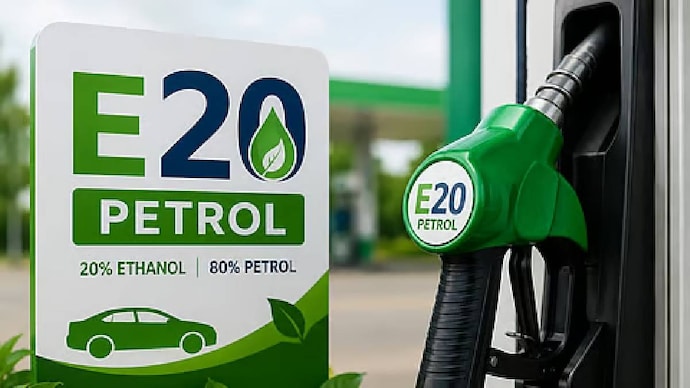
The Centre has reiterated that E20 petrol is safe for use in petrol vehicles, stating that extensive scientific studies, field validation and real-world operating data have found no evidence of widespread engine damage, abnormal wear or deterioration in vehicle performance due to the higher ethanol blend.
In a written reply in the Lok Sabha on Thursday, Minister of State for Petroleum and Natural Gas Suresh Gopi said the Ethanol Blended Petrol (EBP) Programme was implemented through a phased and scientifically validated process involving NITI Aayog, the Automotive Research Association of India (ARAI), the Society of Indian Automobile Manufacturers (SIAM), oil marketing companies (OMCs), automobile manufacturers and other technical institutions.
No widespread complaints, says government
The government said it has not received any widespread or substantiated complaints from vehicle manufacturers, automobile associations or consumer organisations regarding E20 fuel in relation to fuel efficiency, engine performance, maintenance costs or the overall driving experience. However, it added that concerns raised in media and on social media had been scientifically examined.
According to the ministry, laboratory studies and field trials conducted by ARAI, SIAM, Indian Oil Corporation (IOCL), the Indian Institute of Petroleum (IIP) and vehicle manufacturers evaluated parameters such as engine durability, drivability, startability, corrosion resistance, material compatibility, emissions and fuel efficiency. These studies, it said, confirmed that E20 fuel is safe for use under prescribed standards.
The government also maintained that legacy vehicles not originally designed for E20 have not shown any significant variation in performance or abnormal wear and tear during extensive testing and real-world use.
Field data backs E20 rollout
Highlighting the scale of the programme, the ministry said India records around eight crore vehicle visits to fuel stations every day, with petrol vehicles accounting for nearly 80 per cent of the total. It noted that E15-plus petrol has been in widespread use for more than three-and-a-half years, while E19-E20 fuel has been available for over two-and-a-half years.
According to the government, more than 20 crore two-wheelers and over three crore petrol cars have operated on these fuel blends without any verified evidence of widespread engine failure or breakdowns attributable to ethanol blending. It added that manufacturers continue to honour warranty claims for vehicles running on E20 fuel.
The ministry cited service data from a leading passenger vehicle manufacturer, which serviced 2.84 crore vehicles during FY2025-26, including about 1.5 crore vehicles that were not originally certified as E20-compatible, without reporting E20-linked corrosion, abnormal wear or reduced component life. It also referred to another automaker that tracked 1.4 crore vehicles using E20 fuel and found no evidence of ethanol-induced corrosion.
Government says mileage impact limited
Addressing concerns over fuel economy, the government acknowledged that mileage depends on several factors, including driving conditions, driving habits and vehicle maintenance. It said studies indicate that any reduction in fuel efficiency in vehicles originally designed for E10 petrol is generally limited to around 3-5 per cent. At the same time, it said E20 offers advantages such as a higher octane rating, improved anti-knock characteristics, cleaner combustion and smoother engine performance.
The government further said ARAI and SIAM have found that E20 can improve acceleration and ride quality while reducing carbon emissions, adding that ethanol's higher octane number makes it suitable for modern high-compression engines.
Economic and environmental gains
The Centre also highlighted the broader benefits of the ethanol blending programme. According to the ministry, the initiative has helped save more than Rs 1.97 lakh crore in foreign exchange, displaced nearly 316 lakh metric tonnes of crude oil imports, reduced approximately 952 lakh metric tonnes of carbon dioxide emissions and transferred over Rs 1.66 lakh crore to farmers.
Fuel quality checks and consumer grievance mechanism
On fuel quality, the ministry said OMCs follow stringent standard operating procedures covering procurement, blending, storage, transportation and retail dispensing. It added that more than 30,000 fuel quality checks were conducted at retail outlets over the past 10 to 20 days to detect adulteration and ensure specification-compliant fuel reaches consumers. State governments have also been urged to maintain zero tolerance against fuel adulteration.
The government said OMCs have established multiple grievance redressal channels, including complaint registers at fuel stations, toll-free helplines, websites, mobile applications, CRM systems, social media platforms, email and the Centralised Public Grievance Redress and Monitoring System (CPGRAMS), to address customer complaints related to E20 fuel and other issues.
The latest clarification comes amid an ongoing public debate over the impact of E20 petrol on older vehicles, fuel efficiency and long-term engine durability. The issue has gained attention in recent months following consumer complaints, legal disputes and questions raised over ethanol-blended fuel. The Centre, however, maintains that scientific evidence, manufacturer data and large-scale field experience support the nationwide rollout of E20 petrol.
Subscribe to Auto Today Magazine
The Centre has reiterated that E20 petrol is safe for use in petrol vehicles, stating that extensive scientific studies, field validation and real-world operating data have found no evidence of widespread engine damage, abnormal wear or deterioration in vehicle performance due to the higher ethanol blend.
In a written reply in the Lok Sabha on Thursday, Minister of State for Petroleum and Natural Gas Suresh Gopi said the Ethanol Blended Petrol (EBP) Programme was implemented through a phased and scientifically validated process involving NITI Aayog, the Automotive Research Association of India (ARAI), the Society of Indian Automobile Manufacturers (SIAM), oil marketing companies (OMCs), automobile manufacturers and other technical institutions.
No widespread complaints, says government
The government said it has not received any widespread or substantiated complaints from vehicle manufacturers, automobile associations or consumer organisations regarding E20 fuel in relation to fuel efficiency, engine performance, maintenance costs or the overall driving experience. However, it added that concerns raised in media and on social media had been scientifically examined.
According to the ministry, laboratory studies and field trials conducted by ARAI, SIAM, Indian Oil Corporation (IOCL), the Indian Institute of Petroleum (IIP) and vehicle manufacturers evaluated parameters such as engine durability, drivability, startability, corrosion resistance, material compatibility, emissions and fuel efficiency. These studies, it said, confirmed that E20 fuel is safe for use under prescribed standards.
The government also maintained that legacy vehicles not originally designed for E20 have not shown any significant variation in performance or abnormal wear and tear during extensive testing and real-world use.
Field data backs E20 rollout
Highlighting the scale of the programme, the ministry said India records around eight crore vehicle visits to fuel stations every day, with petrol vehicles accounting for nearly 80 per cent of the total. It noted that E15-plus petrol has been in widespread use for more than three-and-a-half years, while E19-E20 fuel has been available for over two-and-a-half years.
According to the government, more than 20 crore two-wheelers and over three crore petrol cars have operated on these fuel blends without any verified evidence of widespread engine failure or breakdowns attributable to ethanol blending. It added that manufacturers continue to honour warranty claims for vehicles running on E20 fuel.
The ministry cited service data from a leading passenger vehicle manufacturer, which serviced 2.84 crore vehicles during FY2025-26, including about 1.5 crore vehicles that were not originally certified as E20-compatible, without reporting E20-linked corrosion, abnormal wear or reduced component life. It also referred to another automaker that tracked 1.4 crore vehicles using E20 fuel and found no evidence of ethanol-induced corrosion.
Government says mileage impact limited
Addressing concerns over fuel economy, the government acknowledged that mileage depends on several factors, including driving conditions, driving habits and vehicle maintenance. It said studies indicate that any reduction in fuel efficiency in vehicles originally designed for E10 petrol is generally limited to around 3-5 per cent. At the same time, it said E20 offers advantages such as a higher octane rating, improved anti-knock characteristics, cleaner combustion and smoother engine performance.
The government further said ARAI and SIAM have found that E20 can improve acceleration and ride quality while reducing carbon emissions, adding that ethanol's higher octane number makes it suitable for modern high-compression engines.
Economic and environmental gains
The Centre also highlighted the broader benefits of the ethanol blending programme. According to the ministry, the initiative has helped save more than Rs 1.97 lakh crore in foreign exchange, displaced nearly 316 lakh metric tonnes of crude oil imports, reduced approximately 952 lakh metric tonnes of carbon dioxide emissions and transferred over Rs 1.66 lakh crore to farmers.
Fuel quality checks and consumer grievance mechanism
On fuel quality, the ministry said OMCs follow stringent standard operating procedures covering procurement, blending, storage, transportation and retail dispensing. It added that more than 30,000 fuel quality checks were conducted at retail outlets over the past 10 to 20 days to detect adulteration and ensure specification-compliant fuel reaches consumers. State governments have also been urged to maintain zero tolerance against fuel adulteration.
The government said OMCs have established multiple grievance redressal channels, including complaint registers at fuel stations, toll-free helplines, websites, mobile applications, CRM systems, social media platforms, email and the Centralised Public Grievance Redress and Monitoring System (CPGRAMS), to address customer complaints related to E20 fuel and other issues.
The latest clarification comes amid an ongoing public debate over the impact of E20 petrol on older vehicles, fuel efficiency and long-term engine durability. The issue has gained attention in recent months following consumer complaints, legal disputes and questions raised over ethanol-blended fuel. The Centre, however, maintains that scientific evidence, manufacturer data and large-scale field experience support the nationwide rollout of E20 petrol.
Subscribe to Auto Today Magazine
The Centre has reiterated that E20 petrol is safe for use in petrol vehicles, stating that extensive scientific studies, field validation and real-world operating data have found no evidence of widespread engine damage, abnormal wear or deterioration in vehicle performance due to the higher ethanol blend.
In a written reply in the Lok Sabha on Thursday, Minister of State for Petroleum and Natural Gas Suresh Gopi said the Ethanol Blended Petrol (EBP) Programme was implemented through a phased and scientifically validated process involving NITI Aayog, the Automotive Research Association of India (ARAI), the Society of Indian Automobile Manufacturers (SIAM), oil marketing companies (OMCs), automobile manufacturers and other technical institutions.
No widespread complaints, says government
The government said it has not received any widespread or substantiated complaints from vehicle manufacturers, automobile associations or consumer organisations regarding E20 fuel in relation to fuel efficiency, engine performance, maintenance costs or the overall driving experience. However, it added that concerns raised in media and on social media had been scientifically examined.
According to the ministry, laboratory studies and field trials conducted by ARAI, SIAM, Indian Oil Corporation (IOCL), the Indian Institute of Petroleum (IIP) and vehicle manufacturers evaluated parameters such as engine durability, drivability, startability, corrosion resistance, material compatibility, emissions and fuel efficiency. These studies, it said, confirmed that E20 fuel is safe for use under prescribed standards.
The government also maintained that legacy vehicles not originally designed for E20 have not shown any significant variation in performance or abnormal wear and tear during extensive testing and real-world use.
Field data backs E20 rollout
Highlighting the scale of the programme, the ministry said India records around eight crore vehicle visits to fuel stations every day, with petrol vehicles accounting for nearly 80 per cent of the total. It noted that E15-plus petrol has been in widespread use for more than three-and-a-half years, while E19-E20 fuel has been available for over two-and-a-half years.
According to the government, more than 20 crore two-wheelers and over three crore petrol cars have operated on these fuel blends without any verified evidence of widespread engine failure or breakdowns attributable to ethanol blending. It added that manufacturers continue to honour warranty claims for vehicles running on E20 fuel.
The ministry cited service data from a leading passenger vehicle manufacturer, which serviced 2.84 crore vehicles during FY2025-26, including about 1.5 crore vehicles that were not originally certified as E20-compatible, without reporting E20-linked corrosion, abnormal wear or reduced component life. It also referred to another automaker that tracked 1.4 crore vehicles using E20 fuel and found no evidence of ethanol-induced corrosion.
Government says mileage impact limited
Addressing concerns over fuel economy, the government acknowledged that mileage depends on several factors, including driving conditions, driving habits and vehicle maintenance. It said studies indicate that any reduction in fuel efficiency in vehicles originally designed for E10 petrol is generally limited to around 3-5 per cent. At the same time, it said E20 offers advantages such as a higher octane rating, improved anti-knock characteristics, cleaner combustion and smoother engine performance.
The government further said ARAI and SIAM have found that E20 can improve acceleration and ride quality while reducing carbon emissions, adding that ethanol's higher octane number makes it suitable for modern high-compression engines.
Economic and environmental gains
The Centre also highlighted the broader benefits of the ethanol blending programme. According to the ministry, the initiative has helped save more than Rs 1.97 lakh crore in foreign exchange, displaced nearly 316 lakh metric tonnes of crude oil imports, reduced approximately 952 lakh metric tonnes of carbon dioxide emissions and transferred over Rs 1.66 lakh crore to farmers.
Fuel quality checks and consumer grievance mechanism
On fuel quality, the ministry said OMCs follow stringent standard operating procedures covering procurement, blending, storage, transportation and retail dispensing. It added that more than 30,000 fuel quality checks were conducted at retail outlets over the past 10 to 20 days to detect adulteration and ensure specification-compliant fuel reaches consumers. State governments have also been urged to maintain zero tolerance against fuel adulteration.
The government said OMCs have established multiple grievance redressal channels, including complaint registers at fuel stations, toll-free helplines, websites, mobile applications, CRM systems, social media platforms, email and the Centralised Public Grievance Redress and Monitoring System (CPGRAMS), to address customer complaints related to E20 fuel and other issues.
The latest clarification comes amid an ongoing public debate over the impact of E20 petrol on older vehicles, fuel efficiency and long-term engine durability. The issue has gained attention in recent months following consumer complaints, legal disputes and questions raised over ethanol-blended fuel. The Centre, however, maintains that scientific evidence, manufacturer data and large-scale field experience support the nationwide rollout of E20 petrol.
Subscribe to Auto Today Magazine

