Why the Rs 30,000-crore NSE IPO is unlike any other IPO
For nearly 10 years, the NSE IPO was the market's longest-running "coming soon" story. Now, India's biggest exchange is finally ready to test its value in public.
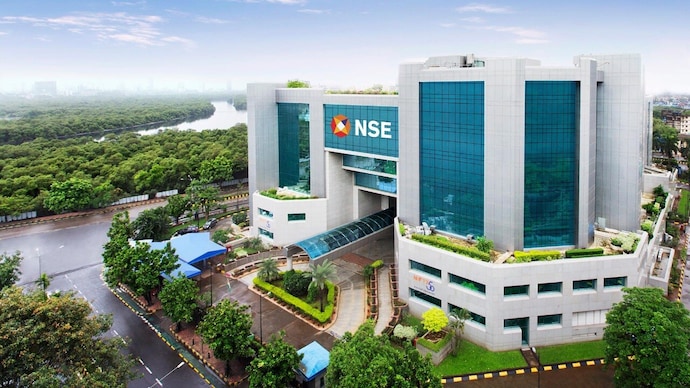
For nearly a decade, the National Stock Exchange (NSE) watched thousands of companies ring the opening bell and go public. It hosted the IPOs. It facilitated the trades. It became the marketplace where India's biggest companies found investors.
The one thing it could not do was list itself.
That is finally changing.
This week, the NSE filed its Draft Red Herring Prospectus (DRHP), reviving a listing journey that first began in 2016 and then got trapped in one of the longest regulatory sagas in Indian market history. The proposed issue, estimated at around Rs 30,000 crore, is expected to become the largest IPO India has ever seen.
But the size of the issue is only part of the story.
The bigger story is that India's most important financial institution is finally preparing to face the same scrutiny, valuation debate and investor judgment that thousands of companies have faced on its own platform over the past three decades.
And that is what makes this IPO unlike any other.
THE COMPANY BEHIND INDIA'S MARKET REVOLUTION
Unlike most IPO candidates, NSE hardly needs an introduction.
Every day, millions of Indians track the Nifty, watch market movements, monitor mutual funds and check their portfolios. Behind much of that activity sits the National Stock Exchange.
Established in 1992, NSE transformed Indian capital markets by introducing electronic screen-based trading at a time when trading floors, paper-based settlements and fragmented markets still dominated the landscape.
What sounds ordinary today was revolutionary then.
The exchange helped democratise access to markets, brought transparency to trading and laid the foundation for India's modern investing ecosystem.
Over the years, NSE grew alongside India's economy.
Foreign investors poured in. Mutual funds became mainstream. Retail participation exploded. Demat accounts multiplied. SIPs became a household concept.
Today, NSE is not merely India's largest stock exchange. It is also among the world's biggest derivatives exchanges by trading volume and sits at the centre of an ecosystem that spans clearing corporations, market infrastructure, data analytics, indices, international exchanges and several financial-market ventures.
In many ways, the story of India's capital markets and the story of NSE are inseparable.
THE IPO THAT SPENT A DECADE IN LIMBO
The obvious question is this: if NSE is so important, why did it take nearly ten years to reach this point?
The answer lies in the co-location controversy, one of the most closely watched regulatory episodes in Indian market history.
NSE first sought to go public in 2016. But investigations into allegations that certain brokers may have received preferential access to exchange servers and market data triggered years of regulatory scrutiny, legal proceedings and governance-related concerns.
What should have been a routine listing process turned into a prolonged battle involving regulators, courts and multiple rounds of compliance reviews.
As the years passed, the NSE IPO acquired an almost mythical status in market circles.
Every few months, reports would emerge suggesting that regulatory approval was finally around the corner.
Every few months, the process would stall again.
Meanwhile, India's IPO market exploded.
Insurance giants listed. Technology startups listed. Conglomerates unlocked value. New-age businesses raised billions from public investors.
The exchange that hosted many of those listings remained unlisted itself.
That is why the filing of the DRHP is being viewed as such a landmark moment. For market participants, it signals that one of the longest-running IPO stories in India may finally be approaching its conclusion.
THIS IPO IS NOT RAISING A SINGLE RUPEE FOR NSE
One of the most surprising aspects of the issue is that NSE is not raising any fresh capital.
The DRHP shows that the IPO is a pure Offer for Sale (OFS). No new shares are being issued by the company. Existing shareholders are simply selling part of their holdings.
That means the proceeds will largely go to investors who have waited years for an opportunity to monetise their stakes.
Among the major selling shareholders are State Bank of India, Bank of Baroda, Stock Holding Corporation of India, General Insurance Corporation, New India Assurance, National Insurance Company, United India Insurance, Canada Pension Plan Investment Board and several other institutional investors.
For many of them, this IPO represents the end of a very long wait.
THE RARE COMPANY WITH NO PROMOTER
Another unusual feature of the NSE IPO is that the company has no identifiable promoter.
That immediately sets it apart from many of India's largest listed companies, which are often associated with founding families or dominant promoter groups.
Instead, NSE is owned by a diverse mix of financial institutions, insurance companies, pension funds and other investors.
That ownership structure reflects its role as a market institution rather than a traditional corporate enterprise.
It also means the IPO is not about a promoter monetising decades of wealth creation. It is about a collection of institutional shareholders finally getting liquidity.
WHY THE NUMBERS ARE TURNING HEADS
The headline figure grabbing attention is the estimated Rs 30,000-crore issue size.
If completed as expected, it would surpass previous record-holders and become India's largest IPO.
But another number may be even more significant.
Based on prevailing valuations in the unlisted market, NSE has been valued at around Rs 5 lakh crore, placing it among the country's most valuable companies.
That valuation is supported by extraordinary profitability.
For FY26, the exchange reported total income of Rs 18,713 crore and profit exceeding Rs 10,300 crore, according to its DRHP.
Few companies coming to market can match those numbers.
Unlike many IPO candidates that ask investors to bet on future possibilities, NSE is already a dominant, highly profitable business operating at the centre of India's financial system.
A STOCK INVESTORS HAVE BEEN CHASING FOR YEARS
Long before the IPO became a reality, investors were already trying to buy NSE shares.
The exchange has been one of the most sought-after names in India's unlisted market for years.
The reason is simple.
NSE benefits from almost every major trend reshaping Indian finance.
When more Indians open demat accounts, NSE benefits.
When SIP inflows rise, NSE benefits.
When derivatives trading surges, NSE benefits.
When IPO activity increases, NSE benefits.
When more savings move from physical assets into financial assets, NSE benefits.
In many ways, buying NSE is viewed as a direct bet on India's long-term financialisation story.
Investors are not merely buying a stock exchange.
They are buying a stake in the infrastructure powering India's equity markets.
THE DELICIOUS IRONY
There is one final detail that perfectly captures why this IPO feels so unusual.
The National Stock Exchange, India's largest stock exchange, plans to list its shares on BSE.
For decades, the two exchanges have been rivals.
Yet when NSE finally enters the public market, it will do so through the platform of its oldest competitor.
It is the kind of irony that only financial markets can produce.
MORE THAN JUST ANOTHER IPO
The NSE listing is significant not merely because it could become India's largest IPO.
It is significant because it marks the arrival of a company that has spent more than three decades at the heart of India's financial system while remaining outside the public market.
For years, the NSE IPO was the market's favourite "coming soon" story.
Now, after nearly a decade of delays, regulatory hurdles and speculation, the exchange is finally preparing to test its own value before the very investors it helped create.
For three decades, companies came to NSE seeking public money.
Now, India's most important stock exchange is asking the market a question of its own: what is NSE itself worth?
For nearly a decade, the National Stock Exchange (NSE) watched thousands of companies ring the opening bell and go public. It hosted the IPOs. It facilitated the trades. It became the marketplace where India's biggest companies found investors.
The one thing it could not do was list itself.
That is finally changing.
This week, the NSE filed its Draft Red Herring Prospectus (DRHP), reviving a listing journey that first began in 2016 and then got trapped in one of the longest regulatory sagas in Indian market history. The proposed issue, estimated at around Rs 30,000 crore, is expected to become the largest IPO India has ever seen.
But the size of the issue is only part of the story.
The bigger story is that India's most important financial institution is finally preparing to face the same scrutiny, valuation debate and investor judgment that thousands of companies have faced on its own platform over the past three decades.
And that is what makes this IPO unlike any other.
THE COMPANY BEHIND INDIA'S MARKET REVOLUTION
Unlike most IPO candidates, NSE hardly needs an introduction.
Every day, millions of Indians track the Nifty, watch market movements, monitor mutual funds and check their portfolios. Behind much of that activity sits the National Stock Exchange.
Established in 1992, NSE transformed Indian capital markets by introducing electronic screen-based trading at a time when trading floors, paper-based settlements and fragmented markets still dominated the landscape.
What sounds ordinary today was revolutionary then.
The exchange helped democratise access to markets, brought transparency to trading and laid the foundation for India's modern investing ecosystem.
Over the years, NSE grew alongside India's economy.
Foreign investors poured in. Mutual funds became mainstream. Retail participation exploded. Demat accounts multiplied. SIPs became a household concept.
Today, NSE is not merely India's largest stock exchange. It is also among the world's biggest derivatives exchanges by trading volume and sits at the centre of an ecosystem that spans clearing corporations, market infrastructure, data analytics, indices, international exchanges and several financial-market ventures.
In many ways, the story of India's capital markets and the story of NSE are inseparable.
THE IPO THAT SPENT A DECADE IN LIMBO
The obvious question is this: if NSE is so important, why did it take nearly ten years to reach this point?
The answer lies in the co-location controversy, one of the most closely watched regulatory episodes in Indian market history.
NSE first sought to go public in 2016. But investigations into allegations that certain brokers may have received preferential access to exchange servers and market data triggered years of regulatory scrutiny, legal proceedings and governance-related concerns.
What should have been a routine listing process turned into a prolonged battle involving regulators, courts and multiple rounds of compliance reviews.
As the years passed, the NSE IPO acquired an almost mythical status in market circles.
Every few months, reports would emerge suggesting that regulatory approval was finally around the corner.
Every few months, the process would stall again.
Meanwhile, India's IPO market exploded.
Insurance giants listed. Technology startups listed. Conglomerates unlocked value. New-age businesses raised billions from public investors.
The exchange that hosted many of those listings remained unlisted itself.
That is why the filing of the DRHP is being viewed as such a landmark moment. For market participants, it signals that one of the longest-running IPO stories in India may finally be approaching its conclusion.
THIS IPO IS NOT RAISING A SINGLE RUPEE FOR NSE
One of the most surprising aspects of the issue is that NSE is not raising any fresh capital.
The DRHP shows that the IPO is a pure Offer for Sale (OFS). No new shares are being issued by the company. Existing shareholders are simply selling part of their holdings.
That means the proceeds will largely go to investors who have waited years for an opportunity to monetise their stakes.
Among the major selling shareholders are State Bank of India, Bank of Baroda, Stock Holding Corporation of India, General Insurance Corporation, New India Assurance, National Insurance Company, United India Insurance, Canada Pension Plan Investment Board and several other institutional investors.
For many of them, this IPO represents the end of a very long wait.
THE RARE COMPANY WITH NO PROMOTER
Another unusual feature of the NSE IPO is that the company has no identifiable promoter.
That immediately sets it apart from many of India's largest listed companies, which are often associated with founding families or dominant promoter groups.
Instead, NSE is owned by a diverse mix of financial institutions, insurance companies, pension funds and other investors.
That ownership structure reflects its role as a market institution rather than a traditional corporate enterprise.
It also means the IPO is not about a promoter monetising decades of wealth creation. It is about a collection of institutional shareholders finally getting liquidity.
WHY THE NUMBERS ARE TURNING HEADS
The headline figure grabbing attention is the estimated Rs 30,000-crore issue size.
If completed as expected, it would surpass previous record-holders and become India's largest IPO.
But another number may be even more significant.
Based on prevailing valuations in the unlisted market, NSE has been valued at around Rs 5 lakh crore, placing it among the country's most valuable companies.
That valuation is supported by extraordinary profitability.
For FY26, the exchange reported total income of Rs 18,713 crore and profit exceeding Rs 10,300 crore, according to its DRHP.
Few companies coming to market can match those numbers.
Unlike many IPO candidates that ask investors to bet on future possibilities, NSE is already a dominant, highly profitable business operating at the centre of India's financial system.
A STOCK INVESTORS HAVE BEEN CHASING FOR YEARS
Long before the IPO became a reality, investors were already trying to buy NSE shares.
The exchange has been one of the most sought-after names in India's unlisted market for years.
The reason is simple.
NSE benefits from almost every major trend reshaping Indian finance.
When more Indians open demat accounts, NSE benefits.
When SIP inflows rise, NSE benefits.
When derivatives trading surges, NSE benefits.
When IPO activity increases, NSE benefits.
When more savings move from physical assets into financial assets, NSE benefits.
In many ways, buying NSE is viewed as a direct bet on India's long-term financialisation story.
Investors are not merely buying a stock exchange.
They are buying a stake in the infrastructure powering India's equity markets.
THE DELICIOUS IRONY
There is one final detail that perfectly captures why this IPO feels so unusual.
The National Stock Exchange, India's largest stock exchange, plans to list its shares on BSE.
For decades, the two exchanges have been rivals.
Yet when NSE finally enters the public market, it will do so through the platform of its oldest competitor.
It is the kind of irony that only financial markets can produce.
MORE THAN JUST ANOTHER IPO
The NSE listing is significant not merely because it could become India's largest IPO.
It is significant because it marks the arrival of a company that has spent more than three decades at the heart of India's financial system while remaining outside the public market.
For years, the NSE IPO was the market's favourite "coming soon" story.
Now, after nearly a decade of delays, regulatory hurdles and speculation, the exchange is finally preparing to test its own value before the very investors it helped create.
For three decades, companies came to NSE seeking public money.
Now, India's most important stock exchange is asking the market a question of its own: what is NSE itself worth?

