94% of corporate employees fear medical bills: What's behind the financial stress?
A medical emergency can arrive without warning, and the bill that follows can be difficult to manage. For corporate employees, rising healthcare costs are emerging as a major threat to financial security.
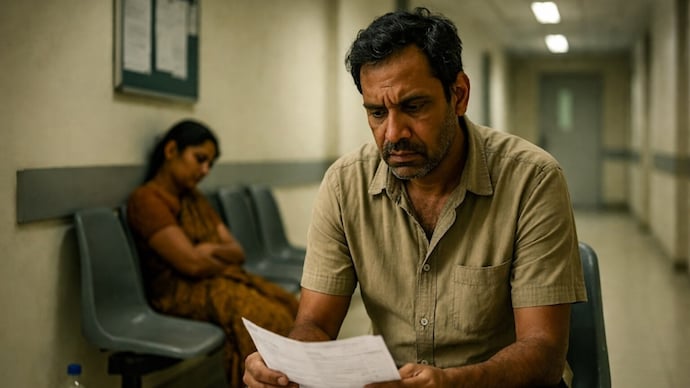
For many salaried employees, losing a job or struggling to pay an EMI may seem like the biggest financial worry. But a new study suggests there is another concern that is weighing more heavily on corporate India: the rising cost of healthcare.
Unexpected medical expenses have become one of the biggest sources of financial stress for corporate employees, according to Tata AIG General Insurance Company’s The Corporate Health Protection Pulse 2026. The study found that 94% of respondents said an unexpected medical bill could put them under financial pressure.
The findings also point to a worrying gap: many employees have employer-provided health cover, but are not sure whether it will be enough when they actually need it.
WHY ARE MEDICAL BILLS CAUSING SO MUCH STRESS?
Healthcare costs have been rising, and a major hospitalisation can put a sizeable dent in household savings. The study found that hospitalisation costs were among the top healthcare concerns for corporate employees.
Other major concerns included lifestyle-related diseases, health cover for family members, mental health and inadequate emergency savings.
For someone dependent mainly on a monthly salary, an unexpected medical bill can be difficult to absorb. The problem becomes even bigger if the treatment is not fully covered by insurance or the employee's policy has limits.
The study found that healthcare expenses were the biggest financial concern during a job transition, ranking ahead of loss of income and EMI obligations.
JOB LOSS ADDS ANOTHER LAYER OF WORRY
The survey also looked at how long employees could manage their finances if they suddenly lost their jobs. Nearly seven in 10 respondents said they could sustain themselves for six months or less without a job. Only 12% believed they could manage for more than a year.
This limited financial cushion can make a medical emergency particularly stressful. An employee dealing with a job loss may have to manage regular household expenses while also worrying about medical treatment and insurance coverage.
The situation can become more complicated when an employee moves from one company to another and their employer-provided health cover changes.
88% WANT HEALTH COVER TO CONTINUE DURING A JOB CHANGE
Health insurance is clearly on the minds of employees when they think about changing jobs. The study found that 88% of respondents considered uninterrupted health insurance coverage during a job transition important.
But there is a significant awareness gap. Only 40% said they were aware of solutions that could help ensure continuity of medical cover during a job change.
This means many employees may understand the importance of having continuous health protection but may not know how to maintain it when they leave one employer and join another.
EMPLOYER HEALTH INSURANCE MAY NOT BE ENOUGH
Having a Group Medical Cover (GMC) through the employer provides an important layer of protection. However, the study suggests that employees are increasingly questioning whether it is sufficient.
Nearly 75% of respondents said employer-provided GMC alone may not be enough in case of emergency hospitalisation. At the same time, 84% said having additional health insurance beyond their employer-provided cover was important.
Yet, 45% did not have any personal health insurance apart from their workplace cover. This creates a clear protection gap. Employees recognise the need for additional cover, but many have still not taken that step.
MANY EMPLOYEES DO NOT FULLY UNDERSTAND THEIR GMC
Another issue highlighted by the study is awareness. Only 41% of corporate employees said they were fully aware of all the features and benefits of their employer-provided GMC.
This can become a problem during a medical emergency. Employees may assume that their insurance will cover a particular treatment or the entire hospital bill, only to discover that there are limits, exclusions or other conditions.
Understanding the policy before an emergency occurs can therefore be just as important as having the policy itself.
WHY ARE PEOPLE DELAYING PERSONAL HEALTH INSURANCE?
The study found that lack of awareness and a 'will buy later' attitude are among the key reasons employees do not purchase additional health insurance. This attitude was particularly visible among employees aged 28 to 34.
For younger employees, health insurance can often feel less urgent when they are healthy and have a company-provided policy. But the financial impact of a sudden illness or hospitalisation does not necessarily wait until a person feels ready to buy additional cover.
Family protection is another major factor driving demand for additional insurance. Respondents said a higher sum insured, cover for family members and continuity during job changes were important features when considering additional health cover.
WHAT DOES THE STUDY TELL CORPORATE EMPLOYEES?
The findings do not suggest that employer-provided health insurance is unimportant. In fact, it remains an important financial safety net for salaried employees.
The bigger message is that employees need to understand exactly what their GMC covers and whether it is enough for their individual and family needs. A medical emergency can affect finances in more ways than one. There is the immediate hospital bill, the possibility of income disruption and, in some cases, uncertainty over health insurance when employment changes.
The Tata AIG study surveyed more than 748 corporate employees aged 28 to 55 years across Mumbai, Delhi, Bengaluru, Hyderabad, Chennai, Ahmedabad, Pune and Kolkata. All respondents were covered by an employer-provided Group Medical Cover.
The findings suggest that for corporate India, financial planning is no longer just about building savings, paying EMIs or preparing for retirement. Planning for a large medical expense and ensuring adequate health insurance could be just as important.
For many salaried employees, losing a job or struggling to pay an EMI may seem like the biggest financial worry. But a new study suggests there is another concern that is weighing more heavily on corporate India: the rising cost of healthcare.
Unexpected medical expenses have become one of the biggest sources of financial stress for corporate employees, according to Tata AIG General Insurance Company’s The Corporate Health Protection Pulse 2026. The study found that 94% of respondents said an unexpected medical bill could put them under financial pressure.
The findings also point to a worrying gap: many employees have employer-provided health cover, but are not sure whether it will be enough when they actually need it.
WHY ARE MEDICAL BILLS CAUSING SO MUCH STRESS?
Healthcare costs have been rising, and a major hospitalisation can put a sizeable dent in household savings. The study found that hospitalisation costs were among the top healthcare concerns for corporate employees.
Other major concerns included lifestyle-related diseases, health cover for family members, mental health and inadequate emergency savings.
For someone dependent mainly on a monthly salary, an unexpected medical bill can be difficult to absorb. The problem becomes even bigger if the treatment is not fully covered by insurance or the employee's policy has limits.
The study found that healthcare expenses were the biggest financial concern during a job transition, ranking ahead of loss of income and EMI obligations.
JOB LOSS ADDS ANOTHER LAYER OF WORRY
The survey also looked at how long employees could manage their finances if they suddenly lost their jobs. Nearly seven in 10 respondents said they could sustain themselves for six months or less without a job. Only 12% believed they could manage for more than a year.
This limited financial cushion can make a medical emergency particularly stressful. An employee dealing with a job loss may have to manage regular household expenses while also worrying about medical treatment and insurance coverage.
The situation can become more complicated when an employee moves from one company to another and their employer-provided health cover changes.
88% WANT HEALTH COVER TO CONTINUE DURING A JOB CHANGE
Health insurance is clearly on the minds of employees when they think about changing jobs. The study found that 88% of respondents considered uninterrupted health insurance coverage during a job transition important.
But there is a significant awareness gap. Only 40% said they were aware of solutions that could help ensure continuity of medical cover during a job change.
This means many employees may understand the importance of having continuous health protection but may not know how to maintain it when they leave one employer and join another.
EMPLOYER HEALTH INSURANCE MAY NOT BE ENOUGH
Having a Group Medical Cover (GMC) through the employer provides an important layer of protection. However, the study suggests that employees are increasingly questioning whether it is sufficient.
Nearly 75% of respondents said employer-provided GMC alone may not be enough in case of emergency hospitalisation. At the same time, 84% said having additional health insurance beyond their employer-provided cover was important.
Yet, 45% did not have any personal health insurance apart from their workplace cover. This creates a clear protection gap. Employees recognise the need for additional cover, but many have still not taken that step.
MANY EMPLOYEES DO NOT FULLY UNDERSTAND THEIR GMC
Another issue highlighted by the study is awareness. Only 41% of corporate employees said they were fully aware of all the features and benefits of their employer-provided GMC.
This can become a problem during a medical emergency. Employees may assume that their insurance will cover a particular treatment or the entire hospital bill, only to discover that there are limits, exclusions or other conditions.
Understanding the policy before an emergency occurs can therefore be just as important as having the policy itself.
WHY ARE PEOPLE DELAYING PERSONAL HEALTH INSURANCE?
The study found that lack of awareness and a 'will buy later' attitude are among the key reasons employees do not purchase additional health insurance. This attitude was particularly visible among employees aged 28 to 34.
For younger employees, health insurance can often feel less urgent when they are healthy and have a company-provided policy. But the financial impact of a sudden illness or hospitalisation does not necessarily wait until a person feels ready to buy additional cover.
Family protection is another major factor driving demand for additional insurance. Respondents said a higher sum insured, cover for family members and continuity during job changes were important features when considering additional health cover.
WHAT DOES THE STUDY TELL CORPORATE EMPLOYEES?
The findings do not suggest that employer-provided health insurance is unimportant. In fact, it remains an important financial safety net for salaried employees.
The bigger message is that employees need to understand exactly what their GMC covers and whether it is enough for their individual and family needs. A medical emergency can affect finances in more ways than one. There is the immediate hospital bill, the possibility of income disruption and, in some cases, uncertainty over health insurance when employment changes.
The Tata AIG study surveyed more than 748 corporate employees aged 28 to 55 years across Mumbai, Delhi, Bengaluru, Hyderabad, Chennai, Ahmedabad, Pune and Kolkata. All respondents were covered by an employer-provided Group Medical Cover.
The findings suggest that for corporate India, financial planning is no longer just about building savings, paying EMIs or preparing for retirement. Planning for a large medical expense and ensuring adequate health insurance could be just as important.
For many salaried employees, losing a job or struggling to pay an EMI may seem like the biggest financial worry. But a new study suggests there is another concern that is weighing more heavily on corporate India: the rising cost of healthcare.
Unexpected medical expenses have become one of the biggest sources of financial stress for corporate employees, according to Tata AIG General Insurance Company’s The Corporate Health Protection Pulse 2026. The study found that 94% of respondents said an unexpected medical bill could put them under financial pressure.
The findings also point to a worrying gap: many employees have employer-provided health cover, but are not sure whether it will be enough when they actually need it.
WHY ARE MEDICAL BILLS CAUSING SO MUCH STRESS?
Healthcare costs have been rising, and a major hospitalisation can put a sizeable dent in household savings. The study found that hospitalisation costs were among the top healthcare concerns for corporate employees.
Other major concerns included lifestyle-related diseases, health cover for family members, mental health and inadequate emergency savings.
For someone dependent mainly on a monthly salary, an unexpected medical bill can be difficult to absorb. The problem becomes even bigger if the treatment is not fully covered by insurance or the employee's policy has limits.
The study found that healthcare expenses were the biggest financial concern during a job transition, ranking ahead of loss of income and EMI obligations.
JOB LOSS ADDS ANOTHER LAYER OF WORRY
The survey also looked at how long employees could manage their finances if they suddenly lost their jobs. Nearly seven in 10 respondents said they could sustain themselves for six months or less without a job. Only 12% believed they could manage for more than a year.
This limited financial cushion can make a medical emergency particularly stressful. An employee dealing with a job loss may have to manage regular household expenses while also worrying about medical treatment and insurance coverage.
The situation can become more complicated when an employee moves from one company to another and their employer-provided health cover changes.
88% WANT HEALTH COVER TO CONTINUE DURING A JOB CHANGE
Health insurance is clearly on the minds of employees when they think about changing jobs. The study found that 88% of respondents considered uninterrupted health insurance coverage during a job transition important.
But there is a significant awareness gap. Only 40% said they were aware of solutions that could help ensure continuity of medical cover during a job change.
This means many employees may understand the importance of having continuous health protection but may not know how to maintain it when they leave one employer and join another.
EMPLOYER HEALTH INSURANCE MAY NOT BE ENOUGH
Having a Group Medical Cover (GMC) through the employer provides an important layer of protection. However, the study suggests that employees are increasingly questioning whether it is sufficient.
Nearly 75% of respondents said employer-provided GMC alone may not be enough in case of emergency hospitalisation. At the same time, 84% said having additional health insurance beyond their employer-provided cover was important.
Yet, 45% did not have any personal health insurance apart from their workplace cover. This creates a clear protection gap. Employees recognise the need for additional cover, but many have still not taken that step.
MANY EMPLOYEES DO NOT FULLY UNDERSTAND THEIR GMC
Another issue highlighted by the study is awareness. Only 41% of corporate employees said they were fully aware of all the features and benefits of their employer-provided GMC.
This can become a problem during a medical emergency. Employees may assume that their insurance will cover a particular treatment or the entire hospital bill, only to discover that there are limits, exclusions or other conditions.
Understanding the policy before an emergency occurs can therefore be just as important as having the policy itself.
WHY ARE PEOPLE DELAYING PERSONAL HEALTH INSURANCE?
The study found that lack of awareness and a 'will buy later' attitude are among the key reasons employees do not purchase additional health insurance. This attitude was particularly visible among employees aged 28 to 34.
For younger employees, health insurance can often feel less urgent when they are healthy and have a company-provided policy. But the financial impact of a sudden illness or hospitalisation does not necessarily wait until a person feels ready to buy additional cover.
Family protection is another major factor driving demand for additional insurance. Respondents said a higher sum insured, cover for family members and continuity during job changes were important features when considering additional health cover.
WHAT DOES THE STUDY TELL CORPORATE EMPLOYEES?
The findings do not suggest that employer-provided health insurance is unimportant. In fact, it remains an important financial safety net for salaried employees.
The bigger message is that employees need to understand exactly what their GMC covers and whether it is enough for their individual and family needs. A medical emergency can affect finances in more ways than one. There is the immediate hospital bill, the possibility of income disruption and, in some cases, uncertainty over health insurance when employment changes.
The Tata AIG study surveyed more than 748 corporate employees aged 28 to 55 years across Mumbai, Delhi, Bengaluru, Hyderabad, Chennai, Ahmedabad, Pune and Kolkata. All respondents were covered by an employer-provided Group Medical Cover.
The findings suggest that for corporate India, financial planning is no longer just about building savings, paying EMIs or preparing for retirement. Planning for a large medical expense and ensuring adequate health insurance could be just as important.

