Why India's biggest airlines are worried about Adani's aviation ambitions
Adani's possible airline entry has prompted opposition from IndiGo and Air India. Both carriers say airport owners should remain neutral because they control vital infrastructure.
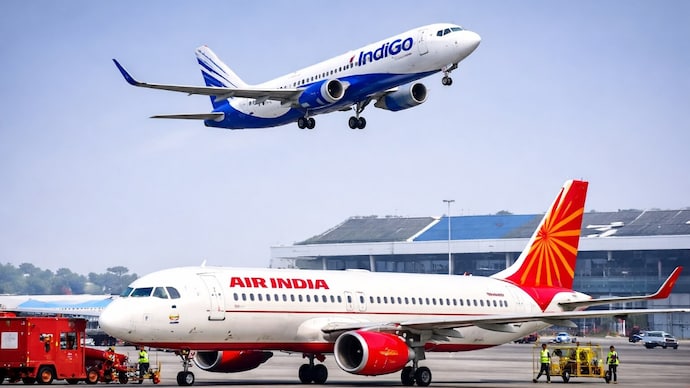
Adani Group already operates some of India's busiest airports, including Mumbai, Ahmedabad and Lucknow. If it also launches an airline, it won't just become another aviation company, it will be both the landlord and a competitor to airlines using its airports.
That possibility has put India's two largest carriers, IndiGo and Air India, on the same side of an unusual debate.
Both airlines argue that allowing airport operators to own airlines could create an uneven playing field, raising concerns over competition, airport charges and access to critical infrastructure.
WHY AIRLINES ARE OBJECTING
Imagine a shopping mall where the owner also runs one of the biggest stores inside.
Now imagine that owner deciding which stores get the best location, how much rent everyone pays or how quickly deliveries are handled.
That, airlines argue, is what could happen if an airport operator also owns an airline.
Airports control several services airlines depend on every day, from landing and parking slots to terminal facilities, passenger boarding bridges, ground handling and commercial charges.
If the airport owner also operates an airline, competitors worry that commercial decisions could favour its own carrier, even if unintentionally.
INDIGO CALLS IT A 'MASSIVE CONFLICT OF INTEREST'
Speaking at an industry event, IndiGo Managing Director Rahul Bhatia described the proposal as a "massive conflict of interest."
According to him, airports should remain neutral infrastructure providers rather than compete directly with the airlines they serve.
Bhatia argued that airport operators are effectively monopolies because airlines cannot easily choose another airport in the same city. That makes neutrality even more important, he said.
AIR INDIA SHARES SIMILAR CONCERNS
Air India has also opposed allowing airport operators to own airlines.
The Tata Group carrier has argued that airports should remain independent businesses because they provide essential infrastructure used by all airlines.
According to the airline, combining airport ownership with airline operations could create conflicts over pricing, infrastructure allocation and competition.
WHY ADANI'S ENTRY CHANGES THE EQUATION
The debate is not about whether Adani can successfully run an airline.
It is about the scale of its airport business.
Adani Airports Holdings already manages several major airports across India and is expanding its aviation footprint. If the group enters commercial aviation, rival airlines fear they would have to depend on infrastructure controlled by a direct competitor.
That could affect everything from operational costs to airport expansion decisions and future investments.
ADANI GROUP DENIES PLANS OF ENTERING AIRLINE BIZ
Adani Enterprises on Friday said it is not evaluating any proposal to enter the airline business, putting to rest recent media reports and market speculation that the group was planning to launch an airline in an exchange filing on BSE.
In a statement, the company said it is "not evaluating any proposal to enter the airline business", denying reports that suggested it was looking to expand into commercial aviation. Reuters reported the clarification.
"We would like to categorically deny recent media reports and market speculation suggesting that the Company is planning to launch an airline. The reports are entirely baseless and factually incorrect," it said in the exchange filing.
Adani Group already operates some of India's busiest airports, including Mumbai, Ahmedabad and Lucknow. If it also launches an airline, it won't just become another aviation company, it will be both the landlord and a competitor to airlines using its airports.
That possibility has put India's two largest carriers, IndiGo and Air India, on the same side of an unusual debate.
Both airlines argue that allowing airport operators to own airlines could create an uneven playing field, raising concerns over competition, airport charges and access to critical infrastructure.
WHY AIRLINES ARE OBJECTING
Imagine a shopping mall where the owner also runs one of the biggest stores inside.
Now imagine that owner deciding which stores get the best location, how much rent everyone pays or how quickly deliveries are handled.
That, airlines argue, is what could happen if an airport operator also owns an airline.
Airports control several services airlines depend on every day, from landing and parking slots to terminal facilities, passenger boarding bridges, ground handling and commercial charges.
If the airport owner also operates an airline, competitors worry that commercial decisions could favour its own carrier, even if unintentionally.
INDIGO CALLS IT A 'MASSIVE CONFLICT OF INTEREST'
Speaking at an industry event, IndiGo Managing Director Rahul Bhatia described the proposal as a "massive conflict of interest."
According to him, airports should remain neutral infrastructure providers rather than compete directly with the airlines they serve.
Bhatia argued that airport operators are effectively monopolies because airlines cannot easily choose another airport in the same city. That makes neutrality even more important, he said.
AIR INDIA SHARES SIMILAR CONCERNS
Air India has also opposed allowing airport operators to own airlines.
The Tata Group carrier has argued that airports should remain independent businesses because they provide essential infrastructure used by all airlines.
According to the airline, combining airport ownership with airline operations could create conflicts over pricing, infrastructure allocation and competition.
WHY ADANI'S ENTRY CHANGES THE EQUATION
The debate is not about whether Adani can successfully run an airline.
It is about the scale of its airport business.
Adani Airports Holdings already manages several major airports across India and is expanding its aviation footprint. If the group enters commercial aviation, rival airlines fear they would have to depend on infrastructure controlled by a direct competitor.
That could affect everything from operational costs to airport expansion decisions and future investments.
ADANI GROUP DENIES PLANS OF ENTERING AIRLINE BIZ
Adani Enterprises on Friday said it is not evaluating any proposal to enter the airline business, putting to rest recent media reports and market speculation that the group was planning to launch an airline in an exchange filing on BSE.
In a statement, the company said it is "not evaluating any proposal to enter the airline business", denying reports that suggested it was looking to expand into commercial aviation. Reuters reported the clarification.
"We would like to categorically deny recent media reports and market speculation suggesting that the Company is planning to launch an airline. The reports are entirely baseless and factually incorrect," it said in the exchange filing.
Adani Group already operates some of India's busiest airports, including Mumbai, Ahmedabad and Lucknow. If it also launches an airline, it won't just become another aviation company, it will be both the landlord and a competitor to airlines using its airports.
That possibility has put India's two largest carriers, IndiGo and Air India, on the same side of an unusual debate.
Both airlines argue that allowing airport operators to own airlines could create an uneven playing field, raising concerns over competition, airport charges and access to critical infrastructure.
WHY AIRLINES ARE OBJECTING
Imagine a shopping mall where the owner also runs one of the biggest stores inside.
Now imagine that owner deciding which stores get the best location, how much rent everyone pays or how quickly deliveries are handled.
That, airlines argue, is what could happen if an airport operator also owns an airline.
Airports control several services airlines depend on every day, from landing and parking slots to terminal facilities, passenger boarding bridges, ground handling and commercial charges.
If the airport owner also operates an airline, competitors worry that commercial decisions could favour its own carrier, even if unintentionally.
INDIGO CALLS IT A 'MASSIVE CONFLICT OF INTEREST'
Speaking at an industry event, IndiGo Managing Director Rahul Bhatia described the proposal as a "massive conflict of interest."
According to him, airports should remain neutral infrastructure providers rather than compete directly with the airlines they serve.
Bhatia argued that airport operators are effectively monopolies because airlines cannot easily choose another airport in the same city. That makes neutrality even more important, he said.
AIR INDIA SHARES SIMILAR CONCERNS
Air India has also opposed allowing airport operators to own airlines.
The Tata Group carrier has argued that airports should remain independent businesses because they provide essential infrastructure used by all airlines.
According to the airline, combining airport ownership with airline operations could create conflicts over pricing, infrastructure allocation and competition.
WHY ADANI'S ENTRY CHANGES THE EQUATION
The debate is not about whether Adani can successfully run an airline.
It is about the scale of its airport business.
Adani Airports Holdings already manages several major airports across India and is expanding its aviation footprint. If the group enters commercial aviation, rival airlines fear they would have to depend on infrastructure controlled by a direct competitor.
That could affect everything from operational costs to airport expansion decisions and future investments.
ADANI GROUP DENIES PLANS OF ENTERING AIRLINE BIZ
Adani Enterprises on Friday said it is not evaluating any proposal to enter the airline business, putting to rest recent media reports and market speculation that the group was planning to launch an airline in an exchange filing on BSE.
In a statement, the company said it is "not evaluating any proposal to enter the airline business", denying reports that suggested it was looking to expand into commercial aviation. Reuters reported the clarification.
"We would like to categorically deny recent media reports and market speculation suggesting that the Company is planning to launch an airline. The reports are entirely baseless and factually incorrect," it said in the exchange filing.

