Inflation jumps from 2.74% to 4.38% in 6 months: Why did it rise so sharply?
Food inflation climbed to 5.32% from 4.78% a month earlier. Since food carries the highest weight in the inflation basket, higher food prices had the biggest impact on overall inflation.
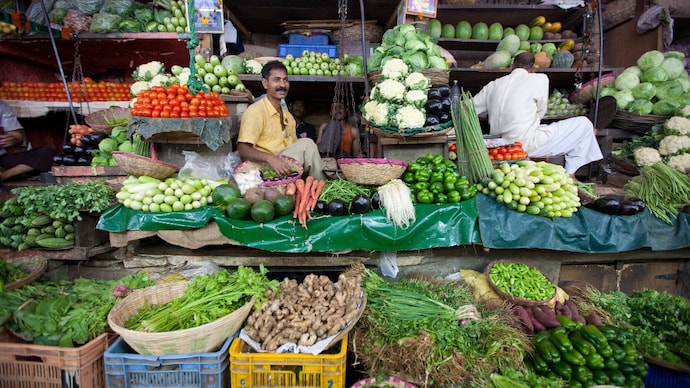
India's retail inflation rose to a 17-month high of 4.38% in June, crossing the Reserve Bank of India's (RBI) 4% target after remaining below it for several months.
The latest Consumer Price Index (CPI) data released by the Ministry of Statistics and Programme Implementation (MoSPI) showed that the rise was largely driven by higher food prices, especially cereals, pulses, vegetables, spices and dairy products. At the same time, higher fuel and energy costs also added to inflationary pressures.
The data comes at a time when global crude oil prices have started climbing again after fresh tensions between the US and Iran.
Earlier this year, Brent crude had briefly surged above $120 a barrel during the conflict before falling after the two countries agreed to a ceasefire in June. However, renewed tensions have once again pushed oil prices higher. As of Tuesday morning, Brent crude was trading at $85.41 a barrel, while US West Texas Intermediate (WTI) crude stood at $80.09 a barrel.
So why has inflation risen so sharply, and what does it mean for consumers, borrowers and the RBI?
INFLATION MOVES ABOVE RBI'S TARGET
Retail inflation rose to 4.38% in June from 3.93% in May, taking it above the RBI's medium-term target of 4%, though it remains within the central bank's tolerance band of 2-6%.
Food inflation climbed to 5.32% from 4.78% a month earlier. Since food carries the highest weight in the inflation basket, higher food prices had the biggest impact on overall inflation.
Inflation continued to be higher in rural India than in cities.
Rural inflation stood at 4.74%, compared with 3.92% in urban areas. Rural food inflation was 5.45%, while urban food inflation came in at 5.09%.
WHY ARE FOOD PRICES RISING?
Dr Manoranjan Sharma, Chief Economist at Infomerics Ratings, said that June's inflation reflects both domestic supply issues and global developments.
"June CPI inflation rose to 4.38% from 3.93% in May, driven mainly by higher food prices, particularly cereals, pulses, vegetables, spices and dairy, plus firmer fuel and energy costs. The uptick reflects a double blow: adverse weather, uneven monsoon progress, heatwaves and supply bottlenecks domestically, coupled with geopolitical tensions that have raised global energy and input costs," he said.
The economist said food prices remain the biggest reason behind inflation moving above the RBI's target.
"Overshooting 4% inflation is overwhelmingly food-led. Food inflation has been fuelled by supply disruptions in perishables, spices and dairy, exacerbated by erratic monsoon conditions and heat-related crop damage. While higher crude oil prices and imported input costs are adding second-round inflationary pressures, food prices remain the principal driver," Sharma said.
The recent rise in crude oil prices has also added to concerns.
Oil affects almost every part of the economy. Higher crude prices increase transportation, logistics, packaging and manufacturing costs, which eventually make several everyday goods and services more expensive if prices remain elevated.
With Brent crude once again trading above $85 a barrel following renewed US-Iran tensions, economists will be closely watching whether energy prices begin feeding into retail inflation over the coming months.
WHAT BECAME COSTLIER?
Several products witnessed sharp price increases during June.
Among the biggest gainers were:
Silver jewellery: 133.21%
Ginger: 50.41%
Gold, diamond and platinum jewellery: 36.82%
Tomato: 31.92%
Raisins: 20.52%
Some products, however, became cheaper compared with last year.
These included:
Potato: down 20.34%
Green peas: down 9.67%
Motor cars and jeeps: down 6.89%
Jeera: down 3.75%
Motorcycles and scooters: down 3.49%
Restaurant and accommodation inflation remained high at 6.91%, while transport inflation stood at 4.31%, reflecting higher logistics and travel costs.
WHICH STATES SAW THE HIGHEST INFLATION?
Among the larger states, Telangana recorded the highest retail inflation at 6.36%, followed by Andhra Pradesh (5.39%), Tamil Nadu (5.24%), Odisha (5.15%) and Madhya Pradesh (5.09%).
At the other end, Mizoram recorded the lowest inflation at 1.63%, followed by Tripura (1.65%), Arunachal Pradesh (2.47%), Meghalaya (2.64%) and Nagaland (2.83%).
WHOLESALE PRICES ARE ALSO REMAINING HIGH
While the latest data relates to retail inflation, economists say wholesale price pressures also remain elevated, indicating that businesses continue to face higher input costs.
Shashwat Singh, Fundamental Analyst at Bajaj Broking, said wholesale inflation remains under pressure because of rising food and raw material prices.
"India's wholesale inflation trajectory remains persistently elevated, with the June 2026 WPI reading accelerating to 9.87% year-on-year from 9.68% in May. The primary driver behind this upward push is a sharp sequential spike in food and primary articles, with the WPI Food Index surging to 6.14%," he said.
He added that although inflation in the fuel and power segment has eased slightly, energy costs remain high and continue to put pressure on businesses.
"Manufactured products inflation has plateaued at a sticky 7.48%. This suggests that core inflationary pressures have firmly entrenched themselves within the secondary sector, leaving little room for near-term cooling," Singh said.
Higher wholesale prices do not immediately translate into higher retail inflation, but they often increase the cost of production, which can eventually be passed on to consumers.
WHAT DOES THIS MEAN FOR RBI?
The latest inflation reading could influence the RBI's next monetary policy decision.
With inflation back above the 4% target, expectations of another interest rate cut may weaken if price pressures continue.
Sharma believes the RBI is likely to remain cautious.
"Hence, the RBI is likely to keep the repo rate at 5.25% for longer, retaining a hawkish bias. Borrowing costs for households and MSMEs are therefore likely to remain elevated, with any policy easing expected to be gradual, data-dependent and much later," he said.
That means borrowers hoping for cheaper home, vehicle or business loans may have to wait longer if inflation remains elevated.
WHAT SHOULD CONSUMERS WATCH NEXT?
The inflation outlook will depend on both domestic and global factors.
A well-distributed monsoon could improve crop output and ease food prices. However, fresh geopolitical tensions and rising crude oil prices remain key risks.
If oil prices continue to climb, transportation and manufacturing costs could increase further, adding fresh pressure on inflation.
For now, June's data shows that food remains the biggest driver of retail inflation. But with wholesale prices also staying elevated and crude oil rising again after renewed US-Iran tensions, the coming months will be crucial in determining whether inflation cools or stays above the RBI's comfort level.
India's retail inflation rose to a 17-month high of 4.38% in June, crossing the Reserve Bank of India's (RBI) 4% target after remaining below it for several months.
The latest Consumer Price Index (CPI) data released by the Ministry of Statistics and Programme Implementation (MoSPI) showed that the rise was largely driven by higher food prices, especially cereals, pulses, vegetables, spices and dairy products. At the same time, higher fuel and energy costs also added to inflationary pressures.
The data comes at a time when global crude oil prices have started climbing again after fresh tensions between the US and Iran.
Earlier this year, Brent crude had briefly surged above $120 a barrel during the conflict before falling after the two countries agreed to a ceasefire in June. However, renewed tensions have once again pushed oil prices higher. As of Tuesday morning, Brent crude was trading at $85.41 a barrel, while US West Texas Intermediate (WTI) crude stood at $80.09 a barrel.
So why has inflation risen so sharply, and what does it mean for consumers, borrowers and the RBI?
INFLATION MOVES ABOVE RBI'S TARGET
Retail inflation rose to 4.38% in June from 3.93% in May, taking it above the RBI's medium-term target of 4%, though it remains within the central bank's tolerance band of 2-6%.
Food inflation climbed to 5.32% from 4.78% a month earlier. Since food carries the highest weight in the inflation basket, higher food prices had the biggest impact on overall inflation.
Inflation continued to be higher in rural India than in cities.
Rural inflation stood at 4.74%, compared with 3.92% in urban areas. Rural food inflation was 5.45%, while urban food inflation came in at 5.09%.
WHY ARE FOOD PRICES RISING?
Dr Manoranjan Sharma, Chief Economist at Infomerics Ratings, said that June's inflation reflects both domestic supply issues and global developments.
"June CPI inflation rose to 4.38% from 3.93% in May, driven mainly by higher food prices, particularly cereals, pulses, vegetables, spices and dairy, plus firmer fuel and energy costs. The uptick reflects a double blow: adverse weather, uneven monsoon progress, heatwaves and supply bottlenecks domestically, coupled with geopolitical tensions that have raised global energy and input costs," he said.
The economist said food prices remain the biggest reason behind inflation moving above the RBI's target.
"Overshooting 4% inflation is overwhelmingly food-led. Food inflation has been fuelled by supply disruptions in perishables, spices and dairy, exacerbated by erratic monsoon conditions and heat-related crop damage. While higher crude oil prices and imported input costs are adding second-round inflationary pressures, food prices remain the principal driver," Sharma said.
The recent rise in crude oil prices has also added to concerns.
Oil affects almost every part of the economy. Higher crude prices increase transportation, logistics, packaging and manufacturing costs, which eventually make several everyday goods and services more expensive if prices remain elevated.
With Brent crude once again trading above $85 a barrel following renewed US-Iran tensions, economists will be closely watching whether energy prices begin feeding into retail inflation over the coming months.
WHAT BECAME COSTLIER?
Several products witnessed sharp price increases during June.
Among the biggest gainers were:
Silver jewellery: 133.21%
Ginger: 50.41%
Gold, diamond and platinum jewellery: 36.82%
Tomato: 31.92%
Raisins: 20.52%
Some products, however, became cheaper compared with last year.
These included:
Potato: down 20.34%
Green peas: down 9.67%
Motor cars and jeeps: down 6.89%
Jeera: down 3.75%
Motorcycles and scooters: down 3.49%
Restaurant and accommodation inflation remained high at 6.91%, while transport inflation stood at 4.31%, reflecting higher logistics and travel costs.
WHICH STATES SAW THE HIGHEST INFLATION?
Among the larger states, Telangana recorded the highest retail inflation at 6.36%, followed by Andhra Pradesh (5.39%), Tamil Nadu (5.24%), Odisha (5.15%) and Madhya Pradesh (5.09%).
At the other end, Mizoram recorded the lowest inflation at 1.63%, followed by Tripura (1.65%), Arunachal Pradesh (2.47%), Meghalaya (2.64%) and Nagaland (2.83%).
WHOLESALE PRICES ARE ALSO REMAINING HIGH
While the latest data relates to retail inflation, economists say wholesale price pressures also remain elevated, indicating that businesses continue to face higher input costs.
Shashwat Singh, Fundamental Analyst at Bajaj Broking, said wholesale inflation remains under pressure because of rising food and raw material prices.
"India's wholesale inflation trajectory remains persistently elevated, with the June 2026 WPI reading accelerating to 9.87% year-on-year from 9.68% in May. The primary driver behind this upward push is a sharp sequential spike in food and primary articles, with the WPI Food Index surging to 6.14%," he said.
He added that although inflation in the fuel and power segment has eased slightly, energy costs remain high and continue to put pressure on businesses.
"Manufactured products inflation has plateaued at a sticky 7.48%. This suggests that core inflationary pressures have firmly entrenched themselves within the secondary sector, leaving little room for near-term cooling," Singh said.
Higher wholesale prices do not immediately translate into higher retail inflation, but they often increase the cost of production, which can eventually be passed on to consumers.
WHAT DOES THIS MEAN FOR RBI?
The latest inflation reading could influence the RBI's next monetary policy decision.
With inflation back above the 4% target, expectations of another interest rate cut may weaken if price pressures continue.
Sharma believes the RBI is likely to remain cautious.
"Hence, the RBI is likely to keep the repo rate at 5.25% for longer, retaining a hawkish bias. Borrowing costs for households and MSMEs are therefore likely to remain elevated, with any policy easing expected to be gradual, data-dependent and much later," he said.
That means borrowers hoping for cheaper home, vehicle or business loans may have to wait longer if inflation remains elevated.
WHAT SHOULD CONSUMERS WATCH NEXT?
The inflation outlook will depend on both domestic and global factors.
A well-distributed monsoon could improve crop output and ease food prices. However, fresh geopolitical tensions and rising crude oil prices remain key risks.
If oil prices continue to climb, transportation and manufacturing costs could increase further, adding fresh pressure on inflation.
For now, June's data shows that food remains the biggest driver of retail inflation. But with wholesale prices also staying elevated and crude oil rising again after renewed US-Iran tensions, the coming months will be crucial in determining whether inflation cools or stays above the RBI's comfort level.

