Delhi to restore 8 ridge water bodies for groundwater recharge, wildlife support
Delhi will restore and strengthen eight water bodies across its central and southern ridge to boost groundwater recharge, conserve soil moisture, reduce waterlogging and support wildlife.
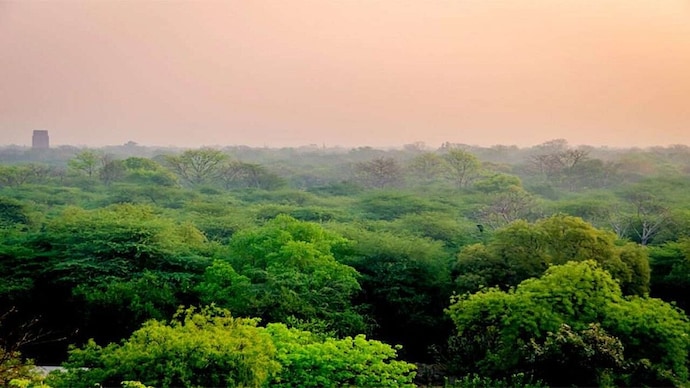
Eight water bodies will be developed in Delhi's central and southern ridge under the Delhi Ridge Eco-Restoration Programme, officials said on Wednesday. The work is aimed at improving groundwater recharge, conserving soil moisture and supporting wildlife by restoring existing water bodies and using drainage and stormwater runoff to strengthen the ridge ecosystem.
The initiative under the Rekha Gupta-led government is also part of the ridge eco-restoration programme launched by Union Home Minister Amit Shah on the opening day of Delhi's mega plantation drive. Officials said the larger programme is focused on improving the ridge's long-term ecological health through habitat restoration, water conservation and scientific management of natural resources.
A total of eight sites have been identified for the interventions. On the southern ridge, the proposed locations are Devli, Chhatarpur, Bhatti and Ayanagar villages along their corresponding drainages. On the central ridge, the selected sites are the eastern part of Shankar Road in Pocket B, Vande Mataram Road in Pocket B, Vande Mataram Road in Pocket F and Ramnath Vij Marg in Pocket E.
According to officials, the work will focus on rejuvenating and strengthening existing water bodies, capturing and using drainage and stormwater flows, and improving groundwater recharge, soil moisture conservation and overall watershed management within the ridge ecosystem.
An official associated with the project told news agency PTI that most of the proposed sites are natural depressions that already collect rainwater during the monsoon but have gradually lost their capacity due to siltation and lack of maintenance.
"These are like natural depressions. We are cleaning them, increasing their depth and carrying out stone pitching so that they can hold more water," the official said.
The project also aims to tackle waterlogging in areas around the ridge by diverting excess rainwater into these water bodies through natural drainage channels. "By creating natural drainage channels that follow the existing slope of the land, we plan to divert rainwater from stretches that are prone to monsoon waterlogging into these proposed water bodies," the official said.
Officials said the intervention would reduce surface runoff, improve groundwater recharge and help retain moisture in the ridge landscape, especially during dry months. The restored water bodies are also expected to provide a reliable source of water for birds and other wildlife in the ridge while supporting the regeneration of native vegetation, the official added.
The Delhi ridge is one of the capital's most important ecological assets, serving as a green buffer against dust storms, supporting biodiversity and helping regulate the city's microclimate. Officials said the eco-restoration programme is meant to strengthen the ridge ecosystem against climate-related stresses, improve soil moisture and groundwater recharge, and increase its capacity to support wildlife.
Eight water bodies will be developed in Delhi's central and southern ridge under the Delhi Ridge Eco-Restoration Programme, officials said on Wednesday. The work is aimed at improving groundwater recharge, conserving soil moisture and supporting wildlife by restoring existing water bodies and using drainage and stormwater runoff to strengthen the ridge ecosystem.
The initiative under the Rekha Gupta-led government is also part of the ridge eco-restoration programme launched by Union Home Minister Amit Shah on the opening day of Delhi's mega plantation drive. Officials said the larger programme is focused on improving the ridge's long-term ecological health through habitat restoration, water conservation and scientific management of natural resources.
A total of eight sites have been identified for the interventions. On the southern ridge, the proposed locations are Devli, Chhatarpur, Bhatti and Ayanagar villages along their corresponding drainages. On the central ridge, the selected sites are the eastern part of Shankar Road in Pocket B, Vande Mataram Road in Pocket B, Vande Mataram Road in Pocket F and Ramnath Vij Marg in Pocket E.
According to officials, the work will focus on rejuvenating and strengthening existing water bodies, capturing and using drainage and stormwater flows, and improving groundwater recharge, soil moisture conservation and overall watershed management within the ridge ecosystem.
An official associated with the project told news agency PTI that most of the proposed sites are natural depressions that already collect rainwater during the monsoon but have gradually lost their capacity due to siltation and lack of maintenance.
"These are like natural depressions. We are cleaning them, increasing their depth and carrying out stone pitching so that they can hold more water," the official said.
The project also aims to tackle waterlogging in areas around the ridge by diverting excess rainwater into these water bodies through natural drainage channels. "By creating natural drainage channels that follow the existing slope of the land, we plan to divert rainwater from stretches that are prone to monsoon waterlogging into these proposed water bodies," the official said.
Officials said the intervention would reduce surface runoff, improve groundwater recharge and help retain moisture in the ridge landscape, especially during dry months. The restored water bodies are also expected to provide a reliable source of water for birds and other wildlife in the ridge while supporting the regeneration of native vegetation, the official added.
The Delhi ridge is one of the capital's most important ecological assets, serving as a green buffer against dust storms, supporting biodiversity and helping regulate the city's microclimate. Officials said the eco-restoration programme is meant to strengthen the ridge ecosystem against climate-related stresses, improve soil moisture and groundwater recharge, and increase its capacity to support wildlife.

