Gen Z arrives at DU, and they're already talking about protest
As Delhi University reopened, freshers on North Campus backed the recent anti-paper leak protests. Their responses tied exam accountability to concerns over respectful dissent and campus facilities.
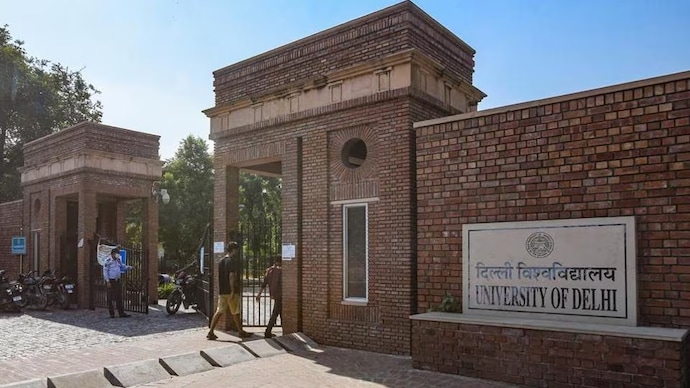
The new academic session began at Delhi University on Tuesday, with thousands of students arriving on the North Campus to begin their college journey. While the campus welcomed a new batch of students, conversations around the recent nationwide protests over paper leaks and examination reforms remained strong.
The India Today team spoke to first-year Gen Z students on the North Campus to understand how they viewed the protests and the issues that dominated the past few weeks.
Most students said the demand for the resignation of former Union Education Minister Dharmendra Pradhan was justified, arguing that repeated paper leak cases had affected the future of lakhs of students.
However, many also said protests should remain respectful and that offensive slogans directed at political leaders were unnecessary.
The protest began in early June at Delhi's Jantar Mantar after the NEET-UG paper leak controversy triggered anger among students and aspirants.
The movement later spread to several cities, with protesters demanding accountability, examination reforms and the resignation of Union Education Minister Dharmendra Pradhan.
The agitation continued for over a month and ended on July 25, after the Centre accepted the key demands of the protest leaders, including Dharmendra Pradhan's resignation. Protest organisers then called off the demonstrations and appealed to supporters to leave the protest sites peacefully.
- advertisement
1.9 lakh+ students registered for DU undergraduate admissions this year
63,756 seats were filled in the first round of UG admissions.
After Round 2, DU recorded 81,979 seat acceptances, with 21,530 students confirming their admissions by paying the fee, while 24,814 fresh allocations were made in the second round.
UNIVERSITY ADVISORY BEFORE OPENING
Ahead of the new academic session, the Delhi University administration issued an advisory asking students, parents and staff to avoid protest sites, follow official instructions and prioritise their safety while travelling to and from the campus.
The university also urged students to rely only on official communication regarding classes and campus activities.
Apart from discussing the protests, students also pointed to challenges they expect to face on campus. Many raised concerns about the shortage of hostel accommodation, rising fees and the need for better basic facilities.
Students said peaceful protests are an important part of democracy and should be used to raise public concerns. At the same time, they stressed that violence, vandalism and damage to public property have no place in any protest.
The new academic session began at Delhi University on Tuesday, with thousands of students arriving on the North Campus to begin their college journey. While the campus welcomed a new batch of students, conversations around the recent nationwide protests over paper leaks and examination reforms remained strong.
The India Today team spoke to first-year Gen Z students on the North Campus to understand how they viewed the protests and the issues that dominated the past few weeks.
Most students said the demand for the resignation of former Union Education Minister Dharmendra Pradhan was justified, arguing that repeated paper leak cases had affected the future of lakhs of students.
However, many also said protests should remain respectful and that offensive slogans directed at political leaders were unnecessary.
The protest began in early June at Delhi's Jantar Mantar after the NEET-UG paper leak controversy triggered anger among students and aspirants.
The movement later spread to several cities, with protesters demanding accountability, examination reforms and the resignation of Union Education Minister Dharmendra Pradhan.
The agitation continued for over a month and ended on July 25, after the Centre accepted the key demands of the protest leaders, including Dharmendra Pradhan's resignation. Protest organisers then called off the demonstrations and appealed to supporters to leave the protest sites peacefully.
1.9 lakh+ students registered for DU undergraduate admissions this year
63,756 seats were filled in the first round of UG admissions.
After Round 2, DU recorded 81,979 seat acceptances, with 21,530 students confirming their admissions by paying the fee, while 24,814 fresh allocations were made in the second round.
UNIVERSITY ADVISORY BEFORE OPENING
Ahead of the new academic session, the Delhi University administration issued an advisory asking students, parents and staff to avoid protest sites, follow official instructions and prioritise their safety while travelling to and from the campus.
The university also urged students to rely only on official communication regarding classes and campus activities.
Apart from discussing the protests, students also pointed to challenges they expect to face on campus. Many raised concerns about the shortage of hostel accommodation, rising fees and the need for better basic facilities.
Students said peaceful protests are an important part of democracy and should be used to raise public concerns. At the same time, they stressed that violence, vandalism and damage to public property have no place in any protest.
The new academic session began at Delhi University on Tuesday, with thousands of students arriving on the North Campus to begin their college journey. While the campus welcomed a new batch of students, conversations around the recent nationwide protests over paper leaks and examination reforms remained strong.
The India Today team spoke to first-year Gen Z students on the North Campus to understand how they viewed the protests and the issues that dominated the past few weeks.
Most students said the demand for the resignation of former Union Education Minister Dharmendra Pradhan was justified, arguing that repeated paper leak cases had affected the future of lakhs of students.
However, many also said protests should remain respectful and that offensive slogans directed at political leaders were unnecessary.
The protest began in early June at Delhi's Jantar Mantar after the NEET-UG paper leak controversy triggered anger among students and aspirants.
The movement later spread to several cities, with protesters demanding accountability, examination reforms and the resignation of Union Education Minister Dharmendra Pradhan.
The agitation continued for over a month and ended on July 25, after the Centre accepted the key demands of the protest leaders, including Dharmendra Pradhan's resignation. Protest organisers then called off the demonstrations and appealed to supporters to leave the protest sites peacefully.
1.9 lakh+ students registered for DU undergraduate admissions this year
63,756 seats were filled in the first round of UG admissions.
After Round 2, DU recorded 81,979 seat acceptances, with 21,530 students confirming their admissions by paying the fee, while 24,814 fresh allocations were made in the second round.
UNIVERSITY ADVISORY BEFORE OPENING
Ahead of the new academic session, the Delhi University administration issued an advisory asking students, parents and staff to avoid protest sites, follow official instructions and prioritise their safety while travelling to and from the campus.
The university also urged students to rely only on official communication regarding classes and campus activities.
Apart from discussing the protests, students also pointed to challenges they expect to face on campus. Many raised concerns about the shortage of hostel accommodation, rising fees and the need for better basic facilities.
Students said peaceful protests are an important part of democracy and should be used to raise public concerns. At the same time, they stressed that violence, vandalism and damage to public property have no place in any protest.

