India hits back at 'desperate' Pak's Indus Valley Civilisation heritage claim
India has rejected Pakistan's attempt to invoke the 5,000-year-old Indus Valley Civilisation to bolster its position in the ongoing Indus Waters Treaty dispute after New Delhi placed the agreement in abeyance following the April 2025 Pahalgam terror attack.
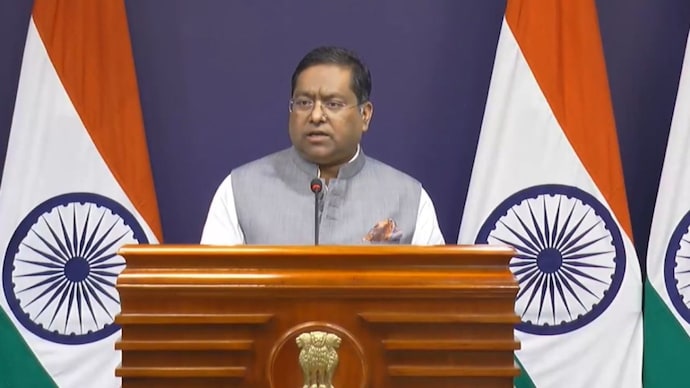
India on Tuesday mounted a sharp rebuttal to Pakistan's recent attempts to invoke the Indus Valley Civilisation as part of its national identity amid the ongoing row over the Indus Waters Treaty. External Affairs Ministry spokesperson Randhir Jaiswal said a country accused of promoting cross-border terrorism and religious extremism for decades cannot lay claim to a pluralistic cultural legacy.
Pakistan had repeatedly invoked the 5,000-year-old civilisation while criticising India's decision to put the Indus Waters Treaty (IWT) in abeyance after the April 2025 Pahalgam terror attack.
Addressing the Ministry of External Affairs' weekly briefing, Jaiswal dismissed Islamabad's narrative, saying its record on terrorism and the treatment of minorities spoke for itself.
"Let me put this straight - a country which has been promoting cross-border terrorism, which has been promoting religious fundamentalism and violence for decades, cannot have any claim to any pluralistic cultural legacy. Their abysmal track record on the protection of minorities and their cultural rights makes such desperate attempts look even more phoney," he added.
PAKISTAN'S NEW CIVILISATIONAL PITCH
He was responding to a question about Pakistan's recent references to the "shared legacy of the Indus Valley Civilisation" during discussions surrounding the Indus Waters Treaty.
In recent months, Pakistani leaders have increasingly flagged the ancient civilisation over country's historical connection to the Indus River. Information and Broadcasting Minister Attaullah Tarar recently described the civilisation as the foundation of Pakistan's identity.
"When we identify ourselves as Pakistanis, we ask a question as to who we are. And if you go back into history, the Indus Water Civilisation defines us as a people. Whenever I go abroad, I often tell my counterparts that we are the people of the Indus Valley Civilisation. Our identification is that we are people based on the banks and tributaries of the mighty River Indus," Tarar said during a public event.
His remarks echoed similar statements by Pakistan Peoples Party chairman Bilawal Bhutto-Zardari, who has argued that Pakistan is the "true custodian" of the Indus civilisation because several prominent archaeological sites, including Mohenjo-daro and Harappa, lie within its borders.
HOW THE INDUS TREATY ROW ESCALATED
The emphasis on the Indus Valley Civilisation comes against the backdrop of the growing dispute over the Indus Waters Treaty.
India placed the Indus Waters Treaty in abeyance after the April 22, 2025 terror attack in Jammu and Kashmir's Pahalgam, in which 26 civilians were killed. New Delhi said the conditions under which the agreement was negotiated had fundamentally changed due to Pakistan-sponsored cross-border terrorism. A day later, the Cabinet Committee on Security announced a series of measures against Pakistan, arguing that the circumstances under which the treaty was negotiated had fundamentally changed because of continued cross-border terrorism.
Prime Minister Narendra Modi later summed up New Delhi's position, saying, "Blood and water cannot flow together."
Since then, Pakistan has challenged India's move through diplomatic channels and international forums, accusing New Delhi of "weaponising" water. Meanwhile, senior Pakistani leaders have framed the dispute as not just a legal issue but also a civilisational one by invoking the Indus Valley heritage.
India, however, has maintained that the treaty cannot be viewed in isolation from Pakistan's continued support for terrorism and that future arrangements must reflect present-day realities rather than circumstances that existed more than six decades ago.
HERITAGE BECOMES PART OF THE NARRATIVE
Pakistan's growing emphasis on its pre-Islamic past marks a noticeable shift from the historical narrative it promoted for decades.
Along with fresh excavations at Mohenjo-daro, Islamabad has stepped up efforts to showcase sites such as Taxila, Gandhara and Mehrgarh through heritage projects, museum initiatives and international outreach programmes. Officials have projected these sites as symbols of Pakistan's civilisational identity.
Many observers see this as part of a effort to strengthen Pakistan's narrative on the Indus Waters Treaty by presenting itself as the principal inheritor of the civilisation that flourished along the river thousands of years ago.
However, the Indus civilisation extended well beyond present-day Pakistan. Hundreds of Harappan sites have been identified across India, particularly along the Ghaggar-Hakra basin, prompting many Indian scholars to use the term "Indus-Sarasvati Civilisation" to better reflect its geographical footprint.
India on Tuesday mounted a sharp rebuttal to Pakistan's recent attempts to invoke the Indus Valley Civilisation as part of its national identity amid the ongoing row over the Indus Waters Treaty. External Affairs Ministry spokesperson Randhir Jaiswal said a country accused of promoting cross-border terrorism and religious extremism for decades cannot lay claim to a pluralistic cultural legacy.
Pakistan had repeatedly invoked the 5,000-year-old civilisation while criticising India's decision to put the Indus Waters Treaty (IWT) in abeyance after the April 2025 Pahalgam terror attack.
Addressing the Ministry of External Affairs' weekly briefing, Jaiswal dismissed Islamabad's narrative, saying its record on terrorism and the treatment of minorities spoke for itself.
"Let me put this straight - a country which has been promoting cross-border terrorism, which has been promoting religious fundamentalism and violence for decades, cannot have any claim to any pluralistic cultural legacy. Their abysmal track record on the protection of minorities and their cultural rights makes such desperate attempts look even more phoney," he added.
PAKISTAN'S NEW CIVILISATIONAL PITCH
He was responding to a question about Pakistan's recent references to the "shared legacy of the Indus Valley Civilisation" during discussions surrounding the Indus Waters Treaty.
In recent months, Pakistani leaders have increasingly flagged the ancient civilisation over country's historical connection to the Indus River. Information and Broadcasting Minister Attaullah Tarar recently described the civilisation as the foundation of Pakistan's identity.
"When we identify ourselves as Pakistanis, we ask a question as to who we are. And if you go back into history, the Indus Water Civilisation defines us as a people. Whenever I go abroad, I often tell my counterparts that we are the people of the Indus Valley Civilisation. Our identification is that we are people based on the banks and tributaries of the mighty River Indus," Tarar said during a public event.
His remarks echoed similar statements by Pakistan Peoples Party chairman Bilawal Bhutto-Zardari, who has argued that Pakistan is the "true custodian" of the Indus civilisation because several prominent archaeological sites, including Mohenjo-daro and Harappa, lie within its borders.
HOW THE INDUS TREATY ROW ESCALATED
The emphasis on the Indus Valley Civilisation comes against the backdrop of the growing dispute over the Indus Waters Treaty.
India placed the Indus Waters Treaty in abeyance after the April 22, 2025 terror attack in Jammu and Kashmir's Pahalgam, in which 26 civilians were killed. New Delhi said the conditions under which the agreement was negotiated had fundamentally changed due to Pakistan-sponsored cross-border terrorism. A day later, the Cabinet Committee on Security announced a series of measures against Pakistan, arguing that the circumstances under which the treaty was negotiated had fundamentally changed because of continued cross-border terrorism.
Prime Minister Narendra Modi later summed up New Delhi's position, saying, "Blood and water cannot flow together."
Since then, Pakistan has challenged India's move through diplomatic channels and international forums, accusing New Delhi of "weaponising" water. Meanwhile, senior Pakistani leaders have framed the dispute as not just a legal issue but also a civilisational one by invoking the Indus Valley heritage.
India, however, has maintained that the treaty cannot be viewed in isolation from Pakistan's continued support for terrorism and that future arrangements must reflect present-day realities rather than circumstances that existed more than six decades ago.
HERITAGE BECOMES PART OF THE NARRATIVE
Pakistan's growing emphasis on its pre-Islamic past marks a noticeable shift from the historical narrative it promoted for decades.
Along with fresh excavations at Mohenjo-daro, Islamabad has stepped up efforts to showcase sites such as Taxila, Gandhara and Mehrgarh through heritage projects, museum initiatives and international outreach programmes. Officials have projected these sites as symbols of Pakistan's civilisational identity.
Many observers see this as part of a effort to strengthen Pakistan's narrative on the Indus Waters Treaty by presenting itself as the principal inheritor of the civilisation that flourished along the river thousands of years ago.
However, the Indus civilisation extended well beyond present-day Pakistan. Hundreds of Harappan sites have been identified across India, particularly along the Ghaggar-Hakra basin, prompting many Indian scholars to use the term "Indus-Sarasvati Civilisation" to better reflect its geographical footprint.
India on Tuesday mounted a sharp rebuttal to Pakistan's recent attempts to invoke the Indus Valley Civilisation as part of its national identity amid the ongoing row over the Indus Waters Treaty. External Affairs Ministry spokesperson Randhir Jaiswal said a country accused of promoting cross-border terrorism and religious extremism for decades cannot lay claim to a pluralistic cultural legacy.
Pakistan had repeatedly invoked the 5,000-year-old civilisation while criticising India's decision to put the Indus Waters Treaty (IWT) in abeyance after the April 2025 Pahalgam terror attack.
Addressing the Ministry of External Affairs' weekly briefing, Jaiswal dismissed Islamabad's narrative, saying its record on terrorism and the treatment of minorities spoke for itself.
"Let me put this straight - a country which has been promoting cross-border terrorism, which has been promoting religious fundamentalism and violence for decades, cannot have any claim to any pluralistic cultural legacy. Their abysmal track record on the protection of minorities and their cultural rights makes such desperate attempts look even more phoney," he added.
PAKISTAN'S NEW CIVILISATIONAL PITCH
He was responding to a question about Pakistan's recent references to the "shared legacy of the Indus Valley Civilisation" during discussions surrounding the Indus Waters Treaty.
In recent months, Pakistani leaders have increasingly flagged the ancient civilisation over country's historical connection to the Indus River. Information and Broadcasting Minister Attaullah Tarar recently described the civilisation as the foundation of Pakistan's identity.
"When we identify ourselves as Pakistanis, we ask a question as to who we are. And if you go back into history, the Indus Water Civilisation defines us as a people. Whenever I go abroad, I often tell my counterparts that we are the people of the Indus Valley Civilisation. Our identification is that we are people based on the banks and tributaries of the mighty River Indus," Tarar said during a public event.
His remarks echoed similar statements by Pakistan Peoples Party chairman Bilawal Bhutto-Zardari, who has argued that Pakistan is the "true custodian" of the Indus civilisation because several prominent archaeological sites, including Mohenjo-daro and Harappa, lie within its borders.
HOW THE INDUS TREATY ROW ESCALATED
The emphasis on the Indus Valley Civilisation comes against the backdrop of the growing dispute over the Indus Waters Treaty.
India placed the Indus Waters Treaty in abeyance after the April 22, 2025 terror attack in Jammu and Kashmir's Pahalgam, in which 26 civilians were killed. New Delhi said the conditions under which the agreement was negotiated had fundamentally changed due to Pakistan-sponsored cross-border terrorism. A day later, the Cabinet Committee on Security announced a series of measures against Pakistan, arguing that the circumstances under which the treaty was negotiated had fundamentally changed because of continued cross-border terrorism.
Prime Minister Narendra Modi later summed up New Delhi's position, saying, "Blood and water cannot flow together."
Since then, Pakistan has challenged India's move through diplomatic channels and international forums, accusing New Delhi of "weaponising" water. Meanwhile, senior Pakistani leaders have framed the dispute as not just a legal issue but also a civilisational one by invoking the Indus Valley heritage.
India, however, has maintained that the treaty cannot be viewed in isolation from Pakistan's continued support for terrorism and that future arrangements must reflect present-day realities rather than circumstances that existed more than six decades ago.
HERITAGE BECOMES PART OF THE NARRATIVE
Pakistan's growing emphasis on its pre-Islamic past marks a noticeable shift from the historical narrative it promoted for decades.
Along with fresh excavations at Mohenjo-daro, Islamabad has stepped up efforts to showcase sites such as Taxila, Gandhara and Mehrgarh through heritage projects, museum initiatives and international outreach programmes. Officials have projected these sites as symbols of Pakistan's civilisational identity.
Many observers see this as part of a effort to strengthen Pakistan's narrative on the Indus Waters Treaty by presenting itself as the principal inheritor of the civilisation that flourished along the river thousands of years ago.
However, the Indus civilisation extended well beyond present-day Pakistan. Hundreds of Harappan sites have been identified across India, particularly along the Ghaggar-Hakra basin, prompting many Indian scholars to use the term "Indus-Sarasvati Civilisation" to better reflect its geographical footprint.

