India has a new School Education Secretary. Here's what must change first
New School Education Secretary, TK Anil Kumar has taken charge at a crucial time for India's classrooms. From unfinished NEP reforms and board exam changes to teacher shortages and learning gaps, several pressing issues are waiting on the new secretary's desk.
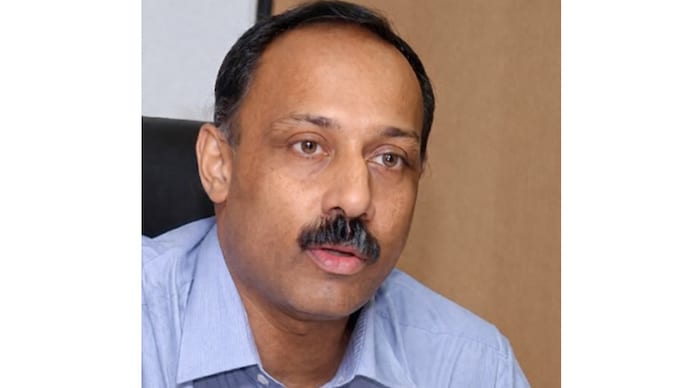
The Department of Higher Education has a new secretary at a time when India’s universities and colleges are undergoing major structural changes. The Centre has appointed TK Anil Kumar, a 1995-batch IAS officer from the Karnataka cadre, and a former Additional Secretary in the Ministry of Rural Development as the new School Education Secretary.
The appointment comes when the higher education sector is dealing with multiple ongoing reforms – five years after the National Education Policy (NEP) 2020, implementation has entered its toughest phase. At the same time, controversies over CBSE's digital evaluation system, the rollout of the three-language policy, board examination reforms and persistent learning gaps have left the ministry with a long list of unfinished work.
The secretary now inherits an education system that serves nearly 24.7 crore students across 14.7 lakh schools, making it the world's largest school network. But size is no longer the biggest challenge. The real task is ensuring that reforms announced on paper translate into classrooms.
Here are the key issues awaiting the new secretary:
1. NEP 2020 implementation needs proper implementation
Five years after the launch of NEP 2020, the focus is now on ensuring that reforms reach classrooms.
The policy has introduced a 5+3+3+4 school structure, competency-based learning, experiential education, vocational exposure and reduced dependence on rote learning, but the implementation remains a concern.
While NCERT has started rolling out new textbooks based on the National Curriculum Framework for School Education (NCF-SE) 2023, schools and teachers are still adapting to the changes.
The challenge will be ensuring that implementation is uniform across states, where education systems differ widely in resources, teacher availability and infrastructure.
2. Three-language policy faces implementation hurdles
The rollout of the CBSE's three-language rule has emerged as one of the biggest challenges.
CBSE has issued guidelines requiring students in Classes 6 to 9 to study three languages, including two Indian languages, as part of the new framework.
However, states such as Tamil Nadu have opposed the move, while schools have raised concerns over the availability of trained language teachers.
The immediate challenge for the ministry will be ensuring that the policy is implemented without creating confusion for schools, students and teachers.
3. Board exam reforms need smoother execution
CBSE has brought major changes in assessment, including competency-based questions and changes in examination patterns along with digital evaluation of board examination answer sheets.
The introduction of technology-based evaluation also highlighted the need for stronger systems after the On-Screen Marking (OSM) process for Class 12 faced issues.
During the 2026 evaluation cycle, nearly 98.7 lakh answer books were assessed digitally, but reports of blurred scans, missing pages and technical issues led to rescanning of thousands of copies.
At the same time, CBSE’s decision to introduce a second board examination for Class 10 marks one of the biggest assessment changes under NEP 2020. The reform aims to reduce exam pressure by allowing students an additional opportunity to improve their scores without waiting for the next academic year.
However, the first year of major assessment changes has also highlighted implementation challenges.
While the Class 10 second board examination gave students another chance to improve their performance, schools raised concerns over delayed results and uncertainty around timelines, as students were simultaneously preparing for higher education and admission processes.
4. Learning gaps remain a concern
Despite improvements in school enrolment, learning outcomes continue to remain a challenge.
The NITI Aayog school education report highlighted that only around 5.4% of schools offer education from Classes 1 to 12, leading to frequent transitions for students.
The report also pointed out that the Gross Enrolment Ratio falls from around 90% at primary level to 58.4% at higher secondary level, showing a major participation gap.
Secondary education remains a critical stage, with dropout rates rising to 11.5% compared with 0.3% at the primary level.
5. Teacher shortages and training gaps
Teachers remain central to every school reform, but vacancies and uneven deployment continue to affect quality. According to the Ministry of Education's official data for the 2024–25 academic year, India has 1,04,125 single-teacher schools serving more than 33.7 lakh students, with an average of around 34 students in each school.
The government’s push towards competency-based learning, AI education and new textbooks will require teachers to be trained regularly. Ensuring that teachers are prepared for new teaching methods will be essential for NEP implementation.
6. Digital education and AI in classrooms
Artificial intelligence and digital learning are becoming part of school education, but access remains uneven.
Only 69.9% of schools have computers, 67.4% have internet access, and just 40.1% are equipped with CWSN-friendly toilets.
While some schools are introducing smart classrooms and digital tools, many institutions still face challenges related to internet access, devices and teacher training.
The new secretary will also have to address concerns around responsible AI use, cyber safety and digital inequality.
7. School infrastructure and equity gaps
Infrastructure remains another area requiring attention.
According to the NITI Aayog report, around 7% of schools still lack functional electricity, while gaps remain in internet access, laboratories and digital facilities.
The challenge will be ensuring that government schools, rural institutions and smaller schools receive the same attention as well-funded urban schools.
As the new School Education Secretary takes charge, the focus will now shift from announcing reforms to ensuring they work on the ground. The coming years will determine whether NEP 2020 becomes a classroom reality or remains limited to policy documents.
The Department of Higher Education has a new secretary at a time when India’s universities and colleges are undergoing major structural changes. The Centre has appointed TK Anil Kumar, a 1995-batch IAS officer from the Karnataka cadre, and a former Additional Secretary in the Ministry of Rural Development as the new School Education Secretary.
The appointment comes when the higher education sector is dealing with multiple ongoing reforms – five years after the National Education Policy (NEP) 2020, implementation has entered its toughest phase. At the same time, controversies over CBSE's digital evaluation system, the rollout of the three-language policy, board examination reforms and persistent learning gaps have left the ministry with a long list of unfinished work.
The secretary now inherits an education system that serves nearly 24.7 crore students across 14.7 lakh schools, making it the world's largest school network. But size is no longer the biggest challenge. The real task is ensuring that reforms announced on paper translate into classrooms.
Here are the key issues awaiting the new secretary:
1. NEP 2020 implementation needs proper implementation
Five years after the launch of NEP 2020, the focus is now on ensuring that reforms reach classrooms.
The policy has introduced a 5+3+3+4 school structure, competency-based learning, experiential education, vocational exposure and reduced dependence on rote learning, but the implementation remains a concern.
While NCERT has started rolling out new textbooks based on the National Curriculum Framework for School Education (NCF-SE) 2023, schools and teachers are still adapting to the changes.
The challenge will be ensuring that implementation is uniform across states, where education systems differ widely in resources, teacher availability and infrastructure.
2. Three-language policy faces implementation hurdles
The rollout of the CBSE's three-language rule has emerged as one of the biggest challenges.
CBSE has issued guidelines requiring students in Classes 6 to 9 to study three languages, including two Indian languages, as part of the new framework.
However, states such as Tamil Nadu have opposed the move, while schools have raised concerns over the availability of trained language teachers.
The immediate challenge for the ministry will be ensuring that the policy is implemented without creating confusion for schools, students and teachers.
3. Board exam reforms need smoother execution
CBSE has brought major changes in assessment, including competency-based questions and changes in examination patterns along with digital evaluation of board examination answer sheets.
The introduction of technology-based evaluation also highlighted the need for stronger systems after the On-Screen Marking (OSM) process for Class 12 faced issues.
During the 2026 evaluation cycle, nearly 98.7 lakh answer books were assessed digitally, but reports of blurred scans, missing pages and technical issues led to rescanning of thousands of copies.
At the same time, CBSE’s decision to introduce a second board examination for Class 10 marks one of the biggest assessment changes under NEP 2020. The reform aims to reduce exam pressure by allowing students an additional opportunity to improve their scores without waiting for the next academic year.
However, the first year of major assessment changes has also highlighted implementation challenges.
While the Class 10 second board examination gave students another chance to improve their performance, schools raised concerns over delayed results and uncertainty around timelines, as students were simultaneously preparing for higher education and admission processes.
4. Learning gaps remain a concern
Despite improvements in school enrolment, learning outcomes continue to remain a challenge.
The NITI Aayog school education report highlighted that only around 5.4% of schools offer education from Classes 1 to 12, leading to frequent transitions for students.
The report also pointed out that the Gross Enrolment Ratio falls from around 90% at primary level to 58.4% at higher secondary level, showing a major participation gap.
Secondary education remains a critical stage, with dropout rates rising to 11.5% compared with 0.3% at the primary level.
5. Teacher shortages and training gaps
Teachers remain central to every school reform, but vacancies and uneven deployment continue to affect quality. According to the Ministry of Education's official data for the 2024–25 academic year, India has 1,04,125 single-teacher schools serving more than 33.7 lakh students, with an average of around 34 students in each school.
The government’s push towards competency-based learning, AI education and new textbooks will require teachers to be trained regularly. Ensuring that teachers are prepared for new teaching methods will be essential for NEP implementation.
6. Digital education and AI in classrooms
Artificial intelligence and digital learning are becoming part of school education, but access remains uneven.
Only 69.9% of schools have computers, 67.4% have internet access, and just 40.1% are equipped with CWSN-friendly toilets.
While some schools are introducing smart classrooms and digital tools, many institutions still face challenges related to internet access, devices and teacher training.
The new secretary will also have to address concerns around responsible AI use, cyber safety and digital inequality.
7. School infrastructure and equity gaps
Infrastructure remains another area requiring attention.
According to the NITI Aayog report, around 7% of schools still lack functional electricity, while gaps remain in internet access, laboratories and digital facilities.
The challenge will be ensuring that government schools, rural institutions and smaller schools receive the same attention as well-funded urban schools.
As the new School Education Secretary takes charge, the focus will now shift from announcing reforms to ensuring they work on the ground. The coming years will determine whether NEP 2020 becomes a classroom reality or remains limited to policy documents.
The Department of Higher Education has a new secretary at a time when India’s universities and colleges are undergoing major structural changes. The Centre has appointed TK Anil Kumar, a 1995-batch IAS officer from the Karnataka cadre, and a former Additional Secretary in the Ministry of Rural Development as the new School Education Secretary.
The appointment comes when the higher education sector is dealing with multiple ongoing reforms – five years after the National Education Policy (NEP) 2020, implementation has entered its toughest phase. At the same time, controversies over CBSE's digital evaluation system, the rollout of the three-language policy, board examination reforms and persistent learning gaps have left the ministry with a long list of unfinished work.
The secretary now inherits an education system that serves nearly 24.7 crore students across 14.7 lakh schools, making it the world's largest school network. But size is no longer the biggest challenge. The real task is ensuring that reforms announced on paper translate into classrooms.
Here are the key issues awaiting the new secretary:
1. NEP 2020 implementation needs proper implementation
Five years after the launch of NEP 2020, the focus is now on ensuring that reforms reach classrooms.
The policy has introduced a 5+3+3+4 school structure, competency-based learning, experiential education, vocational exposure and reduced dependence on rote learning, but the implementation remains a concern.
While NCERT has started rolling out new textbooks based on the National Curriculum Framework for School Education (NCF-SE) 2023, schools and teachers are still adapting to the changes.
The challenge will be ensuring that implementation is uniform across states, where education systems differ widely in resources, teacher availability and infrastructure.
2. Three-language policy faces implementation hurdles
The rollout of the CBSE's three-language rule has emerged as one of the biggest challenges.
CBSE has issued guidelines requiring students in Classes 6 to 9 to study three languages, including two Indian languages, as part of the new framework.
However, states such as Tamil Nadu have opposed the move, while schools have raised concerns over the availability of trained language teachers.
The immediate challenge for the ministry will be ensuring that the policy is implemented without creating confusion for schools, students and teachers.
3. Board exam reforms need smoother execution
CBSE has brought major changes in assessment, including competency-based questions and changes in examination patterns along with digital evaluation of board examination answer sheets.
The introduction of technology-based evaluation also highlighted the need for stronger systems after the On-Screen Marking (OSM) process for Class 12 faced issues.
During the 2026 evaluation cycle, nearly 98.7 lakh answer books were assessed digitally, but reports of blurred scans, missing pages and technical issues led to rescanning of thousands of copies.
At the same time, CBSE’s decision to introduce a second board examination for Class 10 marks one of the biggest assessment changes under NEP 2020. The reform aims to reduce exam pressure by allowing students an additional opportunity to improve their scores without waiting for the next academic year.
However, the first year of major assessment changes has also highlighted implementation challenges.
While the Class 10 second board examination gave students another chance to improve their performance, schools raised concerns over delayed results and uncertainty around timelines, as students were simultaneously preparing for higher education and admission processes.
4. Learning gaps remain a concern
Despite improvements in school enrolment, learning outcomes continue to remain a challenge.
The NITI Aayog school education report highlighted that only around 5.4% of schools offer education from Classes 1 to 12, leading to frequent transitions for students.
The report also pointed out that the Gross Enrolment Ratio falls from around 90% at primary level to 58.4% at higher secondary level, showing a major participation gap.
Secondary education remains a critical stage, with dropout rates rising to 11.5% compared with 0.3% at the primary level.
5. Teacher shortages and training gaps
Teachers remain central to every school reform, but vacancies and uneven deployment continue to affect quality. According to the Ministry of Education's official data for the 2024–25 academic year, India has 1,04,125 single-teacher schools serving more than 33.7 lakh students, with an average of around 34 students in each school.
The government’s push towards competency-based learning, AI education and new textbooks will require teachers to be trained regularly. Ensuring that teachers are prepared for new teaching methods will be essential for NEP implementation.
6. Digital education and AI in classrooms
Artificial intelligence and digital learning are becoming part of school education, but access remains uneven.
Only 69.9% of schools have computers, 67.4% have internet access, and just 40.1% are equipped with CWSN-friendly toilets.
While some schools are introducing smart classrooms and digital tools, many institutions still face challenges related to internet access, devices and teacher training.
The new secretary will also have to address concerns around responsible AI use, cyber safety and digital inequality.
7. School infrastructure and equity gaps
Infrastructure remains another area requiring attention.
According to the NITI Aayog report, around 7% of schools still lack functional electricity, while gaps remain in internet access, laboratories and digital facilities.
The challenge will be ensuring that government schools, rural institutions and smaller schools receive the same attention as well-funded urban schools.
As the new School Education Secretary takes charge, the focus will now shift from announcing reforms to ensuring they work on the ground. The coming years will determine whether NEP 2020 becomes a classroom reality or remains limited to policy documents.

