How Gen Z transformed CJP protests around India into a content creation festival
At the CJP protests, Gen Z brought content creation to the streets, recording GRWMs, dance reels, clashes and personal stories from the ground.
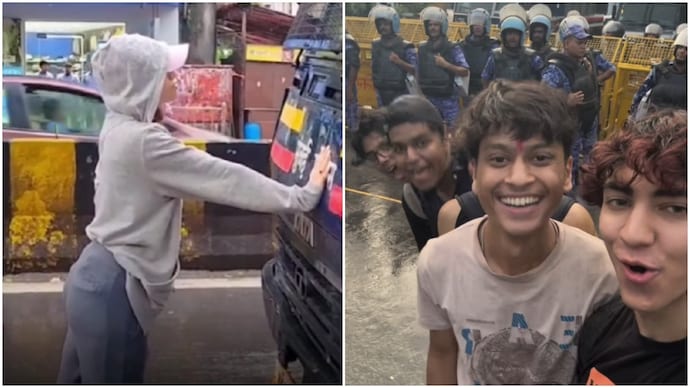
At a protest site where slogans echoed, police barricades lined the streets and tension hung in the air, a different kind of activity was unfolding, phones were held up, cameras were switched on, and Instagram reels were being recorded.
For many young protesters at the Cockroach Janta Party (CJP) protests, especially at Delhi’s Jantar Mantar, the protest became not just a place to raise their voices but also a space where they documented every unexpected moment.
From dance videos filmed during tense moments to “Get Ready With Me” clips before heading out, Gen Z protesters brought the language of social media into the streets. What traditionally would have been captured through news cameras was being recorded through front cameras, trending audios and quick-cut Instagram reels.
The CJP movement, which began online before turning into a larger street mobilisation, has been heavily shaped by social media. Several participants and creators used platforms like Instagram and X to share their experiences, turning individual videos from protest sites into widely circulated content.
One of the most talked-about aspects was how some protesters approached the protests almost like a live content diary.
A young man preparing to attend the protest filmed a “GRWM” (Get Ready With Me) video from his home, showing his outfit, accessories and preparations before heading towards the protest site.
The format, usually associated with fashion influencers and lifestyle creators, found a new setting as she documented getting ready to participate in the protest.
Watch the video here:
At Jantar Mantar, another set of protesters gave the protest site an unexpectedly casual twist by sitting together and playing Uno. The card game, usually seen during college breaks or house parties, became an unusual sight amid posters, slogans and police presence, and naturally became a social media talking point.
Watch the video here:
Then came videos from tense moments where protesters continued filming despite clashes with authorities.
Clips showing protesters dancing, recording reels and using trending sounds during chaotic scenes spread widely online, creating a strange contrast between the seriousness of the situation and the internet-friendly way Gen Z communicates.
See the videos here:
Videos from the protests showing police action and confrontations also circulated widely across social platforms.
Take a look at some of the videos here:
One particularly viral moment showed a woman from Mumbai standing in front of a police vehicle and placing her hand on it while asking for detained protesters to be released. The dramatic visual quickly became one of the many clips shared across social media, with users discussing her confidence and the intensity of the moment.
Watch the video here:
For some young participants, the protest also became an unexpected introduction to online visibility.
Several users who previously had smaller social media followings saw their audience grow after posting protest-related reels. Their videos, whether showing ground updates, emotional moments, humorous observations or behind-the-scenes clips, reached viewers who may not have followed traditional news coverage of the demonstrations.
The result was a new kind of protest documentation: part activism, part personal storytelling, and part internet culture.
Unlike earlier movements where participation often ended once people left the protest site, Gen Z protesters carried the experience back online. Every slogan, confrontation, joke, outfit choice and emotional moment became a potential reel.
For some, the camera was a way to amplify their message. For others, it was simply the natural way their generation records life, whether they are travelling, attending college, going to concerts or standing at a protest.
The CJP demonstrations showed that for Gen Z, protests are no longer happening in only one place. They exist simultaneously on streets and screens, where every moment can become a story, a debate, or a viral video within minutes.
At a protest site where slogans echoed, police barricades lined the streets and tension hung in the air, a different kind of activity was unfolding, phones were held up, cameras were switched on, and Instagram reels were being recorded.
For many young protesters at the Cockroach Janta Party (CJP) protests, especially at Delhi’s Jantar Mantar, the protest became not just a place to raise their voices but also a space where they documented every unexpected moment.
From dance videos filmed during tense moments to “Get Ready With Me” clips before heading out, Gen Z protesters brought the language of social media into the streets. What traditionally would have been captured through news cameras was being recorded through front cameras, trending audios and quick-cut Instagram reels.
The CJP movement, which began online before turning into a larger street mobilisation, has been heavily shaped by social media. Several participants and creators used platforms like Instagram and X to share their experiences, turning individual videos from protest sites into widely circulated content.
One of the most talked-about aspects was how some protesters approached the protests almost like a live content diary.
A young man preparing to attend the protest filmed a “GRWM” (Get Ready With Me) video from his home, showing his outfit, accessories and preparations before heading towards the protest site.
The format, usually associated with fashion influencers and lifestyle creators, found a new setting as she documented getting ready to participate in the protest.
Watch the video here:
At Jantar Mantar, another set of protesters gave the protest site an unexpectedly casual twist by sitting together and playing Uno. The card game, usually seen during college breaks or house parties, became an unusual sight amid posters, slogans and police presence, and naturally became a social media talking point.
Watch the video here:
Then came videos from tense moments where protesters continued filming despite clashes with authorities.
Clips showing protesters dancing, recording reels and using trending sounds during chaotic scenes spread widely online, creating a strange contrast between the seriousness of the situation and the internet-friendly way Gen Z communicates.
See the videos here:
Videos from the protests showing police action and confrontations also circulated widely across social platforms.
Take a look at some of the videos here:
One particularly viral moment showed a woman from Mumbai standing in front of a police vehicle and placing her hand on it while asking for detained protesters to be released. The dramatic visual quickly became one of the many clips shared across social media, with users discussing her confidence and the intensity of the moment.
Watch the video here:
For some young participants, the protest also became an unexpected introduction to online visibility.
Several users who previously had smaller social media followings saw their audience grow after posting protest-related reels. Their videos, whether showing ground updates, emotional moments, humorous observations or behind-the-scenes clips, reached viewers who may not have followed traditional news coverage of the demonstrations.
The result was a new kind of protest documentation: part activism, part personal storytelling, and part internet culture.
Unlike earlier movements where participation often ended once people left the protest site, Gen Z protesters carried the experience back online. Every slogan, confrontation, joke, outfit choice and emotional moment became a potential reel.
For some, the camera was a way to amplify their message. For others, it was simply the natural way their generation records life, whether they are travelling, attending college, going to concerts or standing at a protest.
The CJP demonstrations showed that for Gen Z, protests are no longer happening in only one place. They exist simultaneously on streets and screens, where every moment can become a story, a debate, or a viral video within minutes.
At a protest site where slogans echoed, police barricades lined the streets and tension hung in the air, a different kind of activity was unfolding, phones were held up, cameras were switched on, and Instagram reels were being recorded.
For many young protesters at the Cockroach Janta Party (CJP) protests, especially at Delhi’s Jantar Mantar, the protest became not just a place to raise their voices but also a space where they documented every unexpected moment.
From dance videos filmed during tense moments to “Get Ready With Me” clips before heading out, Gen Z protesters brought the language of social media into the streets. What traditionally would have been captured through news cameras was being recorded through front cameras, trending audios and quick-cut Instagram reels.
The CJP movement, which began online before turning into a larger street mobilisation, has been heavily shaped by social media. Several participants and creators used platforms like Instagram and X to share their experiences, turning individual videos from protest sites into widely circulated content.
One of the most talked-about aspects was how some protesters approached the protests almost like a live content diary.
A young man preparing to attend the protest filmed a “GRWM” (Get Ready With Me) video from his home, showing his outfit, accessories and preparations before heading towards the protest site.
The format, usually associated with fashion influencers and lifestyle creators, found a new setting as she documented getting ready to participate in the protest.
Watch the video here:
At Jantar Mantar, another set of protesters gave the protest site an unexpectedly casual twist by sitting together and playing Uno. The card game, usually seen during college breaks or house parties, became an unusual sight amid posters, slogans and police presence, and naturally became a social media talking point.
Watch the video here:
Then came videos from tense moments where protesters continued filming despite clashes with authorities.
Clips showing protesters dancing, recording reels and using trending sounds during chaotic scenes spread widely online, creating a strange contrast between the seriousness of the situation and the internet-friendly way Gen Z communicates.
See the videos here:
Videos from the protests showing police action and confrontations also circulated widely across social platforms.
Take a look at some of the videos here:
One particularly viral moment showed a woman from Mumbai standing in front of a police vehicle and placing her hand on it while asking for detained protesters to be released. The dramatic visual quickly became one of the many clips shared across social media, with users discussing her confidence and the intensity of the moment.
Watch the video here:
For some young participants, the protest also became an unexpected introduction to online visibility.
Several users who previously had smaller social media followings saw their audience grow after posting protest-related reels. Their videos, whether showing ground updates, emotional moments, humorous observations or behind-the-scenes clips, reached viewers who may not have followed traditional news coverage of the demonstrations.
The result was a new kind of protest documentation: part activism, part personal storytelling, and part internet culture.
Unlike earlier movements where participation often ended once people left the protest site, Gen Z protesters carried the experience back online. Every slogan, confrontation, joke, outfit choice and emotional moment became a potential reel.
For some, the camera was a way to amplify their message. For others, it was simply the natural way their generation records life, whether they are travelling, attending college, going to concerts or standing at a protest.
The CJP demonstrations showed that for Gen Z, protests are no longer happening in only one place. They exist simultaneously on streets and screens, where every moment can become a story, a debate, or a viral video within minutes.

