IIT Kharagpur student shifted to IIT Roorkee: Supreme Court clarifies scope of its order
The Supreme Court allowed an IIT Kharagpur B.Arch student to shift to IIT Roorkee while continuing treatment at PGI Chandigarh. It used Article 142 and said the relief was confined to the student's medical circumstances.
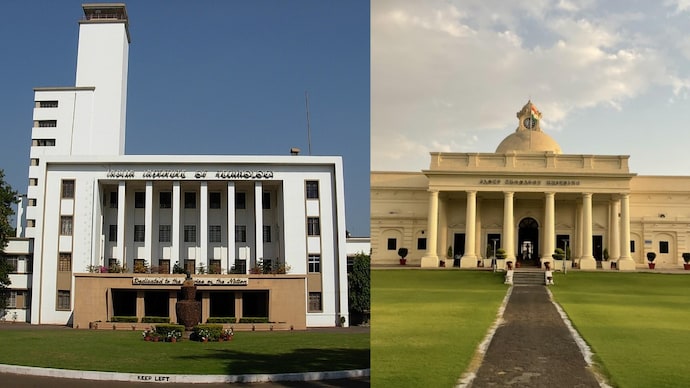
A case involving the transfer of a student between IITs has surfaced, in which the Supreme Court intervened and allowed a B.Arch student of IIT Kharagpur to transfer on serious mental health grounds. The student is undergoing treatment at PGI Chandigarh.
An IIT student being granted such a transfer is one of the rare instances in the country. The Bench comprising Justice BV Nagarathna and Justice R. Mahadevan passed the order and directed IIT Kharagpur to issue the necessary transfer or migration certificate, along with all original documents, to IIT Roorkee within a week, as reported by LawBeat.
The Bench also directed the Indian Institute of Technology Roorkee in Uttarakhand, which had opposed the transfer, to admit the petitioner to the first year of its B.Arch programme.
The Court further said that the student would be required to comply with all applicable admission and fee requirements.
During the hearing, Senior Advocate Shobha Gupta, appearing for the petitioner, relied on medical records from PGI Chandigarh and an evaluation conducted by AIIMS. She submitted that the student has been diagnosed with recurrent depressive disorder and requires continuous medication and treatment under specialist supervision.
IIT ROORKEE'S STAND
Opposing the plea, counsel appearing for IIT Roorkee argued that the AIIMS report does not specifically recommend a transfer between IITs. While acknowledging the student's mental health condition, the institute submitted that the transfer regulations placed before the Court were applicable only to IIT Kharagpur and did not bind other IITs.
It further stated that IIT Roorkee did not have any regulation permitting such transfers.
Responding to the submissions, the Bench observed that every IIT functions independently through its own Senate and cannot be governed by another institute's regulations. "Each IIT independently has a Senate.
These rules are for IIT Kharagpur, not IIT Delhi. What about IIT Roorkee then?" the Bench remarked.
The Supreme Court observed that the matter would have to be considered under Article 142 of the Constitution, which empowers it to pass orders necessary for doing complete justice.
During the proceedings, IIT Roorkee informed the Court that if the transfer was allowed, the petitioner would have to begin the B.Arch programme from the first year since academic continuity through transfer was not possible. The petitioner's counsel accepted the condition.
The institute also requested that any relief granted in the matter should be confined to the facts of the present case and should not be treated as a precedent for future transfer requests. The Court recorded the submission.
WHAT DID THE SUPREME COURT HIGHLIGHT FOR FUTURE CASES?
Clarifying the scope of its order, the Supreme Court said that the direction was being issued only because of the petitioner's medical condition and the requirement of ongoing treatment at PGI Chandigarh, which made it impracticable for him to continue studying at IIT Kharagpur.
Earlier, on July 15, the Supreme Court had directed the Director of AIIMS to constitute a Medical Board to assess the student's mental health condition while directing IIT Roorkee to keep one seat vacant until the matter was decided.
The interim directions were passed while hearing the writ petition filed by the IIT Kharagpur B.Arch student seeking migration on account of depression and the need for specialised therapy, which he claimed was not available in Kharagpur.
The issue of student mental health at IIT Kharagpur has also come under the Supreme Court's scrutiny in the past.
In July 2025, while hearing another matter, a Bench of Justices JB Pardiwala and R Mahadevan questioned the institute over student suicides and asked what measures had been taken to address the issue.
Counsel for IIT Kharagpur had then informed the Court that a 10-member committee had been constituted and that a counselling centre was functioning to identify and support students facing mental health concerns.
A case involving the transfer of a student between IITs has surfaced, in which the Supreme Court intervened and allowed a B.Arch student of IIT Kharagpur to transfer on serious mental health grounds. The student is undergoing treatment at PGI Chandigarh.
An IIT student being granted such a transfer is one of the rare instances in the country. The Bench comprising Justice BV Nagarathna and Justice R. Mahadevan passed the order and directed IIT Kharagpur to issue the necessary transfer or migration certificate, along with all original documents, to IIT Roorkee within a week, as reported by LawBeat.
The Bench also directed the Indian Institute of Technology Roorkee in Uttarakhand, which had opposed the transfer, to admit the petitioner to the first year of its B.Arch programme.
The Court further said that the student would be required to comply with all applicable admission and fee requirements.
During the hearing, Senior Advocate Shobha Gupta, appearing for the petitioner, relied on medical records from PGI Chandigarh and an evaluation conducted by AIIMS. She submitted that the student has been diagnosed with recurrent depressive disorder and requires continuous medication and treatment under specialist supervision.
IIT ROORKEE'S STAND
Opposing the plea, counsel appearing for IIT Roorkee argued that the AIIMS report does not specifically recommend a transfer between IITs. While acknowledging the student's mental health condition, the institute submitted that the transfer regulations placed before the Court were applicable only to IIT Kharagpur and did not bind other IITs.
It further stated that IIT Roorkee did not have any regulation permitting such transfers.
Responding to the submissions, the Bench observed that every IIT functions independently through its own Senate and cannot be governed by another institute's regulations. "Each IIT independently has a Senate.
These rules are for IIT Kharagpur, not IIT Delhi. What about IIT Roorkee then?" the Bench remarked.
The Supreme Court observed that the matter would have to be considered under Article 142 of the Constitution, which empowers it to pass orders necessary for doing complete justice.
During the proceedings, IIT Roorkee informed the Court that if the transfer was allowed, the petitioner would have to begin the B.Arch programme from the first year since academic continuity through transfer was not possible. The petitioner's counsel accepted the condition.
The institute also requested that any relief granted in the matter should be confined to the facts of the present case and should not be treated as a precedent for future transfer requests. The Court recorded the submission.
WHAT DID THE SUPREME COURT HIGHLIGHT FOR FUTURE CASES?
Clarifying the scope of its order, the Supreme Court said that the direction was being issued only because of the petitioner's medical condition and the requirement of ongoing treatment at PGI Chandigarh, which made it impracticable for him to continue studying at IIT Kharagpur.
Earlier, on July 15, the Supreme Court had directed the Director of AIIMS to constitute a Medical Board to assess the student's mental health condition while directing IIT Roorkee to keep one seat vacant until the matter was decided.
The interim directions were passed while hearing the writ petition filed by the IIT Kharagpur B.Arch student seeking migration on account of depression and the need for specialised therapy, which he claimed was not available in Kharagpur.
The issue of student mental health at IIT Kharagpur has also come under the Supreme Court's scrutiny in the past.
In July 2025, while hearing another matter, a Bench of Justices JB Pardiwala and R Mahadevan questioned the institute over student suicides and asked what measures had been taken to address the issue.
Counsel for IIT Kharagpur had then informed the Court that a 10-member committee had been constituted and that a counselling centre was functioning to identify and support students facing mental health concerns.
A case involving the transfer of a student between IITs has surfaced, in which the Supreme Court intervened and allowed a B.Arch student of IIT Kharagpur to transfer on serious mental health grounds. The student is undergoing treatment at PGI Chandigarh.
An IIT student being granted such a transfer is one of the rare instances in the country. The Bench comprising Justice BV Nagarathna and Justice R. Mahadevan passed the order and directed IIT Kharagpur to issue the necessary transfer or migration certificate, along with all original documents, to IIT Roorkee within a week, as reported by LawBeat.
The Bench also directed the Indian Institute of Technology Roorkee in Uttarakhand, which had opposed the transfer, to admit the petitioner to the first year of its B.Arch programme.
The Court further said that the student would be required to comply with all applicable admission and fee requirements.
During the hearing, Senior Advocate Shobha Gupta, appearing for the petitioner, relied on medical records from PGI Chandigarh and an evaluation conducted by AIIMS. She submitted that the student has been diagnosed with recurrent depressive disorder and requires continuous medication and treatment under specialist supervision.
IIT ROORKEE'S STAND
Opposing the plea, counsel appearing for IIT Roorkee argued that the AIIMS report does not specifically recommend a transfer between IITs. While acknowledging the student's mental health condition, the institute submitted that the transfer regulations placed before the Court were applicable only to IIT Kharagpur and did not bind other IITs.
It further stated that IIT Roorkee did not have any regulation permitting such transfers.
Responding to the submissions, the Bench observed that every IIT functions independently through its own Senate and cannot be governed by another institute's regulations. "Each IIT independently has a Senate.
These rules are for IIT Kharagpur, not IIT Delhi. What about IIT Roorkee then?" the Bench remarked.
The Supreme Court observed that the matter would have to be considered under Article 142 of the Constitution, which empowers it to pass orders necessary for doing complete justice.
During the proceedings, IIT Roorkee informed the Court that if the transfer was allowed, the petitioner would have to begin the B.Arch programme from the first year since academic continuity through transfer was not possible. The petitioner's counsel accepted the condition.
The institute also requested that any relief granted in the matter should be confined to the facts of the present case and should not be treated as a precedent for future transfer requests. The Court recorded the submission.
WHAT DID THE SUPREME COURT HIGHLIGHT FOR FUTURE CASES?
Clarifying the scope of its order, the Supreme Court said that the direction was being issued only because of the petitioner's medical condition and the requirement of ongoing treatment at PGI Chandigarh, which made it impracticable for him to continue studying at IIT Kharagpur.
Earlier, on July 15, the Supreme Court had directed the Director of AIIMS to constitute a Medical Board to assess the student's mental health condition while directing IIT Roorkee to keep one seat vacant until the matter was decided.
The interim directions were passed while hearing the writ petition filed by the IIT Kharagpur B.Arch student seeking migration on account of depression and the need for specialised therapy, which he claimed was not available in Kharagpur.
The issue of student mental health at IIT Kharagpur has also come under the Supreme Court's scrutiny in the past.
In July 2025, while hearing another matter, a Bench of Justices JB Pardiwala and R Mahadevan questioned the institute over student suicides and asked what measures had been taken to address the issue.
Counsel for IIT Kharagpur had then informed the Court that a 10-member committee had been constituted and that a counselling centre was functioning to identify and support students facing mental health concerns.

