How election votes are counted in India: Complete step-by-step process
From sealed EVMs in strong rooms to postal ballots and VVPAT checks, here's a clear breakdown of how votes are counted in India. Understand each stage of the process that ensures accuracy, transparency, and fair election results.
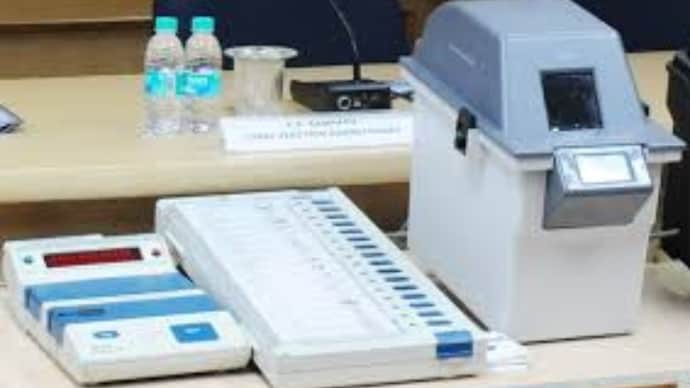
India’s vote counting process is a highly structured and transparent exercise conducted under the supervision of the Election Commission of India.From sealed machines to final results, every step follows strict rules to ensure accuracy and fairness.
STRONG SECURITY BEFORE COUNTING
After polling ends
EVMs (Electronic Voting Machines) are sealed in the presence of polling agents
-
Machines are transported to strong rooms under heavy security
- advertisement
CCTV surveillance and 24x7 monitoring is maintained
Candidates’ representatives can keep watch outside strong rooms
No machine is opened until counting day.
COUNTING DAY BEGINS EARLY
Counting usually starts at 8:00 AM
Counting centres are set up constituency-wise
Only authorised personnel and counting agents are allowed entry
The process begins simultaneously across the country for all seats.
FIRST STEP: POSTAL BALLOT COUNTING
Before EVMs are opened
Postal ballots are counted first
These include votes from:
Service voters (armed forces)
Government officials on duty
Senior citizens (where applicable)
These votes can influence early trends but usually form a small percentage.
SECOND STEP: EVM COUNTING BEGINS
Each EVM contains votes from a specific polling station
Machines are opened one by one in rounds
Each round includes multiple polling stations
Votes are displayed on the control unit and recorded officially.
ROLE OF COUNTING SUPERVISORS
At every table
A counting supervisor oversees the process
A micro-observer ensures compliance
Agents from political parties verify each round
This ensures transparency and reduces disputes.
ROUND-WISE COUNTING SYSTEM
Votes are counted in multiple rounds (depending on constituency size)
After each round:
Results are announced
Trends are updated publicly
Leads can change significantly between rounds.
VVPAT VERIFICATION
To ensure trust in EVMs:
VVPAT (Voter Verifiable Paper Audit Trail) slips are checked
Randomly selected polling stations (usually 5 per constituency) are verified
This cross-checks electronic results with paper records.
Read this: Election Results 2026: Key candidates to watch, State-wise
RESULT COMPILATION AND FINAL DECLARATION
After all rounds are completed:
Total votes are compiled
Candidate with highest votes is declared winner
The Returning Officer officially announces the result.
WHAT HAPPENS AFTER RESULTS
Winning candidates receive a certificate of election
Data is published on official Election Commission platforms
Political parties begin government formation if majority is achieved
Give it a read: Assembly Election Results 2026: Date, time, and full State-wise counting schedule
WHY THIS PROCESS IS TRUSTED
India’s counting system is considered reliable because:
Multiple layers of verification exist
Political party agents are present at every stage
Technology (EVM + VVPAT) adds transparency
Strict legal framework governs the process
From sealed EVMs to final declarations, India’s vote counting process is designed to be secure, transparent, and verifiable at every step ensuring that every vote truly counts.
India’s vote counting process is a highly structured and transparent exercise conducted under the supervision of the Election Commission of India.From sealed machines to final results, every step follows strict rules to ensure accuracy and fairness.
STRONG SECURITY BEFORE COUNTING
After polling ends
EVMs (Electronic Voting Machines) are sealed in the presence of polling agents
Machines are transported to strong rooms under heavy security
CCTV surveillance and 24x7 monitoring is maintained
Candidates’ representatives can keep watch outside strong rooms
No machine is opened until counting day.
COUNTING DAY BEGINS EARLY
Counting usually starts at 8:00 AM
Counting centres are set up constituency-wise
Only authorised personnel and counting agents are allowed entry
The process begins simultaneously across the country for all seats.
FIRST STEP: POSTAL BALLOT COUNTING
Before EVMs are opened
Postal ballots are counted first
These include votes from:
Service voters (armed forces)
Government officials on duty
Senior citizens (where applicable)
These votes can influence early trends but usually form a small percentage.
SECOND STEP: EVM COUNTING BEGINS
Each EVM contains votes from a specific polling station
Machines are opened one by one in rounds
Each round includes multiple polling stations
Votes are displayed on the control unit and recorded officially.
ROLE OF COUNTING SUPERVISORS
At every table
A counting supervisor oversees the process
A micro-observer ensures compliance
Agents from political parties verify each round
This ensures transparency and reduces disputes.
ROUND-WISE COUNTING SYSTEM
Votes are counted in multiple rounds (depending on constituency size)
After each round:
Results are announced
Trends are updated publicly
Leads can change significantly between rounds.
VVPAT VERIFICATION
To ensure trust in EVMs:
VVPAT (Voter Verifiable Paper Audit Trail) slips are checked
Randomly selected polling stations (usually 5 per constituency) are verified
This cross-checks electronic results with paper records.
Read this: Election Results 2026: Key candidates to watch, State-wise
RESULT COMPILATION AND FINAL DECLARATION
After all rounds are completed:
Total votes are compiled
Candidate with highest votes is declared winner
The Returning Officer officially announces the result.
WHAT HAPPENS AFTER RESULTS
Winning candidates receive a certificate of election
Data is published on official Election Commission platforms
Political parties begin government formation if majority is achieved
Give it a read: Assembly Election Results 2026: Date, time, and full State-wise counting schedule
WHY THIS PROCESS IS TRUSTED
India’s counting system is considered reliable because:
Multiple layers of verification exist
Political party agents are present at every stage
Technology (EVM + VVPAT) adds transparency
Strict legal framework governs the process
From sealed EVMs to final declarations, India’s vote counting process is designed to be secure, transparent, and verifiable at every step ensuring that every vote truly counts.

