Where were you in 2015?: Amaal Malik amid Tanishk Bagchi's Saiyaara earnings claim
Musician Amaal Mallik posted a cryptic message on social media amid Tanishk Bagchi's royalty dispute with YRF. The timing renewed discussion on fair pay and long-term rights for music creators.
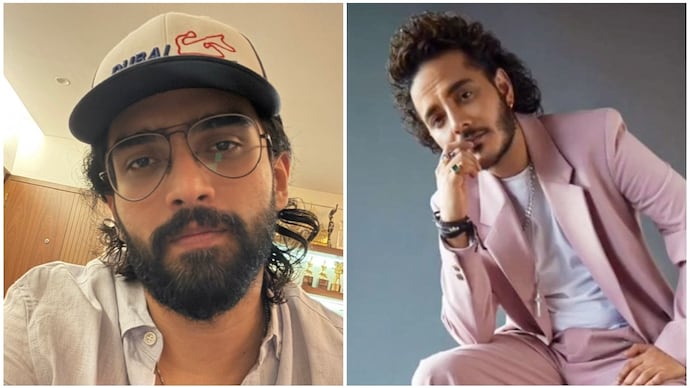
Composer-singer Amaal Mallik shared a cryptic social media post amid Tanishk Bagchi's dispute with Yash Raj Films (YRF) over the Saiyara title track. Without naming anyone, Amaal suggested that the industry is only now debating an issue he claims to have been raising for nearly a decade.
Sharing a selfie on X, Amaal reflected on what he described as his long-standing fight with the music industry. Suggesting that the conversation around artists' rights had come years too late, he wrote, "People in the music industry waking up 10 years too late. Where were you in 2015 when I was fighting the system alone :)"
Although the Bigg Boss 19 contestant did not explicitly mention Tanishk Bagchi or the Saiyaara dispute, the timing of his post has fuelled speculation, as the industry once again finds itself discussing royalty payments and fair compensation for music creators.
Tanishk Bagchi dispute
A disagreement surfaced between composer Tanishk Bagchi and Yash Raj Films (YRF) over royalty payments for the title track of Saiyaara. Tanishk claimed he had not received Rs 8 lakh in royalties for the song, while YRF maintained that all payments had been cleared in accordance with the terms agreed upon by all collaborators.
The issue came to light after Tanishk shared an Instagram note reflecting on his experience of creating the track. Although he later deleted the post, it sparked widespread discussion online.
In the now-deleted note, the composer said Saiyaara marked his first collaboration with YRF and revealed that he had put considerable effort into every aspect of the song's creation.
The title track was composed by Tanishk Bagchi along with Faheem Abdullah and Arslan Nizami, with lyrics by Irshad Kamil and vocals by Faheem Abdullah.
Yash Raj Films responded shortly after, clarifying that the royalties were being distributed equally among the three composers in accordance with the agreements signed by all parties. The studio also asserted that all collaborators had received their payments in line with the agreed terms and timelines.
Amaal Malik on music royalties
In March, Amaal Mallik had spoken at length about the challenges music creators continue to face over royalty payments in India. Referring to the royalty framework introduced in 2020 following lyricist Javed Akhtar's long-standing campaign, Amaal argued that while actors often receive most of the credit for a song's success, they are only one part of the creative process.
He emphasised that lyricists, composers, directors and singers all contribute significantly to a song, adding that those who create the music and lyrics deserve greater recognition and long-term rights.
Composer-singer Amaal Mallik shared a cryptic social media post amid Tanishk Bagchi's dispute with Yash Raj Films (YRF) over the Saiyara title track. Without naming anyone, Amaal suggested that the industry is only now debating an issue he claims to have been raising for nearly a decade.
Sharing a selfie on X, Amaal reflected on what he described as his long-standing fight with the music industry. Suggesting that the conversation around artists' rights had come years too late, he wrote, "People in the music industry waking up 10 years too late. Where were you in 2015 when I was fighting the system alone :)"
Although the Bigg Boss 19 contestant did not explicitly mention Tanishk Bagchi or the Saiyaara dispute, the timing of his post has fuelled speculation, as the industry once again finds itself discussing royalty payments and fair compensation for music creators.
Tanishk Bagchi dispute
A disagreement surfaced between composer Tanishk Bagchi and Yash Raj Films (YRF) over royalty payments for the title track of Saiyaara. Tanishk claimed he had not received Rs 8 lakh in royalties for the song, while YRF maintained that all payments had been cleared in accordance with the terms agreed upon by all collaborators.
The issue came to light after Tanishk shared an Instagram note reflecting on his experience of creating the track. Although he later deleted the post, it sparked widespread discussion online.
In the now-deleted note, the composer said Saiyaara marked his first collaboration with YRF and revealed that he had put considerable effort into every aspect of the song's creation.
The title track was composed by Tanishk Bagchi along with Faheem Abdullah and Arslan Nizami, with lyrics by Irshad Kamil and vocals by Faheem Abdullah.
Yash Raj Films responded shortly after, clarifying that the royalties were being distributed equally among the three composers in accordance with the agreements signed by all parties. The studio also asserted that all collaborators had received their payments in line with the agreed terms and timelines.
Amaal Malik on music royalties
In March, Amaal Mallik had spoken at length about the challenges music creators continue to face over royalty payments in India. Referring to the royalty framework introduced in 2020 following lyricist Javed Akhtar's long-standing campaign, Amaal argued that while actors often receive most of the credit for a song's success, they are only one part of the creative process.
He emphasised that lyricists, composers, directors and singers all contribute significantly to a song, adding that those who create the music and lyrics deserve greater recognition and long-term rights.
Composer-singer Amaal Mallik shared a cryptic social media post amid Tanishk Bagchi's dispute with Yash Raj Films (YRF) over the Saiyara title track. Without naming anyone, Amaal suggested that the industry is only now debating an issue he claims to have been raising for nearly a decade.
Sharing a selfie on X, Amaal reflected on what he described as his long-standing fight with the music industry. Suggesting that the conversation around artists' rights had come years too late, he wrote, "People in the music industry waking up 10 years too late. Where were you in 2015 when I was fighting the system alone :)"
Although the Bigg Boss 19 contestant did not explicitly mention Tanishk Bagchi or the Saiyaara dispute, the timing of his post has fuelled speculation, as the industry once again finds itself discussing royalty payments and fair compensation for music creators.
Tanishk Bagchi dispute
A disagreement surfaced between composer Tanishk Bagchi and Yash Raj Films (YRF) over royalty payments for the title track of Saiyaara. Tanishk claimed he had not received Rs 8 lakh in royalties for the song, while YRF maintained that all payments had been cleared in accordance with the terms agreed upon by all collaborators.
The issue came to light after Tanishk shared an Instagram note reflecting on his experience of creating the track. Although he later deleted the post, it sparked widespread discussion online.
In the now-deleted note, the composer said Saiyaara marked his first collaboration with YRF and revealed that he had put considerable effort into every aspect of the song's creation.
The title track was composed by Tanishk Bagchi along with Faheem Abdullah and Arslan Nizami, with lyrics by Irshad Kamil and vocals by Faheem Abdullah.
Yash Raj Films responded shortly after, clarifying that the royalties were being distributed equally among the three composers in accordance with the agreements signed by all parties. The studio also asserted that all collaborators had received their payments in line with the agreed terms and timelines.
Amaal Malik on music royalties
In March, Amaal Mallik had spoken at length about the challenges music creators continue to face over royalty payments in India. Referring to the royalty framework introduced in 2020 following lyricist Javed Akhtar's long-standing campaign, Amaal argued that while actors often receive most of the credit for a song's success, they are only one part of the creative process.
He emphasised that lyricists, composers, directors and singers all contribute significantly to a song, adding that those who create the music and lyrics deserve greater recognition and long-term rights.

