Air pollution during monsoon: Dirty air after rains becoming India's big lung cancer risk
More Indians who have never smoked are being diagnosed with lung cancer, raising fresh concerns about the long-term impact of polluted air. While smoking remains the biggest risk, experts say improving air quality has become a public health priority.
For decades, lung cancer was seen as a disease that mainly affected smokers. Doctors would routinely ask patients about their smoking history because tobacco was considered the single biggest cause of the disease. While that remains true, a worrying trend is now emerging in India and across the world: an increasing number of people who have never smoked are being diagnosed with lung cancer.
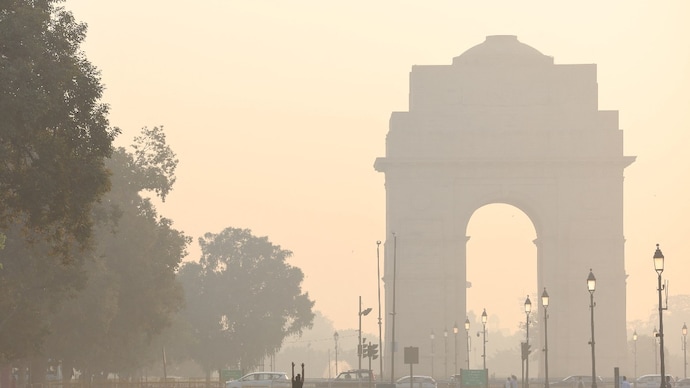
This shift has prompted researchers and oncologists to look beyond cigarettes. Air pollution, both outdoors and indoors, is now under greater scrutiny. India's rapidly growing cities, heavy traffic, industrial emissions, crop burning, construction dust, and the widespread use of biomass fuels for cooking in many homes expose millions of people to polluted air every day.
The question being asked is simple but important: Could air pollution become the new tobacco when it comes to lung cancer?
Doctors say the answer is not straightforward. Smoking is still far more dangerous for an individual, but constant exposure to polluted air is becoming an increasingly important risk factor, especially for people who have never smoked. Since almost everyone breathes polluted air, even a smaller individual risk can translate into a large number of cases across the population.
SMOKING REMAINS THE BIGGEST RISK
According to Dr. Aseem Kumar Samar, Director – Medical Oncology, CK Birla Hospitals Jaipur, tobacco continues to be the strongest preventable cause of lung cancer.
"Tobacco smoke contains thousands of harmful chemicals, many of which directly damage the cells lining the lungs. This repeated injury can lead to genetic changes that eventually develop into cancer," he explains.
Smoking also exposes people to much higher concentrations of cancer-causing substances than air pollution. This is why doctors continue to stress that quitting tobacco is the most effective way to reduce an individual's risk of lung cancer.
WHY AIR POLLUTION IS NOW A GROWING CONCERN
Although air pollution may not be as harmful as smoking on an individual level, its impact cannot be ignored.
Tiny particles known as PM2.5, along with toxic gases and other pollutants, can travel deep into the lungs. Over many years of exposure, these pollutants trigger chronic inflammation, oxidative stress, and cellular damage. This long-term injury may increase the likelihood of developing lung cancer.
Unlike smoking, where the risk is concentrated among smokers, air pollution affects entire communities. People living in polluted cities, working in high-exposure occupations, or spending years breathing contaminated air may all be at increased risk.
The health effects usually develop slowly and may take years or even decades to appear.
WHY MORE NON-SMOKERS ARE DEVELOPING LUNG CANCER
Doctors are increasingly seeing lung cancer in people who have never smoked, particularly among women and younger adults.
Dr. Samar says this trend is likely linked to multiple environmental and lifestyle factors rather than a single cause.
These include:
Outdoor air pollution
Indoor smoke from biomass fuels such as wood, coal, and cow dung
Passive smoking
Occupational exposure to harmful chemicals and dust
Long-term exposure to environmental pollutants
The increase in cases among non-smokers shows that lung cancer is no longer only a smoker's disease.
AIR POLLUTION IS NOT "THE NEW TOBACCO"—BUT IT IS A SERIOUS THREAT
Experts caution against comparing air pollution and smoking as though they carry the same level of risk.
Smoking remains several times more dangerous for an individual and is responsible for most preventable lung cancer cases.
However, because nearly everyone is exposed to polluted air, the overall impact on public health is becoming increasingly significant.
Improving air quality could prevent many future cases, particularly among people who have never smoked.
WHAT CAN YOU DO TO LOWER YOUR RISK?
While individuals cannot completely avoid polluted air, they can reduce their overall risk by making healthy choices.
Doctors recommend:
Never start smoking and quit if you currently smoke.
Avoid second-hand smoke whenever possible.
Use clean cooking fuels instead of biomass fuels.
Wear well-fitted masks during periods of severe air pollution if exposure cannot be avoided.
Improve indoor ventilation.
Follow local air quality updates and limit outdoor activity when pollution levels are very high.
Support cleaner environmental practices and pollution-control measures.
SYMPTOMS THAT SHOULD NEVER BE IGNORED
Early diagnosis can significantly improve treatment outcomes.
Dr. Samar advises seeking medical attention if you experience:
A cough lasting more than three weeks
Coughing up blood
Unexplained weight loss
Persistent chest pain
Shortness of breath
Repeated chest infections
Many people dismiss these symptoms as a lingering infection or seasonal illness. However, when they persist, medical evaluation is essential.
EARLY DETECTION CAN SAVE LIVES
Lung cancer often does not cause obvious symptoms in its early stages, which is why many patients are diagnosed only after the disease has advanced.
Recognising warning signs early and consulting a doctor without delay can improve the chances of successful treatment.
At the same time, preventing exposure to known risk factors remains equally important.
India's lung cancer landscape is changing. Smoking continues to be the leading and most preventable cause of the disease, but air pollution is emerging as an important contributor, especially among people who have never smoked.
As cities continue to battle poor air quality, experts say protecting lung health will require action at both the individual and policy level. Quitting tobacco remains the single most effective step anyone can take, but cleaner air, safer cooking fuels, reduced environmental pollution, and greater public awareness will all play an important role in reducing the future burden of lung cancer in India.
For decades, lung cancer was seen as a disease that mainly affected smokers. Doctors would routinely ask patients about their smoking history because tobacco was considered the single biggest cause of the disease. While that remains true, a worrying trend is now emerging in India and across the world: an increasing number of people who have never smoked are being diagnosed with lung cancer.
This shift has prompted researchers and oncologists to look beyond cigarettes. Air pollution, both outdoors and indoors, is now under greater scrutiny. India's rapidly growing cities, heavy traffic, industrial emissions, crop burning, construction dust, and the widespread use of biomass fuels for cooking in many homes expose millions of people to polluted air every day.
The question being asked is simple but important: Could air pollution become the new tobacco when it comes to lung cancer?
Doctors say the answer is not straightforward. Smoking is still far more dangerous for an individual, but constant exposure to polluted air is becoming an increasingly important risk factor, especially for people who have never smoked. Since almost everyone breathes polluted air, even a smaller individual risk can translate into a large number of cases across the population.
SMOKING REMAINS THE BIGGEST RISK
According to Dr. Aseem Kumar Samar, Director – Medical Oncology, CK Birla Hospitals Jaipur, tobacco continues to be the strongest preventable cause of lung cancer.
"Tobacco smoke contains thousands of harmful chemicals, many of which directly damage the cells lining the lungs. This repeated injury can lead to genetic changes that eventually develop into cancer," he explains.
Smoking also exposes people to much higher concentrations of cancer-causing substances than air pollution. This is why doctors continue to stress that quitting tobacco is the most effective way to reduce an individual's risk of lung cancer.
WHY AIR POLLUTION IS NOW A GROWING CONCERN
Although air pollution may not be as harmful as smoking on an individual level, its impact cannot be ignored.
Tiny particles known as PM2.5, along with toxic gases and other pollutants, can travel deep into the lungs. Over many years of exposure, these pollutants trigger chronic inflammation, oxidative stress, and cellular damage. This long-term injury may increase the likelihood of developing lung cancer.
Unlike smoking, where the risk is concentrated among smokers, air pollution affects entire communities. People living in polluted cities, working in high-exposure occupations, or spending years breathing contaminated air may all be at increased risk.
The health effects usually develop slowly and may take years or even decades to appear.
WHY MORE NON-SMOKERS ARE DEVELOPING LUNG CANCER
Doctors are increasingly seeing lung cancer in people who have never smoked, particularly among women and younger adults.
Dr. Samar says this trend is likely linked to multiple environmental and lifestyle factors rather than a single cause.
These include:
Outdoor air pollution
Indoor smoke from biomass fuels such as wood, coal, and cow dung
Passive smoking
Occupational exposure to harmful chemicals and dust
Long-term exposure to environmental pollutants
The increase in cases among non-smokers shows that lung cancer is no longer only a smoker's disease.
AIR POLLUTION IS NOT "THE NEW TOBACCO"—BUT IT IS A SERIOUS THREAT
Experts caution against comparing air pollution and smoking as though they carry the same level of risk.
Smoking remains several times more dangerous for an individual and is responsible for most preventable lung cancer cases.
However, because nearly everyone is exposed to polluted air, the overall impact on public health is becoming increasingly significant.
Improving air quality could prevent many future cases, particularly among people who have never smoked.
WHAT CAN YOU DO TO LOWER YOUR RISK?
While individuals cannot completely avoid polluted air, they can reduce their overall risk by making healthy choices.
Doctors recommend:
Never start smoking and quit if you currently smoke.
Avoid second-hand smoke whenever possible.
Use clean cooking fuels instead of biomass fuels.
Wear well-fitted masks during periods of severe air pollution if exposure cannot be avoided.
Improve indoor ventilation.
Follow local air quality updates and limit outdoor activity when pollution levels are very high.
Support cleaner environmental practices and pollution-control measures.
SYMPTOMS THAT SHOULD NEVER BE IGNORED
Early diagnosis can significantly improve treatment outcomes.
Dr. Samar advises seeking medical attention if you experience:
A cough lasting more than three weeks
Coughing up blood
Unexplained weight loss
Persistent chest pain
Shortness of breath
Repeated chest infections
Many people dismiss these symptoms as a lingering infection or seasonal illness. However, when they persist, medical evaluation is essential.
EARLY DETECTION CAN SAVE LIVES
Lung cancer often does not cause obvious symptoms in its early stages, which is why many patients are diagnosed only after the disease has advanced.
Recognising warning signs early and consulting a doctor without delay can improve the chances of successful treatment.
At the same time, preventing exposure to known risk factors remains equally important.
India's lung cancer landscape is changing. Smoking continues to be the leading and most preventable cause of the disease, but air pollution is emerging as an important contributor, especially among people who have never smoked.
As cities continue to battle poor air quality, experts say protecting lung health will require action at both the individual and policy level. Quitting tobacco remains the single most effective step anyone can take, but cleaner air, safer cooking fuels, reduced environmental pollution, and greater public awareness will all play an important role in reducing the future burden of lung cancer in India.
For decades, lung cancer was seen as a disease that mainly affected smokers. Doctors would routinely ask patients about their smoking history because tobacco was considered the single biggest cause of the disease. While that remains true, a worrying trend is now emerging in India and across the world: an increasing number of people who have never smoked are being diagnosed with lung cancer.
This shift has prompted researchers and oncologists to look beyond cigarettes. Air pollution, both outdoors and indoors, is now under greater scrutiny. India's rapidly growing cities, heavy traffic, industrial emissions, crop burning, construction dust, and the widespread use of biomass fuels for cooking in many homes expose millions of people to polluted air every day.
The question being asked is simple but important: Could air pollution become the new tobacco when it comes to lung cancer?
Doctors say the answer is not straightforward. Smoking is still far more dangerous for an individual, but constant exposure to polluted air is becoming an increasingly important risk factor, especially for people who have never smoked. Since almost everyone breathes polluted air, even a smaller individual risk can translate into a large number of cases across the population.
SMOKING REMAINS THE BIGGEST RISK
According to Dr. Aseem Kumar Samar, Director – Medical Oncology, CK Birla Hospitals Jaipur, tobacco continues to be the strongest preventable cause of lung cancer.
"Tobacco smoke contains thousands of harmful chemicals, many of which directly damage the cells lining the lungs. This repeated injury can lead to genetic changes that eventually develop into cancer," he explains.
Smoking also exposes people to much higher concentrations of cancer-causing substances than air pollution. This is why doctors continue to stress that quitting tobacco is the most effective way to reduce an individual's risk of lung cancer.
WHY AIR POLLUTION IS NOW A GROWING CONCERN
Although air pollution may not be as harmful as smoking on an individual level, its impact cannot be ignored.
Tiny particles known as PM2.5, along with toxic gases and other pollutants, can travel deep into the lungs. Over many years of exposure, these pollutants trigger chronic inflammation, oxidative stress, and cellular damage. This long-term injury may increase the likelihood of developing lung cancer.
Unlike smoking, where the risk is concentrated among smokers, air pollution affects entire communities. People living in polluted cities, working in high-exposure occupations, or spending years breathing contaminated air may all be at increased risk.
The health effects usually develop slowly and may take years or even decades to appear.
WHY MORE NON-SMOKERS ARE DEVELOPING LUNG CANCER
Doctors are increasingly seeing lung cancer in people who have never smoked, particularly among women and younger adults.
Dr. Samar says this trend is likely linked to multiple environmental and lifestyle factors rather than a single cause.
These include:
Outdoor air pollution
Indoor smoke from biomass fuels such as wood, coal, and cow dung
Passive smoking
Occupational exposure to harmful chemicals and dust
Long-term exposure to environmental pollutants
The increase in cases among non-smokers shows that lung cancer is no longer only a smoker's disease.
AIR POLLUTION IS NOT "THE NEW TOBACCO"—BUT IT IS A SERIOUS THREAT
Experts caution against comparing air pollution and smoking as though they carry the same level of risk.
Smoking remains several times more dangerous for an individual and is responsible for most preventable lung cancer cases.
However, because nearly everyone is exposed to polluted air, the overall impact on public health is becoming increasingly significant.
Improving air quality could prevent many future cases, particularly among people who have never smoked.
WHAT CAN YOU DO TO LOWER YOUR RISK?
While individuals cannot completely avoid polluted air, they can reduce their overall risk by making healthy choices.
Doctors recommend:
Never start smoking and quit if you currently smoke.
Avoid second-hand smoke whenever possible.
Use clean cooking fuels instead of biomass fuels.
Wear well-fitted masks during periods of severe air pollution if exposure cannot be avoided.
Improve indoor ventilation.
Follow local air quality updates and limit outdoor activity when pollution levels are very high.
Support cleaner environmental practices and pollution-control measures.
SYMPTOMS THAT SHOULD NEVER BE IGNORED
Early diagnosis can significantly improve treatment outcomes.
Dr. Samar advises seeking medical attention if you experience:
A cough lasting more than three weeks
Coughing up blood
Unexplained weight loss
Persistent chest pain
Shortness of breath
Repeated chest infections
Many people dismiss these symptoms as a lingering infection or seasonal illness. However, when they persist, medical evaluation is essential.
EARLY DETECTION CAN SAVE LIVES
Lung cancer often does not cause obvious symptoms in its early stages, which is why many patients are diagnosed only after the disease has advanced.
Recognising warning signs early and consulting a doctor without delay can improve the chances of successful treatment.
At the same time, preventing exposure to known risk factors remains equally important.
India's lung cancer landscape is changing. Smoking continues to be the leading and most preventable cause of the disease, but air pollution is emerging as an important contributor, especially among people who have never smoked.
As cities continue to battle poor air quality, experts say protecting lung health will require action at both the individual and policy level. Quitting tobacco remains the single most effective step anyone can take, but cleaner air, safer cooking fuels, reduced environmental pollution, and greater public awareness will all play an important role in reducing the future burden of lung cancer in India.

