J&J's multi-billion-dollar lawsuit: Did India see cancer claims? Is talc banned?
While Johnson & Johnson's talc-based baby powder sparked massive litigation in the US, the story in India has largely revolved around regulatory scrutiny, court battles over manufacturing, and safety concerns, not large-scale patient compensation claims.
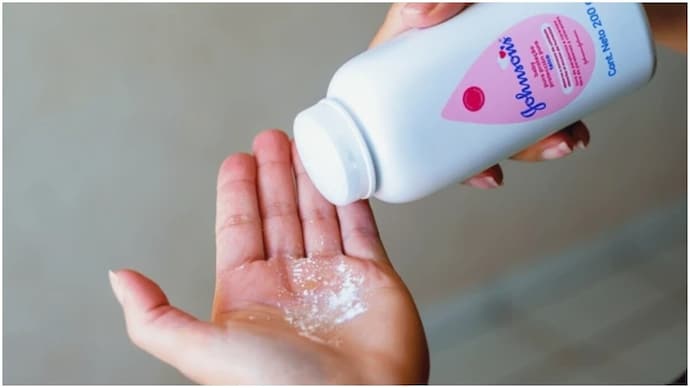
For decades, Johnson & Johnson's baby powder has been one of the most recognisable baby-care products in Indian households. Marketed as a gentle skincare essential, it became a staple for generations of parents.
However, the product has also found itself at the centre of a global controversy over whether talc-based powders could be contaminated with asbestos, a known carcinogen and whether prolonged use increases the risk of certain cancers.
While the controversy exploded in the United States, leading to tens of thousands of lawsuits and multibillion-dollar settlement proposals, India's experience has been markedly different. Here, the issue has primarily played out through regulatory action, laboratory testing, and court proceedings over manufacturing standards rather than mass personal injury litigation.
There is no verified public record of thousands of Indian patients filing claims or a nationwide compensation case comparable to the US. Instead, the Indian story centres on how regulators, courts, and the company responded to concerns over product quality and safety.
THE BILLION-DOLLAR US LAWSUITS
While India's case centred on regulatory scrutiny, the controversy became one of the biggest product liability battles in US history. Over the years, tens of thousands of women sued Johnson & Johnson, alleging that long-term use of its talc-based baby powder caused ovarian cancer or mesothelioma due to asbestos contamination.
The company has consistently denied these allegations, maintaining that its talc products are safe and asbestos-free. Several US juries awarded multimillion- and multibillion-dollar verdicts to plaintiffs, although some of these awards were later reduced or overturned on appeal. In an effort to resolve the litigation, Johnson & Johnson proposed a settlement worth nearly $10 billion to settle the majority of ovarian cancer claims.
However, the proposal faced legal hurdles after US courts rejected the company's bankruptcy-based settlement strategy. The litigation remains one of the costliest product liability disputes involving a consumer healthcare product.
WHAT HAPPENED IN INDIA?
The most significant development came in 2022 when Maharashtra's Food and Drug Administration (FDA) cancelled Johnson & Johnson's manufacturing licence for baby powder produced at its Mulund facility after a government laboratory declared samples to be "not of standard quality."
The regulator also ordered the company to stop manufacturing and selling the product.
Johnson & Johnson challenged the decision before the Bombay High Court, arguing that the testing process was flawed and that the laboratory findings were unreliable.
In January 2023, the Bombay High Court set aside the FDA's order, allowing the company to continue manufacturing and selling the baby powder after finding shortcomings in the regulatory action.
The case became India's most significant legal battle involving the product.
WAS THE PRODUCT INVESTIGATED NATIONALLY?
Yes.
As international concerns over talc and asbestos contamination grew, India's drug regulator sought details about the composition of Johnson's baby powder sold in the country.
The scrutiny intensified after Johnson & Johnson announced it would discontinue talc-based baby powder in several international markets and transition to a cornstarch-based formulation globally.
However, reports at the time indicated that talc-based baby powder continued to remain available in India while regulators monitored the situation.
DID ANY INDIAN COURT HEAR THE MATTER?
Yes.
The principal case was Johnson & Johnson Pvt Ltd vs State of Maharashtra before the Bombay High Court.
Unlike litigation in the United States, the Indian proceedings did not focus on whether the powder caused cancer in thousands of consumers.
Instead, the dispute centred on:
- cancellation of the manufacturing licence,
- laboratory testing procedures,
- manufacturing standards,
- and whether the regulator had followed due process.
The High Court ultimately ruled in favour of the company by quashing the Maharashtra FDA's order.
WERE THERE LARGE COMPENSATION CASES IN INDIA?
No verified evidence suggests that India witnessed litigation on the scale seen in the United States.
Unlike the US, where tens of thousands of women alleged that prolonged use of talc-based products contributed to ovarian cancer or mesothelioma, India has no publicly documented nationwide wave of personal injury lawsuits or mass compensation claims linked to Johnson's Baby Powder.
The available public record instead points to:
- regulatory investigations,
- manufacturing disputes,
- court challenges,
- and consumer safety concerns.
HOW MANY PUBLIC INTEREST LITIGATIONS (PILS) WERE FILED?
There is no verified official figure on the number of PILs filed specifically against Johnson's talcum powder in India.
Publicly available court records and media reports discuss petitions and regulatory litigation but do not provide a confirmed nationwide count of PILs.
HOW MANY CONFIRMED INDIAN PATIENTS?
There is no official government database, medical registry, or court record establishing a confirmed number of Indian patients who developed disease because of Johnson's talcum powder.
Although concerns have been raised over the years and the product has undergone regulatory scrutiny, no verified nationwide patient count has been made public.
This distinguishes India from the United States, where large numbers of lawsuits have been filed alleging harm from talc-based products.
HERE'S WHAT WE KNOW:
Q: Is Johnson's baby powder banned in India?
No. There has been no nationwide ban on the product.
Q: Did India find asbestos in the powder?
Regulators investigated quality concerns and sought information on the product's composition. However, there is no official nationwide finding establishing widespread asbestos contamination in products sold across India.
Q: Why is the US controversy much bigger?
The US saw extensive personal injury litigation involving tens of thousands of claimants, while India's legal proceedings largely focused on regulatory compliance and manufacturing standards.
Q: Are there thousands of Indian patients linked to the product?
No verified public data support such a claim.
Q: Can people still buy Johnson's baby powder in India?
Product availability has changed over time depending on company decisions and formulation changes, but India has not seen a nationwide judicial ban comparable to the US litigation.
For decades, Johnson & Johnson's baby powder has been one of the most recognisable baby-care products in Indian households. Marketed as a gentle skincare essential, it became a staple for generations of parents.
However, the product has also found itself at the centre of a global controversy over whether talc-based powders could be contaminated with asbestos, a known carcinogen and whether prolonged use increases the risk of certain cancers.
While the controversy exploded in the United States, leading to tens of thousands of lawsuits and multibillion-dollar settlement proposals, India's experience has been markedly different. Here, the issue has primarily played out through regulatory action, laboratory testing, and court proceedings over manufacturing standards rather than mass personal injury litigation.
There is no verified public record of thousands of Indian patients filing claims or a nationwide compensation case comparable to the US. Instead, the Indian story centres on how regulators, courts, and the company responded to concerns over product quality and safety.
THE BILLION-DOLLAR US LAWSUITS
While India's case centred on regulatory scrutiny, the controversy became one of the biggest product liability battles in US history. Over the years, tens of thousands of women sued Johnson & Johnson, alleging that long-term use of its talc-based baby powder caused ovarian cancer or mesothelioma due to asbestos contamination.
The company has consistently denied these allegations, maintaining that its talc products are safe and asbestos-free. Several US juries awarded multimillion- and multibillion-dollar verdicts to plaintiffs, although some of these awards were later reduced or overturned on appeal. In an effort to resolve the litigation, Johnson & Johnson proposed a settlement worth nearly $10 billion to settle the majority of ovarian cancer claims.
However, the proposal faced legal hurdles after US courts rejected the company's bankruptcy-based settlement strategy. The litigation remains one of the costliest product liability disputes involving a consumer healthcare product.
WHAT HAPPENED IN INDIA?
The most significant development came in 2022 when Maharashtra's Food and Drug Administration (FDA) cancelled Johnson & Johnson's manufacturing licence for baby powder produced at its Mulund facility after a government laboratory declared samples to be "not of standard quality."
The regulator also ordered the company to stop manufacturing and selling the product.
Johnson & Johnson challenged the decision before the Bombay High Court, arguing that the testing process was flawed and that the laboratory findings were unreliable.
In January 2023, the Bombay High Court set aside the FDA's order, allowing the company to continue manufacturing and selling the baby powder after finding shortcomings in the regulatory action.
The case became India's most significant legal battle involving the product.
WAS THE PRODUCT INVESTIGATED NATIONALLY?
Yes.
As international concerns over talc and asbestos contamination grew, India's drug regulator sought details about the composition of Johnson's baby powder sold in the country.
The scrutiny intensified after Johnson & Johnson announced it would discontinue talc-based baby powder in several international markets and transition to a cornstarch-based formulation globally.
However, reports at the time indicated that talc-based baby powder continued to remain available in India while regulators monitored the situation.
DID ANY INDIAN COURT HEAR THE MATTER?
Yes.
The principal case was Johnson & Johnson Pvt Ltd vs State of Maharashtra before the Bombay High Court.
Unlike litigation in the United States, the Indian proceedings did not focus on whether the powder caused cancer in thousands of consumers.
Instead, the dispute centred on:
- cancellation of the manufacturing licence,
- laboratory testing procedures,
- manufacturing standards,
- and whether the regulator had followed due process.
The High Court ultimately ruled in favour of the company by quashing the Maharashtra FDA's order.
WERE THERE LARGE COMPENSATION CASES IN INDIA?
No verified evidence suggests that India witnessed litigation on the scale seen in the United States.
Unlike the US, where tens of thousands of women alleged that prolonged use of talc-based products contributed to ovarian cancer or mesothelioma, India has no publicly documented nationwide wave of personal injury lawsuits or mass compensation claims linked to Johnson's Baby Powder.
The available public record instead points to:
- regulatory investigations,
- manufacturing disputes,
- court challenges,
- and consumer safety concerns.
HOW MANY PUBLIC INTEREST LITIGATIONS (PILS) WERE FILED?
There is no verified official figure on the number of PILs filed specifically against Johnson's talcum powder in India.
Publicly available court records and media reports discuss petitions and regulatory litigation but do not provide a confirmed nationwide count of PILs.
HOW MANY CONFIRMED INDIAN PATIENTS?
There is no official government database, medical registry, or court record establishing a confirmed number of Indian patients who developed disease because of Johnson's talcum powder.
Although concerns have been raised over the years and the product has undergone regulatory scrutiny, no verified nationwide patient count has been made public.
This distinguishes India from the United States, where large numbers of lawsuits have been filed alleging harm from talc-based products.
HERE'S WHAT WE KNOW:
Q: Is Johnson's baby powder banned in India?
No. There has been no nationwide ban on the product.
Q: Did India find asbestos in the powder?
Regulators investigated quality concerns and sought information on the product's composition. However, there is no official nationwide finding establishing widespread asbestos contamination in products sold across India.
Q: Why is the US controversy much bigger?
The US saw extensive personal injury litigation involving tens of thousands of claimants, while India's legal proceedings largely focused on regulatory compliance and manufacturing standards.
Q: Are there thousands of Indian patients linked to the product?
No verified public data support such a claim.
Q: Can people still buy Johnson's baby powder in India?
Product availability has changed over time depending on company decisions and formulation changes, but India has not seen a nationwide judicial ban comparable to the US litigation.
For decades, Johnson & Johnson's baby powder has been one of the most recognisable baby-care products in Indian households. Marketed as a gentle skincare essential, it became a staple for generations of parents.
However, the product has also found itself at the centre of a global controversy over whether talc-based powders could be contaminated with asbestos, a known carcinogen and whether prolonged use increases the risk of certain cancers.
While the controversy exploded in the United States, leading to tens of thousands of lawsuits and multibillion-dollar settlement proposals, India's experience has been markedly different. Here, the issue has primarily played out through regulatory action, laboratory testing, and court proceedings over manufacturing standards rather than mass personal injury litigation.
There is no verified public record of thousands of Indian patients filing claims or a nationwide compensation case comparable to the US. Instead, the Indian story centres on how regulators, courts, and the company responded to concerns over product quality and safety.
THE BILLION-DOLLAR US LAWSUITS
While India's case centred on regulatory scrutiny, the controversy became one of the biggest product liability battles in US history. Over the years, tens of thousands of women sued Johnson & Johnson, alleging that long-term use of its talc-based baby powder caused ovarian cancer or mesothelioma due to asbestos contamination.
The company has consistently denied these allegations, maintaining that its talc products are safe and asbestos-free. Several US juries awarded multimillion- and multibillion-dollar verdicts to plaintiffs, although some of these awards were later reduced or overturned on appeal. In an effort to resolve the litigation, Johnson & Johnson proposed a settlement worth nearly $10 billion to settle the majority of ovarian cancer claims.
However, the proposal faced legal hurdles after US courts rejected the company's bankruptcy-based settlement strategy. The litigation remains one of the costliest product liability disputes involving a consumer healthcare product.
WHAT HAPPENED IN INDIA?
The most significant development came in 2022 when Maharashtra's Food and Drug Administration (FDA) cancelled Johnson & Johnson's manufacturing licence for baby powder produced at its Mulund facility after a government laboratory declared samples to be "not of standard quality."
The regulator also ordered the company to stop manufacturing and selling the product.
Johnson & Johnson challenged the decision before the Bombay High Court, arguing that the testing process was flawed and that the laboratory findings were unreliable.
In January 2023, the Bombay High Court set aside the FDA's order, allowing the company to continue manufacturing and selling the baby powder after finding shortcomings in the regulatory action.
The case became India's most significant legal battle involving the product.
WAS THE PRODUCT INVESTIGATED NATIONALLY?
Yes.
As international concerns over talc and asbestos contamination grew, India's drug regulator sought details about the composition of Johnson's baby powder sold in the country.
The scrutiny intensified after Johnson & Johnson announced it would discontinue talc-based baby powder in several international markets and transition to a cornstarch-based formulation globally.
However, reports at the time indicated that talc-based baby powder continued to remain available in India while regulators monitored the situation.
DID ANY INDIAN COURT HEAR THE MATTER?
Yes.
The principal case was Johnson & Johnson Pvt Ltd vs State of Maharashtra before the Bombay High Court.
Unlike litigation in the United States, the Indian proceedings did not focus on whether the powder caused cancer in thousands of consumers.
Instead, the dispute centred on:
- cancellation of the manufacturing licence,
- laboratory testing procedures,
- manufacturing standards,
- and whether the regulator had followed due process.
The High Court ultimately ruled in favour of the company by quashing the Maharashtra FDA's order.
WERE THERE LARGE COMPENSATION CASES IN INDIA?
No verified evidence suggests that India witnessed litigation on the scale seen in the United States.
Unlike the US, where tens of thousands of women alleged that prolonged use of talc-based products contributed to ovarian cancer or mesothelioma, India has no publicly documented nationwide wave of personal injury lawsuits or mass compensation claims linked to Johnson's Baby Powder.
The available public record instead points to:
- regulatory investigations,
- manufacturing disputes,
- court challenges,
- and consumer safety concerns.
HOW MANY PUBLIC INTEREST LITIGATIONS (PILS) WERE FILED?
There is no verified official figure on the number of PILs filed specifically against Johnson's talcum powder in India.
Publicly available court records and media reports discuss petitions and regulatory litigation but do not provide a confirmed nationwide count of PILs.
HOW MANY CONFIRMED INDIAN PATIENTS?
There is no official government database, medical registry, or court record establishing a confirmed number of Indian patients who developed disease because of Johnson's talcum powder.
Although concerns have been raised over the years and the product has undergone regulatory scrutiny, no verified nationwide patient count has been made public.
This distinguishes India from the United States, where large numbers of lawsuits have been filed alleging harm from talc-based products.
HERE'S WHAT WE KNOW:
Q: Is Johnson's baby powder banned in India?
No. There has been no nationwide ban on the product.
Q: Did India find asbestos in the powder?
Regulators investigated quality concerns and sought information on the product's composition. However, there is no official nationwide finding establishing widespread asbestos contamination in products sold across India.
Q: Why is the US controversy much bigger?
The US saw extensive personal injury litigation involving tens of thousands of claimants, while India's legal proceedings largely focused on regulatory compliance and manufacturing standards.
Q: Are there thousands of Indian patients linked to the product?
No verified public data support such a claim.
Q: Can people still buy Johnson's baby powder in India?
Product availability has changed over time depending on company decisions and formulation changes, but India has not seen a nationwide judicial ban comparable to the US litigation.

