US Cyclospora outbreak: What is fresh produce and why eating raw foods can be risky
The recent Cyclospora outbreak in the United States has raised fresh concerns about the safety of raw fruits and vegetables. Experts say you don't need to avoid fresh produce altogether, but you should handle and prepare it safely.
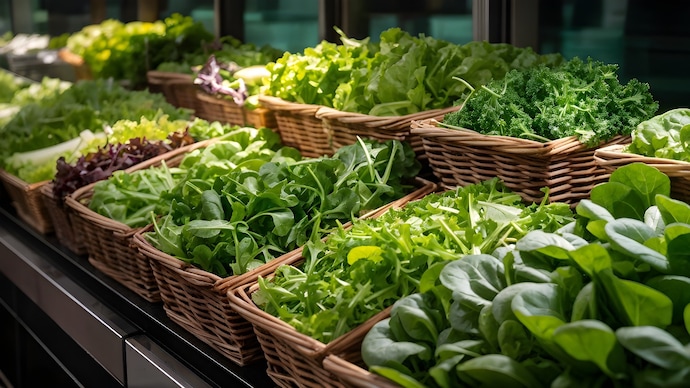
A fresh salad, a bowl of berries, or sliced cucumbers may seem like some of the healthiest foods you can eat. However, the recent Cyclospora outbreak in the United States has highlighted an important food safety issue: even healthy foods can become contaminated before they reach your plate.
Health authorities are investigating the outbreak after lettuce emerged as a possible source of infection. While the investigation is still ongoing, experts say the incident is a reminder that raw fruits and vegetables require proper handling, washing, and storage to reduce the risk of foodborne illnesses.
The good news is that there is no need to stop eating fruits and vegetables. Instead, understanding what "fresh produce" means and following a few simple hygiene practices can go a long way in protecting yourself and your family.
WHAT IS FRESH PRODUCE?
Fresh produce refers to fruits and vegetables that are sold fresh and are often eaten raw or with very little cooking. These foods are rich in vitamins, minerals, antioxidants and fibre, making them an important part of a healthy diet.
According to Dt. Divya Jain, Senior Dietitian at CK Birla Hospitals, Jaipur, fresh produce includes:
- Lettuce
- Spinach
- Cabbage
- Coriander
- Mint
- Tomatoes
- Cucumbers
- Berries
- Other salad vegetables and herbs
"These foods are packed with nutrition, since we often eat them raw, they do not receive the necessary heat treatment that can help get rid of harmful microorganisms," she explains.
WHY CAN FRESH PRODUCE BECOME CONTAMINATED?
Unlike foods that are cooked before eating, raw fruits and vegetables do not undergo heating that can kill parasites, bacteria or viruses.
Cyclospora is a microscopic parasite that can contaminate produce through:
- Contaminated irrigation or washing water
- Poor hygiene during harvesting
- Improper handling while packaging
- Contamination during transportation or storage
Because the parasite is invisible to the naked eye, a fruit or vegetable may look perfectly fresh and clean while still carrying the infection.
SHOULD YOU STOP EATING RAW FRUITS AND VEGETABLES?
The answer is no.
Experts stress that fresh fruits and vegetables remain an essential part of a balanced diet. The focus should be on making them safer to eat rather than avoiding them altogether.
"People should not stop eating fruits and vegetables. The emphasis should be on food safety," says Divya Jain.
HOW CAN YOU REDUCE THE RISK?
Simple food safety practices can significantly lower the chances of infection.
1. Wash produce thoroughly
Always wash fruits and vegetables under clean running water before eating, peeling or cutting them.
2. Peel when possible
Removing the outer skin of fruits like mangoes, oranges and melons can reduce contamination on the surface.
3. Cook whenever possible
Cooking destroys many disease-causing organisms. During an outbreak, eating cooked vegetables instead of raw salads may be a safer choice.
4. Try blanching
Blanching involves placing vegetables or fruits in boiling water for a short time and then immediately transferring them to ice-cold water. This process helps reduce the risk of foodborne illnesses while preserving much of the food's texture and nutrients.
5. Store food properly
Keep fruits and vegetables refrigerated when needed and avoid leaving cut produce at room temperature for long periods.
6. Be cautious with ready-to-eat salads
Avoid pre-cut fruits or packaged salads from sources where proper storage and hygiene are uncertain.
WHO IS AT GREATER RISK?
Although anyone can get infected, some people are more likely to develop severe illnesses.
These include:
- Pregnant women
- Young children
- Older adults
- People with weakened immune systems
For these groups, experts recommend being extra careful with food hygiene and choosing cooked foods whenever possible during outbreaks.
WHAT ARE THE SYMPTOMS OF CYCLOSPORA INFECTION?
Symptoms usually affect the digestive system and may appear several days after consuming contaminated food.
Common symptoms include:
- Watery diarrhoea
- Stomach cramps
- Nausea
- Loss of appetite
- Fatigue
- Bloating
- Weight loss in prolonged cases
"If diarrhoea lasts longer than usual, or you develop persistent abdominal discomfort, nausea or extreme tiredness after eating raw foods, seek medical attention," Divya Jain advises.
FOOD SAFETY IS JUST AS IMPORTANT AS HEALTHY EATING
The Cyclospora outbreak serves as a reminder that healthy eating is not only about choosing nutritious foods but also about preparing them safely.
Fresh produce remains one of the best sources of essential vitamins, minerals and fibre. By washing produce thoroughly, storing it correctly, peeling or cooking when appropriate, and following good kitchen hygiene, people can continue to enjoy fruits and vegetables while reducing their risk of foodborne illness.
Small precautions in the kitchen can make a big difference in keeping meals both nutritious and safe.
A fresh salad, a bowl of berries, or sliced cucumbers may seem like some of the healthiest foods you can eat. However, the recent Cyclospora outbreak in the United States has highlighted an important food safety issue: even healthy foods can become contaminated before they reach your plate.
Health authorities are investigating the outbreak after lettuce emerged as a possible source of infection. While the investigation is still ongoing, experts say the incident is a reminder that raw fruits and vegetables require proper handling, washing, and storage to reduce the risk of foodborne illnesses.
The good news is that there is no need to stop eating fruits and vegetables. Instead, understanding what "fresh produce" means and following a few simple hygiene practices can go a long way in protecting yourself and your family.
WHAT IS FRESH PRODUCE?
Fresh produce refers to fruits and vegetables that are sold fresh and are often eaten raw or with very little cooking. These foods are rich in vitamins, minerals, antioxidants and fibre, making them an important part of a healthy diet.
According to Dt. Divya Jain, Senior Dietitian at CK Birla Hospitals, Jaipur, fresh produce includes:
- Lettuce
- Spinach
- Cabbage
- Coriander
- Mint
- Tomatoes
- Cucumbers
- Berries
- Other salad vegetables and herbs
"These foods are packed with nutrition, since we often eat them raw, they do not receive the necessary heat treatment that can help get rid of harmful microorganisms," she explains.
WHY CAN FRESH PRODUCE BECOME CONTAMINATED?
Unlike foods that are cooked before eating, raw fruits and vegetables do not undergo heating that can kill parasites, bacteria or viruses.
Cyclospora is a microscopic parasite that can contaminate produce through:
- Contaminated irrigation or washing water
- Poor hygiene during harvesting
- Improper handling while packaging
- Contamination during transportation or storage
Because the parasite is invisible to the naked eye, a fruit or vegetable may look perfectly fresh and clean while still carrying the infection.
SHOULD YOU STOP EATING RAW FRUITS AND VEGETABLES?
The answer is no.
Experts stress that fresh fruits and vegetables remain an essential part of a balanced diet. The focus should be on making them safer to eat rather than avoiding them altogether.
"People should not stop eating fruits and vegetables. The emphasis should be on food safety," says Divya Jain.
HOW CAN YOU REDUCE THE RISK?
Simple food safety practices can significantly lower the chances of infection.
1. Wash produce thoroughly
Always wash fruits and vegetables under clean running water before eating, peeling or cutting them.
2. Peel when possible
Removing the outer skin of fruits like mangoes, oranges and melons can reduce contamination on the surface.
3. Cook whenever possible
Cooking destroys many disease-causing organisms. During an outbreak, eating cooked vegetables instead of raw salads may be a safer choice.
4. Try blanching
Blanching involves placing vegetables or fruits in boiling water for a short time and then immediately transferring them to ice-cold water. This process helps reduce the risk of foodborne illnesses while preserving much of the food's texture and nutrients.
5. Store food properly
Keep fruits and vegetables refrigerated when needed and avoid leaving cut produce at room temperature for long periods.
6. Be cautious with ready-to-eat salads
Avoid pre-cut fruits or packaged salads from sources where proper storage and hygiene are uncertain.
WHO IS AT GREATER RISK?
Although anyone can get infected, some people are more likely to develop severe illnesses.
These include:
- Pregnant women
- Young children
- Older adults
- People with weakened immune systems
For these groups, experts recommend being extra careful with food hygiene and choosing cooked foods whenever possible during outbreaks.
WHAT ARE THE SYMPTOMS OF CYCLOSPORA INFECTION?
Symptoms usually affect the digestive system and may appear several days after consuming contaminated food.
Common symptoms include:
- Watery diarrhoea
- Stomach cramps
- Nausea
- Loss of appetite
- Fatigue
- Bloating
- Weight loss in prolonged cases
"If diarrhoea lasts longer than usual, or you develop persistent abdominal discomfort, nausea or extreme tiredness after eating raw foods, seek medical attention," Divya Jain advises.
FOOD SAFETY IS JUST AS IMPORTANT AS HEALTHY EATING
The Cyclospora outbreak serves as a reminder that healthy eating is not only about choosing nutritious foods but also about preparing them safely.
Fresh produce remains one of the best sources of essential vitamins, minerals and fibre. By washing produce thoroughly, storing it correctly, peeling or cooking when appropriate, and following good kitchen hygiene, people can continue to enjoy fruits and vegetables while reducing their risk of foodborne illness.
Small precautions in the kitchen can make a big difference in keeping meals both nutritious and safe.
A fresh salad, a bowl of berries, or sliced cucumbers may seem like some of the healthiest foods you can eat. However, the recent Cyclospora outbreak in the United States has highlighted an important food safety issue: even healthy foods can become contaminated before they reach your plate.
Health authorities are investigating the outbreak after lettuce emerged as a possible source of infection. While the investigation is still ongoing, experts say the incident is a reminder that raw fruits and vegetables require proper handling, washing, and storage to reduce the risk of foodborne illnesses.
The good news is that there is no need to stop eating fruits and vegetables. Instead, understanding what "fresh produce" means and following a few simple hygiene practices can go a long way in protecting yourself and your family.
WHAT IS FRESH PRODUCE?
Fresh produce refers to fruits and vegetables that are sold fresh and are often eaten raw or with very little cooking. These foods are rich in vitamins, minerals, antioxidants and fibre, making them an important part of a healthy diet.
According to Dt. Divya Jain, Senior Dietitian at CK Birla Hospitals, Jaipur, fresh produce includes:
- Lettuce
- Spinach
- Cabbage
- Coriander
- Mint
- Tomatoes
- Cucumbers
- Berries
- Other salad vegetables and herbs
"These foods are packed with nutrition, since we often eat them raw, they do not receive the necessary heat treatment that can help get rid of harmful microorganisms," she explains.
WHY CAN FRESH PRODUCE BECOME CONTAMINATED?
Unlike foods that are cooked before eating, raw fruits and vegetables do not undergo heating that can kill parasites, bacteria or viruses.
Cyclospora is a microscopic parasite that can contaminate produce through:
- Contaminated irrigation or washing water
- Poor hygiene during harvesting
- Improper handling while packaging
- Contamination during transportation or storage
Because the parasite is invisible to the naked eye, a fruit or vegetable may look perfectly fresh and clean while still carrying the infection.
SHOULD YOU STOP EATING RAW FRUITS AND VEGETABLES?
The answer is no.
Experts stress that fresh fruits and vegetables remain an essential part of a balanced diet. The focus should be on making them safer to eat rather than avoiding them altogether.
"People should not stop eating fruits and vegetables. The emphasis should be on food safety," says Divya Jain.
HOW CAN YOU REDUCE THE RISK?
Simple food safety practices can significantly lower the chances of infection.
1. Wash produce thoroughly
Always wash fruits and vegetables under clean running water before eating, peeling or cutting them.
2. Peel when possible
Removing the outer skin of fruits like mangoes, oranges and melons can reduce contamination on the surface.
3. Cook whenever possible
Cooking destroys many disease-causing organisms. During an outbreak, eating cooked vegetables instead of raw salads may be a safer choice.
4. Try blanching
Blanching involves placing vegetables or fruits in boiling water for a short time and then immediately transferring them to ice-cold water. This process helps reduce the risk of foodborne illnesses while preserving much of the food's texture and nutrients.
5. Store food properly
Keep fruits and vegetables refrigerated when needed and avoid leaving cut produce at room temperature for long periods.
6. Be cautious with ready-to-eat salads
Avoid pre-cut fruits or packaged salads from sources where proper storage and hygiene are uncertain.
WHO IS AT GREATER RISK?
Although anyone can get infected, some people are more likely to develop severe illnesses.
These include:
- Pregnant women
- Young children
- Older adults
- People with weakened immune systems
For these groups, experts recommend being extra careful with food hygiene and choosing cooked foods whenever possible during outbreaks.
WHAT ARE THE SYMPTOMS OF CYCLOSPORA INFECTION?
Symptoms usually affect the digestive system and may appear several days after consuming contaminated food.
Common symptoms include:
- Watery diarrhoea
- Stomach cramps
- Nausea
- Loss of appetite
- Fatigue
- Bloating
- Weight loss in prolonged cases
"If diarrhoea lasts longer than usual, or you develop persistent abdominal discomfort, nausea or extreme tiredness after eating raw foods, seek medical attention," Divya Jain advises.
FOOD SAFETY IS JUST AS IMPORTANT AS HEALTHY EATING
The Cyclospora outbreak serves as a reminder that healthy eating is not only about choosing nutritious foods but also about preparing them safely.
Fresh produce remains one of the best sources of essential vitamins, minerals and fibre. By washing produce thoroughly, storing it correctly, peeling or cooking when appropriate, and following good kitchen hygiene, people can continue to enjoy fruits and vegetables while reducing their risk of foodborne illness.
Small precautions in the kitchen can make a big difference in keeping meals both nutritious and safe.

