Exam taskforce: IIT Madras head V. Kamakoti says question paper stage 'biggest challenge'
As the Nandan Nilekani-led panel begins work to overhaul examinations, the highest vulnerability isn't technology or logistics but humans in the system
The Union government has set up a high-powered taskforce, chaired by Infosys co-founder Nandan Nilekani, to overhaul the examination system. Expectations from the panel are understandably high.
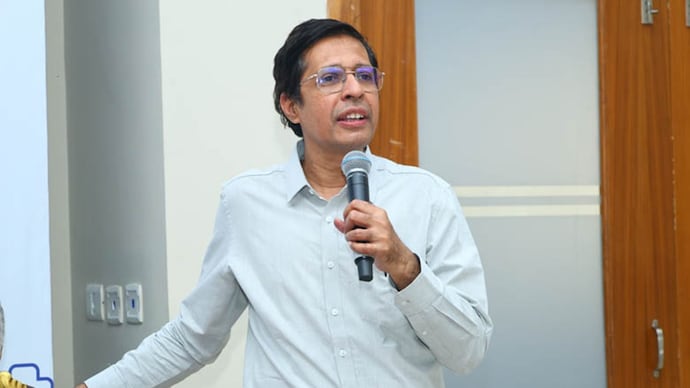
“The single-line agenda is to bring about a robust, transparent and leak-proof examination system for the country,” says Professor V. Kamakoti, director of IIT Madras and a member of the taskforce, while clarifying that he is speaking in his personal capacity since the committee is yet to hold its first meeting.
The other members of the taskforce are former ISRO chairman S. Somnath, former Intelligence Bureau chief Tapan Deka, former education secretary Anita Karwal and former Bihar chief secretary Amrit Lal Meena.
According to Prof. Kamakoti, the real vulnerability lies much earlier in the examination process—at the point where the question paper is created. “India's examination ecosystem has transformed dramatically over the past few decades. The challenge today is no longer conducting examinations, but conducting them at an unprecedented scale. When I wrote the JEE (national engineering entrance) in 1985, there were about 5,000 candidates. Today, there are nearly 1.5 million aspirants,” he points out.
Encryption, biometric verification, CCTV surveillance and metal detectors have all become part of the examination process. Yet, recent controversies have shown that technology alone cannot eliminate risk. Reflecting on the lessons from the recent paper leaks, Prof. Kamakoti says, “The biggest challenge is a trusted question paper setter. That is the root of trust in the entire examination process.”
In his view, public conversations often focus on where a paper surfaced while overlooking how it may have been compromised in the first place. This, Prof. Kamakoti believes, is where the taskforce’s recommendations could make the biggest difference.
Alongside strengthening existing safeguards, the committee is expected to examine every stage of the examination cycle—from single-session and multi-session tests to multilingual papers and examinations of varying scales—and recommend short-, medium- and long-term reforms.
Could artificial intelligence (AI) eventually solve the problem? Not entirely, believes Prof. Kamakoti. AI may assist with translating question papers or supporting administrative tasks, but accountability must remain human. “There will always be a human in the loop. The real question is: how do you select that human?” he says.
It’s expected that the taskforce will submit its recommendations before the next examination season begins later this year. If its proposals succeed, the next chapter in India's examination reforms may not be about adding another layer of technology, but about strengthening the people at the heart of the system.
Subscribe to India Today Magazine
The Union government has set up a high-powered taskforce, chaired by Infosys co-founder Nandan Nilekani, to overhaul the examination system. Expectations from the panel are understandably high.
“The single-line agenda is to bring about a robust, transparent and leak-proof examination system for the country,” says Professor V. Kamakoti, director of IIT Madras and a member of the taskforce, while clarifying that he is speaking in his personal capacity since the committee is yet to hold its first meeting.
The other members of the taskforce are former ISRO chairman S. Somnath, former Intelligence Bureau chief Tapan Deka, former education secretary Anita Karwal and former Bihar chief secretary Amrit Lal Meena.
According to Prof. Kamakoti, the real vulnerability lies much earlier in the examination process—at the point where the question paper is created. “India's examination ecosystem has transformed dramatically over the past few decades. The challenge today is no longer conducting examinations, but conducting them at an unprecedented scale. When I wrote the JEE (national engineering entrance) in 1985, there were about 5,000 candidates. Today, there are nearly 1.5 million aspirants,” he points out.
Encryption, biometric verification, CCTV surveillance and metal detectors have all become part of the examination process. Yet, recent controversies have shown that technology alone cannot eliminate risk. Reflecting on the lessons from the recent paper leaks, Prof. Kamakoti says, “The biggest challenge is a trusted question paper setter. That is the root of trust in the entire examination process.”
In his view, public conversations often focus on where a paper surfaced while overlooking how it may have been compromised in the first place. This, Prof. Kamakoti believes, is where the taskforce’s recommendations could make the biggest difference.
Alongside strengthening existing safeguards, the committee is expected to examine every stage of the examination cycle—from single-session and multi-session tests to multilingual papers and examinations of varying scales—and recommend short-, medium- and long-term reforms.
Could artificial intelligence (AI) eventually solve the problem? Not entirely, believes Prof. Kamakoti. AI may assist with translating question papers or supporting administrative tasks, but accountability must remain human. “There will always be a human in the loop. The real question is: how do you select that human?” he says.
It’s expected that the taskforce will submit its recommendations before the next examination season begins later this year. If its proposals succeed, the next chapter in India's examination reforms may not be about adding another layer of technology, but about strengthening the people at the heart of the system.
Subscribe to India Today Magazine
The Union government has set up a high-powered taskforce, chaired by Infosys co-founder Nandan Nilekani, to overhaul the examination system. Expectations from the panel are understandably high.
“The single-line agenda is to bring about a robust, transparent and leak-proof examination system for the country,” says Professor V. Kamakoti, director of IIT Madras and a member of the taskforce, while clarifying that he is speaking in his personal capacity since the committee is yet to hold its first meeting.
The other members of the taskforce are former ISRO chairman S. Somnath, former Intelligence Bureau chief Tapan Deka, former education secretary Anita Karwal and former Bihar chief secretary Amrit Lal Meena.
According to Prof. Kamakoti, the real vulnerability lies much earlier in the examination process—at the point where the question paper is created. “India's examination ecosystem has transformed dramatically over the past few decades. The challenge today is no longer conducting examinations, but conducting them at an unprecedented scale. When I wrote the JEE (national engineering entrance) in 1985, there were about 5,000 candidates. Today, there are nearly 1.5 million aspirants,” he points out.
Encryption, biometric verification, CCTV surveillance and metal detectors have all become part of the examination process. Yet, recent controversies have shown that technology alone cannot eliminate risk. Reflecting on the lessons from the recent paper leaks, Prof. Kamakoti says, “The biggest challenge is a trusted question paper setter. That is the root of trust in the entire examination process.”
In his view, public conversations often focus on where a paper surfaced while overlooking how it may have been compromised in the first place. This, Prof. Kamakoti believes, is where the taskforce’s recommendations could make the biggest difference.
Alongside strengthening existing safeguards, the committee is expected to examine every stage of the examination cycle—from single-session and multi-session tests to multilingual papers and examinations of varying scales—and recommend short-, medium- and long-term reforms.
Could artificial intelligence (AI) eventually solve the problem? Not entirely, believes Prof. Kamakoti. AI may assist with translating question papers or supporting administrative tasks, but accountability must remain human. “There will always be a human in the loop. The real question is: how do you select that human?” he says.
It’s expected that the taskforce will submit its recommendations before the next examination season begins later this year. If its proposals succeed, the next chapter in India's examination reforms may not be about adding another layer of technology, but about strengthening the people at the heart of the system.
Subscribe to India Today Magazine

