Serious near miss: UK flight with 180 onboard stalled at 4,000 ft over London
British Airways Flight BA919 declared PAN PAN and then MAYDAY after repeated stall warnings on approach to Heathrow. The incident has triggered an AAIB investigation into the aircraft's ADR failure and cockpit response.
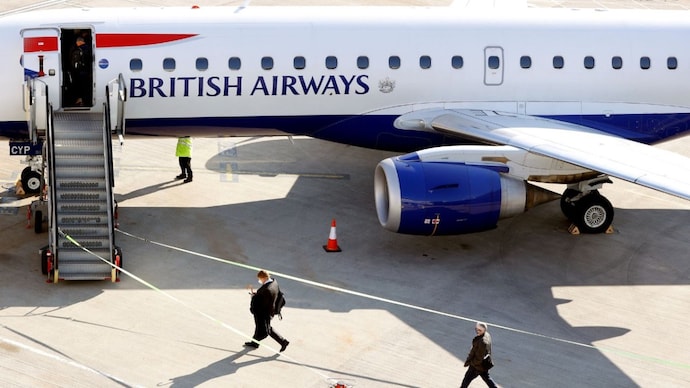
British Airways Flight BA919 declared first a PAN PAN, an internationally recognised radio call indicating an urgent situation that is not immediately life-threatening and later a Mayday emergency after its Airbus A320 experienced repeated stall warnings while approaching London Heathrow earlier this month, triggering a UK safety investigation into the serious incident.
The aircraft, flying from Dusseldorf to Heathrow on July 6, encountered problems during its approach over east London after an apparent air data system failure. Despite the emergency and two stall warnings, the plane landed safely with no reported injuries. The UK's Air Accidents Investigation Branch (AAIB) has launched an investigation into the incident.
According to Aviation Herald, the Airbus A320 was flying at around 4,000 feet when one of its Air Data Reference (ADR) systems failed. The crew responded by declaring a PAN PAN and then carried out a go-around instead of continuing the landing.
However, during the aircraft's second approach, another stall warning sounded at about 3,000 feet. Investigators said the crew carried out an abrupt recovery manoeuvre, during which the aircraft descended to approximately 2,200 feet before regaining a stable approach.
Following the second warning, the crew upgraded the emergency call to a Mayday, signalling a more serious emergency. The aircraft landed safely at Heathrow around 30 minutes after the initial go-around, with no injuries reported.
INVESTIGATION FOCUSES ON COCKPIT ACTIONS
The AAIB has confirmed it is examining the circumstances surrounding the incident.
"During the approach phase, an ADR failure triggered a stall warning; the crew flew the aircraft under alternate law and declared a PAN," the investigation body said.
"A further stall warning occurred at 3,000 feet, accompanied by a potentially abrupt recovery manoeuvre, resulting in the PAN being changed to a Mayday. The aircraft landed without further incident."
COCKPIT DECISIONS FACE SCRUTINY
British media reports, citing unnamed aviation sources, claimed the first officer initially attempted to manage the situation after the air data system malfunction. When the aircraft reportedly entered a stall condition during the approach, the captain is said to have physically intervened to regain control.
According to The Sun, one source described the event as "the most serious 'near miss' in the UK in years."
"To recover from this position is difficult, especially so low to the ground," the source said.
"It is unheard of for a captain to physically intervene in the cockpit."
The reports also claimed senior aviation figures believed the aircraft came close to a "hull loss" -- an aviation term used when an aircraft is destroyed or suffers damage beyond economical repair. Those claims have not been confirmed by investigators.
According to the reports, the captain has since been placed on stress leave following the incident.
British Airways has admitted the incident and said it is cooperating fully with the AAIB investigation. The airline has not commented on reports regarding the cockpit intervention or the captain's status.
British Airways Flight BA919 declared first a PAN PAN, an internationally recognised radio call indicating an urgent situation that is not immediately life-threatening and later a Mayday emergency after its Airbus A320 experienced repeated stall warnings while approaching London Heathrow earlier this month, triggering a UK safety investigation into the serious incident.
The aircraft, flying from Dusseldorf to Heathrow on July 6, encountered problems during its approach over east London after an apparent air data system failure. Despite the emergency and two stall warnings, the plane landed safely with no reported injuries. The UK's Air Accidents Investigation Branch (AAIB) has launched an investigation into the incident.
According to Aviation Herald, the Airbus A320 was flying at around 4,000 feet when one of its Air Data Reference (ADR) systems failed. The crew responded by declaring a PAN PAN and then carried out a go-around instead of continuing the landing.
However, during the aircraft's second approach, another stall warning sounded at about 3,000 feet. Investigators said the crew carried out an abrupt recovery manoeuvre, during which the aircraft descended to approximately 2,200 feet before regaining a stable approach.
Following the second warning, the crew upgraded the emergency call to a Mayday, signalling a more serious emergency. The aircraft landed safely at Heathrow around 30 minutes after the initial go-around, with no injuries reported.
INVESTIGATION FOCUSES ON COCKPIT ACTIONS
The AAIB has confirmed it is examining the circumstances surrounding the incident.
"During the approach phase, an ADR failure triggered a stall warning; the crew flew the aircraft under alternate law and declared a PAN," the investigation body said.
"A further stall warning occurred at 3,000 feet, accompanied by a potentially abrupt recovery manoeuvre, resulting in the PAN being changed to a Mayday. The aircraft landed without further incident."
COCKPIT DECISIONS FACE SCRUTINY
British media reports, citing unnamed aviation sources, claimed the first officer initially attempted to manage the situation after the air data system malfunction. When the aircraft reportedly entered a stall condition during the approach, the captain is said to have physically intervened to regain control.
According to The Sun, one source described the event as "the most serious 'near miss' in the UK in years."
"To recover from this position is difficult, especially so low to the ground," the source said.
"It is unheard of for a captain to physically intervene in the cockpit."
The reports also claimed senior aviation figures believed the aircraft came close to a "hull loss" -- an aviation term used when an aircraft is destroyed or suffers damage beyond economical repair. Those claims have not been confirmed by investigators.
According to the reports, the captain has since been placed on stress leave following the incident.
British Airways has admitted the incident and said it is cooperating fully with the AAIB investigation. The airline has not commented on reports regarding the cockpit intervention or the captain's status.
British Airways Flight BA919 declared first a PAN PAN, an internationally recognised radio call indicating an urgent situation that is not immediately life-threatening and later a Mayday emergency after its Airbus A320 experienced repeated stall warnings while approaching London Heathrow earlier this month, triggering a UK safety investigation into the serious incident.
The aircraft, flying from Dusseldorf to Heathrow on July 6, encountered problems during its approach over east London after an apparent air data system failure. Despite the emergency and two stall warnings, the plane landed safely with no reported injuries. The UK's Air Accidents Investigation Branch (AAIB) has launched an investigation into the incident.
According to Aviation Herald, the Airbus A320 was flying at around 4,000 feet when one of its Air Data Reference (ADR) systems failed. The crew responded by declaring a PAN PAN and then carried out a go-around instead of continuing the landing.
However, during the aircraft's second approach, another stall warning sounded at about 3,000 feet. Investigators said the crew carried out an abrupt recovery manoeuvre, during which the aircraft descended to approximately 2,200 feet before regaining a stable approach.
Following the second warning, the crew upgraded the emergency call to a Mayday, signalling a more serious emergency. The aircraft landed safely at Heathrow around 30 minutes after the initial go-around, with no injuries reported.
INVESTIGATION FOCUSES ON COCKPIT ACTIONS
The AAIB has confirmed it is examining the circumstances surrounding the incident.
"During the approach phase, an ADR failure triggered a stall warning; the crew flew the aircraft under alternate law and declared a PAN," the investigation body said.
"A further stall warning occurred at 3,000 feet, accompanied by a potentially abrupt recovery manoeuvre, resulting in the PAN being changed to a Mayday. The aircraft landed without further incident."
COCKPIT DECISIONS FACE SCRUTINY
British media reports, citing unnamed aviation sources, claimed the first officer initially attempted to manage the situation after the air data system malfunction. When the aircraft reportedly entered a stall condition during the approach, the captain is said to have physically intervened to regain control.
According to The Sun, one source described the event as "the most serious 'near miss' in the UK in years."
"To recover from this position is difficult, especially so low to the ground," the source said.
"It is unheard of for a captain to physically intervene in the cockpit."
The reports also claimed senior aviation figures believed the aircraft came close to a "hull loss" -- an aviation term used when an aircraft is destroyed or suffers damage beyond economical repair. Those claims have not been confirmed by investigators.
According to the reports, the captain has since been placed on stress leave following the incident.
British Airways has admitted the incident and said it is cooperating fully with the AAIB investigation. The airline has not commented on reports regarding the cockpit intervention or the captain's status.

