Why Gen Z 'anger' is most misunderstood
Today's youth are better valued as sensitive, self-reliant and deeply aware of the world around them. Listening to their concerns is no longer optional
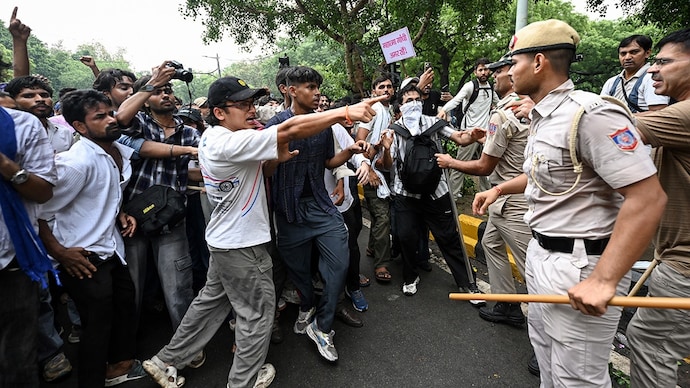
They are not driven by rage as much as by impatience with slow-moving systems, unfulfilled promises and institutions that seem disconnected from their realities. They want faster outcomes, greater accountability and meaningful change. Listening to their concerns is no longer optional; it is essential for safeguarding their emotional well-being.
Unlike previous generations, Gen Z has grown up with digital platforms that allow them to express themselves without waiting for traditional gatekeepers. They are not just consumers of technology but active creators, innovators and community builders. Social media has become their public square where ideas are debated, campaigns launched and voices amplified. They no longer rely on politicians, parents or established institutions to represent them. They have found their own language, their own audience and their own platforms to shape public discourse.
Their activism is rooted in issues that directly affect their lives. Climate change, gender equality, mental health, social justice, education, ethical leadership and the responsible use of technology matter deeply to them. This generation is more comfortable embracing diversity and questioning outdated norms than many before it. Describing them as ‘easily offended’ overlooks their adaptability and empathy. More often than not, they are responding to conduct they perceive as unfair, insensitive or lacking integrity.
Their greatest frustrations stem from a growing disconnect between values and reality. Limited employment opportunities, corruption, nepotism, broken promises and the erosion of public accountability have created widespread anxiety. They are not asking for economic security, but demanding honesty, fairness and institutions that practise what they preach.
This also explains why activism, hope and burnout coexist so closely in Gen Z. They believe they have a democratic right to be heard, yet they often feel ignored. They carry the emotional burden of witnessing social divisions, environmental crisis and poor leadership while trying to build a better future. That can be exhausting, but it has not diminished their optimism. Instead, it has only strengthened their resolve.
If there is one defining characteristic of Gen Z, it is their willingness to participate rather than observe. They are likely to redefine ideas of justice, solidarity and development through issue-based movements centred on ecology, education, technology, work and human connection. They do not want a seat at the back of the room. They want to be present where decisions are made and help shape what comes next.
—The writer is professor of political science at Amity University, Noida
Subscribe to India Today Magazine
They are not driven by rage as much as by impatience with slow-moving systems, unfulfilled promises and institutions that seem disconnected from their realities. They want faster outcomes, greater accountability and meaningful change. Listening to their concerns is no longer optional; it is essential for safeguarding their emotional well-being.
Unlike previous generations, Gen Z has grown up with digital platforms that allow them to express themselves without waiting for traditional gatekeepers. They are not just consumers of technology but active creators, innovators and community builders. Social media has become their public square where ideas are debated, campaigns launched and voices amplified. They no longer rely on politicians, parents or established institutions to represent them. They have found their own language, their own audience and their own platforms to shape public discourse.
Their activism is rooted in issues that directly affect their lives. Climate change, gender equality, mental health, social justice, education, ethical leadership and the responsible use of technology matter deeply to them. This generation is more comfortable embracing diversity and questioning outdated norms than many before it. Describing them as ‘easily offended’ overlooks their adaptability and empathy. More often than not, they are responding to conduct they perceive as unfair, insensitive or lacking integrity.
Their greatest frustrations stem from a growing disconnect between values and reality. Limited employment opportunities, corruption, nepotism, broken promises and the erosion of public accountability have created widespread anxiety. They are not asking for economic security, but demanding honesty, fairness and institutions that practise what they preach.
This also explains why activism, hope and burnout coexist so closely in Gen Z. They believe they have a democratic right to be heard, yet they often feel ignored. They carry the emotional burden of witnessing social divisions, environmental crisis and poor leadership while trying to build a better future. That can be exhausting, but it has not diminished their optimism. Instead, it has only strengthened their resolve.
If there is one defining characteristic of Gen Z, it is their willingness to participate rather than observe. They are likely to redefine ideas of justice, solidarity and development through issue-based movements centred on ecology, education, technology, work and human connection. They do not want a seat at the back of the room. They want to be present where decisions are made and help shape what comes next.
—The writer is professor of political science at Amity University, Noida
Subscribe to India Today Magazine
They are not driven by rage as much as by impatience with slow-moving systems, unfulfilled promises and institutions that seem disconnected from their realities. They want faster outcomes, greater accountability and meaningful change. Listening to their concerns is no longer optional; it is essential for safeguarding their emotional well-being.
Unlike previous generations, Gen Z has grown up with digital platforms that allow them to express themselves without waiting for traditional gatekeepers. They are not just consumers of technology but active creators, innovators and community builders. Social media has become their public square where ideas are debated, campaigns launched and voices amplified. They no longer rely on politicians, parents or established institutions to represent them. They have found their own language, their own audience and their own platforms to shape public discourse.
Their activism is rooted in issues that directly affect their lives. Climate change, gender equality, mental health, social justice, education, ethical leadership and the responsible use of technology matter deeply to them. This generation is more comfortable embracing diversity and questioning outdated norms than many before it. Describing them as ‘easily offended’ overlooks their adaptability and empathy. More often than not, they are responding to conduct they perceive as unfair, insensitive or lacking integrity.
Their greatest frustrations stem from a growing disconnect between values and reality. Limited employment opportunities, corruption, nepotism, broken promises and the erosion of public accountability have created widespread anxiety. They are not asking for economic security, but demanding honesty, fairness and institutions that practise what they preach.
This also explains why activism, hope and burnout coexist so closely in Gen Z. They believe they have a democratic right to be heard, yet they often feel ignored. They carry the emotional burden of witnessing social divisions, environmental crisis and poor leadership while trying to build a better future. That can be exhausting, but it has not diminished their optimism. Instead, it has only strengthened their resolve.
If there is one defining characteristic of Gen Z, it is their willingness to participate rather than observe. They are likely to redefine ideas of justice, solidarity and development through issue-based movements centred on ecology, education, technology, work and human connection. They do not want a seat at the back of the room. They want to be present where decisions are made and help shape what comes next.
—The writer is professor of political science at Amity University, Noida
Subscribe to India Today Magazine

