Why Karnataka tops India in snakebite deaths
The first to declare snakebite a notifiable disease, Karnataka is now reporting almost all bite cases and auditing in detail the deaths
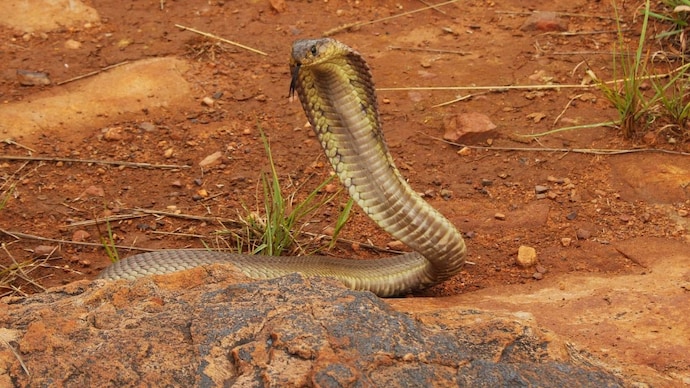
In February 2024, Karnataka became the first state to declare snakebite a notifiable disease, which meant all cases of bites and deaths had to be mandatorily reported. According to the health department, reporting from private hospitals and medical colleges has improved while the state surveillance unit (SSU) even picks up media-reported cases.
“We take it very seriously,” says Gurudatta Hegde, commissioner for health and family welfare, Karnataka. “We also ensure that every snakebite death is audited, like a maternal death or a child death.”
A case-by-case analysis helps find out reasons and gaps. It may include lack of awareness in reaching a medical institution, access to transport or anti-snake venom, he points out. “We will know what was the issue on that particular day when we do the death audit,” says Hegde.
Karnataka, with its vast forest cover, is prone to a high burden of snake bites. The move to mandatorily record snakebites in a central portal for disease surveillance was the first step towards getting a reasonable estimate of the problem that had so far been highly under-reported. To enable this, snakebite was included in the Karnataka Epidemic Diseases Act, 2020.
Subsequently, in November 2024, the Union ministry of health and family welfare issued a communication to all states and Union territories, advising them to notify snakebite as a notifiable disease under their respective legislations.
According to a reply by the Union government in the Rajya Sabha on July 21, 12 states have made snakebite cases and deaths notifiable: Assam, Karnataka, Tamil Nadu, Meghalaya, Nagaland, Tripura, Kerala, Himachal Pradesh, Odisha, Punjab, Bihar and Jharkhand,
Nationwide data provided in the reply reported 140,302 snakebite cases and 429 deaths in 2025. West Bengal, Karnataka and Tamil Nadu led with 27,471, 16,805 and 15,837 snakebite cases, respectively. Karnataka reported the maximum deaths—160. In West Bengal, 65 people died while Tamil Nadu, Madhya Pradesh and Jharkhand saw 26 deaths each.
“We are on the right trajectory and should not be very alarmed by the data,” says Hegde. “Because of community awareness, most of the people bitten by snakes are visiting government health facilities for treatment. This is how we are reporting near 100 per cent snakebite cases and deaths.”
Over the past couple of years, the biggest learning has been the need to ramp up awareness campaigns. “There is still lack of awareness, especially in rural areas. Although it is on a downward trend, we still see cases where people try traditional medicine without going to a formal medical practitioner. This is still one of the biggest reasons for deaths,” he adds.
Based on their analysis, the Karnataka health department has issued directions to primary health centres to compulsorily maintain 10 vials of anti-snake venom. The next step, Hegde says, is to ensure better mapping and coordination of ambulance services so that a snakebite victim can access the nearest medical centre in time.
Subscribe to India Today Magazine
In February 2024, Karnataka became the first state to declare snakebite a notifiable disease, which meant all cases of bites and deaths had to be mandatorily reported. According to the health department, reporting from private hospitals and medical colleges has improved while the state surveillance unit (SSU) even picks up media-reported cases.
“We take it very seriously,” says Gurudatta Hegde, commissioner for health and family welfare, Karnataka. “We also ensure that every snakebite death is audited, like a maternal death or a child death.”
A case-by-case analysis helps find out reasons and gaps. It may include lack of awareness in reaching a medical institution, access to transport or anti-snake venom, he points out. “We will know what was the issue on that particular day when we do the death audit,” says Hegde.
Karnataka, with its vast forest cover, is prone to a high burden of snake bites. The move to mandatorily record snakebites in a central portal for disease surveillance was the first step towards getting a reasonable estimate of the problem that had so far been highly under-reported. To enable this, snakebite was included in the Karnataka Epidemic Diseases Act, 2020.
Subsequently, in November 2024, the Union ministry of health and family welfare issued a communication to all states and Union territories, advising them to notify snakebite as a notifiable disease under their respective legislations.
According to a reply by the Union government in the Rajya Sabha on July 21, 12 states have made snakebite cases and deaths notifiable: Assam, Karnataka, Tamil Nadu, Meghalaya, Nagaland, Tripura, Kerala, Himachal Pradesh, Odisha, Punjab, Bihar and Jharkhand,
Nationwide data provided in the reply reported 140,302 snakebite cases and 429 deaths in 2025. West Bengal, Karnataka and Tamil Nadu led with 27,471, 16,805 and 15,837 snakebite cases, respectively. Karnataka reported the maximum deaths—160. In West Bengal, 65 people died while Tamil Nadu, Madhya Pradesh and Jharkhand saw 26 deaths each.
“We are on the right trajectory and should not be very alarmed by the data,” says Hegde. “Because of community awareness, most of the people bitten by snakes are visiting government health facilities for treatment. This is how we are reporting near 100 per cent snakebite cases and deaths.”
Over the past couple of years, the biggest learning has been the need to ramp up awareness campaigns. “There is still lack of awareness, especially in rural areas. Although it is on a downward trend, we still see cases where people try traditional medicine without going to a formal medical practitioner. This is still one of the biggest reasons for deaths,” he adds.
Based on their analysis, the Karnataka health department has issued directions to primary health centres to compulsorily maintain 10 vials of anti-snake venom. The next step, Hegde says, is to ensure better mapping and coordination of ambulance services so that a snakebite victim can access the nearest medical centre in time.
Subscribe to India Today Magazine
In February 2024, Karnataka became the first state to declare snakebite a notifiable disease, which meant all cases of bites and deaths had to be mandatorily reported. According to the health department, reporting from private hospitals and medical colleges has improved while the state surveillance unit (SSU) even picks up media-reported cases.
“We take it very seriously,” says Gurudatta Hegde, commissioner for health and family welfare, Karnataka. “We also ensure that every snakebite death is audited, like a maternal death or a child death.”
A case-by-case analysis helps find out reasons and gaps. It may include lack of awareness in reaching a medical institution, access to transport or anti-snake venom, he points out. “We will know what was the issue on that particular day when we do the death audit,” says Hegde.
Karnataka, with its vast forest cover, is prone to a high burden of snake bites. The move to mandatorily record snakebites in a central portal for disease surveillance was the first step towards getting a reasonable estimate of the problem that had so far been highly under-reported. To enable this, snakebite was included in the Karnataka Epidemic Diseases Act, 2020.
Subsequently, in November 2024, the Union ministry of health and family welfare issued a communication to all states and Union territories, advising them to notify snakebite as a notifiable disease under their respective legislations.
According to a reply by the Union government in the Rajya Sabha on July 21, 12 states have made snakebite cases and deaths notifiable: Assam, Karnataka, Tamil Nadu, Meghalaya, Nagaland, Tripura, Kerala, Himachal Pradesh, Odisha, Punjab, Bihar and Jharkhand,
Nationwide data provided in the reply reported 140,302 snakebite cases and 429 deaths in 2025. West Bengal, Karnataka and Tamil Nadu led with 27,471, 16,805 and 15,837 snakebite cases, respectively. Karnataka reported the maximum deaths—160. In West Bengal, 65 people died while Tamil Nadu, Madhya Pradesh and Jharkhand saw 26 deaths each.
“We are on the right trajectory and should not be very alarmed by the data,” says Hegde. “Because of community awareness, most of the people bitten by snakes are visiting government health facilities for treatment. This is how we are reporting near 100 per cent snakebite cases and deaths.”
Over the past couple of years, the biggest learning has been the need to ramp up awareness campaigns. “There is still lack of awareness, especially in rural areas. Although it is on a downward trend, we still see cases where people try traditional medicine without going to a formal medical practitioner. This is still one of the biggest reasons for deaths,” he adds.
Based on their analysis, the Karnataka health department has issued directions to primary health centres to compulsorily maintain 10 vials of anti-snake venom. The next step, Hegde says, is to ensure better mapping and coordination of ambulance services so that a snakebite victim can access the nearest medical centre in time.
Subscribe to India Today Magazine

