Delhi HC extends strike against shifting cases of up to Rs 10 crore to lower courts
The Delhi High Court Bar has extended its strike by another day over the transfer of civil cases to district courts. The standoff deepened after the full bench did not hear the Bar's objections to the jurisdiction change.
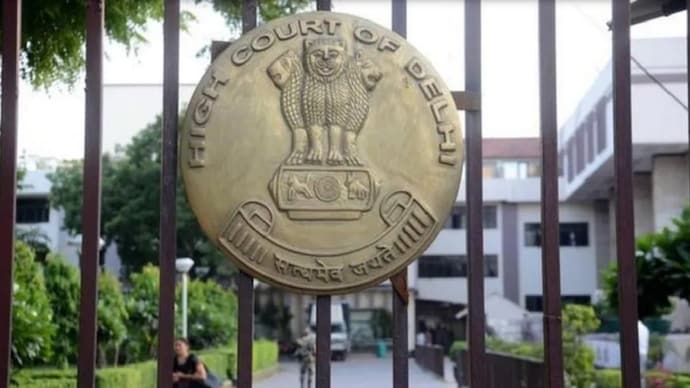
The Delhi High Court Bar Association (DHCBA) has extended its strike for another day, with lawyers set to abstain from work on Wednesday in protest against the proposed enhancement of the pecuniary jurisdiction of Delhi's district courts from Rs 2 crore to Rs 10 crore.
The move comes after the High Court's full court reportedly approved recommending the change, prompting the Bar to intensify its agitation over concerns that a large volume of civil litigation will be shifted away from the High Court.
DHCBA President and senior advocate N Hariharan said the strike was being continued because the High Court's full bench did not grant the Bar a proper hearing before taking a decision on the proposal.
According to him, the High Court should have held joint consultations with both the High Court Bar and the district court Bar to arrive at a mutually acceptable solution instead of hearing them separately.
"The HC did not give us proper hearing before they took the decision to change the pecuniary jurisdiction. They should have listened to us and the district court Bar together to work something out. Instead, they listened to us separately and gave more weight to the demands of the District bar," Hariharan said.
The DHCBA is opposing the proposal to increase the district courts' jurisdiction to hear civil and commercial disputes valued up to Rs 10 crore.
At present, the Delhi High Court hears such matters valued above Rs 2 crore. The lawyers' body argues that the proposed revision would shift nearly 70 per cent of civil litigation from the High Court to district courts, significantly affecting legal practice before the High Court.
Hariharan also pointed to the method used for valuing property disputes, saying that land and property values for court fees are determined using circle rates rather than prevailing market prices.
"Most cases in the HC are valued between 5–10 crore," he said, adding that the proposed change would move a substantial number of existing matters to district courts.
The decision to continue the strike was taken at a DHCBA meeting on Tuesday. In a resolution, the association appreciated the "full cooperation and solidarity extended by its members" during the first day of the protest.
According to sources, representatives of the Bar are also expected to meet the Union Law Minister on Wednesday to discuss the issue.
ENHANCEMENT OF PECUNIARY JURISDICTION DEMAND
The controversy stems from a long-pending demand by the Coordination Committee of All District Court Bar Associations of Delhi, which had sought enhancement of the pecuniary jurisdiction of district courts from Rs 2 crore to Rs 20 crore.
After examining the issue, the High Court's full court is understood to have favoured recommending an increase to Rs 10 crore instead.
The DHCBA, however, has maintained that the proposal would adversely affect the justice delivery system as well as the practice, livelihood and professional interests of a large section of High Court lawyers.
It has also argued that the power to enhance pecuniary jurisdiction lies with Parliament through an amendment to the Delhi High Court Act, 1966, and not with the High Court.
The association had earlier approached the Delhi High Court seeking to restrain the presentation of the committee's report before the full court. On July 10, a division bench dismissed the plea, observing that while Parliament alone can amend the law governing pecuniary jurisdiction, the High Court is competent to examine issues concerning the administration of justice and make recommendations.
With the strike now extended into a second day and discussions with the Union Law Minister expected, the standoff over the proposed jurisdictional change is likely to continue as the DHCBA presses for reconsideration of the recommendation before any legislative steps are taken.
The Delhi High Court Bar Association (DHCBA) has extended its strike for another day, with lawyers set to abstain from work on Wednesday in protest against the proposed enhancement of the pecuniary jurisdiction of Delhi's district courts from Rs 2 crore to Rs 10 crore.
The move comes after the High Court's full court reportedly approved recommending the change, prompting the Bar to intensify its agitation over concerns that a large volume of civil litigation will be shifted away from the High Court.
DHCBA President and senior advocate N Hariharan said the strike was being continued because the High Court's full bench did not grant the Bar a proper hearing before taking a decision on the proposal.
According to him, the High Court should have held joint consultations with both the High Court Bar and the district court Bar to arrive at a mutually acceptable solution instead of hearing them separately.
"The HC did not give us proper hearing before they took the decision to change the pecuniary jurisdiction. They should have listened to us and the district court Bar together to work something out. Instead, they listened to us separately and gave more weight to the demands of the District bar," Hariharan said.
The DHCBA is opposing the proposal to increase the district courts' jurisdiction to hear civil and commercial disputes valued up to Rs 10 crore.
At present, the Delhi High Court hears such matters valued above Rs 2 crore. The lawyers' body argues that the proposed revision would shift nearly 70 per cent of civil litigation from the High Court to district courts, significantly affecting legal practice before the High Court.
Hariharan also pointed to the method used for valuing property disputes, saying that land and property values for court fees are determined using circle rates rather than prevailing market prices.
"Most cases in the HC are valued between 5–10 crore," he said, adding that the proposed change would move a substantial number of existing matters to district courts.
The decision to continue the strike was taken at a DHCBA meeting on Tuesday. In a resolution, the association appreciated the "full cooperation and solidarity extended by its members" during the first day of the protest.
According to sources, representatives of the Bar are also expected to meet the Union Law Minister on Wednesday to discuss the issue.
ENHANCEMENT OF PECUNIARY JURISDICTION DEMAND
The controversy stems from a long-pending demand by the Coordination Committee of All District Court Bar Associations of Delhi, which had sought enhancement of the pecuniary jurisdiction of district courts from Rs 2 crore to Rs 20 crore.
After examining the issue, the High Court's full court is understood to have favoured recommending an increase to Rs 10 crore instead.
The DHCBA, however, has maintained that the proposal would adversely affect the justice delivery system as well as the practice, livelihood and professional interests of a large section of High Court lawyers.
It has also argued that the power to enhance pecuniary jurisdiction lies with Parliament through an amendment to the Delhi High Court Act, 1966, and not with the High Court.
The association had earlier approached the Delhi High Court seeking to restrain the presentation of the committee's report before the full court. On July 10, a division bench dismissed the plea, observing that while Parliament alone can amend the law governing pecuniary jurisdiction, the High Court is competent to examine issues concerning the administration of justice and make recommendations.
With the strike now extended into a second day and discussions with the Union Law Minister expected, the standoff over the proposed jurisdictional change is likely to continue as the DHCBA presses for reconsideration of the recommendation before any legislative steps are taken.

