53% of NDA voters don't prefer E20 petrol, 50% fear vehicle damage: C-Voter survey
A C-Voter survey finds more than half of NDA voters unwilling to use E20 petrol, with widespread fears over vehicle damage and lower mileage. The findings reveal why the Centre's ethanol push continues to face resistance.
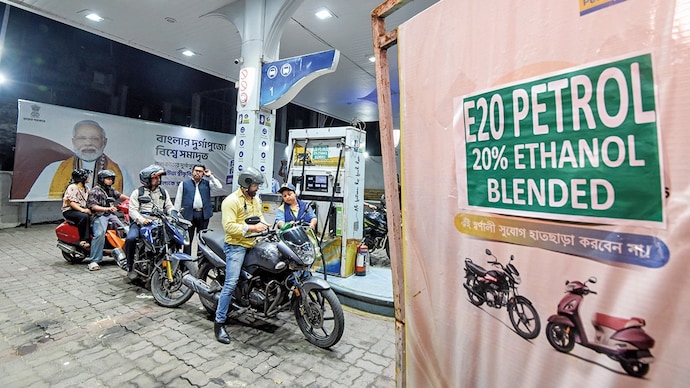
More than half of NDA supporters do not want to use E20 petrol, with many also fearing it could damage vehicles and reduce mileage, according to a recently concluded C-Voter survey. The findings reveal that concerns over vehicle performance continue to outweigh support for the Centre's ethanol blending policy, even among the ruling alliance's own voter base.
The survey found that 52.5 per cent of NDA voters said they would not prefer using E20 petrol in their vehicles, while only 18.1 per cent said they would. Another 29.5 per cent remained undecided.
The resistance was even stronger among Opposition supporters, with 57.9 per cent saying they would not opt for E20 petrol. Among voters aligned with other political parties, 55 per cent also rejected the fuel. Overall, 55.1 per cent of respondents said they would not prefer using E20 petrol, while just 17.1 per cent supported it.
The survey comes days after Union Road Transport and Highways Minister Nitin Gadkari challenged critics of the E20 petrol rollout to produce even one person adversely affected by ethanol-blended fuel. Protesters accepted the challenge, saying they would present not one but six people who claim their vehicles suffered after using E20 petrol. They, however, said they wanted Gadkari to meet them before speaking to the media.
Then, on Monday, Gadkari said the average car owner cannot accurately measure their vehicle's fuel efficiency on their own and should rely on tests conducted by authorised dealers.
The exchange follows growing criticism over the Centre's decision to make the sale of petrol blended with 20 per cent ethanol mandatory. While the government has maintained that E20 is safe and has cited experts to counter concerns, many vehicle owners have claimed the fuel reduces mileage and causes wear and tear, particularly in vehicles designed for E10 petrol.
SUPPORT FOR POLICY REMAINS LIMITED
The survey also found limited backing for the government's ethanol blending policy itself.
Across all respondents, 52 per cent said they do not support the policy of blending ethanol with petrol, compared with 22 per cent who support it. Among NDA voters, 48.2 per cent opposed the policy, while 24.4 per cent backed it. Another 27.4 per cent were undecided.
MILEAGE AND VEHICLE DAMAGE WORRIES
Concerns over vehicle performance continue to shape public opinion.
According to the survey, 52.8 per cent of respondents believe E20 petrol reduces vehicle mileage. Among NDA voters, 51.2 per cent shared the same concern, while the figure rose to 55.4 per cent among Opposition voters.
Apprehensions over vehicle damage were equally significant. A majority of respondents, 54.2 per cent, believed ethanol-blended petrol damages most vehicles. The figure stood at 49.9 per cent among NDA supporters and 60.2 per cent among Opposition voters.
Another 14.3 per cent believed E20 damages only certain vehicles, while only 10.9 per cent said it does not damage vehicles.
OLDER VEHICLE OWNERS SEE ROLLOUT AS UNFAIR
More than half of respondents also felt making E20 petrol mandatory would be unfair to owners of older vehicles.
Overall, 56.3 per cent agreed with that view, including 49.2 per cent of NDA voters and 65.8 per cent of Opposition supporters.
PEOPLE WANT A CHOICE
While opposition to E20 remained widespread, respondents overwhelmingly favoured giving consumers the option to choose between ethanol-blended and regular petrol.
The survey found 75.9 per cent of respondents wanted both fuels to remain available. Support for consumer choice remained high across political affiliations, including 72.4 per cent among NDA voters.
There was also broad agreement that ethanol-blended petrol should cost less than regular fuel. Overall, 74.5 per cent supported lower pricing for E20, including 75.6 per cent of NDA voters.
Even then, cheaper prices did not guarantee acceptance. Only 40.8 per cent said they would switch to E20 if it were sold at a lower price, while 40.4 per cent still said they would not.
PUBLIC DIVIDED ON GOVERNMENT'S CLAIMS
The survey also tested public opinion on the Centre's argument that ethanol blending will reduce India's crude oil imports.
Overall, 37.2 per cent strongly agreed with the claim and another 19.5 per cent somewhat agreed. However, 17.1 per cent strongly disagreed, while 14.1 per cent somewhat disagreed.
When asked what they believed was the main reason behind the government's push for E20 petrol, 27.5 per cent chose reducing crude oil imports, 21.3 per cent said supporting sugarcane farmers, and 11 per cent believed the primary objective was reducing pollution.
SURVEY METHODOLOGY
The findings are based on a C-Voter Snap Poll conducted through Computer Assisted Telephone Interviewing (CATI) among adults aged 18 and above across the country.
The fieldwork was carried out between July 8 and July 9, with a sample size of 1,641 respondents.
According to C-Voter, the data has been weighted to match the country's demographic profile using Census and Election Commission records. The final dataset mirrors the voting pattern of the most recent Lok Sabha and Assembly elections within a margin of plus or minus 1 percentage point.
The survey covered districts across all states. While percentages in some tables may not total 100 because of rounding, C-Voter said the poll provides the closest possible picture of public opinion and demographic trends. The survey has a margin of error of plus or minus 3 per cent at the macro level and plus or minus 5 per cent at the micro level, with a 95 per cent confidence interval.
More than half of NDA supporters do not want to use E20 petrol, with many also fearing it could damage vehicles and reduce mileage, according to a recently concluded C-Voter survey. The findings reveal that concerns over vehicle performance continue to outweigh support for the Centre's ethanol blending policy, even among the ruling alliance's own voter base.
The survey found that 52.5 per cent of NDA voters said they would not prefer using E20 petrol in their vehicles, while only 18.1 per cent said they would. Another 29.5 per cent remained undecided.
The resistance was even stronger among Opposition supporters, with 57.9 per cent saying they would not opt for E20 petrol. Among voters aligned with other political parties, 55 per cent also rejected the fuel. Overall, 55.1 per cent of respondents said they would not prefer using E20 petrol, while just 17.1 per cent supported it.
The survey comes days after Union Road Transport and Highways Minister Nitin Gadkari challenged critics of the E20 petrol rollout to produce even one person adversely affected by ethanol-blended fuel. Protesters accepted the challenge, saying they would present not one but six people who claim their vehicles suffered after using E20 petrol. They, however, said they wanted Gadkari to meet them before speaking to the media.
Then, on Monday, Gadkari said the average car owner cannot accurately measure their vehicle's fuel efficiency on their own and should rely on tests conducted by authorised dealers.
The exchange follows growing criticism over the Centre's decision to make the sale of petrol blended with 20 per cent ethanol mandatory. While the government has maintained that E20 is safe and has cited experts to counter concerns, many vehicle owners have claimed the fuel reduces mileage and causes wear and tear, particularly in vehicles designed for E10 petrol.
SUPPORT FOR POLICY REMAINS LIMITED
The survey also found limited backing for the government's ethanol blending policy itself.
Across all respondents, 52 per cent said they do not support the policy of blending ethanol with petrol, compared with 22 per cent who support it. Among NDA voters, 48.2 per cent opposed the policy, while 24.4 per cent backed it. Another 27.4 per cent were undecided.
MILEAGE AND VEHICLE DAMAGE WORRIES
Concerns over vehicle performance continue to shape public opinion.
According to the survey, 52.8 per cent of respondents believe E20 petrol reduces vehicle mileage. Among NDA voters, 51.2 per cent shared the same concern, while the figure rose to 55.4 per cent among Opposition voters.
Apprehensions over vehicle damage were equally significant. A majority of respondents, 54.2 per cent, believed ethanol-blended petrol damages most vehicles. The figure stood at 49.9 per cent among NDA supporters and 60.2 per cent among Opposition voters.
Another 14.3 per cent believed E20 damages only certain vehicles, while only 10.9 per cent said it does not damage vehicles.
OLDER VEHICLE OWNERS SEE ROLLOUT AS UNFAIR
More than half of respondents also felt making E20 petrol mandatory would be unfair to owners of older vehicles.
Overall, 56.3 per cent agreed with that view, including 49.2 per cent of NDA voters and 65.8 per cent of Opposition supporters.
PEOPLE WANT A CHOICE
While opposition to E20 remained widespread, respondents overwhelmingly favoured giving consumers the option to choose between ethanol-blended and regular petrol.
The survey found 75.9 per cent of respondents wanted both fuels to remain available. Support for consumer choice remained high across political affiliations, including 72.4 per cent among NDA voters.
There was also broad agreement that ethanol-blended petrol should cost less than regular fuel. Overall, 74.5 per cent supported lower pricing for E20, including 75.6 per cent of NDA voters.
Even then, cheaper prices did not guarantee acceptance. Only 40.8 per cent said they would switch to E20 if it were sold at a lower price, while 40.4 per cent still said they would not.
PUBLIC DIVIDED ON GOVERNMENT'S CLAIMS
The survey also tested public opinion on the Centre's argument that ethanol blending will reduce India's crude oil imports.
Overall, 37.2 per cent strongly agreed with the claim and another 19.5 per cent somewhat agreed. However, 17.1 per cent strongly disagreed, while 14.1 per cent somewhat disagreed.
When asked what they believed was the main reason behind the government's push for E20 petrol, 27.5 per cent chose reducing crude oil imports, 21.3 per cent said supporting sugarcane farmers, and 11 per cent believed the primary objective was reducing pollution.
SURVEY METHODOLOGY
The findings are based on a C-Voter Snap Poll conducted through Computer Assisted Telephone Interviewing (CATI) among adults aged 18 and above across the country.
The fieldwork was carried out between July 8 and July 9, with a sample size of 1,641 respondents.
According to C-Voter, the data has been weighted to match the country's demographic profile using Census and Election Commission records. The final dataset mirrors the voting pattern of the most recent Lok Sabha and Assembly elections within a margin of plus or minus 1 percentage point.
The survey covered districts across all states. While percentages in some tables may not total 100 because of rounding, C-Voter said the poll provides the closest possible picture of public opinion and demographic trends. The survey has a margin of error of plus or minus 3 per cent at the macro level and plus or minus 5 per cent at the micro level, with a 95 per cent confidence interval.

