Not Irfan, but Mohammad Irfan: I will have to speak the truth with this name
For Mohammad Irfan, insisting on his full name wasn't about religion. It was about acknowledging the reality he believes shapes how his words are received. The hawker from the CJP protest site who has gone viral explains why speaking the truth is inseparable from the identity he carries.
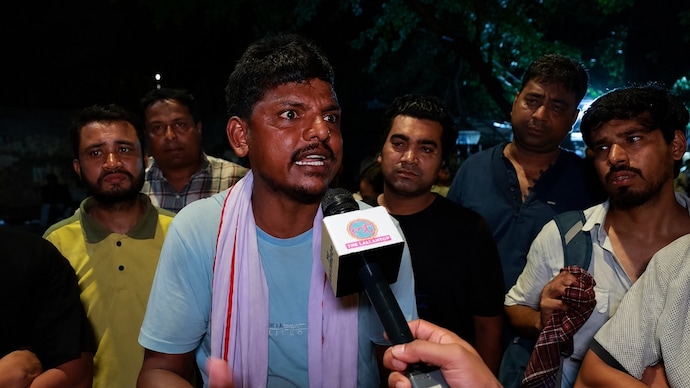
It took just two words for Mohammad Irfan to explain a lifetime of lived experience. "My name is 'Mohammad Irfan'," he clarified when journalist Rajat Pandey of India Today Digital's sister publication, The Lallantop, introduced him as "Irfan" during a follow-up conversation after his viral interview. The 35-year-old hawker interrupted him. He wasn't correcting the pronunciation. He was correcting his identity.
Pandey smiled and asked, "What difference does it make if I don't say 'Mohammad'?"
For Irfan, the answer came without hesitation.
"You think it doesn't matter? This is the reality of my life. I have to live with this name for my entire life. Speaking the truth with this name is not easy. Even after knowing that reality, I have no regrets," Irfan told The Lallantop in an interview on July 24.
Irfan's remarks were perhaps the most revealing moment in a conversation that has since made Irfan one of the most recognisable faces of the month-long protest at New Delhi's Jantar Mantar. His videos became so viral that on Monday, the Leader of Opposition in the Lok Sabha, Rahul Gandhi, visited Irfan's residence and held a discussion with him.
HOW MOHAMMAD IRFAN BECAME THE REAL GEM OF JANTAR MANTAR PROTEST
Before anyone knew his name, people knew the blue T-shirt. During the protests at Jantar Mantar, Irfan repeatedly appeared in social media clips. But it was an interview with The Lallantop in early July that made Irfan impossible to ignore.
His interview with The Lallantop's Rajat Pandey spread rapidly online, drawing more than a million views on YouTube and prompting politicians and celebrities to share his clips on their social media platforms. The video stood out not because Irfan shouted slogans or made sensational allegations, but because of the clarity with which he spoke about politics, religion and democracy.
Pandey later told India Today Digital that interviewing Irfan gave him goosebumps. It was unlike most street interviews he had done.
The man speaking wasn't a professor or a political analyst. He was a resident of Sawda JJ Colony, a resettlement colony in northwest Delhi. He had never been to school.
MOHAMMAD IRFAN'S TAKE ON PAKISTAN, ISLAM AND RELIGION POLITICS
Formal education never came Irfan's way. Yet his curiosity never disappeared.
He revealed that he relies almost entirely on Google and YouTube voice searches to understand issues that interest him.
One such moment came when Irfan spoke about Balochistan-based human rights activist Mahrang Baloch. Irfan told The Lallantop that he spent nearly three hours researching and watching videos before forming an opinion about her.
Only then did he criticise Pakistan for describing itself as an Islamic nation while, in his view, acting contrary to the ethical values that Islam teaches.
His understanding of religion consistently returned to the idea that faith and political power are not the same.
"Satta mein aane ke liye dharam ki zaroorat hai. Desh chalane ke liye dharam ki zaroorat nahi hai," ("Religion may be useful to win power, but governing a country does not require religion"), Irfan told The Lallantop.
This shows that Irfan had an understanding of how the real world
For Irfan, religion is meant to cultivate truth, compassion and faith. The problem, he argues, begins when faith is radicalised or turned into a political weapon. He makes clear that this concern applies irrespective of which religion is involved.
'WHEREVER THERE IS PROTEST AGAINST GOVT, YOU WILL SEE MOHAMMAD IRFAN'
Irfan was not new to demonstrations. Irfan revealed that he had also participated in the anti-CAA and NRC protests in 2020.
For Irfan, protests are less about a single issue than about defending democratic dissent itself.
"Wherever citizens assemble to question this government's decisions that, in their view, restrict democratic voices, you will find Mohammad Irfan there," Irfan said.
But his commitment came at a cost. Irfan says he was "slapped by a cop" during the July 20 Parliament march organised by the Cockroach Janta Party (CJP). Yet the incident appears not to have discouraged him.
MOHAMMAD IRFAN'S MESSAGE TO PEOPLE IN POWER
Among the themes Irfan returns to repeatedly is the danger of judging people by visible markers.
"Clothes are meant to cover the naked body," he said.
"You cannot judge a person by their clothes or by their religion," Irfan added.
He argues that reducing people to external identities reflects a narrow way of thinking that deserves to be challenged in a democracy.
Irfan's remarks have resonated because they emerge not from institutional authority but from lived experience. He has no academic qualifications, no formal training or social media team to craft his talking points.
Yet Irfan's interviews have travelled across platforms because viewers sensed something increasingly rare in public discourse. A person trying to think through difficult questions aloud, without reducing them to slogans.
Perhaps that is why he insists on introducing himself as Mohammad Irfan. Not because he wants to foreground his religion. But because, in his own words, that name carries the reality with which he believes he must speak the truth.
It took just two words for Mohammad Irfan to explain a lifetime of lived experience. "My name is 'Mohammad Irfan'," he clarified when journalist Rajat Pandey of India Today Digital's sister publication, The Lallantop, introduced him as "Irfan" during a follow-up conversation after his viral interview. The 35-year-old hawker interrupted him. He wasn't correcting the pronunciation. He was correcting his identity.
Pandey smiled and asked, "What difference does it make if I don't say 'Mohammad'?"
For Irfan, the answer came without hesitation.
"You think it doesn't matter? This is the reality of my life. I have to live with this name for my entire life. Speaking the truth with this name is not easy. Even after knowing that reality, I have no regrets," Irfan told The Lallantop in an interview on July 24.
Irfan's remarks were perhaps the most revealing moment in a conversation that has since made Irfan one of the most recognisable faces of the month-long protest at New Delhi's Jantar Mantar. His videos became so viral that on Monday, the Leader of Opposition in the Lok Sabha, Rahul Gandhi, visited Irfan's residence and held a discussion with him.
HOW MOHAMMAD IRFAN BECAME THE REAL GEM OF JANTAR MANTAR PROTEST
Before anyone knew his name, people knew the blue T-shirt. During the protests at Jantar Mantar, Irfan repeatedly appeared in social media clips. But it was an interview with The Lallantop in early July that made Irfan impossible to ignore.
His interview with The Lallantop's Rajat Pandey spread rapidly online, drawing more than a million views on YouTube and prompting politicians and celebrities to share his clips on their social media platforms. The video stood out not because Irfan shouted slogans or made sensational allegations, but because of the clarity with which he spoke about politics, religion and democracy.
Pandey later told India Today Digital that interviewing Irfan gave him goosebumps. It was unlike most street interviews he had done.
The man speaking wasn't a professor or a political analyst. He was a resident of Sawda JJ Colony, a resettlement colony in northwest Delhi. He had never been to school.
MOHAMMAD IRFAN'S TAKE ON PAKISTAN, ISLAM AND RELIGION POLITICS
Formal education never came Irfan's way. Yet his curiosity never disappeared.
He revealed that he relies almost entirely on Google and YouTube voice searches to understand issues that interest him.
One such moment came when Irfan spoke about Balochistan-based human rights activist Mahrang Baloch. Irfan told The Lallantop that he spent nearly three hours researching and watching videos before forming an opinion about her.
Only then did he criticise Pakistan for describing itself as an Islamic nation while, in his view, acting contrary to the ethical values that Islam teaches.
His understanding of religion consistently returned to the idea that faith and political power are not the same.
"Satta mein aane ke liye dharam ki zaroorat hai. Desh chalane ke liye dharam ki zaroorat nahi hai," ("Religion may be useful to win power, but governing a country does not require religion"), Irfan told The Lallantop.
This shows that Irfan had an understanding of how the real world
For Irfan, religion is meant to cultivate truth, compassion and faith. The problem, he argues, begins when faith is radicalised or turned into a political weapon. He makes clear that this concern applies irrespective of which religion is involved.
'WHEREVER THERE IS PROTEST AGAINST GOVT, YOU WILL SEE MOHAMMAD IRFAN'
Irfan was not new to demonstrations. Irfan revealed that he had also participated in the anti-CAA and NRC protests in 2020.
For Irfan, protests are less about a single issue than about defending democratic dissent itself.
"Wherever citizens assemble to question this government's decisions that, in their view, restrict democratic voices, you will find Mohammad Irfan there," Irfan said.
But his commitment came at a cost. Irfan says he was "slapped by a cop" during the July 20 Parliament march organised by the Cockroach Janta Party (CJP). Yet the incident appears not to have discouraged him.
MOHAMMAD IRFAN'S MESSAGE TO PEOPLE IN POWER
Among the themes Irfan returns to repeatedly is the danger of judging people by visible markers.
"Clothes are meant to cover the naked body," he said.
"You cannot judge a person by their clothes or by their religion," Irfan added.
He argues that reducing people to external identities reflects a narrow way of thinking that deserves to be challenged in a democracy.
Irfan's remarks have resonated because they emerge not from institutional authority but from lived experience. He has no academic qualifications, no formal training or social media team to craft his talking points.
Yet Irfan's interviews have travelled across platforms because viewers sensed something increasingly rare in public discourse. A person trying to think through difficult questions aloud, without reducing them to slogans.
Perhaps that is why he insists on introducing himself as Mohammad Irfan. Not because he wants to foreground his religion. But because, in his own words, that name carries the reality with which he believes he must speak the truth.
It took just two words for Mohammad Irfan to explain a lifetime of lived experience. "My name is 'Mohammad Irfan'," he clarified when journalist Rajat Pandey of India Today Digital's sister publication, The Lallantop, introduced him as "Irfan" during a follow-up conversation after his viral interview. The 35-year-old hawker interrupted him. He wasn't correcting the pronunciation. He was correcting his identity.
Pandey smiled and asked, "What difference does it make if I don't say 'Mohammad'?"
For Irfan, the answer came without hesitation.
"You think it doesn't matter? This is the reality of my life. I have to live with this name for my entire life. Speaking the truth with this name is not easy. Even after knowing that reality, I have no regrets," Irfan told The Lallantop in an interview on July 24.
Irfan's remarks were perhaps the most revealing moment in a conversation that has since made Irfan one of the most recognisable faces of the month-long protest at New Delhi's Jantar Mantar. His videos became so viral that on Monday, the Leader of Opposition in the Lok Sabha, Rahul Gandhi, visited Irfan's residence and held a discussion with him.
HOW MOHAMMAD IRFAN BECAME THE REAL GEM OF JANTAR MANTAR PROTEST
Before anyone knew his name, people knew the blue T-shirt. During the protests at Jantar Mantar, Irfan repeatedly appeared in social media clips. But it was an interview with The Lallantop in early July that made Irfan impossible to ignore.
His interview with The Lallantop's Rajat Pandey spread rapidly online, drawing more than a million views on YouTube and prompting politicians and celebrities to share his clips on their social media platforms. The video stood out not because Irfan shouted slogans or made sensational allegations, but because of the clarity with which he spoke about politics, religion and democracy.
Pandey later told India Today Digital that interviewing Irfan gave him goosebumps. It was unlike most street interviews he had done.
The man speaking wasn't a professor or a political analyst. He was a resident of Sawda JJ Colony, a resettlement colony in northwest Delhi. He had never been to school.
MOHAMMAD IRFAN'S TAKE ON PAKISTAN, ISLAM AND RELIGION POLITICS
Formal education never came Irfan's way. Yet his curiosity never disappeared.
He revealed that he relies almost entirely on Google and YouTube voice searches to understand issues that interest him.
One such moment came when Irfan spoke about Balochistan-based human rights activist Mahrang Baloch. Irfan told The Lallantop that he spent nearly three hours researching and watching videos before forming an opinion about her.
Only then did he criticise Pakistan for describing itself as an Islamic nation while, in his view, acting contrary to the ethical values that Islam teaches.
His understanding of religion consistently returned to the idea that faith and political power are not the same.
"Satta mein aane ke liye dharam ki zaroorat hai. Desh chalane ke liye dharam ki zaroorat nahi hai," ("Religion may be useful to win power, but governing a country does not require religion"), Irfan told The Lallantop.
This shows that Irfan had an understanding of how the real world
For Irfan, religion is meant to cultivate truth, compassion and faith. The problem, he argues, begins when faith is radicalised or turned into a political weapon. He makes clear that this concern applies irrespective of which religion is involved.
'WHEREVER THERE IS PROTEST AGAINST GOVT, YOU WILL SEE MOHAMMAD IRFAN'
Irfan was not new to demonstrations. Irfan revealed that he had also participated in the anti-CAA and NRC protests in 2020.
For Irfan, protests are less about a single issue than about defending democratic dissent itself.
"Wherever citizens assemble to question this government's decisions that, in their view, restrict democratic voices, you will find Mohammad Irfan there," Irfan said.
But his commitment came at a cost. Irfan says he was "slapped by a cop" during the July 20 Parliament march organised by the Cockroach Janta Party (CJP). Yet the incident appears not to have discouraged him.
MOHAMMAD IRFAN'S MESSAGE TO PEOPLE IN POWER
Among the themes Irfan returns to repeatedly is the danger of judging people by visible markers.
"Clothes are meant to cover the naked body," he said.
"You cannot judge a person by their clothes or by their religion," Irfan added.
He argues that reducing people to external identities reflects a narrow way of thinking that deserves to be challenged in a democracy.
Irfan's remarks have resonated because they emerge not from institutional authority but from lived experience. He has no academic qualifications, no formal training or social media team to craft his talking points.
Yet Irfan's interviews have travelled across platforms because viewers sensed something increasingly rare in public discourse. A person trying to think through difficult questions aloud, without reducing them to slogans.
Perhaps that is why he insists on introducing himself as Mohammad Irfan. Not because he wants to foreground his religion. But because, in his own words, that name carries the reality with which he believes he must speak the truth.

