Assam floods 2026: Evacuation guidelines every resident should know
With monsoon rains repeatedly triggering floods in Assam, residents are being urged to prepare early and follow official advisories. The guidance focuses on evacuation, health precautions and emergency readiness to reduce risks during the season.
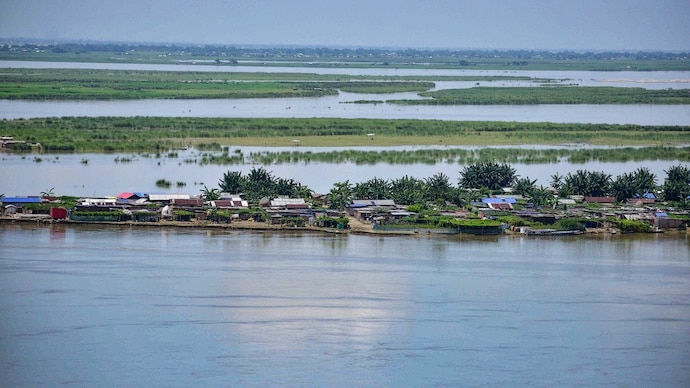
Every year, the monsoon brings heavy rainfall to Assam, causing rivers to overflow and inundate large parts of the state. Floods disrupt daily life, damage homes, affect transportation, and increase the risk of waterborne diseases. While authorities issue warnings and carry out rescue operations, residents can significantly improve their safety by preparing in advance and following official advisories.
Here are some important flood safety tips every resident should know.
Also read: Assam flood situation improves marginally, over 4.4 lakh still affected
Monitor weather forecasts issued by the India Meteorological Department (IMD), advisories from the Assam State Disaster Management Authority (ASDMA), updates from your district administration, and alerts shared through the SACHET disaster alert system. Avoid relying on unverified social media posts and follow only official sources.
PREPARE AN EMERGENCY KIT
Keep an emergency bag ready throughout the monsoon season. It should include:
Drinking water, dry food, and ready-to-eat snacks Torch with extra batteries Fully charged power bank Essential medicines, first-aid kit Important documents stored in waterproof covers, cash, as digital payments may not always work during emergencies Baby supplies, elderly care essentials, and pet food, if required
KEEP YOUR MOBILE PHONE CHARGED
Power outages are common during floods. Charge your phone whenever electricity is available and keep a fully charged power bank ready. Save emergency contact numbers of local authorities, hospitals, disaster response teams, and your nearest district control room.
AVOID WALKING OR DRIVING THROUGH FLOODWATER
Never walk or drive through flooded roads. Even shallow floodwater can hide open drains, potholes, sharp objects, or strong currents. If moving through water is absolutely unavoidable, use a stick or pole to check the ground ahead before taking each step.
MOVE TO HIGHER GROUND EARLY
If authorities issue an evacuation order, leave immediately and move to a designated safe location or higher ground. Do not wait until water levels rise, as delayed evacuation can increase the risk of getting trapped.
SWITCH OFF ELECTRICITY AND GAS SAFELY
Before evacuating your home, turn off the main electricity supply and gas connection if it is safe to do so. Never touch fallen or damaged electrical wires, and do not reconnect electricity after returning home until the wiring has been inspected and declared safe.
Floodwater often contaminates drinking water sources. Store clean drinking water before heavy rainfall begins. If safe drinking water is unavailable, boil it or use approved water purification methods before consumption.
Floods can increase the risk of diseases such as diarrhoea, cholera, typhoid, hepatitis A, and leptospirosis. Wash your hands regularly, avoid eating food exposed to floodwater, and seek medical attention if you develop symptoms such as fever, vomiting, or severe diarrhoea.
WATCH OUT FOR SNAKES AND OTHER ANIMALS
Floodwaters often force snakes and other animals to move into homes and higher areas. Wear closed footwear while walking outdoors, and check shoes, bedding, and storage spaces carefully before use.
KEEP CHILDREN SAFE
Children should never play in floodwater, as it may contain sewage, chemicals, sharp objects, and disease-causing organisms. Ensure they remain under adult supervision throughout the flooding period.
TAKE EXTRA CARE OF VULNERABLE PEOPLE
Older adults, pregnant women, people with disabilities, and those with chronic illnesses may require additional assistance during evacuation. Keep their medicines, medical records, and emergency contacts readily accessible.
AVOID DIRECT CONTACT WITH FLOODWATER
Floodwater may contain sewage, chemicals, and harmful bacteria. Wear waterproof boots and gloves if you must enter flooded areas, and wash thoroughly with clean water and soap afterward.
RETURN HOME ONLY AFTER OFFICIAL CLEARANCE
Return home only after local authorities declare the area safe. Inspect your home carefully for structural damage, electrical hazards, and contaminated water before resuming normal activities.
KNOW YOUR NEAREST RELIEF CENTRE
Before flooding begins, identify the nearest relief camp or evacuation shelter and note the contact details of your district emergency control room. Share your evacuation plan with family members so everyone knows where to meet if separated.
HELP YOUR COMMUNITY
Check on elderly neighbours, people living alone, and those with limited mobility whenever it is safe to do so. Community support can play a vital role during flood emergencies.
Floods are a recurring challenge in Assam, but timely preparation and following official advisories can significantly reduce risks. Staying informed through IMD, ASDMA, district administration updates, and official disaster alerts, keeping emergency supplies ready, avoiding floodwaters, and prioritising health and safety can help protect lives and minimise the impact of flooding. Preparedness remains the most effective defence during the monsoon season.
Every year, the monsoon brings heavy rainfall to Assam, causing rivers to overflow and inundate large parts of the state. Floods disrupt daily life, damage homes, affect transportation, and increase the risk of waterborne diseases. While authorities issue warnings and carry out rescue operations, residents can significantly improve their safety by preparing in advance and following official advisories.
Here are some important flood safety tips every resident should know.
Also read: Assam flood situation improves marginally, over 4.4 lakh still affected
Monitor weather forecasts issued by the India Meteorological Department (IMD), advisories from the Assam State Disaster Management Authority (ASDMA), updates from your district administration, and alerts shared through the SACHET disaster alert system. Avoid relying on unverified social media posts and follow only official sources.
PREPARE AN EMERGENCY KIT
Keep an emergency bag ready throughout the monsoon season. It should include:
Drinking water, dry food, and ready-to-eat snacks Torch with extra batteries Fully charged power bank Essential medicines, first-aid kit Important documents stored in waterproof covers, cash, as digital payments may not always work during emergencies Baby supplies, elderly care essentials, and pet food, if required
KEEP YOUR MOBILE PHONE CHARGED
Power outages are common during floods. Charge your phone whenever electricity is available and keep a fully charged power bank ready. Save emergency contact numbers of local authorities, hospitals, disaster response teams, and your nearest district control room.
AVOID WALKING OR DRIVING THROUGH FLOODWATER
Never walk or drive through flooded roads. Even shallow floodwater can hide open drains, potholes, sharp objects, or strong currents. If moving through water is absolutely unavoidable, use a stick or pole to check the ground ahead before taking each step.
MOVE TO HIGHER GROUND EARLY
If authorities issue an evacuation order, leave immediately and move to a designated safe location or higher ground. Do not wait until water levels rise, as delayed evacuation can increase the risk of getting trapped.
SWITCH OFF ELECTRICITY AND GAS SAFELY
Before evacuating your home, turn off the main electricity supply and gas connection if it is safe to do so. Never touch fallen or damaged electrical wires, and do not reconnect electricity after returning home until the wiring has been inspected and declared safe.
Floodwater often contaminates drinking water sources. Store clean drinking water before heavy rainfall begins. If safe drinking water is unavailable, boil it or use approved water purification methods before consumption.
Floods can increase the risk of diseases such as diarrhoea, cholera, typhoid, hepatitis A, and leptospirosis. Wash your hands regularly, avoid eating food exposed to floodwater, and seek medical attention if you develop symptoms such as fever, vomiting, or severe diarrhoea.
WATCH OUT FOR SNAKES AND OTHER ANIMALS
Floodwaters often force snakes and other animals to move into homes and higher areas. Wear closed footwear while walking outdoors, and check shoes, bedding, and storage spaces carefully before use.
KEEP CHILDREN SAFE
Children should never play in floodwater, as it may contain sewage, chemicals, sharp objects, and disease-causing organisms. Ensure they remain under adult supervision throughout the flooding period.
TAKE EXTRA CARE OF VULNERABLE PEOPLE
Older adults, pregnant women, people with disabilities, and those with chronic illnesses may require additional assistance during evacuation. Keep their medicines, medical records, and emergency contacts readily accessible.
AVOID DIRECT CONTACT WITH FLOODWATER
Floodwater may contain sewage, chemicals, and harmful bacteria. Wear waterproof boots and gloves if you must enter flooded areas, and wash thoroughly with clean water and soap afterward.
RETURN HOME ONLY AFTER OFFICIAL CLEARANCE
Return home only after local authorities declare the area safe. Inspect your home carefully for structural damage, electrical hazards, and contaminated water before resuming normal activities.
KNOW YOUR NEAREST RELIEF CENTRE
Before flooding begins, identify the nearest relief camp or evacuation shelter and note the contact details of your district emergency control room. Share your evacuation plan with family members so everyone knows where to meet if separated.
HELP YOUR COMMUNITY
Check on elderly neighbours, people living alone, and those with limited mobility whenever it is safe to do so. Community support can play a vital role during flood emergencies.
Floods are a recurring challenge in Assam, but timely preparation and following official advisories can significantly reduce risks. Staying informed through IMD, ASDMA, district administration updates, and official disaster alerts, keeping emergency supplies ready, avoiding floodwaters, and prioritising health and safety can help protect lives and minimise the impact of flooding. Preparedness remains the most effective defence during the monsoon season.
Every year, the monsoon brings heavy rainfall to Assam, causing rivers to overflow and inundate large parts of the state. Floods disrupt daily life, damage homes, affect transportation, and increase the risk of waterborne diseases. While authorities issue warnings and carry out rescue operations, residents can significantly improve their safety by preparing in advance and following official advisories.
Here are some important flood safety tips every resident should know.
Also read: Assam flood situation improves marginally, over 4.4 lakh still affected
Monitor weather forecasts issued by the India Meteorological Department (IMD), advisories from the Assam State Disaster Management Authority (ASDMA), updates from your district administration, and alerts shared through the SACHET disaster alert system. Avoid relying on unverified social media posts and follow only official sources.
PREPARE AN EMERGENCY KIT
Keep an emergency bag ready throughout the monsoon season. It should include:
Drinking water, dry food, and ready-to-eat snacks Torch with extra batteries Fully charged power bank Essential medicines, first-aid kit Important documents stored in waterproof covers, cash, as digital payments may not always work during emergencies Baby supplies, elderly care essentials, and pet food, if required
KEEP YOUR MOBILE PHONE CHARGED
Power outages are common during floods. Charge your phone whenever electricity is available and keep a fully charged power bank ready. Save emergency contact numbers of local authorities, hospitals, disaster response teams, and your nearest district control room.
AVOID WALKING OR DRIVING THROUGH FLOODWATER
Never walk or drive through flooded roads. Even shallow floodwater can hide open drains, potholes, sharp objects, or strong currents. If moving through water is absolutely unavoidable, use a stick or pole to check the ground ahead before taking each step.
MOVE TO HIGHER GROUND EARLY
If authorities issue an evacuation order, leave immediately and move to a designated safe location or higher ground. Do not wait until water levels rise, as delayed evacuation can increase the risk of getting trapped.
SWITCH OFF ELECTRICITY AND GAS SAFELY
Before evacuating your home, turn off the main electricity supply and gas connection if it is safe to do so. Never touch fallen or damaged electrical wires, and do not reconnect electricity after returning home until the wiring has been inspected and declared safe.
Floodwater often contaminates drinking water sources. Store clean drinking water before heavy rainfall begins. If safe drinking water is unavailable, boil it or use approved water purification methods before consumption.
Floods can increase the risk of diseases such as diarrhoea, cholera, typhoid, hepatitis A, and leptospirosis. Wash your hands regularly, avoid eating food exposed to floodwater, and seek medical attention if you develop symptoms such as fever, vomiting, or severe diarrhoea.
WATCH OUT FOR SNAKES AND OTHER ANIMALS
Floodwaters often force snakes and other animals to move into homes and higher areas. Wear closed footwear while walking outdoors, and check shoes, bedding, and storage spaces carefully before use.
KEEP CHILDREN SAFE
Children should never play in floodwater, as it may contain sewage, chemicals, sharp objects, and disease-causing organisms. Ensure they remain under adult supervision throughout the flooding period.
TAKE EXTRA CARE OF VULNERABLE PEOPLE
Older adults, pregnant women, people with disabilities, and those with chronic illnesses may require additional assistance during evacuation. Keep their medicines, medical records, and emergency contacts readily accessible.
AVOID DIRECT CONTACT WITH FLOODWATER
Floodwater may contain sewage, chemicals, and harmful bacteria. Wear waterproof boots and gloves if you must enter flooded areas, and wash thoroughly with clean water and soap afterward.
RETURN HOME ONLY AFTER OFFICIAL CLEARANCE
Return home only after local authorities declare the area safe. Inspect your home carefully for structural damage, electrical hazards, and contaminated water before resuming normal activities.
KNOW YOUR NEAREST RELIEF CENTRE
Before flooding begins, identify the nearest relief camp or evacuation shelter and note the contact details of your district emergency control room. Share your evacuation plan with family members so everyone knows where to meet if separated.
HELP YOUR COMMUNITY
Check on elderly neighbours, people living alone, and those with limited mobility whenever it is safe to do so. Community support can play a vital role during flood emergencies.
Floods are a recurring challenge in Assam, but timely preparation and following official advisories can significantly reduce risks. Staying informed through IMD, ASDMA, district administration updates, and official disaster alerts, keeping emergency supplies ready, avoiding floodwaters, and prioritising health and safety can help protect lives and minimise the impact of flooding. Preparedness remains the most effective defence during the monsoon season.

