Delhi's 45-degree heat and poor AQI are connected: How summer pollution works
Delhi's extreme heat and poor air quality are connected in simple ways. Here's an easy explanation of why very hot weather can make pollution levels rise in the city.
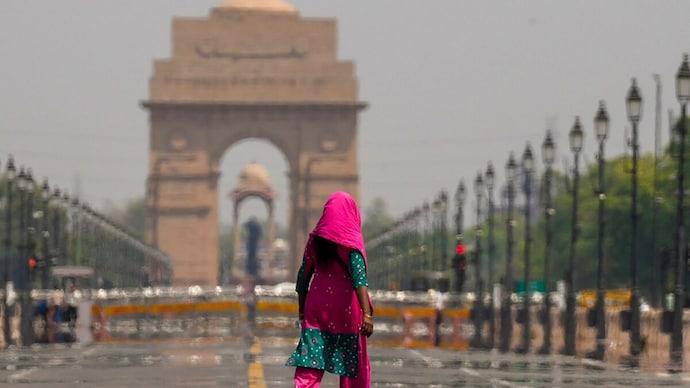
Delhi’s extreme summer heat and poor air quality may look like two separate problems, but they are connected. Delhi regularly faces severe AQI levels during winter because of stubble burning, vehicle emissions, industrial pollution, construction dust and weather conditions that trap pollutants close to the ground.
But many people wonder how AQI levels are rising even during peak summer.
Experts say extreme heat can also worsen pollution because hot weather changes how pollutants behave in the air.
During very hot days, strong sunlight reacts with pollution from vehicles, factories and fuel emissions.
This creates more harmful gases near the ground, especially ozone pollution, which increases AQI levels.
At the same time, hot weather in Delhi often comes with dry air and weak winds.
Because of this, dust, smoke and vehicle pollution stay trapped in the air instead of moving away.
Construction dust and road dust also rise more easily in dry conditions.
This combination of heat, dust and trapped pollution pushes Delhi’s AQI into the “poor” category more quickly. Due to this, Delhi has imposed GRAP 1.
HOW EXTREME HEAT WORSENS DELHI’S AIR QUALITY
Yes, but indirectly.
The heatwave itself does not officially trigger GRAP-1. However, extreme heat creates weather conditions that make pollution build up faster.
Summer AQI rise in Delhi is different from winter pollution. During winter, pollution mainly increases because cold air traps smoke, vehicle emissions, construction dust and stubble-burning particles close to the ground.
In summer, the problem is more linked to ozone pollution, dust and strong sunlight reacting with existing emissions.
That is why Delhi often faces both very high temperatures and poor AQI together during peak summer months.
Delhi’s extreme summer heat and poor air quality may look like two separate problems, but they are connected. Delhi regularly faces severe AQI levels during winter because of stubble burning, vehicle emissions, industrial pollution, construction dust and weather conditions that trap pollutants close to the ground.
But many people wonder how AQI levels are rising even during peak summer.
Experts say extreme heat can also worsen pollution because hot weather changes how pollutants behave in the air.
During very hot days, strong sunlight reacts with pollution from vehicles, factories and fuel emissions.
This creates more harmful gases near the ground, especially ozone pollution, which increases AQI levels.
At the same time, hot weather in Delhi often comes with dry air and weak winds.
Because of this, dust, smoke and vehicle pollution stay trapped in the air instead of moving away.
Construction dust and road dust also rise more easily in dry conditions.
This combination of heat, dust and trapped pollution pushes Delhi’s AQI into the “poor” category more quickly. Due to this, Delhi has imposed GRAP 1.
HOW EXTREME HEAT WORSENS DELHI’S AIR QUALITY
Yes, but indirectly.
The heatwave itself does not officially trigger GRAP-1. However, extreme heat creates weather conditions that make pollution build up faster.
Summer AQI rise in Delhi is different from winter pollution. During winter, pollution mainly increases because cold air traps smoke, vehicle emissions, construction dust and stubble-burning particles close to the ground.
In summer, the problem is more linked to ozone pollution, dust and strong sunlight reacting with existing emissions.
That is why Delhi often faces both very high temperatures and poor AQI together during peak summer months.

