How long do fruits and vegetables stay fresh? A simple storage guide
From apples and berries to onions and potatoes, proper storage can help fruits and vegetables stay fresh for longer. Here's how long common produce lasts and the mistakes that make it spoil faster.
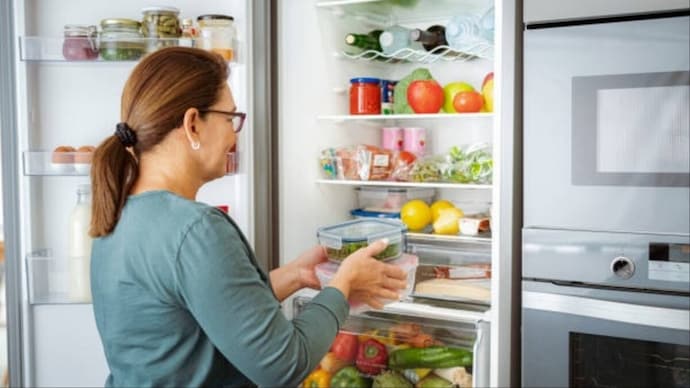
Fresh fruits and vegetables don't all have the same shelf life. While some stay fresh for weeks, others begin to spoil within days. Temperature, humidity, light, airflow and even the fruits stored nearby can affect how long produce lasts. Knowing the right fruit storage tips and vegetable storage tips not only reduces food waste but also lowers the risk of foodborne illnesses caused by bacteria and mould.
Here's a simple guide to how long common fruits and vegetables stay fresh and how to store them properly.
HOW LONG DO COMMON FRUITS STAY FRESH?
- Apples: About one week at room temperature and three to four weeks in the fridge.
- Bananas: Two to seven days at room temperature. Refrigerate only after they ripen.
- Berries: Three to seven days in the fridge. Store unwashed and wash only before eating.
- Citrus fruits: Around one week at room temperature and up to a month in the fridge.
- Grapes: Several days at room temperature and up to two weeks in the fridge.
- Tomatoes: Ripen at room temperature, then refrigerate for up to two weeks.
HOW LONG DO VEGETABLES LAST?
- Carrots and parsnips: Up to two weeks in a cool pantry and more than a month in the fridge.
- Cucumbers: Up to one week in the fridge. Once cut, eat within one to two days.
- Lettuce: Three to seven days in the fridge.
- Mushrooms: One day at room temperature and three to seven days in the fridge.
- Onions: More than six weeks in a cool, dry and well-ventilated place.
- Potatoes: More than six weeks in a cool, dark and dry place.
WHEN SHOULD YOU THROW PRODUCE AWAY?
Not every bruised fruit or soft vegetable needs to be discarded. Slightly bruised apples, brown bananas and soft tomatoes are generally safe to eat if they are not mouldy.
However, mouldy berries and grapes should usually be thrown away, even if only a few pieces appear affected, as invisible mould toxins may spread to nearby fruit. Green or sprouting potatoes should also be discarded because they can contain natural toxins that are not destroyed by cooking.
ALSO READ: Dimsum vs momos: What's the difference between the two popular dumplings?
SIMPLE STORAGE TIPS
To keep produce fresh for longer:
- Store fruits and vegetables according to their ideal temperature.
- Wash produce only before eating, not before storing.
- Keep onions away from potatoes.
- Avoid storing apples and bananas with other produce, as they release ethylene gas, which speeds up ripening.
- Buy only as much fresh produce as you can use within a few days to reduce waste.
The shelf life of fruits and vegetables depends on how they are stored. Using the right temperature, ensuring proper airflow and keeping ethylene-producing fruits separate can help food stay fresh for longer while reducing waste and improving food safety.
Fresh fruits and vegetables don't all have the same shelf life. While some stay fresh for weeks, others begin to spoil within days. Temperature, humidity, light, airflow and even the fruits stored nearby can affect how long produce lasts. Knowing the right fruit storage tips and vegetable storage tips not only reduces food waste but also lowers the risk of foodborne illnesses caused by bacteria and mould.
Here's a simple guide to how long common fruits and vegetables stay fresh and how to store them properly.
HOW LONG DO COMMON FRUITS STAY FRESH?
- Apples: About one week at room temperature and three to four weeks in the fridge.
- Bananas: Two to seven days at room temperature. Refrigerate only after they ripen.
- Berries: Three to seven days in the fridge. Store unwashed and wash only before eating.
- Citrus fruits: Around one week at room temperature and up to a month in the fridge.
- Grapes: Several days at room temperature and up to two weeks in the fridge.
- Tomatoes: Ripen at room temperature, then refrigerate for up to two weeks.
HOW LONG DO VEGETABLES LAST?
- Carrots and parsnips: Up to two weeks in a cool pantry and more than a month in the fridge.
- Cucumbers: Up to one week in the fridge. Once cut, eat within one to two days.
- Lettuce: Three to seven days in the fridge.
- Mushrooms: One day at room temperature and three to seven days in the fridge.
- Onions: More than six weeks in a cool, dry and well-ventilated place.
- Potatoes: More than six weeks in a cool, dark and dry place.
WHEN SHOULD YOU THROW PRODUCE AWAY?
Not every bruised fruit or soft vegetable needs to be discarded. Slightly bruised apples, brown bananas and soft tomatoes are generally safe to eat if they are not mouldy.
However, mouldy berries and grapes should usually be thrown away, even if only a few pieces appear affected, as invisible mould toxins may spread to nearby fruit. Green or sprouting potatoes should also be discarded because they can contain natural toxins that are not destroyed by cooking.
ALSO READ: Dimsum vs momos: What's the difference between the two popular dumplings?
SIMPLE STORAGE TIPS
To keep produce fresh for longer:
- Store fruits and vegetables according to their ideal temperature.
- Wash produce only before eating, not before storing.
- Keep onions away from potatoes.
- Avoid storing apples and bananas with other produce, as they release ethylene gas, which speeds up ripening.
- Buy only as much fresh produce as you can use within a few days to reduce waste.
The shelf life of fruits and vegetables depends on how they are stored. Using the right temperature, ensuring proper airflow and keeping ethylene-producing fruits separate can help food stay fresh for longer while reducing waste and improving food safety.
Fresh fruits and vegetables don't all have the same shelf life. While some stay fresh for weeks, others begin to spoil within days. Temperature, humidity, light, airflow and even the fruits stored nearby can affect how long produce lasts. Knowing the right fruit storage tips and vegetable storage tips not only reduces food waste but also lowers the risk of foodborne illnesses caused by bacteria and mould.
Here's a simple guide to how long common fruits and vegetables stay fresh and how to store them properly.
HOW LONG DO COMMON FRUITS STAY FRESH?
- Apples: About one week at room temperature and three to four weeks in the fridge.
- Bananas: Two to seven days at room temperature. Refrigerate only after they ripen.
- Berries: Three to seven days in the fridge. Store unwashed and wash only before eating.
- Citrus fruits: Around one week at room temperature and up to a month in the fridge.
- Grapes: Several days at room temperature and up to two weeks in the fridge.
- Tomatoes: Ripen at room temperature, then refrigerate for up to two weeks.
HOW LONG DO VEGETABLES LAST?
- Carrots and parsnips: Up to two weeks in a cool pantry and more than a month in the fridge.
- Cucumbers: Up to one week in the fridge. Once cut, eat within one to two days.
- Lettuce: Three to seven days in the fridge.
- Mushrooms: One day at room temperature and three to seven days in the fridge.
- Onions: More than six weeks in a cool, dry and well-ventilated place.
- Potatoes: More than six weeks in a cool, dark and dry place.
WHEN SHOULD YOU THROW PRODUCE AWAY?
Not every bruised fruit or soft vegetable needs to be discarded. Slightly bruised apples, brown bananas and soft tomatoes are generally safe to eat if they are not mouldy.
However, mouldy berries and grapes should usually be thrown away, even if only a few pieces appear affected, as invisible mould toxins may spread to nearby fruit. Green or sprouting potatoes should also be discarded because they can contain natural toxins that are not destroyed by cooking.
ALSO READ: Dimsum vs momos: What's the difference between the two popular dumplings?
SIMPLE STORAGE TIPS
To keep produce fresh for longer:
- Store fruits and vegetables according to their ideal temperature.
- Wash produce only before eating, not before storing.
- Keep onions away from potatoes.
- Avoid storing apples and bananas with other produce, as they release ethylene gas, which speeds up ripening.
- Buy only as much fresh produce as you can use within a few days to reduce waste.
The shelf life of fruits and vegetables depends on how they are stored. Using the right temperature, ensuring proper airflow and keeping ethylene-producing fruits separate can help food stay fresh for longer while reducing waste and improving food safety.

