What happens to leftover food at hotel buffets after service ends?
Hotels handle buffet leftovers differently depending on whether food was served, displayed or untouched. Strict safety rules, donations and waste-cutting measures shape what can be reused or discarded.
Hotel buffets are known for their lavish spreads, offering everything from fresh salads and live counters to decadent desserts. While the variety delights guests, it also raises an important question: What happens to all the food that is left over once the buffet closes?
The answer isn't as simple as throwing everything into the bin. Most hotels follow strict food safety guidelines and waste management practices to minimise food wastage while ensuring guest safety. Here's a look at what typically happens behind the scenes.
NOT ALL LEFTOVER FOOD IS TREATED THE SAME
Hotels usually divide leftover buffet food into different categories based on whether it has been served, displayed, or remains untouched in the kitchen.
Unserved food: Food that was prepared but never placed on the buffet may sometimes be safely reused or repurposed if it has been stored according to food safety standards.
Displayed food: Dishes that have been sitting on the buffet are generally discarded once service ends because they may have been exposed to unsafe temperatures or contamination.
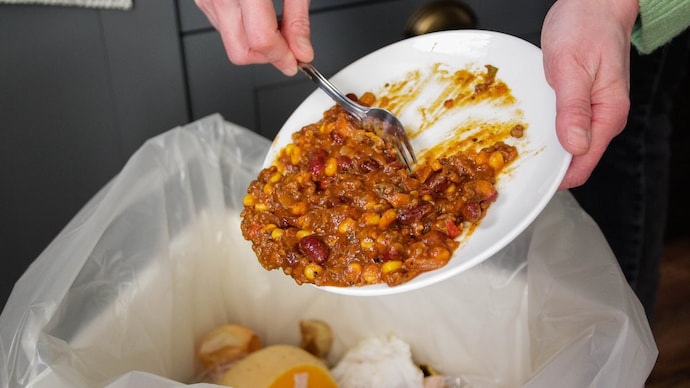
Guest plate leftovers: Food left on diners' plates is always discarded and cannot be reused under any circumstances.
FOOD SAFETY COMES FIRST
Hotels follow strict food safety protocols to prevent foodborne illnesses. Once cooked food remains in the "temperature danger zone" (typically between 5°C and 60°C) for too long, bacteria can multiply rapidly.
This is why many buffet dishes that appear perfectly edible are still thrown away after service. Reusing such food could pose serious health risks to guests.
SOME FOOD GETS REPURPOSED
Not every leftover ingredient goes to waste. Depending on the hotel's policies and food safety regulations, certain untouched ingredients may be creatively repurposed.
For example:
Fresh vegetables may be used in soups or stocks.
Bread may be turned into breadcrumbs or croutons.
Fruits may be used in smoothies, desserts or jams.
However, this is only possible if the ingredients have not been exposed to guests and have been stored safely.
MANY HOTELS DONATE SURPLUS FOOD
An increasing number of hotels partner with food rescue organisations and NGOs to donate excess food that is safe to consume.
Food donation programmes help provide meals to people in need while reducing food waste. Before donation, the food must meet hygiene standards, be properly packaged and transported under safe conditions.
FOOD WASTE IS TURNED INTO COMPOST OR BIOGAS
When food cannot be consumed, many hotels send organic waste for composting or biogas production.
Composting converts food scraps into nutrient-rich fertiliser, while biogas plants transform organic waste into renewable energy. These methods reduce landfill waste and lower the environmental impact of discarded food.
HOTELS USE SMART PLANNING TO REDUCE WASTE
Rather than dealing with excess food afterwards, many hotels now focus on preventing waste in the first place.
Common strategies include:
Preparing food in smaller batches.
Tracking guest preferences and consumption patterns.
Using AI and data analytics to predict demand.
Refilling buffet trays instead of placing large quantities at once.
Offering made-to-order dishes at live cooking stations.
These practices help reduce unnecessary food preparation without affecting the guest experience.
HOW GUESTS CAN HELP REDUCE BUFFET WASTE
Guests also play a role in reducing food waste. Taking smaller portions, returning for seconds if needed and avoiding overloading plates can significantly cut down the amount of food that ends up in the bin.
Even small changes in dining habits can make a meaningful difference when multiplied across hundreds of buffet diners each day.
While some untouched ingredients can be safely repurposed or donated, most food that has been displayed on a hotel buffet is discarded due to strict food safety rules. Today, many hotels are combining careful planning, food donation initiatives and sustainable waste management practices to reduce waste while maintaining high standards of hygiene and guest safety.
Disclaimer
This article is intended for informational purposes only. The handling, reuse, donation or disposal of leftover buffet food varies by hotel, country, local food safety laws and internal operational policies. Not all hotels follow the same practices.
Hotel buffets are known for their lavish spreads, offering everything from fresh salads and live counters to decadent desserts. While the variety delights guests, it also raises an important question: What happens to all the food that is left over once the buffet closes?
The answer isn't as simple as throwing everything into the bin. Most hotels follow strict food safety guidelines and waste management practices to minimise food wastage while ensuring guest safety. Here's a look at what typically happens behind the scenes.
NOT ALL LEFTOVER FOOD IS TREATED THE SAME
Hotels usually divide leftover buffet food into different categories based on whether it has been served, displayed, or remains untouched in the kitchen.
Unserved food: Food that was prepared but never placed on the buffet may sometimes be safely reused or repurposed if it has been stored according to food safety standards.
Displayed food: Dishes that have been sitting on the buffet are generally discarded once service ends because they may have been exposed to unsafe temperatures or contamination.
Guest plate leftovers: Food left on diners' plates is always discarded and cannot be reused under any circumstances.
FOOD SAFETY COMES FIRST
Hotels follow strict food safety protocols to prevent foodborne illnesses. Once cooked food remains in the "temperature danger zone" (typically between 5°C and 60°C) for too long, bacteria can multiply rapidly.
This is why many buffet dishes that appear perfectly edible are still thrown away after service. Reusing such food could pose serious health risks to guests.
SOME FOOD GETS REPURPOSED
Not every leftover ingredient goes to waste. Depending on the hotel's policies and food safety regulations, certain untouched ingredients may be creatively repurposed.
For example:
Fresh vegetables may be used in soups or stocks.
Bread may be turned into breadcrumbs or croutons.
Fruits may be used in smoothies, desserts or jams.
However, this is only possible if the ingredients have not been exposed to guests and have been stored safely.
MANY HOTELS DONATE SURPLUS FOOD
An increasing number of hotels partner with food rescue organisations and NGOs to donate excess food that is safe to consume.
Food donation programmes help provide meals to people in need while reducing food waste. Before donation, the food must meet hygiene standards, be properly packaged and transported under safe conditions.
FOOD WASTE IS TURNED INTO COMPOST OR BIOGAS
When food cannot be consumed, many hotels send organic waste for composting or biogas production.
Composting converts food scraps into nutrient-rich fertiliser, while biogas plants transform organic waste into renewable energy. These methods reduce landfill waste and lower the environmental impact of discarded food.
HOTELS USE SMART PLANNING TO REDUCE WASTE
Rather than dealing with excess food afterwards, many hotels now focus on preventing waste in the first place.
Common strategies include:
Preparing food in smaller batches.
Tracking guest preferences and consumption patterns.
Using AI and data analytics to predict demand.
Refilling buffet trays instead of placing large quantities at once.
Offering made-to-order dishes at live cooking stations.
These practices help reduce unnecessary food preparation without affecting the guest experience.
HOW GUESTS CAN HELP REDUCE BUFFET WASTE
Guests also play a role in reducing food waste. Taking smaller portions, returning for seconds if needed and avoiding overloading plates can significantly cut down the amount of food that ends up in the bin.
Even small changes in dining habits can make a meaningful difference when multiplied across hundreds of buffet diners each day.
While some untouched ingredients can be safely repurposed or donated, most food that has been displayed on a hotel buffet is discarded due to strict food safety rules. Today, many hotels are combining careful planning, food donation initiatives and sustainable waste management practices to reduce waste while maintaining high standards of hygiene and guest safety.
Disclaimer
This article is intended for informational purposes only. The handling, reuse, donation or disposal of leftover buffet food varies by hotel, country, local food safety laws and internal operational policies. Not all hotels follow the same practices.
Hotel buffets are known for their lavish spreads, offering everything from fresh salads and live counters to decadent desserts. While the variety delights guests, it also raises an important question: What happens to all the food that is left over once the buffet closes?
The answer isn't as simple as throwing everything into the bin. Most hotels follow strict food safety guidelines and waste management practices to minimise food wastage while ensuring guest safety. Here's a look at what typically happens behind the scenes.
NOT ALL LEFTOVER FOOD IS TREATED THE SAME
Hotels usually divide leftover buffet food into different categories based on whether it has been served, displayed, or remains untouched in the kitchen.
Unserved food: Food that was prepared but never placed on the buffet may sometimes be safely reused or repurposed if it has been stored according to food safety standards.
Displayed food: Dishes that have been sitting on the buffet are generally discarded once service ends because they may have been exposed to unsafe temperatures or contamination.
Guest plate leftovers: Food left on diners' plates is always discarded and cannot be reused under any circumstances.
FOOD SAFETY COMES FIRST
Hotels follow strict food safety protocols to prevent foodborne illnesses. Once cooked food remains in the "temperature danger zone" (typically between 5°C and 60°C) for too long, bacteria can multiply rapidly.
This is why many buffet dishes that appear perfectly edible are still thrown away after service. Reusing such food could pose serious health risks to guests.
SOME FOOD GETS REPURPOSED
Not every leftover ingredient goes to waste. Depending on the hotel's policies and food safety regulations, certain untouched ingredients may be creatively repurposed.
For example:
Fresh vegetables may be used in soups or stocks.
Bread may be turned into breadcrumbs or croutons.
Fruits may be used in smoothies, desserts or jams.
However, this is only possible if the ingredients have not been exposed to guests and have been stored safely.
MANY HOTELS DONATE SURPLUS FOOD
An increasing number of hotels partner with food rescue organisations and NGOs to donate excess food that is safe to consume.
Food donation programmes help provide meals to people in need while reducing food waste. Before donation, the food must meet hygiene standards, be properly packaged and transported under safe conditions.
FOOD WASTE IS TURNED INTO COMPOST OR BIOGAS
When food cannot be consumed, many hotels send organic waste for composting or biogas production.
Composting converts food scraps into nutrient-rich fertiliser, while biogas plants transform organic waste into renewable energy. These methods reduce landfill waste and lower the environmental impact of discarded food.
HOTELS USE SMART PLANNING TO REDUCE WASTE
Rather than dealing with excess food afterwards, many hotels now focus on preventing waste in the first place.
Common strategies include:
Preparing food in smaller batches.
Tracking guest preferences and consumption patterns.
Using AI and data analytics to predict demand.
Refilling buffet trays instead of placing large quantities at once.
Offering made-to-order dishes at live cooking stations.
These practices help reduce unnecessary food preparation without affecting the guest experience.
HOW GUESTS CAN HELP REDUCE BUFFET WASTE
Guests also play a role in reducing food waste. Taking smaller portions, returning for seconds if needed and avoiding overloading plates can significantly cut down the amount of food that ends up in the bin.
Even small changes in dining habits can make a meaningful difference when multiplied across hundreds of buffet diners each day.
While some untouched ingredients can be safely repurposed or donated, most food that has been displayed on a hotel buffet is discarded due to strict food safety rules. Today, many hotels are combining careful planning, food donation initiatives and sustainable waste management practices to reduce waste while maintaining high standards of hygiene and guest safety.
Disclaimer
This article is intended for informational purposes only. The handling, reuse, donation or disposal of leftover buffet food varies by hotel, country, local food safety laws and internal operational policies. Not all hotels follow the same practices.

