Could a landslide happen near you? Warning signs and safety tips to know
Heavy rain, steep slopes and shifting ground can all increase landslide risk. Knowing the early warning signs of a landslide can help you stay safe and act before disaster strikes.
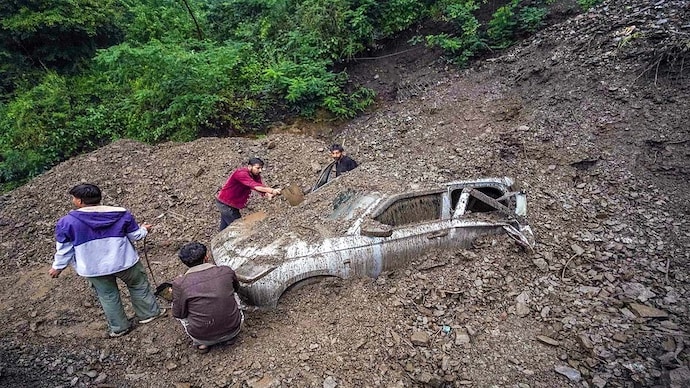
Landslides are one of nature's most unpredictable hazards. They can happen suddenly or build up over days and weeks, especially after heavy rainfall or earthquakes. If you live near hills, mountains or steep slopes, knowing the warning signs of a landslide is just as important as checking the weather forecast.
\Small changes around your home or neighbourhood may be early clues that the ground is becoming unstable.
Spotting these signs early and taking quick action can reduce the risk to people, homes and roads.
WHAT CAUSES A LANDSLIDE?
A landslide happens when rock, soil or debris moves downhill. Heavy rain is one of the most common triggers because it weakens the soil.
Earthquakes, volcanic activity, erosion and human activities such as cutting into hillsides or poor drainage can also make slopes unstable.
Climate change is also expected to increase landslide risk in some places as intense rainfall becomes more common.
WARNING SIGNS TO WATCH FOR
The ground often gives clues before a landslide. Look out for new cracks in the ground, roads or walls, leaning trees, tilted utility poles or fences, and doors or windows that suddenly become difficult to open.
Water appearing where it normally doesn't, changes in stream levels, or broken underground pipes can also point to shifting ground.
Strange sounds such as cracking wood, moving rocks or a deep rumbling noise should never be ignored.
WHO IS MOST AT RISK?
People living on or below steep slopes face the greatest risk, particularly during or after prolonged rainfall.
Areas with loose soil, weak rock or a history of previous landslides are also more vulnerable.
Even slopes that have remained stable for years can become dangerous under the right conditions.
ALSO READ: Do these 5 things immediately if a tree falls on your car during rain
WHAT SHOULD YOU DO?
If you notice several warning signs or see a landslide beginning, leave the area immediately if it is safe to do so and inform local authorities.
Avoid river channels and steep slopes during heavy rain. If your property shows repeated signs of ground movement, have it checked by a qualified geologist or engineer.
Staying alert during storms and paying attention to local weather warnings can also reduce your risk.
Landslides are one of nature's most unpredictable hazards. They can happen suddenly or build up over days and weeks, especially after heavy rainfall or earthquakes. If you live near hills, mountains or steep slopes, knowing the warning signs of a landslide is just as important as checking the weather forecast.
\Small changes around your home or neighbourhood may be early clues that the ground is becoming unstable.
Spotting these signs early and taking quick action can reduce the risk to people, homes and roads.
WHAT CAUSES A LANDSLIDE?
A landslide happens when rock, soil or debris moves downhill. Heavy rain is one of the most common triggers because it weakens the soil.
Earthquakes, volcanic activity, erosion and human activities such as cutting into hillsides or poor drainage can also make slopes unstable.
Climate change is also expected to increase landslide risk in some places as intense rainfall becomes more common.
WARNING SIGNS TO WATCH FOR
The ground often gives clues before a landslide. Look out for new cracks in the ground, roads or walls, leaning trees, tilted utility poles or fences, and doors or windows that suddenly become difficult to open.
Water appearing where it normally doesn't, changes in stream levels, or broken underground pipes can also point to shifting ground.
Strange sounds such as cracking wood, moving rocks or a deep rumbling noise should never be ignored.
WHO IS MOST AT RISK?
People living on or below steep slopes face the greatest risk, particularly during or after prolonged rainfall.
Areas with loose soil, weak rock or a history of previous landslides are also more vulnerable.
Even slopes that have remained stable for years can become dangerous under the right conditions.
ALSO READ: Do these 5 things immediately if a tree falls on your car during rain
WHAT SHOULD YOU DO?
If you notice several warning signs or see a landslide beginning, leave the area immediately if it is safe to do so and inform local authorities.
Avoid river channels and steep slopes during heavy rain. If your property shows repeated signs of ground movement, have it checked by a qualified geologist or engineer.
Staying alert during storms and paying attention to local weather warnings can also reduce your risk.

