Why Parliament becomes the centre of every major protest
Parliament protest, Parliament march and Chalo Sansad campaigns all have one goal, to bring public demands to the country's highest decision-making body. Here's why Parliament becomes the focal point.
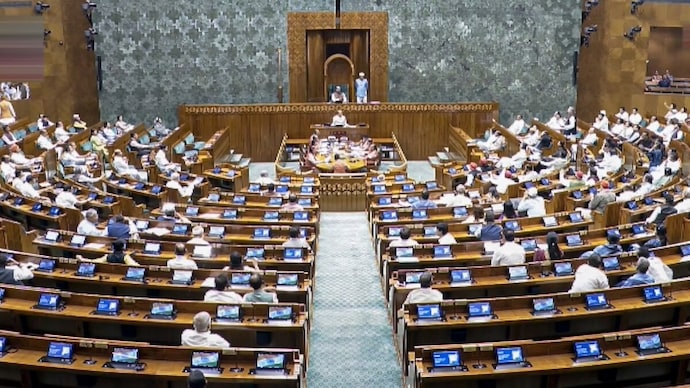
Whenever a major Parliament protest or Chalo Sansad march is announced, one question comes up, which is "why do protesters always head towards Parliament?" The answer lies in what Parliament represents. It is where laws are passed, governments are held accountable and national policies are debated. Whether the issue is jobs, examinations, farmers, students or the economy, reaching Parliament is seen as the strongest way to make the government listen. Here's why Parliament remains the country's most powerful protest destination.
THE CENTRE OF NATIONAL DECISION-MAKING
Parliament is where the Lok Sabha and Rajya Sabha debate and pass laws that affect people across the country.
Many protesters believe that marching to Parliament is the most direct way to challenge policies they oppose. By taking their protest to the country's legislative centre, they aim to ensure their concerns reach those responsible for making decisions.
A CALL FOR ACCOUNTABILITY
A Parliament march is also a demand for answers from elected representatives.
When public anger grows over issues such as examination systems, economic concerns or government policies, protesters often seek action from ministers or the government. Demonstrations near Parliament become a way of asking leaders to respond publicly to their demands.
THE BIGGEST STAGE FOR PUBLIC ATTENTION
Parliament is one of the most closely watched locations in India. National and international media regularly cover developments around the complex, especially during the parliamentary session.
This makes it an ideal place for protest groups looking to bring wider attention to their cause. A demonstration near Parliament is far more likely to receive nationwide coverage than one held elsewhere.
ALSO READ: What really happens inside parliament when a protest reaches its gates?
CLOSER TO THE PEOPLE IN POWER
Marching to Parliament also places public concerns close to those who make decisions.
Large demonstrations such as Chalo Sansad marches are designed to show the scale of public dissatisfaction directly to lawmakers. Such protests can also create pressure for discussions between government representatives and protest organisers, particularly when the movement gains momentum.
For many groups, reaching Parliament is not just about occupying a location. It is about taking their message to the country's highest democratic institution, where laws are made and governments are expected to answer to the people.
Whenever a major Parliament protest or Chalo Sansad march is announced, one question comes up, which is "why do protesters always head towards Parliament?" The answer lies in what Parliament represents. It is where laws are passed, governments are held accountable and national policies are debated. Whether the issue is jobs, examinations, farmers, students or the economy, reaching Parliament is seen as the strongest way to make the government listen. Here's why Parliament remains the country's most powerful protest destination.
THE CENTRE OF NATIONAL DECISION-MAKING
Parliament is where the Lok Sabha and Rajya Sabha debate and pass laws that affect people across the country.
Many protesters believe that marching to Parliament is the most direct way to challenge policies they oppose. By taking their protest to the country's legislative centre, they aim to ensure their concerns reach those responsible for making decisions.
A CALL FOR ACCOUNTABILITY
A Parliament march is also a demand for answers from elected representatives.
When public anger grows over issues such as examination systems, economic concerns or government policies, protesters often seek action from ministers or the government. Demonstrations near Parliament become a way of asking leaders to respond publicly to their demands.
THE BIGGEST STAGE FOR PUBLIC ATTENTION
Parliament is one of the most closely watched locations in India. National and international media regularly cover developments around the complex, especially during the parliamentary session.
This makes it an ideal place for protest groups looking to bring wider attention to their cause. A demonstration near Parliament is far more likely to receive nationwide coverage than one held elsewhere.
ALSO READ: What really happens inside parliament when a protest reaches its gates?
CLOSER TO THE PEOPLE IN POWER
Marching to Parliament also places public concerns close to those who make decisions.
Large demonstrations such as Chalo Sansad marches are designed to show the scale of public dissatisfaction directly to lawmakers. Such protests can also create pressure for discussions between government representatives and protest organisers, particularly when the movement gains momentum.
For many groups, reaching Parliament is not just about occupying a location. It is about taking their message to the country's highest democratic institution, where laws are made and governments are expected to answer to the people.
Whenever a major Parliament protest or Chalo Sansad march is announced, one question comes up, which is "why do protesters always head towards Parliament?" The answer lies in what Parliament represents. It is where laws are passed, governments are held accountable and national policies are debated. Whether the issue is jobs, examinations, farmers, students or the economy, reaching Parliament is seen as the strongest way to make the government listen. Here's why Parliament remains the country's most powerful protest destination.
THE CENTRE OF NATIONAL DECISION-MAKING
Parliament is where the Lok Sabha and Rajya Sabha debate and pass laws that affect people across the country.
Many protesters believe that marching to Parliament is the most direct way to challenge policies they oppose. By taking their protest to the country's legislative centre, they aim to ensure their concerns reach those responsible for making decisions.
A CALL FOR ACCOUNTABILITY
A Parliament march is also a demand for answers from elected representatives.
When public anger grows over issues such as examination systems, economic concerns or government policies, protesters often seek action from ministers or the government. Demonstrations near Parliament become a way of asking leaders to respond publicly to their demands.
THE BIGGEST STAGE FOR PUBLIC ATTENTION
Parliament is one of the most closely watched locations in India. National and international media regularly cover developments around the complex, especially during the parliamentary session.
This makes it an ideal place for protest groups looking to bring wider attention to their cause. A demonstration near Parliament is far more likely to receive nationwide coverage than one held elsewhere.
ALSO READ: What really happens inside parliament when a protest reaches its gates?
CLOSER TO THE PEOPLE IN POWER
Marching to Parliament also places public concerns close to those who make decisions.
Large demonstrations such as Chalo Sansad marches are designed to show the scale of public dissatisfaction directly to lawmakers. Such protests can also create pressure for discussions between government representatives and protest organisers, particularly when the movement gains momentum.
For many groups, reaching Parliament is not just about occupying a location. It is about taking their message to the country's highest democratic institution, where laws are made and governments are expected to answer to the people.

