What red, orange and yellow rain alerts actually mean
From yellow to red, weather warnings are designed to help people prepare for heavy rain and severe weather. Here's what each IMD rain alert means and what you should do when one is issued.
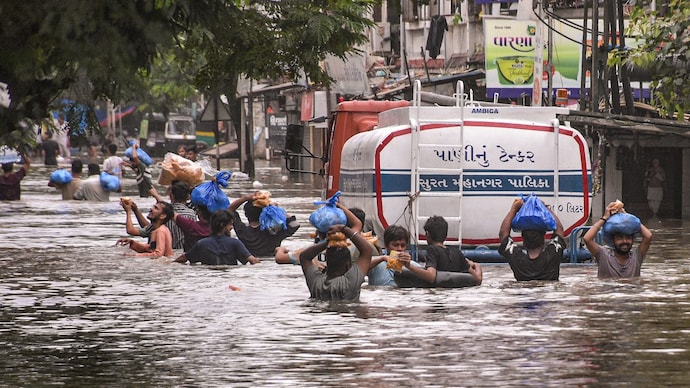
Rain alerts often dominate headlines during the monsoon, but many people are unsure what the different colours actually mean. The India Meteorological Department (IMD) uses a colour-coded warning system to inform the public about expected weather conditions and the level of risk. Understanding these alerts can help commuters, travellers and residents make better decisions before stepping out.
Whether it is planning your journey, avoiding flood-prone areas or preparing for possible disruptions, knowing what each warning means can make a real difference during heavy rainfall.
WHAT IS THE IMD RAIN ALERT SYSTEM?
The IMD issues colour-coded weather warnings based on the expected intensity of rainfall and its possible impact. These alerts are shared through weather bulletins, mobile apps, television, radio and social media, allowing people and local authorities to prepare in advance.
YELLOW ALERT: BE AWARE
A yellow alert is the first level of warning. It means weather conditions could worsen, and people should stay updated with the latest forecasts.
Heavy rain may affect daily travel in some areas, but widespread disruption is not usually expected. Commuters should carry umbrellas or raincoats, allow extra travel time and keep an eye on weather updates.
ORANGE ALERT: BE PREPARED
An orange alert indicates that heavy to very heavy rainfall is likely and people should be prepared for possible disruptions.
Waterlogging, traffic congestion, localised flooding and delays to road, rail or air travel may occur. Residents in low-lying areas should remain cautious, while commuters should avoid unnecessary travel if conditions worsen. It is also advisable to secure outdoor items and keep emergency essentials ready.
RED ALERT: TAKE ACTION
A red alert is the highest level of weather warning. It is issued when extremely heavy rainfall or severe weather is expected, with a higher risk of flooding, damage and disruption.
People are advised to avoid unnecessary travel, follow instructions from local authorities and stay indoors unless travel is essential. Schools, offices and transport services may also be affected depending on local conditions.
WHY THESE ALERTS MATTER
Rain alerts are not just forecasts, they are early warnings that help people prepare for changing weather conditions. Checking the latest IMD forecast before leaving home can help you avoid flooded roads, traffic delays and unsafe travel conditions.
As the monsoon continues across many parts of India, paying attention to weather alerts and acting early can help keep you and your family safe.
Rain alerts often dominate headlines during the monsoon, but many people are unsure what the different colours actually mean. The India Meteorological Department (IMD) uses a colour-coded warning system to inform the public about expected weather conditions and the level of risk. Understanding these alerts can help commuters, travellers and residents make better decisions before stepping out.
Whether it is planning your journey, avoiding flood-prone areas or preparing for possible disruptions, knowing what each warning means can make a real difference during heavy rainfall.
WHAT IS THE IMD RAIN ALERT SYSTEM?
The IMD issues colour-coded weather warnings based on the expected intensity of rainfall and its possible impact. These alerts are shared through weather bulletins, mobile apps, television, radio and social media, allowing people and local authorities to prepare in advance.
YELLOW ALERT: BE AWARE
A yellow alert is the first level of warning. It means weather conditions could worsen, and people should stay updated with the latest forecasts.
Heavy rain may affect daily travel in some areas, but widespread disruption is not usually expected. Commuters should carry umbrellas or raincoats, allow extra travel time and keep an eye on weather updates.
ORANGE ALERT: BE PREPARED
An orange alert indicates that heavy to very heavy rainfall is likely and people should be prepared for possible disruptions.
Waterlogging, traffic congestion, localised flooding and delays to road, rail or air travel may occur. Residents in low-lying areas should remain cautious, while commuters should avoid unnecessary travel if conditions worsen. It is also advisable to secure outdoor items and keep emergency essentials ready.
RED ALERT: TAKE ACTION
A red alert is the highest level of weather warning. It is issued when extremely heavy rainfall or severe weather is expected, with a higher risk of flooding, damage and disruption.
People are advised to avoid unnecessary travel, follow instructions from local authorities and stay indoors unless travel is essential. Schools, offices and transport services may also be affected depending on local conditions.
WHY THESE ALERTS MATTER
Rain alerts are not just forecasts, they are early warnings that help people prepare for changing weather conditions. Checking the latest IMD forecast before leaving home can help you avoid flooded roads, traffic delays and unsafe travel conditions.
As the monsoon continues across many parts of India, paying attention to weather alerts and acting early can help keep you and your family safe.

