He was a Class 9 pass taxi driver when hired. 10 years later, he heads a team
AdOnMo hired a Class 9 pass taxi driver as its first employee and backed his growth. A decade later, his rise to procurement head highlights the value of hiring for potential.
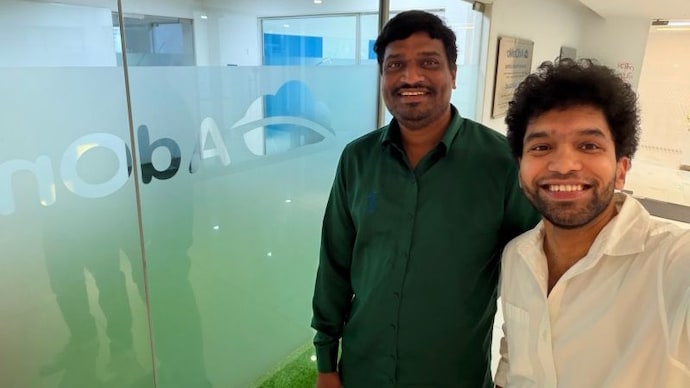
Ten years ago, when most companies were looking for employees with degrees, English fluency and corporate experience, one founder decided to hire a Class 9 pass taxi driver.
He had no impressive resume. No corporate background. No English-speaking skills that could help him clear a conventional interview. Yet something convinced the founder that he was worth taking a chance on.
The employee joined AdOnMo as the company’s first employee. What he lacked on paper, the founder says, he made up for with hunger, honesty and a willingness to learn and figure things out.
It was a hiring decision based less on credentials and more on potential.
FIRST, THEY INVESTED IN HIM
The company did not simply hire him and expect him to adapt overnight.
He was enroled in spoken English classes. More importantly, he was given meaningful work rather than being treated differently because of his educational background.
The idea was simple: if the company believed he could grow, it had to give him the opportunity to actually do so. Over the years, his responsibilities expanded as his skills and confidence grew.
A decade later, the same employee is heading procurement at AdOnMo, with Pan-India responsibility. The founder describes him as one of the most trusted people in the organisation.
The journey points to a larger question for employers: how many capable workers are rejected before they get an opportunity to prove themselves?
THE PROBLEM WITH THE PERFECT CANDIDATE
Hiring often starts with filters. A particular degree. A certain number of years of experience. Good English. A polished CV. Experience at a recognised company.
These requirements can make recruitment easier, but they can also screen out people who have the ability to learn and perform the job.
That is where skills-based hiring has gained attention. Instead of asking only what a candidate has already done, employers can also assess what they can learn, solve and contribute.
The AdOnMo story does not mean qualifications or experience are irrelevant. Some jobs require specific education and expertise. But it does show the value of looking beyond credentials when the role allows it.
GIVE PEOPLE ROOM TO GROW
The most important part of this story may not be that a taxi driver eventually became a procurement head. It is what happened in between. The company invested in his communication skills, gave him responsibility and allowed him to grow into larger roles.
For employers, that creates a useful hiring lesson: talent does not always arrive in a finished form. Sometimes, the job is not to find the perfect candidate.
It is to recognise potential, create the right conditions and give someone enough responsibility to prove what they can become.
Ten years ago, when most companies were looking for employees with degrees, English fluency and corporate experience, one founder decided to hire a Class 9 pass taxi driver.
He had no impressive resume. No corporate background. No English-speaking skills that could help him clear a conventional interview. Yet something convinced the founder that he was worth taking a chance on.
The employee joined AdOnMo as the company’s first employee. What he lacked on paper, the founder says, he made up for with hunger, honesty and a willingness to learn and figure things out.
It was a hiring decision based less on credentials and more on potential.
FIRST, THEY INVESTED IN HIM
The company did not simply hire him and expect him to adapt overnight.
He was enroled in spoken English classes. More importantly, he was given meaningful work rather than being treated differently because of his educational background.
The idea was simple: if the company believed he could grow, it had to give him the opportunity to actually do so. Over the years, his responsibilities expanded as his skills and confidence grew.
A decade later, the same employee is heading procurement at AdOnMo, with Pan-India responsibility. The founder describes him as one of the most trusted people in the organisation.
The journey points to a larger question for employers: how many capable workers are rejected before they get an opportunity to prove themselves?
THE PROBLEM WITH THE PERFECT CANDIDATE
Hiring often starts with filters. A particular degree. A certain number of years of experience. Good English. A polished CV. Experience at a recognised company.
These requirements can make recruitment easier, but they can also screen out people who have the ability to learn and perform the job.
That is where skills-based hiring has gained attention. Instead of asking only what a candidate has already done, employers can also assess what they can learn, solve and contribute.
The AdOnMo story does not mean qualifications or experience are irrelevant. Some jobs require specific education and expertise. But it does show the value of looking beyond credentials when the role allows it.
GIVE PEOPLE ROOM TO GROW
The most important part of this story may not be that a taxi driver eventually became a procurement head. It is what happened in between. The company invested in his communication skills, gave him responsibility and allowed him to grow into larger roles.
For employers, that creates a useful hiring lesson: talent does not always arrive in a finished form. Sometimes, the job is not to find the perfect candidate.
It is to recognise potential, create the right conditions and give someone enough responsibility to prove what they can become.
Ten years ago, when most companies were looking for employees with degrees, English fluency and corporate experience, one founder decided to hire a Class 9 pass taxi driver.
He had no impressive resume. No corporate background. No English-speaking skills that could help him clear a conventional interview. Yet something convinced the founder that he was worth taking a chance on.
The employee joined AdOnMo as the company’s first employee. What he lacked on paper, the founder says, he made up for with hunger, honesty and a willingness to learn and figure things out.
It was a hiring decision based less on credentials and more on potential.
FIRST, THEY INVESTED IN HIM
The company did not simply hire him and expect him to adapt overnight.
He was enroled in spoken English classes. More importantly, he was given meaningful work rather than being treated differently because of his educational background.
The idea was simple: if the company believed he could grow, it had to give him the opportunity to actually do so. Over the years, his responsibilities expanded as his skills and confidence grew.
A decade later, the same employee is heading procurement at AdOnMo, with Pan-India responsibility. The founder describes him as one of the most trusted people in the organisation.
The journey points to a larger question for employers: how many capable workers are rejected before they get an opportunity to prove themselves?
THE PROBLEM WITH THE PERFECT CANDIDATE
Hiring often starts with filters. A particular degree. A certain number of years of experience. Good English. A polished CV. Experience at a recognised company.
These requirements can make recruitment easier, but they can also screen out people who have the ability to learn and perform the job.
That is where skills-based hiring has gained attention. Instead of asking only what a candidate has already done, employers can also assess what they can learn, solve and contribute.
The AdOnMo story does not mean qualifications or experience are irrelevant. Some jobs require specific education and expertise. But it does show the value of looking beyond credentials when the role allows it.
GIVE PEOPLE ROOM TO GROW
The most important part of this story may not be that a taxi driver eventually became a procurement head. It is what happened in between. The company invested in his communication skills, gave him responsibility and allowed him to grow into larger roles.
For employers, that creates a useful hiring lesson: talent does not always arrive in a finished form. Sometimes, the job is not to find the perfect candidate.
It is to recognise potential, create the right conditions and give someone enough responsibility to prove what they can become.

