How this Hyderabad engineer landed job at Meta after 27 university rejections
He did not study at an IIT or NIT. He was rejected by 27 universities in the US and faced visa setbacks. Today, Hyderabad-born Soumith Chintala is one of the most influential names in artificial intelligence, having created PyTorch and now serving as CTO of Thinking Machines Lab.
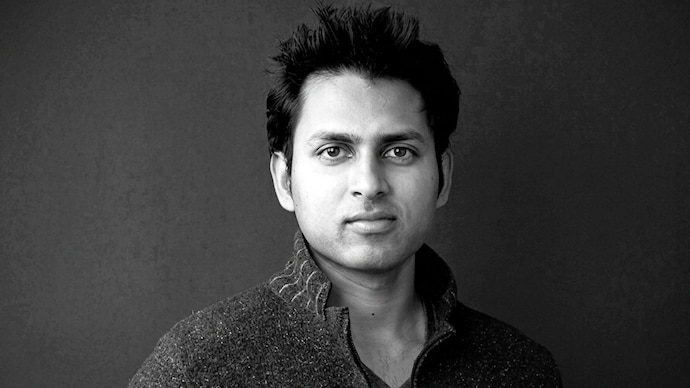
Many jobseekers believe a rejection email is the end of the road. Soumith Chintala's career tells a very different story.
Born and raised in Hyderabad, Chintala grew up in a home without a computer. His first experience with one came at a neighbour's house. He studied at Hyderabad Public School before completing his BTech from VIT Vellore in 2009. There was no IIT or NIT tag attached to his resume, but that did not stop him from aiming higher.
When he applied to universities in the United States for higher studies, rejection after rejection followed. By his own account, 27 universities turned him down before he finally secured admission to New York University. There, he worked under renowned AI researcher Yann LeCun, one of the pioneers of deep learning.
THE JOB SEARCH WAS NOT EASY EITHER
Getting into university was only one hurdle.
After graduation, Chintala faced multiple job rejections while trying to enter the AI industry. Visa complications even forced him to leave the United States for a period, adding another setback to an already difficult journey. Yet he continued applying, learning and improving instead of walking away from his goal.
His breakthrough came in 2014 when he joined Meta AI's Fundamental AI Research (FAIR) team.
THE TOOL THAT CHANGED AI RESEARCH
At Meta, Chintala helped create PyTorch, the open-source deep learning framework that has become one of the foundations of modern artificial intelligence.
Designed to make AI research more flexible and easier for developers, PyTorch quickly gained popularity across universities, research labs and technology companies. Today, it is widely used across the AI ecosystem, powering research and applications at organisations including Meta, Tesla and OpenAI. Chintala led the PyTorch project for nearly eight years, helping it become one of the most widely adopted AI frameworks in the world.
A NEW ROLE IN THE NEXT AI CHAPTER
After spending around 11 years at Meta and rising to the position of Vice President, Chintala decided it was time for a new challenge.
He joined Thinking Machines Lab, the AI company founded by former OpenAI CTO Mira Murati, and now serves as its Chief Technology Officer. The move places him at the centre of another ambitious effort to shape the future of artificial intelligence.
For students and jobseekers, Chintala's career is a reminder that prestigious college tags and early acceptance letters are not the only routes to success. Skills, persistence and the willingness to keep moving after rejection often matter far more in the long run.
Many jobseekers believe a rejection email is the end of the road. Soumith Chintala's career tells a very different story.
Born and raised in Hyderabad, Chintala grew up in a home without a computer. His first experience with one came at a neighbour's house. He studied at Hyderabad Public School before completing his BTech from VIT Vellore in 2009. There was no IIT or NIT tag attached to his resume, but that did not stop him from aiming higher.
When he applied to universities in the United States for higher studies, rejection after rejection followed. By his own account, 27 universities turned him down before he finally secured admission to New York University. There, he worked under renowned AI researcher Yann LeCun, one of the pioneers of deep learning.
THE JOB SEARCH WAS NOT EASY EITHER
Getting into university was only one hurdle.
After graduation, Chintala faced multiple job rejections while trying to enter the AI industry. Visa complications even forced him to leave the United States for a period, adding another setback to an already difficult journey. Yet he continued applying, learning and improving instead of walking away from his goal.
His breakthrough came in 2014 when he joined Meta AI's Fundamental AI Research (FAIR) team.
THE TOOL THAT CHANGED AI RESEARCH
At Meta, Chintala helped create PyTorch, the open-source deep learning framework that has become one of the foundations of modern artificial intelligence.
Designed to make AI research more flexible and easier for developers, PyTorch quickly gained popularity across universities, research labs and technology companies. Today, it is widely used across the AI ecosystem, powering research and applications at organisations including Meta, Tesla and OpenAI. Chintala led the PyTorch project for nearly eight years, helping it become one of the most widely adopted AI frameworks in the world.
A NEW ROLE IN THE NEXT AI CHAPTER
After spending around 11 years at Meta and rising to the position of Vice President, Chintala decided it was time for a new challenge.
He joined Thinking Machines Lab, the AI company founded by former OpenAI CTO Mira Murati, and now serves as its Chief Technology Officer. The move places him at the centre of another ambitious effort to shape the future of artificial intelligence.
For students and jobseekers, Chintala's career is a reminder that prestigious college tags and early acceptance letters are not the only routes to success. Skills, persistence and the willingness to keep moving after rejection often matter far more in the long run.
Many jobseekers believe a rejection email is the end of the road. Soumith Chintala's career tells a very different story.
Born and raised in Hyderabad, Chintala grew up in a home without a computer. His first experience with one came at a neighbour's house. He studied at Hyderabad Public School before completing his BTech from VIT Vellore in 2009. There was no IIT or NIT tag attached to his resume, but that did not stop him from aiming higher.
When he applied to universities in the United States for higher studies, rejection after rejection followed. By his own account, 27 universities turned him down before he finally secured admission to New York University. There, he worked under renowned AI researcher Yann LeCun, one of the pioneers of deep learning.
THE JOB SEARCH WAS NOT EASY EITHER
Getting into university was only one hurdle.
After graduation, Chintala faced multiple job rejections while trying to enter the AI industry. Visa complications even forced him to leave the United States for a period, adding another setback to an already difficult journey. Yet he continued applying, learning and improving instead of walking away from his goal.
His breakthrough came in 2014 when he joined Meta AI's Fundamental AI Research (FAIR) team.
THE TOOL THAT CHANGED AI RESEARCH
At Meta, Chintala helped create PyTorch, the open-source deep learning framework that has become one of the foundations of modern artificial intelligence.
Designed to make AI research more flexible and easier for developers, PyTorch quickly gained popularity across universities, research labs and technology companies. Today, it is widely used across the AI ecosystem, powering research and applications at organisations including Meta, Tesla and OpenAI. Chintala led the PyTorch project for nearly eight years, helping it become one of the most widely adopted AI frameworks in the world.
A NEW ROLE IN THE NEXT AI CHAPTER
After spending around 11 years at Meta and rising to the position of Vice President, Chintala decided it was time for a new challenge.
He joined Thinking Machines Lab, the AI company founded by former OpenAI CTO Mira Murati, and now serves as its Chief Technology Officer. The move places him at the centre of another ambitious effort to shape the future of artificial intelligence.
For students and jobseekers, Chintala's career is a reminder that prestigious college tags and early acceptance letters are not the only routes to success. Skills, persistence and the willingness to keep moving after rejection often matter far more in the long run.

