Who is Honey Trehan, once Vishal Bhardwaj's right hand, now director of Satluj?
Honey Trehan, a popular casting director turned filmmaker, is known for his close collaboration with Vishal Bhardwaj. His latest film Satluj, centred on human rights activist Jaswant Singh Khalra, has sparked fresh debates on censorship and artistic freedom in India.
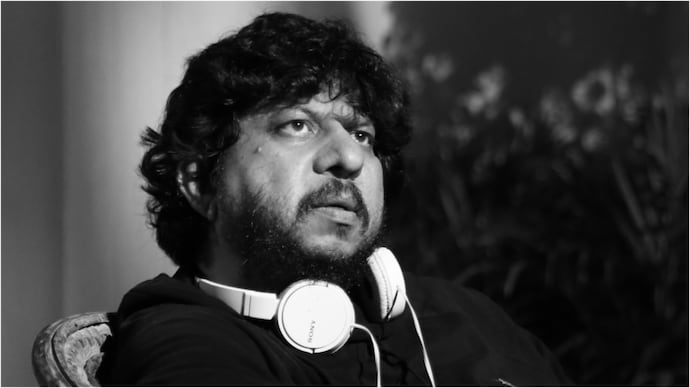
For years, Honey Trehan worked in Hindi cinema without audiences ever seeing his name on a poster. Long before he became the director of Satluj, the film now at the centre of a fresh censorship debate, Trehan was known within the industry as the man behind some of Bollywood's most memorable casting decisions.
From Maqbool and Omkara to Kaminey and Udta Punjab, his fingerprints can be found on several acclaimed films of the last two decades. He was also, for a long time, considered filmmaker Vishal Bhardwaj's closest creative collaborator.
Today, as Satluj continues to make headlines after being taken down from Zee5 within 48 hours after its release, many are asking: who is Honey Trehan? Here's your answer.
Trehan was born on October 4, 1978 in Sagar, Madhya Pradesh. He didn't set out to direct films. His path into the industry started as an assistant director, and it was casting that eventually made his name, long before anyone associated him with a director's chair.
At a time when casting was often treated as a secondary job in Bollywood, Trehan helped change perceptions. He approached it differently, looking for actors who fit a part rather than simply the biggest name available for it. His work on films such as Makdee (2002), Maqbool (2003), Omkara (2006), Kaminey (2009), Delhi Belly (2011), Talvar (2015) and Udta Punjab (2016) earned him a reputation as one of the industry's sharpest casting minds.
Vishal Bhardwaj's trusted collaborator
Much of that reputation was built alongside filmmaker Vishal Bhardwaj. The two worked together for nearly twenty years, with Trehan assisting on direction and handling casting for several of Bhardwaj's films, eventually becoming one of his closest collaborators.
People in the industry often called him Bhardwaj's right-hand man, and the partnership went beyond just casting and directing — together with filmmaker Abhishek Chaubey, they were also behind MacGuffin Pictures, the production banner responsible for films like A Death in the Gunj, Konkana Sen's debut directorial.
For years, that partnership looked unshakeable. Then came Sapna Didi.
The fallout over Sapna Didi
Trehan's directorial debut was originally supposed to be a gangster drama based on a chapter from Hussain Zaidi's book Mafia Queens of Mumbai. The project, centred on the real-life story of Sapna Didi, had Deepika Padukone and the late Irrfan attached to play the lead roles. Trehan was set to direct, while Bhardwaj was producing.
However, in December 2017, the two announced that Bhardwaj would replace Trehan as director due to "creative differences".
At the time, both men insisted the decision was mutual and amicable. "Due to different artistic visions of the film, Honey and I jointly came to the decision that it would be best if I took over as director," Bhardwaj had said in a statement.
Trehan echoed the sentiment, saying that their differing creative understanding of the project had led them to conclude that Bhardwaj should direct the film. The split surprised many in the industry because of how closely the two had worked together over the years.
In the end, Sapna Didi never materialised. The project faced multiple setbacks, including Irrfan's illness and later his death, producer-related issues and delays caused by the pandemic.
Years later, the film evolved into O' Romeo, with Shahid Kapoor and Triptii Dimri in the lead roles and Bhardwaj directing. The film was released earlier this year and bombed at the box office.
Trehan's directorial debut
After parting ways with Bhardwaj on Sapna Didi, Trehan chose a different path. Instead of waiting for another large-scale project, he made his directorial debut with Raat Akeli Hai in 2020.
The Netflix crime thriller, starring Nawazuddin Siddiqui and Radhika Apte, received positive reviews for its atmospheric storytelling and strong performances. It also established Trehan as a filmmaker in his own right rather than merely a casting director.
For many observers, Raat Akeli Hai marked the moment Trehan stepped out of Bhardwaj's shadow. He also moved into production. He was associated with Sharmaji Namkeen, the final film of veteran actor Rishi Kapoor. Following Kapoor's death during production, the film was completed with Paresh Rawal stepping into the role, making it a unique project in Hindi cinema.
Over the years, Trehan has built a career across casting, production and direction, often choosing stories that sit outside the mainstream.
About Trehan's latest directorial
Trehan's latest film, Satluj, may be his most significant project yet. Originally titled Punjab '95, the film is based on the life of human rights activist Jaswant Singh Khalra, who exposed illegal cremations during Punjab's militancy years.
Starring Diljit Dosanjh in the lead role, the film follows Khalra's investigation into disappearances and police atrocities. Written by Trehan along with Niren Bhatt and Utsav Maitra, it combines elements of biography, crime and political drama.
The film's journey has been anything but smooth. The makers had earlier claimed that the CBFC sought 127 cuts before certification. The film's scheduled screening at the Toronto International Film Festival in 2023 was also cancelled after objections were reportedly raised by Indian authorities.
Take a look at the trailer of Satluj:
Then, on July 3 this year, Satluj quietly premiered on Zee5. Within 48 hours, it disappeared from the platform. The removal sparked a debate on censorship, artistic freedom and the right to tell uncomfortable stories from India's past.
For Honey Trehan, it is perhaps an unexpected chapter in a career that has largely unfolded behind the camera. From discovering talent and shaping performances to directing films that challenge institutions, his journey has been anything but conventional.
Today, as Satluj finds itself at the centre of a national conversation, so does the filmmaker who spent years helping tell other people's stories before finally telling his own. Whether Satluj finds its way back to viewers is still uncertain, but it has already become one of the most talked-about films of the year.
For years, Honey Trehan worked in Hindi cinema without audiences ever seeing his name on a poster. Long before he became the director of Satluj, the film now at the centre of a fresh censorship debate, Trehan was known within the industry as the man behind some of Bollywood's most memorable casting decisions.
From Maqbool and Omkara to Kaminey and Udta Punjab, his fingerprints can be found on several acclaimed films of the last two decades. He was also, for a long time, considered filmmaker Vishal Bhardwaj's closest creative collaborator.
Today, as Satluj continues to make headlines after being taken down from Zee5 within 48 hours after its release, many are asking: who is Honey Trehan? Here's your answer.
Trehan was born on October 4, 1978 in Sagar, Madhya Pradesh. He didn't set out to direct films. His path into the industry started as an assistant director, and it was casting that eventually made his name, long before anyone associated him with a director's chair.
At a time when casting was often treated as a secondary job in Bollywood, Trehan helped change perceptions. He approached it differently, looking for actors who fit a part rather than simply the biggest name available for it. His work on films such as Makdee (2002), Maqbool (2003), Omkara (2006), Kaminey (2009), Delhi Belly (2011), Talvar (2015) and Udta Punjab (2016) earned him a reputation as one of the industry's sharpest casting minds.
Vishal Bhardwaj's trusted collaborator
Much of that reputation was built alongside filmmaker Vishal Bhardwaj. The two worked together for nearly twenty years, with Trehan assisting on direction and handling casting for several of Bhardwaj's films, eventually becoming one of his closest collaborators.
People in the industry often called him Bhardwaj's right-hand man, and the partnership went beyond just casting and directing — together with filmmaker Abhishek Chaubey, they were also behind MacGuffin Pictures, the production banner responsible for films like A Death in the Gunj, Konkana Sen's debut directorial.
For years, that partnership looked unshakeable. Then came Sapna Didi.
The fallout over Sapna Didi
Trehan's directorial debut was originally supposed to be a gangster drama based on a chapter from Hussain Zaidi's book Mafia Queens of Mumbai. The project, centred on the real-life story of Sapna Didi, had Deepika Padukone and the late Irrfan attached to play the lead roles. Trehan was set to direct, while Bhardwaj was producing.
However, in December 2017, the two announced that Bhardwaj would replace Trehan as director due to "creative differences".
At the time, both men insisted the decision was mutual and amicable. "Due to different artistic visions of the film, Honey and I jointly came to the decision that it would be best if I took over as director," Bhardwaj had said in a statement.
Trehan echoed the sentiment, saying that their differing creative understanding of the project had led them to conclude that Bhardwaj should direct the film. The split surprised many in the industry because of how closely the two had worked together over the years.
In the end, Sapna Didi never materialised. The project faced multiple setbacks, including Irrfan's illness and later his death, producer-related issues and delays caused by the pandemic.
Years later, the film evolved into O' Romeo, with Shahid Kapoor and Triptii Dimri in the lead roles and Bhardwaj directing. The film was released earlier this year and bombed at the box office.
Trehan's directorial debut
After parting ways with Bhardwaj on Sapna Didi, Trehan chose a different path. Instead of waiting for another large-scale project, he made his directorial debut with Raat Akeli Hai in 2020.
The Netflix crime thriller, starring Nawazuddin Siddiqui and Radhika Apte, received positive reviews for its atmospheric storytelling and strong performances. It also established Trehan as a filmmaker in his own right rather than merely a casting director.
For many observers, Raat Akeli Hai marked the moment Trehan stepped out of Bhardwaj's shadow. He also moved into production. He was associated with Sharmaji Namkeen, the final film of veteran actor Rishi Kapoor. Following Kapoor's death during production, the film was completed with Paresh Rawal stepping into the role, making it a unique project in Hindi cinema.
Over the years, Trehan has built a career across casting, production and direction, often choosing stories that sit outside the mainstream.
About Trehan's latest directorial
Trehan's latest film, Satluj, may be his most significant project yet. Originally titled Punjab '95, the film is based on the life of human rights activist Jaswant Singh Khalra, who exposed illegal cremations during Punjab's militancy years.
Starring Diljit Dosanjh in the lead role, the film follows Khalra's investigation into disappearances and police atrocities. Written by Trehan along with Niren Bhatt and Utsav Maitra, it combines elements of biography, crime and political drama.
The film's journey has been anything but smooth. The makers had earlier claimed that the CBFC sought 127 cuts before certification. The film's scheduled screening at the Toronto International Film Festival in 2023 was also cancelled after objections were reportedly raised by Indian authorities.
Take a look at the trailer of Satluj:
Then, on July 3 this year, Satluj quietly premiered on Zee5. Within 48 hours, it disappeared from the platform. The removal sparked a debate on censorship, artistic freedom and the right to tell uncomfortable stories from India's past.
For Honey Trehan, it is perhaps an unexpected chapter in a career that has largely unfolded behind the camera. From discovering talent and shaping performances to directing films that challenge institutions, his journey has been anything but conventional.
Today, as Satluj finds itself at the centre of a national conversation, so does the filmmaker who spent years helping tell other people's stories before finally telling his own. Whether Satluj finds its way back to viewers is still uncertain, but it has already become one of the most talked-about films of the year.

